
In a statement released on October 20, 2023, a senior US official emphasized that the control over oil sales is aimed at preventing the funds from benefiting the Maduro regime. For more background on this situation, see our article regarding the U.S. sanctions on Venezuela.
This development is significant as Venezuela holds some of the largest oil reserves in the world. The US’s ongoing influence over these resources could have far-reaching implications for global oil markets and geopolitical relations in the region. Furthermore, it raises concerns about the humanitarian situation in Venezuela, where economic instability has led to widespread poverty and migration.
As the situation evolves, the response from both the Venezuelan government and international actors will be closely monitored. The US’s commitment to controlling oil sales may lead to further diplomatic tensions and could affect negotiations aimed at resolving the political crisis in Venezuela.
Background on US-Venezuela oil relations and sanctions
The relationship between the United States and Venezuela has been fraught with tension for decades, particularly regarding oil. Venezuela, once one of the richest countries in Latin America due to its vast oil reserves, has seen its economy and political landscape dramatically shift over the years. The nationalization of the oil industry in the late 20th century marked a significant turning point, leading to increased government control and reduced foreign investment, which in turn affected relations with the US.
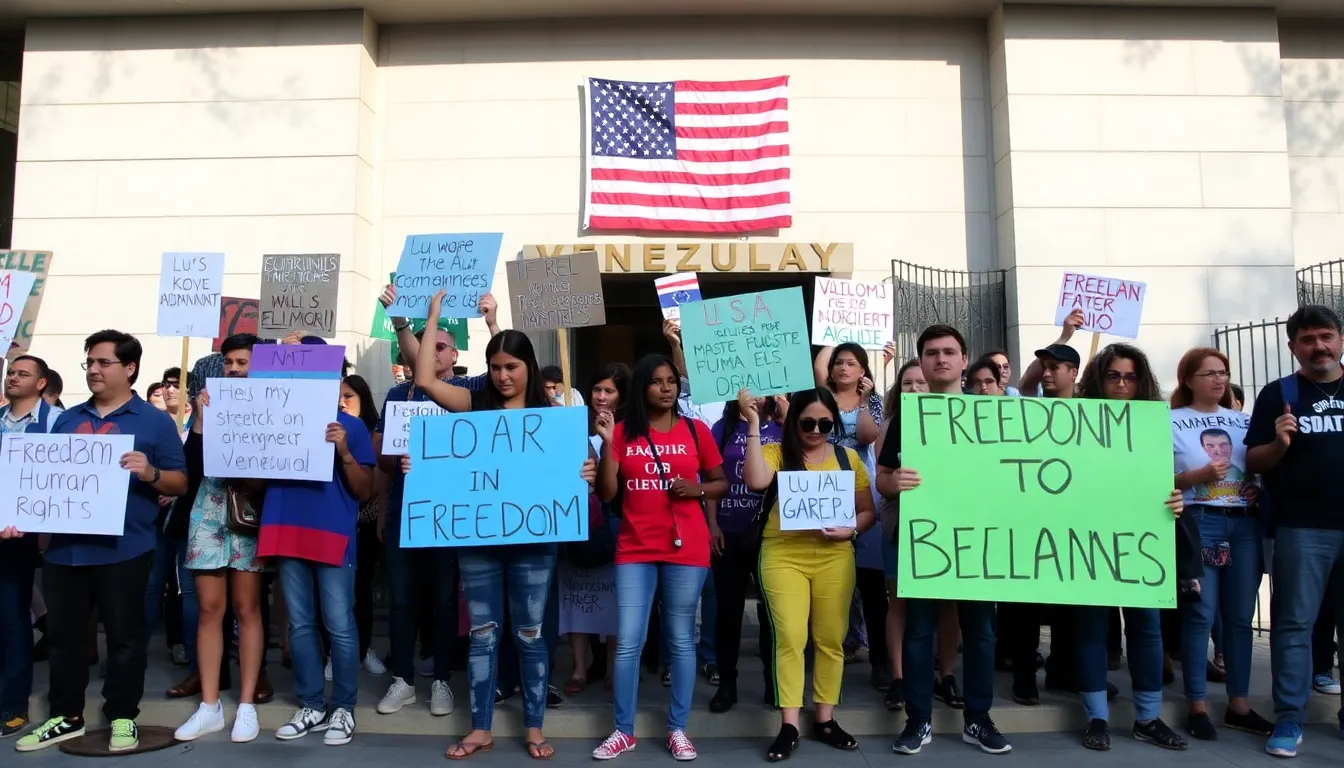
In the early 2000s, under President Hugo Chávez, Venezuela’s foreign policy became increasingly anti-American, culminating in a series of diplomatic spats and the establishment of alliances with countries like Russia and Iran. These developments highlight the complexities of international relations in the region.
By 2019, the situation escalated further when the US recognized Juan Guaidó, the opposition leader, as the legitimate president of Venezuela, leading to a new wave of sanctions targeting the Venezuelan oil sector. The sanctions were designed to cripple the Maduro administration’s primary source of revenue, as oil accounted for nearly 90% of the country’s exports. This strategy aimed to pressure Maduro to step down and restore democratic governance.
Recent Developments
As of late 2023, US officials have indicated that they will maintain control over Venezuelan oil sales indefinitely, a decision rooted in the ongoing political crisis and the need to prevent the Maduro regime from regaining financial stability. The US has also sought to prevent other nations, particularly those with adversarial ties, from benefiting from Venezuelan oil. This has led to a complex web of international relations, where countries like China and Russia have stepped in to fill the void left by US sanctions, complicating the geopolitical landscape further.
Key stakeholders and issues surrounding oil control
The ongoing situation regarding the control of Venezuelan oil sales involves multiple stakeholders, each with distinct interests and motivations. The primary actors include the United States government, the Venezuelan government led by President Nicolás Maduro, international oil companies, and various geopolitical entities that have vested interests in the region’s oil market.
The United States has positioned itself as a key player, asserting its influence over Venezuela’s oil sales through sanctions aimed at crippling the Maduro regime. The U.S. government’s interest lies in promoting democracy in Venezuela while simultaneously securing energy resources for its own economy. This approach has led to significant tensions, as the U.S. seeks to limit the Maduro administration’s ability to generate revenue from oil exports.
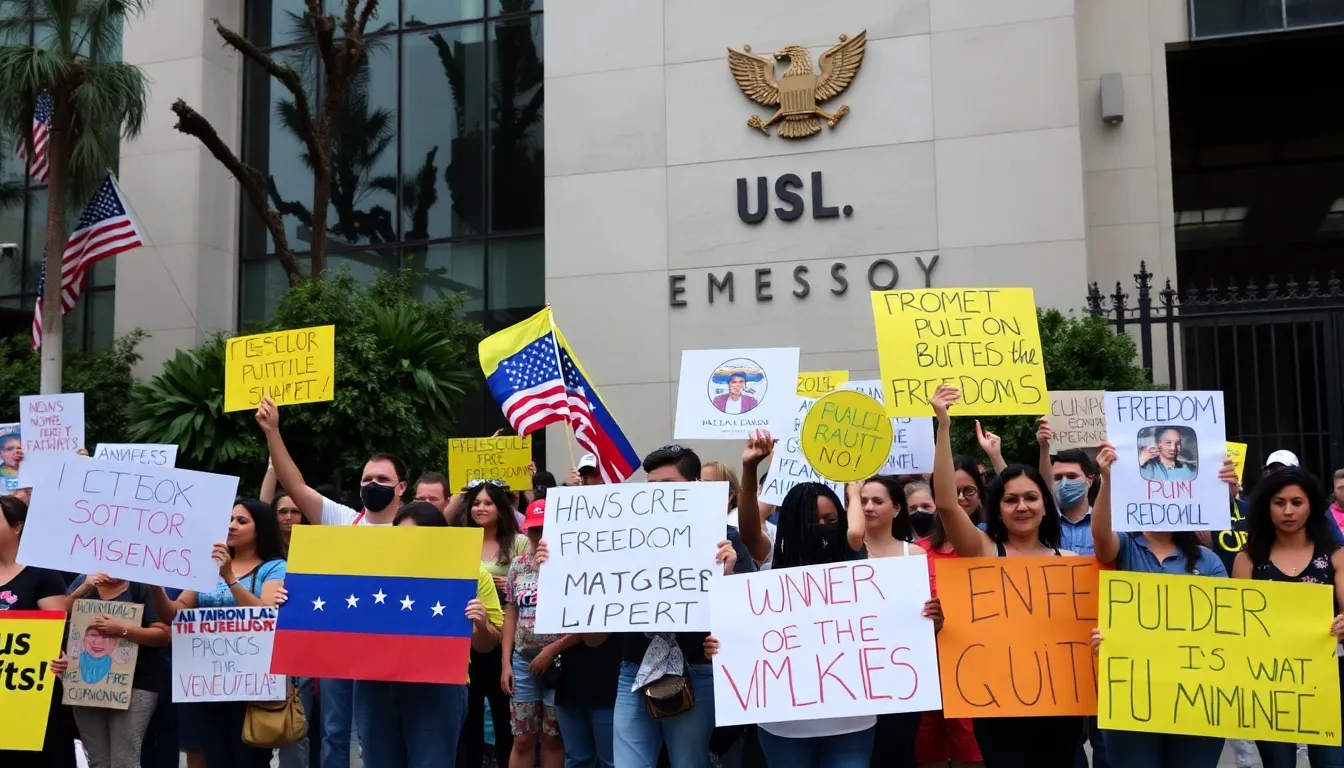
On the other hand, the Venezuelan government views U.S. sanctions as an infringement on its sovereignty and an attempt to destabilize the nation. The Maduro administration’s interest is to regain access to international markets to revive its struggling economy, which heavily relies on oil revenue. This conflict of interests creates a challenging landscape for negotiations and potential resolutions.
- Legal issues: The legality of U.S. sanctions on Venezuela raises questions about international law and the right of nations to impose economic restrictions.
- Economic implications: Venezuela’s economy is in dire straits, and the indefinite control over oil sales by the U.S. could exacerbate the humanitarian crisis in the country.
- Geopolitical ramifications: Other nations, particularly those aligned with Venezuela, may respond to U.S. actions by increasing their support for the Maduro government, complicating the geopolitical landscape.
- Impact on global oil markets: Changes in Venezuela’s oil production and sales can influence global oil prices, affecting economies worldwide.
These dynamics underscore the complexity of the situation, as the interplay between domestic interests and international relations continues to evolve. Stakeholders must navigate these challenges carefully to address both the immediate and long-term implications of U.S. control over Venezuelan oil sales.
Impacts on Venezuela’s economy and global oil markets
The indefinite control of Venezuela’s oil sales by the US government is poised to have significant repercussions for various groups, industries, and regions. As detailed in our coverage of economic impacts, the Venezuelan economy, which heavily relies on oil exports for revenue, will face severe challenges.
In the short term, Venezuelans may experience heightened inflation and scarcity of essential goods as the government struggles to fund public services and social programs. The oil sector, which employs a large portion of the population, may see job losses and reduced wages, exacerbating the already dire humanitarian crisis.
In contrast, global oil markets could see a temporary surge in prices as the reduction of Venezuelan oil exports tightens supply. Countries that depend on Venezuelan oil, particularly in the Caribbean and parts of South America, will need to seek alternative sources, potentially leading to increased competition for oil and gas resources.
- Short-term risks: Increased inflation and unemployment in Venezuela.
- Mid-term risks: Long-term economic decline and social unrest.
- Opportunities: Other oil-producing countries may benefit from increased demand.
In the mid-term, the geopolitical landscape may shift as nations reassess their energy strategies. Countries like Russia and China, which have historically supported Venezuela, may seek to fill the void left by US sanctions. This could lead to new alliances and energy partnerships that reshape the global oil market.
A: The US has imposed sanctions on Venezuela to pressure the government and address human rights concerns. Controlling oil sales is seen as a way to limit revenue for the Venezuelan regime. A: Venezuela’s economy, heavily reliant on oil exports, is likely to suffer further due to reduced revenue. This could exacerbate the country’s ongoing economic crisis. A: With the US controlling oil sales, there may be fluctuations in global oil prices. The reduced supply from Venezuela could lead to higher prices in the international market. A: Various countries and organizations have expressed concern over the US’s unilateral control, arguing it may violate international trade norms and affect diplomatic relations. A: This move is likely to further deteriorate relations between the US and Venezuela, making diplomatic negotiations more challenging.
Frequently asked questions about US control over Venezuela’s oil
Key points and future outlook on Venezuela’s oil sales
The recent declaration by U.S. officials regarding the indefinite control over Venezuela’s oil sales marks a significant shift in the geopolitical landscape of energy resources. This move not only aims to restrict the revenue flow to the Maduro regime but also signals a broader strategy to influence the region’s political dynamics. As the U.S. continues to leverage its position, the implications for both Venezuela and global oil markets could be profound.
Stakeholders should remain vigilant as the situation evolves, particularly in how it may affect international relations and energy prices. The potential for increased tensions with other nations that support Venezuela, along with the impact on oil supply chains, will be crucial to monitor in the coming months.
- Impact on Global Oil Prices: The U.S. control over Venezuelan oil could lead to fluctuations in global oil prices, particularly if alternative sources are unable to meet demand.
- Regional Political Dynamics: The situation may alter alliances in Latin America, as countries weigh their responses to U.S. actions against Venezuela.
- Humanitarian Concerns: Continued sanctions and control may exacerbate the humanitarian crisis in Venezuela, prompting discussions on the ethical implications of such measures.
- Potential for Increased Smuggling: As official sales are curtailed, illegal oil trade may rise, complicating enforcement and monitoring efforts.
- Long-term U.S. Strategy: Observers should consider how this approach fits into the broader U.S. strategy in Latin America and its implications for future foreign policy.