
In recent months, the U.S. has expressed growing concerns over China’s military activities in the South China Sea, with reports indicating increased naval maneuvers and the establishment of new military bases. The U.S. Defense Department’s annual report, released in July 2023, highlighted China’s expanding military capabilities, including advancements in missile technology and cyber warfare, prompting calls for a reassessment of U.S. defense strategies in the region. Additionally, the dynamics in this area resonate with ongoing discussions about the U.S.-China rivalry.
Economically, the trade relationship remains fraught with challenges. In October 2023, the Biden administration announced new restrictions on technology exports to China, particularly in semiconductor manufacturing, aiming to curb China’s technological advancements. This move underscores the ongoing competition for technological supremacy and has elicited a strong response from Beijing, which views these actions as attempts to stifle its growth.
Diplomatic efforts to stabilize relations have also faced obstacles. High-level meetings between U.S. Secretary of State Antony Blinken and Chinese Foreign Minister Wang Yi in September 2023 yielded limited progress on key issues, including climate change and trade. The lack of substantial agreements reflects a broader trend of distrust that complicates collaboration on global challenges.
As both nations navigate this complex landscape, the implications of their interactions extend beyond bilateral relations, affecting global markets, security alliances, and international norms. This current situation signals a pivotal moment in U.S.-China relations, akin to the shifts observed in other regions, with potential repercussions for the geopolitical landscape in the coming years.
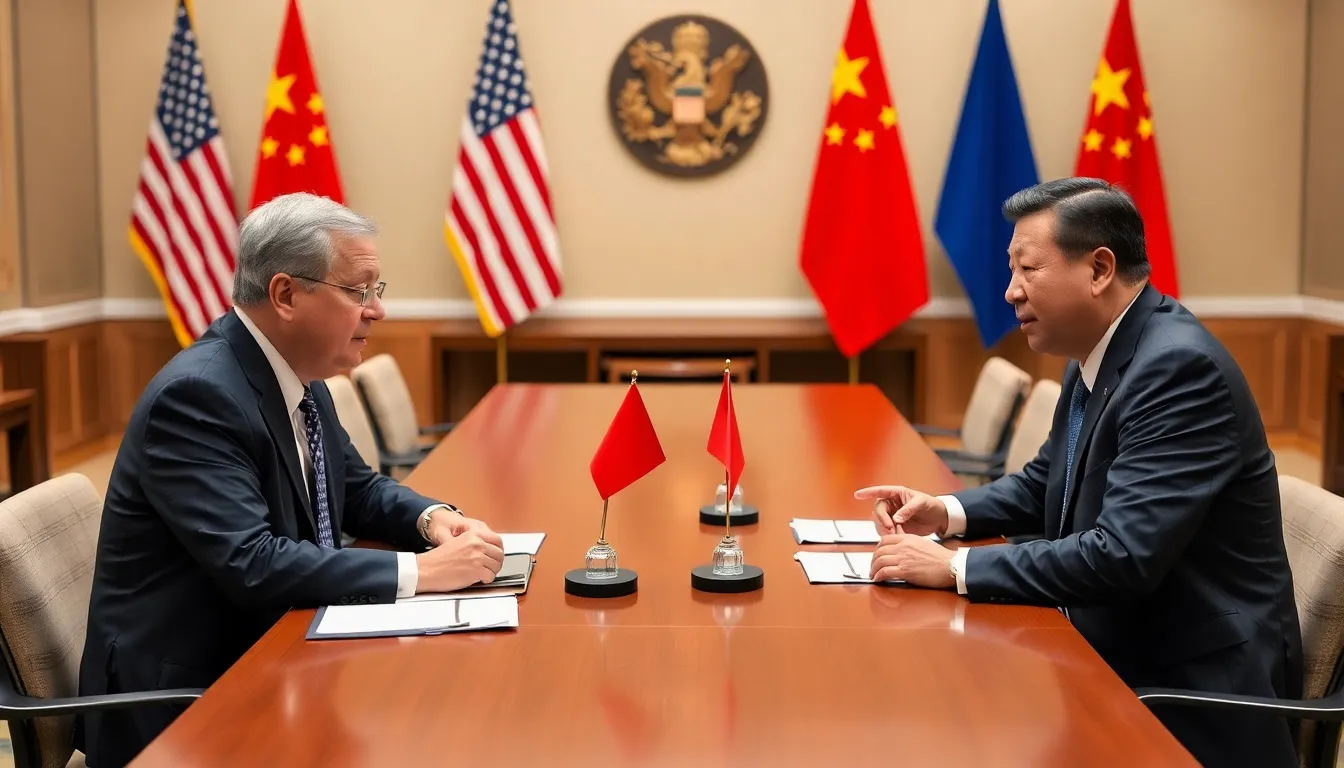
The historical context of US-China dynamics over the past decade
Over the past decade, the relationship between the United States and China has evolved dramatically, influenced by a complex interplay of political, economic, and social factors. In 2013, President Barack Obama announced the “Pivot to Asia,” a strategic shift aimed at strengthening U.S. ties with Asian nations, while also addressing the rising influence of China. This marked a significant moment in U.S.-China relations, as it signaled a growing recognition of China’s economic power and its potential to challenge U.S. dominance in the region.
As China continued to expand its global influence, the U.S. began to view its rise with increasing skepticism. The implementation of the Belt and Road Initiative in 2013, which aimed to enhance China’s trade and investment ties across Asia, Europe, and beyond, further fueled concerns in Washington. The initiative was perceived not just as an economic strategy, but also as a means for China to assert its geopolitical influence and reshape global trade routes.
The dynamics shifted significantly during the Trump administration, which adopted a more confrontational approach towards China. The U.S. initiated a trade war in 2018, imposing tariffs on hundreds of billions of dollars’ worth of Chinese goods, aiming to address trade imbalances and intellectual property theft. This period marked a turning point, as both nations engaged in a tit-for-tat escalation that impacted global markets and strained diplomatic relations.
Key milestones in US-China relations
Several key milestones have defined U.S.-China relations over the last decade. The 2015 U.S.-China Climate Agreement showcased a moment of cooperation, yet this was overshadowed by the subsequent deterioration in ties. The 2019 protests in Hong Kong and the COVID-19 pandemic further exacerbated tensions, as the U.S. criticized China’s handling of the outbreak and its actions in Hong Kong. As we look towards a decade since Trump’s initial presidency, the context of a more assertive China under Xi Jinping presents new challenges for U.S. foreign policy and global stability.
Key stakeholders and their interests in the evolving landscape
The geopolitical landscape has shifted significantly over the past decade, particularly with the rise of China as a formidable global power. As former President Donald Trump returns to the political arena, various stakeholders are positioned with distinct interests that shape the discourse surrounding U.S.-China relations, reflecting the broader themes of global influence seen in recent events such as the expansion of U.S.-China rivalry.
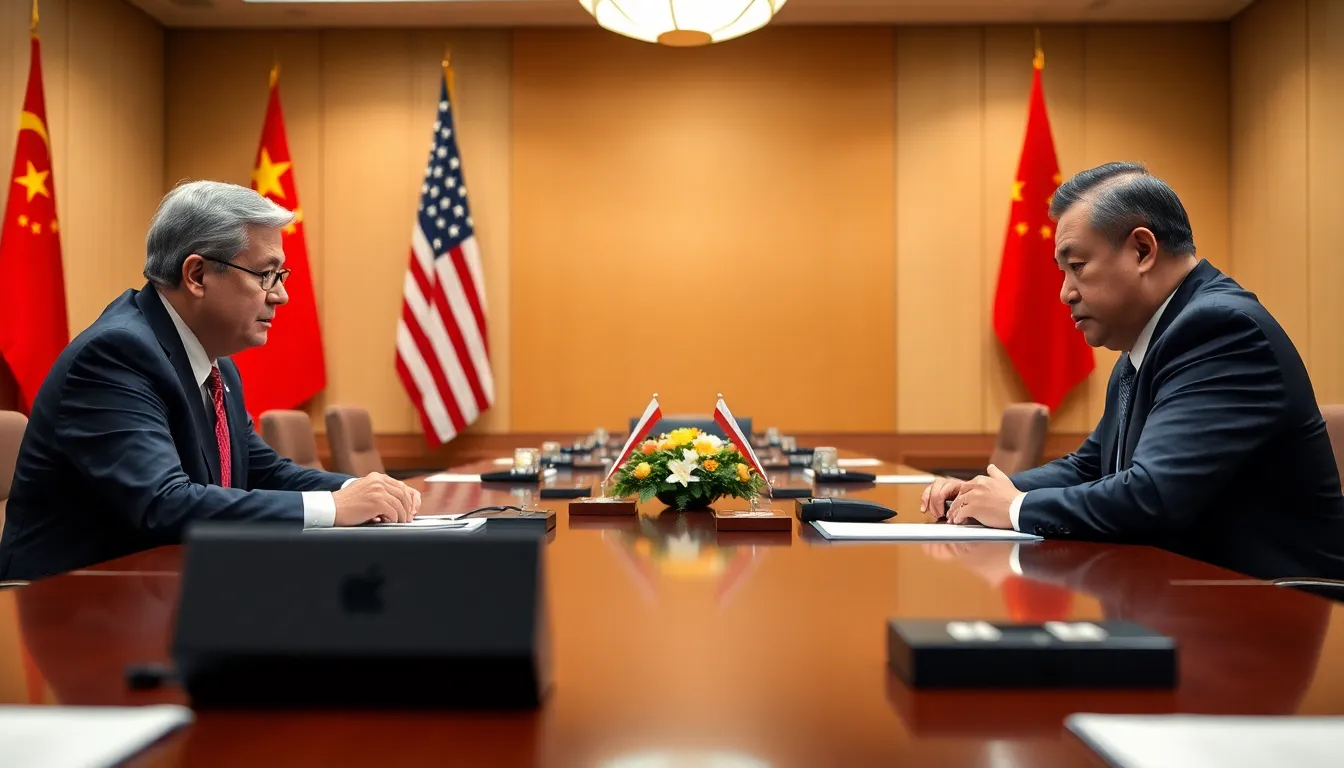
One of the primary stakeholders is the United States government, which seeks to maintain its global leadership while addressing concerns regarding China’s economic practices and military assertiveness. The Biden administration has emphasized the importance of a united front with allies to counterbalance China’s influence, particularly in trade and technology.
China, under President Xi Jinping, aims to solidify its status as a global leader through initiatives such as the Belt and Road Initiative, which seeks to expand its economic reach. This ambition often leads to tensions with the U.S., especially concerning issues like intellectual property theft, trade imbalances, and human rights practices.
- U.S. Corporations: Many American businesses have vested interests in China, seeking access to its vast market while navigating the complexities of trade tariffs and regulatory challenges.
- International Alliances: Countries in the Asia-Pacific region are closely monitoring U.S.-China relations, weighing their own economic ties with China against security commitments to the U.S.
- Global Organizations: Entities such as the World Trade Organization (WTO) face challenges in mediating disputes between the two powers, particularly regarding trade practices and tariffs.
As these stakeholders interact, conflicts and trade-offs emerge. The U.S. may prioritize national security over economic interests, impacting its corporate stakeholders. Conversely, China’s aggressive foreign policy could lead to increased resistance from neighboring countries, further complicating diplomatic relations.
The implications for global markets and international relations
The resurgence of a stronger and more assertive China under Trump’s influence has significant implications for various groups, industries, and regions worldwide. Key stakeholders include multinational corporations, local businesses, and governments that navigate the complexities of international trade and diplomacy.
In the short term, industries such as technology, manufacturing, and agriculture may experience volatility as trade policies shift and tariffs are re-evaluated. Companies reliant on Chinese supply chains could face disruptions, impacting their production timelines and costs. Conversely, sectors that can adapt quickly to new trade agreements may find opportunities for growth.
Regions heavily dependent on exports to China, such as Southeast Asia and parts of Europe, may see immediate economic impacts. For instance, countries like Vietnam and Malaysia could benefit from companies seeking alternatives to Chinese manufacturing, potentially boosting their economies. However, this shift may also lead to increased competition and pressure on local industries.
- Short-term risks: Increased trade tensions may lead to market instability.
- Mid-term opportunities: Emerging markets could attract foreign investment as companies diversify their supply chains.
- Policy shifts: Governments may need to reassess their foreign policies and trade agreements to adapt to the new landscape.
As the international community reacts to these developments, the balance of power in global markets may shift, prompting both challenges and opportunities for businesses and policymakers alike. The ability to navigate these changes will be crucial for maintaining competitive advantage and ensuring economic stability in the coming years.
A: Over the past decade, China has adopted a more assertive foreign policy, expanding its influence through initiatives like the Belt and Road Initiative and asserting claims in the South China Sea. A: Trump’s return could lead to a shift in US foreign policy, potentially increasing tensions or fostering negotiations depending on his administration’s objectives. A: A stronger China may lead to increased competition for US businesses, impacting trade balances and global supply chains, while also presenting opportunities for collaboration in certain sectors. A: Yes, China’s assertiveness poses risks of geopolitical conflicts, trade disputes, and challenges to international norms, which could destabilize regions and affect global markets. A: Other countries are closely monitoring the evolving US-China dynamics, with some seeking to strengthen alliances with the US, while others are engaging more with China to balance their interests.
Frequently asked questions about Trump’s return and China
Key takeaways and future outlook on US-China relations
The shifting dynamics between the United States and China, particularly in the context of Donald Trump’s return to the political arena, signal a pivotal moment in international relations. As China asserts itself more confidently on the global stage, the U.S. must navigate a complex landscape characterized by competition, collaboration, and the potential for conflict. Observers should pay close attention to how these developments might reshape trade, security, and diplomatic strategies between the two nations.
In the coming years, the interplay between domestic political agendas and international ambitions will be critical. The implications of a more assertive China will extend beyond bilateral relations, influencing global economic patterns and geopolitical alliances. Stakeholders should remain vigilant as these changes unfold, particularly in areas such as technology, military presence, and climate cooperation.
- Monitor shifts in trade policies that could impact supply chains and market access between the U.S. and China.
- Watch for developments in military engagements and defense strategies in the Asia-Pacific region.
- Pay attention to the influence of public opinion in both countries, as it may affect diplomatic negotiations.
- Consider the role of third-party nations and their alliances, which could alter the balance of power.
- Evaluate how climate change initiatives may serve as a potential area for cooperation or contention.