
Notably, in August 2023, China launched a satellite for Argentina, which was seen as a significant step in strengthening bilateral ties. This event raised alarms in Washington, as it underscores China’s growing technological footprint in a region that has traditionally been within the U.S. sphere of influence. For more insights on international relations, check out Trump’s Unexpected Support for Psychedelics.
In response, the U.S. has ramped up its diplomatic efforts, including high-level visits to countries like Brazil and Colombia. These efforts aim to reassure South American leaders of America’s commitment to regional security and development, highlighting the potential risks associated with reliance on Chinese technology.
The situation is further complicated by the geopolitical implications of these developments, as both superpowers vie for influence over critical resources and strategic partnerships. As the rivalry unfolds, the stakes for South American nations become increasingly pronounced, as they navigate their relationships with both global powers.
Historical context of U.S.-China relations and their impact on South America
The rivalry between the United States and China has deep historical roots, dating back to the late 20th century when China began its economic reforms under Deng Xiaoping. As China opened its markets, it rapidly transformed into a global economic powerhouse, prompting the U.S. to recalibrate its foreign policy to address this emerging competitor. This shift has had profound implications not only for Asia but also for regions such as South America, where both nations have sought to expand their influence.
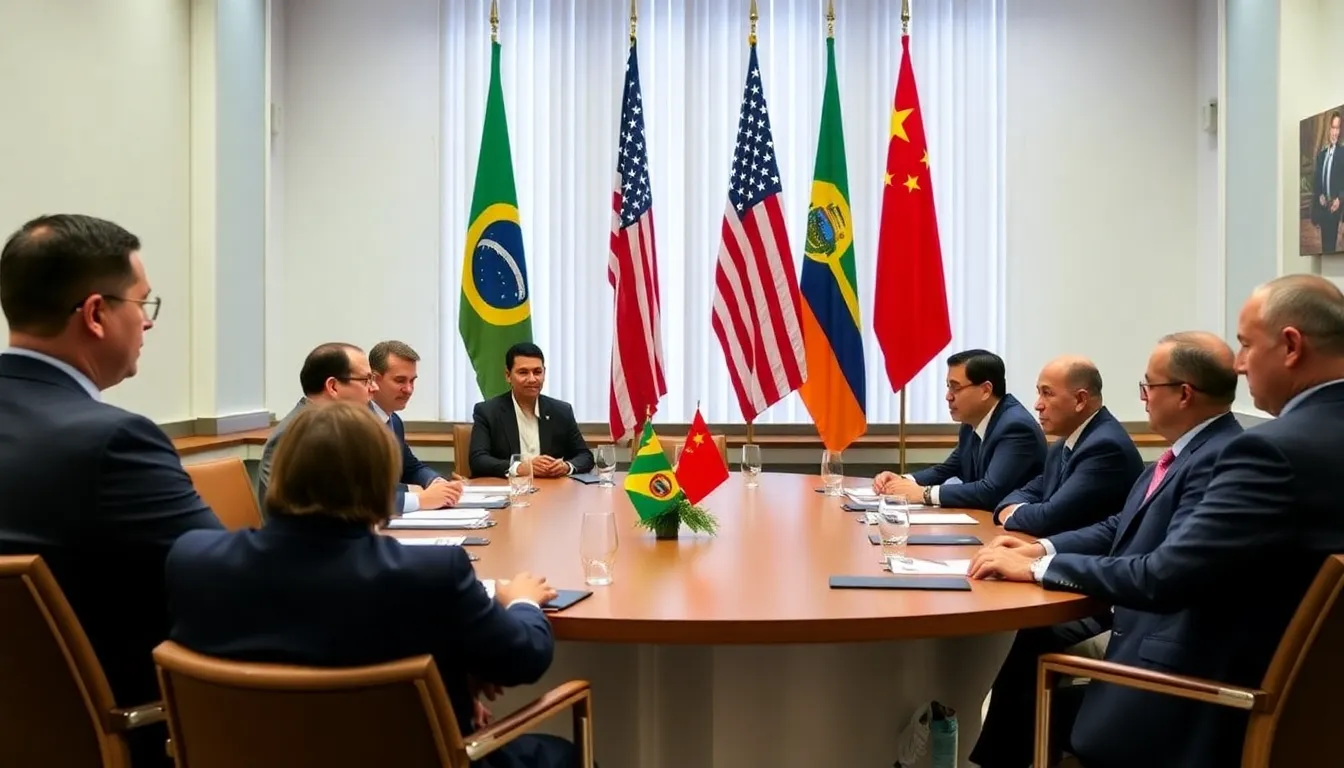
Throughout the 21st century, U.S.-China relations have been characterized by a complex interplay of cooperation and competition. The U.S. has traditionally maintained strong ties with South American countries, often promoting democracy and free-market policies. In contrast, China has focused on building economic partnerships through investments and trade, offering an alternative model that appeals to many South American nations seeking to diversify their economic relationships.
Key milestones in this geopolitical contest include China’s Belt and Road Initiative, which has seen significant investments in infrastructure across South America. This initiative aims to enhance connectivity and trade but has also raised concerns in Washington about China’s growing influence in the region. The U.S. has responded by increasing its diplomatic engagement and economic assistance to counterbalance China’s initiatives, leading to a heightened rivalry in South American skies. To learn more about technological impacts on economies, visit Cape Verde embraces technology to combat brain drain.
The role of technology and military presence
As the technological race between the U.S. and China intensifies, South America has become a focal point for both nations to showcase their advancements in aerospace and telecommunications. The U.S. has historically dominated the aerospace sector, but China’s advancements in satellite technology and telecommunications infrastructure have sparked a race for dominance in the region. This competition not only affects economic ties but also raises security concerns, as both nations seek to establish a foothold in the strategic South American market.
Key stakeholders and their interests in the South American region
The U.S.-China rivalry has extended its reach into South America, with both nations vying for influence in a region rich in resources and strategic positioning. The main actors in this dynamic include the governments of the United States and China, South American nations, multinational corporations, and regional organizations. Each stakeholder has distinct interests that shape their engagement in the region.
The United States aims to counter China’s growing presence, which it views as a threat to its traditional influence. This includes fostering economic partnerships, promoting democratic governance, and ensuring that trade routes remain open and secure. The U.S. government is particularly concerned about China’s investments in critical infrastructure, such as telecommunications and energy projects, which could have long-term implications for regional security.
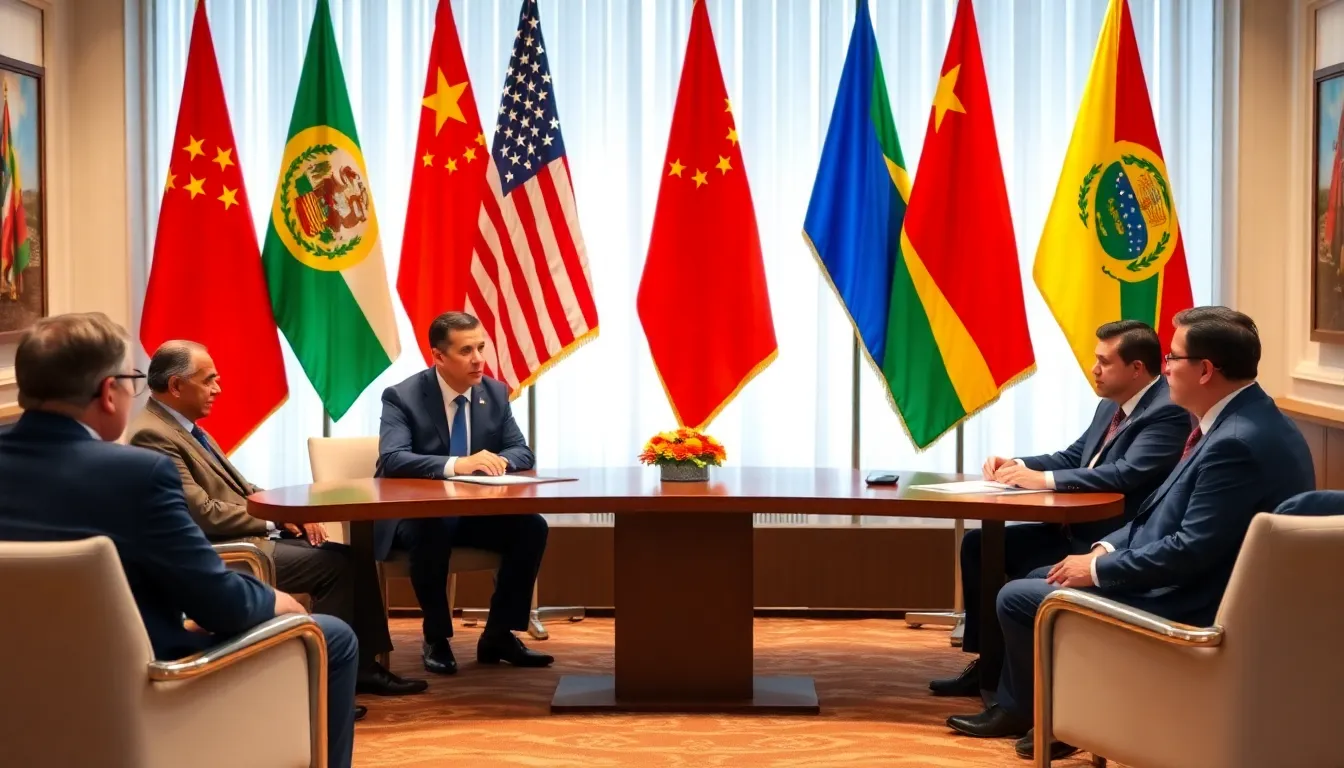
On the other hand, China seeks to expand its economic footprint through initiatives such as the Belt and Road Initiative (BRI), which aims to enhance connectivity and trade across Asia and beyond. In South America, China is investing heavily in infrastructure, mining, and agriculture, positioning itself as a key partner for countries looking to develop their economies. This investment not only secures resources for China but also strengthens its geopolitical influence. For an interesting case on innovation, check out Dua Lipa sues Samsung for $15 million over unauthorized use of her image.
- Resource Access: Both nations are interested in South America’s vast natural resources, including lithium, copper, and oil, which are crucial for technology and energy sectors.
- Trade Agreements: The U.S. and China are both negotiating trade deals with South American countries to secure favorable terms and enhance economic ties.
- Geopolitical Influence: The rivalry extends to gaining political alliances, with countries like Brazil, Argentina, and Chile being key players in this strategic competition.
- Technology and Security: Concerns over cybersecurity and the integrity of technology infrastructure are significant, as both nations seek to establish a foothold in the telecommunications sector.
Additionally, regional organizations such as the Union of South American Nations (UNASUR) and the Community of Latin American and Caribbean States (CELAC) play a role in mediating these interests. Their ability to foster cooperation or exacerbate tensions will significantly influence the outcomes of U.S.-China interactions in the region. Understanding these dynamics is essential for comprehending the broader implications of the rivalry on South American nations and their development trajectories.
How the rivalry affects local economies and political landscapes
The escalating U.S.-China rivalry has significant repercussions for South American countries, impacting various groups and industries. Governments, businesses, and local communities are all navigating the complexities of increased geopolitical tensions, which can reshape trade dynamics and foreign investments.
In the short term, industries such as agriculture, mining, and technology may experience fluctuating demand as U.S. and Chinese companies vie for influence in the region. South American exporters could see opportunities for increased trade with one superpower while facing potential sanctions or trade barriers from the other. This tug-of-war can create uncertainty in market conditions, affecting local economies and employment rates.
Mid-term impacts may include shifts in policy as governments reassess their foreign relations strategies. Countries like Brazil and Argentina may find themselves caught in the crossfire, needing to balance their economic ties with both nations. This could lead to new trade agreements or partnerships, but also risks of diplomatic fallout if one side perceives favoritism.
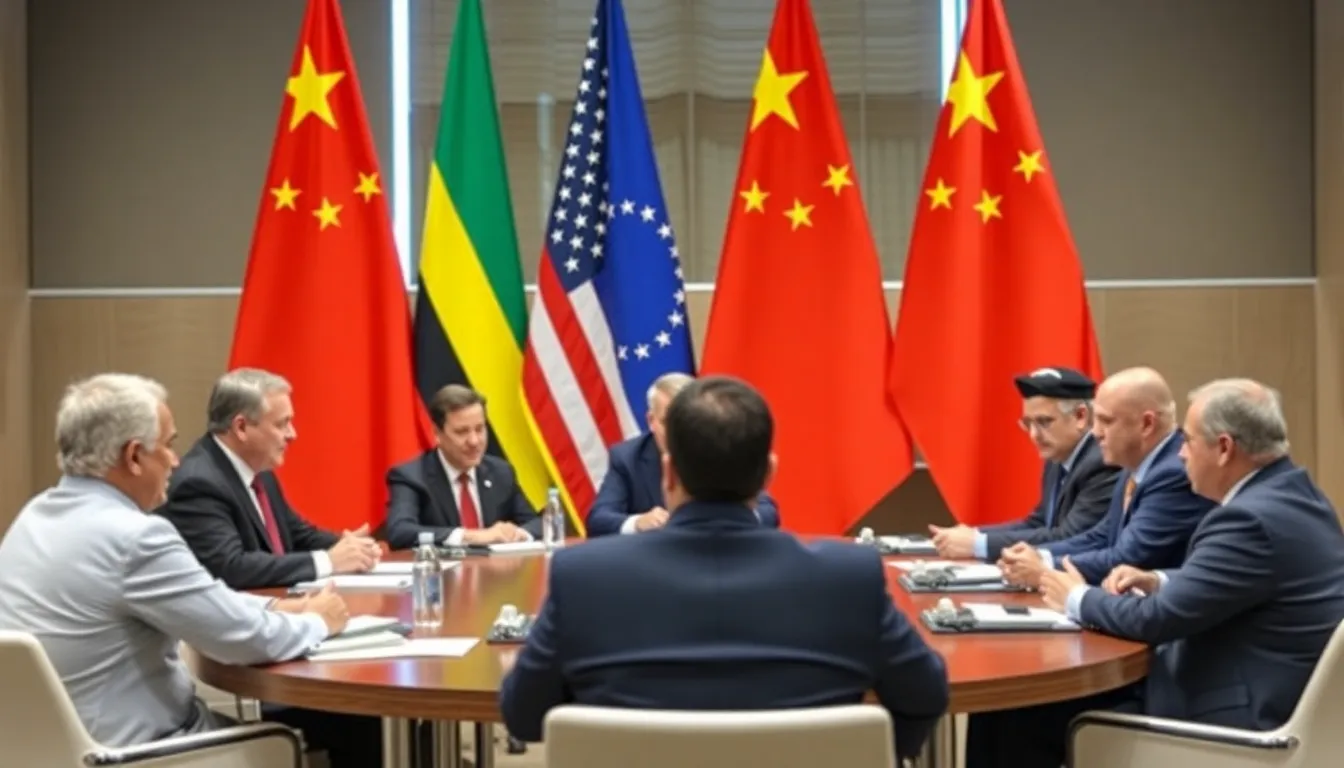
- Economic Opportunities: Increased foreign investments in infrastructure and technology sectors.
- Trade Risks: Potential tariffs or trade restrictions impacting local exporters.
- Political Tensions: Heightened diplomatic challenges as nations navigate their alliances.
Local communities may also feel the effects through changes in job availability and cost of living. As businesses adapt to the shifting landscape, workers may face instability or new opportunities depending on the industry’s alignment with either the U.S. or China. Overall, the rivalry poses both risks and opportunities that will shape the future of South American economies and their political landscapes.
A: The rivalry is driven by competition for resources, trade agreements, and influence over local governments. Both nations seek to expand their economic and political reach in the region. A: South American countries are experiencing shifts in trade partnerships and investment flows. This can lead to economic benefits but also to increased political pressure from both superpowers. A: Countries like Brazil, Argentina, and Chile are significantly impacted due to their strategic resources and trade relationships with both the U.S. and China. A: The risks include becoming pawns in a larger geopolitical game, which could lead to economic instability and a lack of autonomy in decision-making. A: By diversifying their trade partners and fostering regional cooperation, South American countries can better manage the pressures from both the U.S. and China.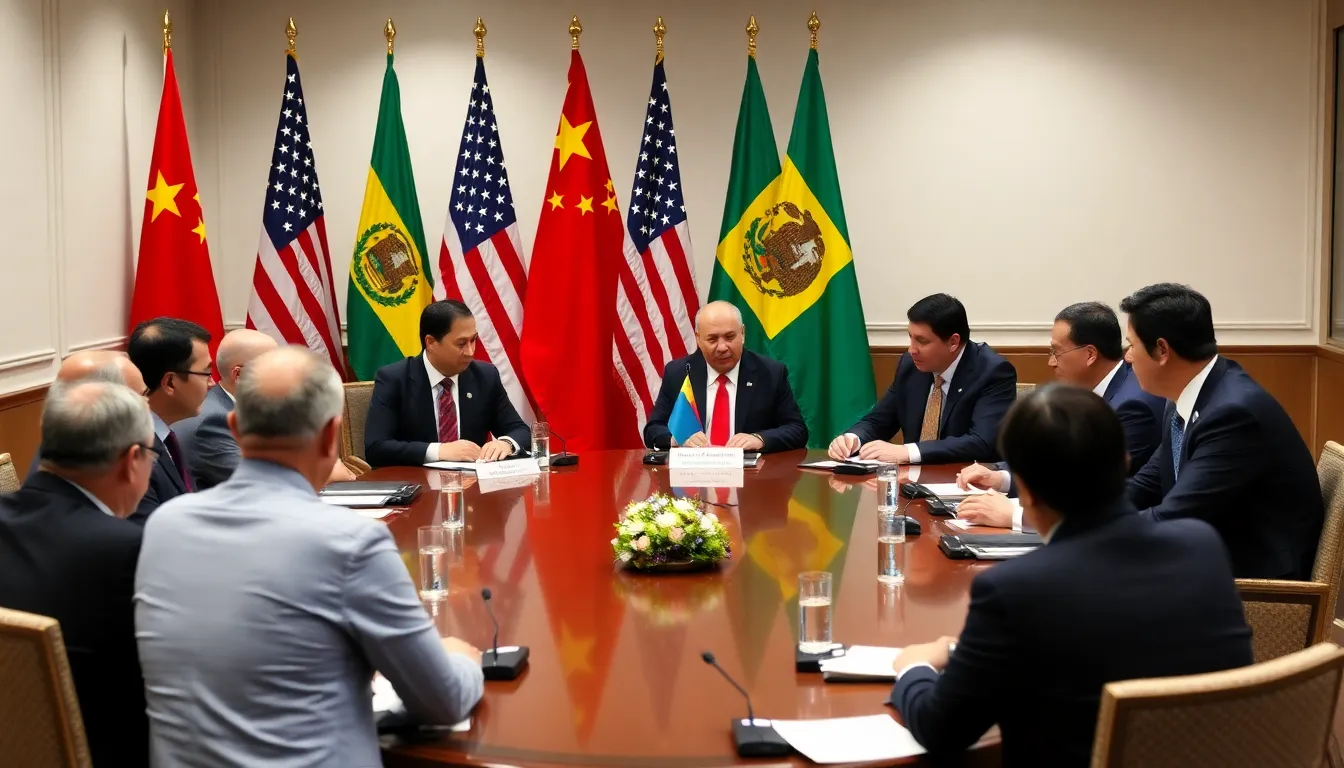
Frequently asked questions about the U.S.-China rivalry in South America
Future implications of the U.S.-China rivalry in South America
The increasing competition between the U.S. and China in South America, particularly in the realm of aerospace and technology, presents a complex landscape for regional nations. As both powers vie for influence, the implications extend beyond bilateral relations, affecting economic strategies, security considerations, and technological advancements. Countries in the region must navigate this rivalry carefully, balancing partnerships while safeguarding their sovereignty and interests.
As the dynamics evolve, several scenarios may unfold, including shifts in trade patterns, increased military cooperation with external powers, and enhanced local technological capabilities. Observers should remain vigilant about how these developments will shape not only South America’s future but also its role in the broader global context.
- Watch for increased investments in infrastructure and technology from both the U.S. and China, which could reshape regional economies.
- Monitor the responses of South American governments as they seek to leverage this rivalry to their advantage, potentially leading to new alliances.
- Consider the implications for regional security and defense strategies as nations weigh their options between U.S. and Chinese partnerships.
- Observe the impact on local industries, particularly in aerospace and telecommunications, as competition drives innovation and development.