
Prosecutors presented evidence that Lee engaged in lobbying efforts on behalf of the Chinese government, including attempts to influence U.S. policymakers and public opinion. His actions were part of a broader strategy by China to extend its influence and gather intelligence within the United States, raising concerns about national security. For more insights into related topics, you can read about Trump’s claims about the economy.
The case has drawn attention to the increasing scrutiny of foreign influence operations in the U.S., particularly those linked to China. Law enforcement officials have emphasized the importance of transparency in foreign lobbying to protect democratic processes and maintain national integrity.
Lee’s conviction highlights the legal repercussions facing individuals who fail to comply with registration requirements under FARA. As tensions between the U.S. and China continue to escalate, this case serves as a reminder of the ongoing challenges in addressing foreign interference in American affairs.
Understanding the implications of unregistered foreign agents
The issue of unregistered foreign agents has gained significant attention in recent years, particularly in the context of rising geopolitical tensions. In the United States, the Foreign Agents Registration Act (FARA) requires individuals and entities acting on behalf of foreign governments or political entities to register with the Department of Justice. This law aims to ensure transparency and accountability in foreign influence over American political processes and public opinion.
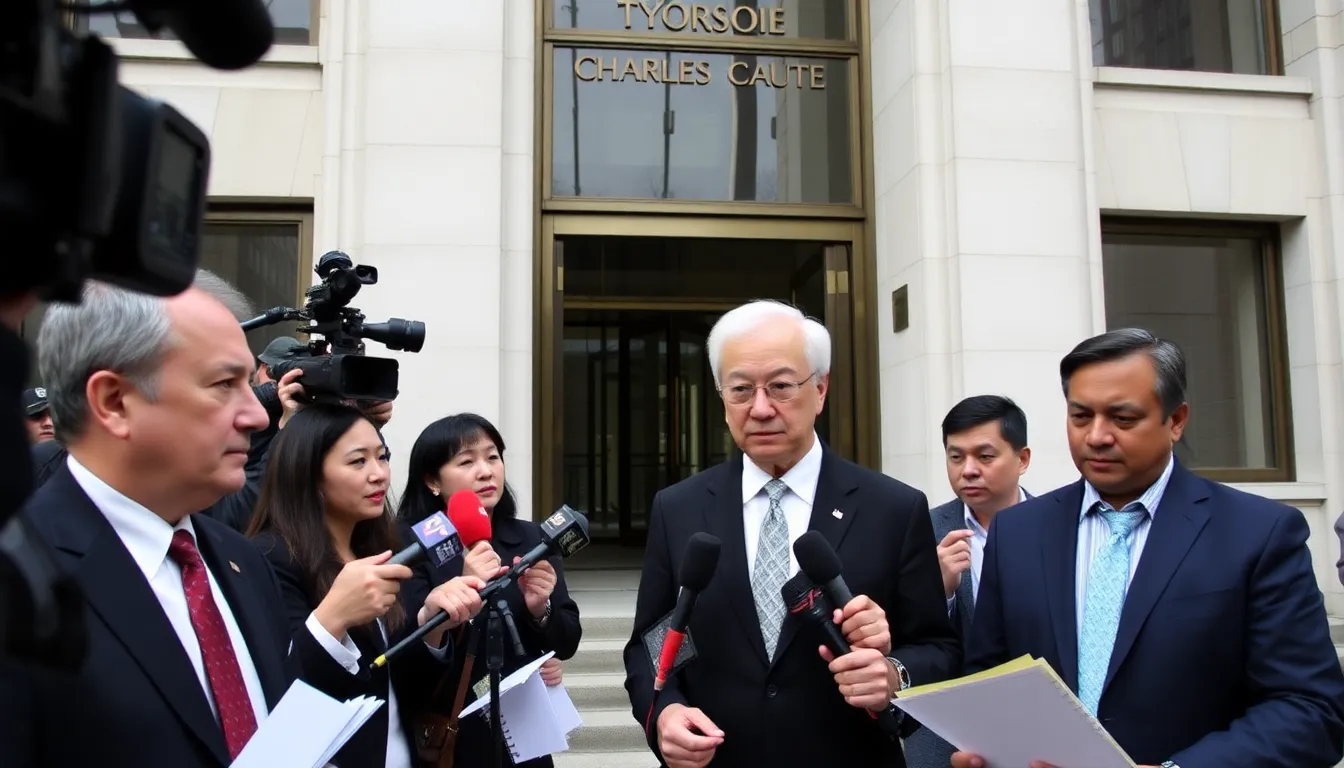
The case of a New York man found guilty of acting as an unregistered agent of China underscores the complexities surrounding foreign influence in U.S. affairs. This incident is not an isolated event but rather part of a broader pattern of increasing scrutiny on foreign lobbying and espionage activities. Similar themes can be found in discussions regarding Big Mistakes and its exploration of contemporary issues.
The Historical Context of Foreign Influence
Historically, the United States has faced challenges related to foreign influence dating back to the early 20th century. The Red Scare and subsequent investigations into communist infiltration highlighted the need for regulations governing foreign agents. Over the decades, various administrations have grappled with the implications of foreign lobbying, particularly as global power dynamics have evolved. The rise of China as a global superpower has prompted renewed focus on its influence operations within the U.S., leading to stricter enforcement of FARA and similar regulations.
Key milestones in this ongoing struggle include high-profile cases that have revealed the extent of foreign lobbying efforts. The indictment of individuals linked to Russian interference in the 2016 presidential election and ongoing investigations into Chinese influence operations have raised alarms about national security and the integrity of democratic institutions. These events have catalyzed legislative efforts to strengthen oversight of foreign agents and enhance penalties for non-compliance.
As the United States continues to navigate its relationship with China, the implications of unregistered foreign agents remain a critical area of concern. The guilty verdict in this recent case serves as a reminder of the challenges faced by policymakers in balancing national security interests with the principles of free speech and open dialogue. Understanding the historical and political context of these issues is essential for grasping the broader implications for U.S. foreign policy and domestic governance.
Examining the stakeholders involved in this case
The recent conviction of a New York man for acting as an unregistered agent of the Chinese government highlights a complex web of stakeholders with varying interests. At the center of this case is the individual defendant, who is accused of facilitating communications and influence operations on behalf of China. For a different perspective on legal matters, check out the Inside of the Elon Musk-OpenAI Trial Courtroom.
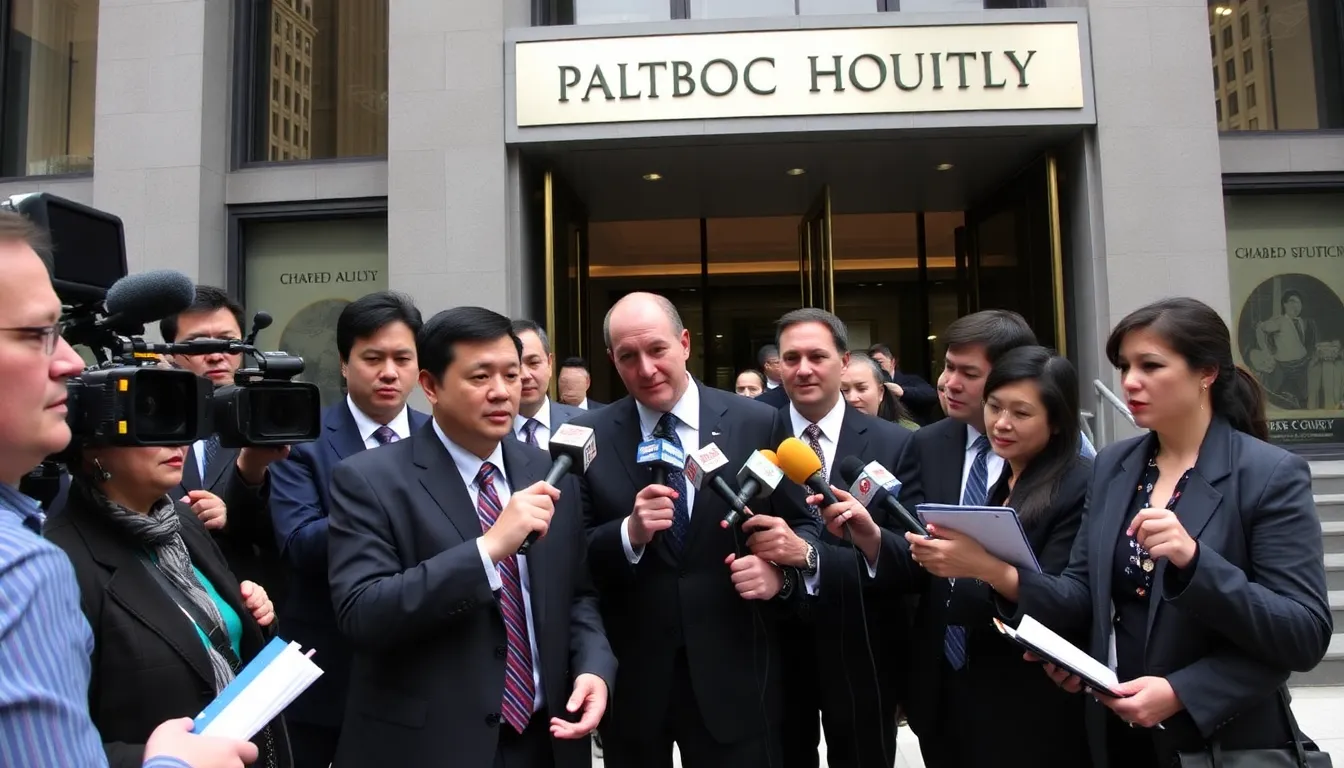
Another key stakeholder is the U.S. government, which has a vested interest in national security and the integrity of its political system. The Department of Justice (DOJ) and other federal agencies are focused on enforcing laws that regulate foreign influence in domestic affairs. This case underscores the ongoing tension between national security concerns and the rights of individuals to engage in political advocacy.
China also plays a significant role as a stakeholder in this case. The Chinese government may seek to defend its actions and assert that such influence operations are a legitimate form of diplomacy. This situation could exacerbate existing tensions between the U.S. and China, particularly in the realm of espionage and international relations.
- Legal Implications: The case raises questions about the interpretation of laws governing foreign agents and the potential for stricter enforcement.
- Economic Considerations: The outcome may affect trade relations and economic policies between the U.S. and China.
- Public Perception: This case could influence how the American public views foreign influence and lobbying efforts.
- Political Landscape: The conviction may impact political campaigns and the dynamics of U.S.-China relations.
Ultimately, the intersection of these stakeholders and their interests reveals a broader narrative about the challenges of regulating foreign influence in a democratic society. As the legal proceedings unfold, the implications for both domestic and international politics will continue to evolve.
The potential repercussions for U.S.-China relations
The recent conviction of a New York man for acting as an unregistered agent of China highlights the ongoing tensions between the United States and China. This case may have significant implications for various groups, including businesses engaged in international trade, policymakers, and individuals with ties to China. The fallout from this conviction could reshape the landscape of U.S.-China relations, impacting numerous sectors and communities.
In the short term, businesses that rely on partnerships or trade with China may experience increased scrutiny from U.S. authorities. This heightened vigilance could lead to delays in trade negotiations and complications in existing contracts. Companies in technology, manufacturing, and finance are particularly vulnerable, as they often navigate complex regulatory environments and may face additional compliance costs.
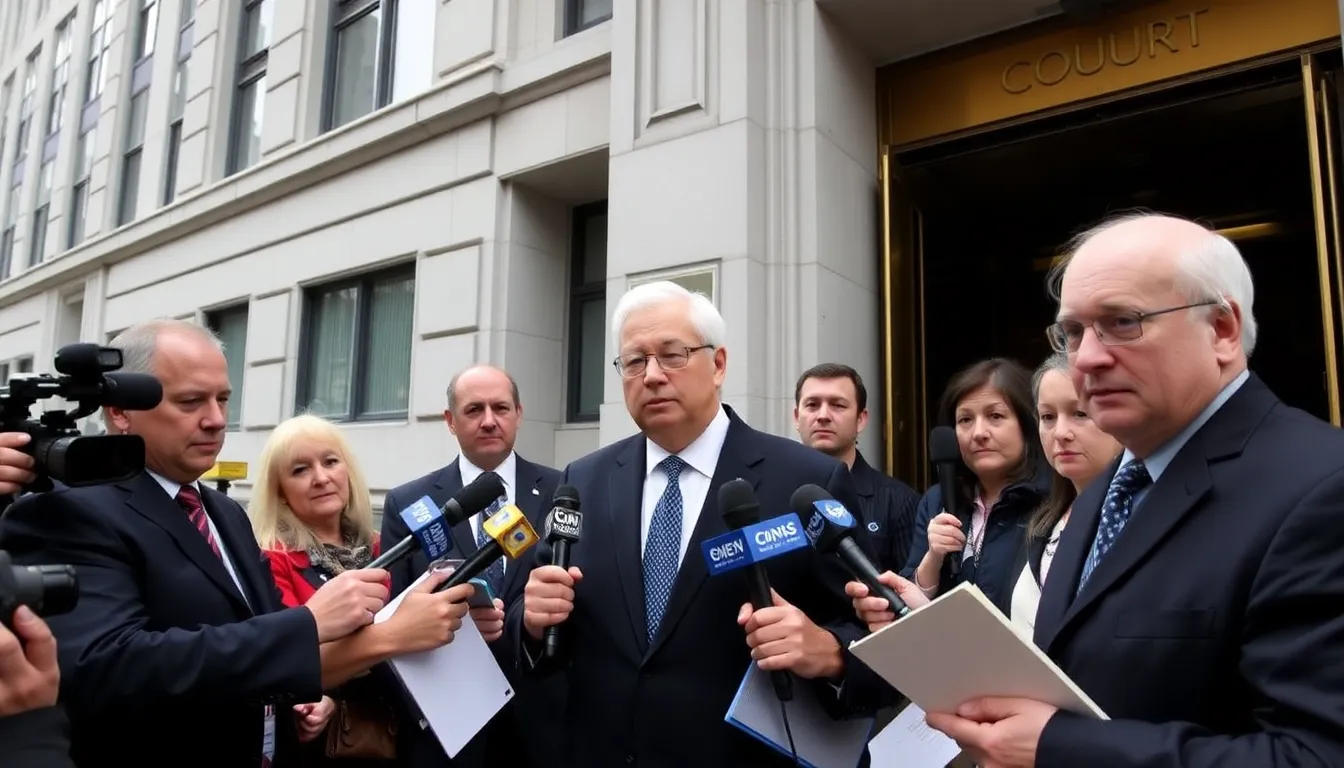
Moreover, the legal ramifications of this case could prompt policymakers to reconsider existing frameworks governing foreign influence in the U.S. This may result in stricter regulations and enforcement actions against foreign agents, creating a ripple effect across various industries. As a result, organizations may need to invest in compliance measures and legal counsel to navigate the evolving landscape.
- Increased regulatory scrutiny: Companies may face more rigorous checks on foreign partnerships.
- Potential market volatility: Stocks related to U.S.-China trade could experience fluctuations.
- Shifts in public perception: Growing skepticism towards foreign investments could impact consumer behavior.
In the mid-term, the implications of this case may extend beyond immediate business concerns. Communities with significant Chinese populations may experience social tension as nationalistic sentiments rise. This could lead to a chilling effect on cultural exchanges and collaborations, adversely affecting educational institutions and non-profit organizations that promote U.S.-China relations.
On the flip side, there may be opportunities for businesses that focus on compliance and security solutions, as companies look to mitigate risks associated with foreign influence. Additionally, sectors that promote domestic manufacturing and innovation could see a boost as U.S. companies seek to reduce reliance on foreign entities. Overall, while the conviction poses challenges, it also opens avenues for growth in certain markets.
A: An unregistered agent is someone who acts on behalf of a foreign government or entity without registering with the appropriate authorities. This can lead to legal consequences as it undermines transparency in foreign relations. A: Penalties can include fines and imprisonment, depending on the severity of the offense and the specific circumstances surrounding the case. A: This case may exacerbate tensions between the U.S. and China, as it highlights concerns over espionage and foreign influence in American affairs. A: Evidence included communications and financial records that linked the defendant to activities supporting the Chinese government without proper registration. A: Yes, there have been other cases involving individuals acting as unregistered agents for various foreign governments, which have raised alarms about national security.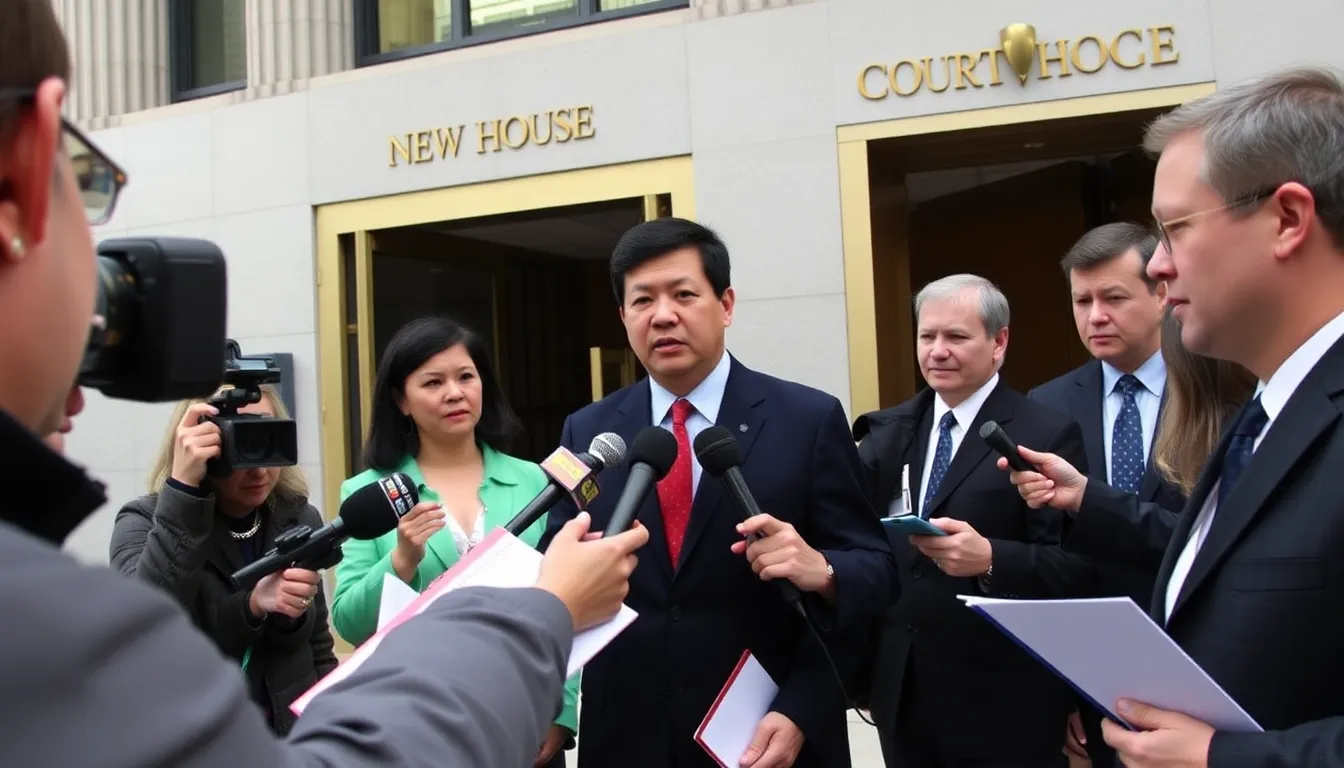
Frequently asked questions about the case
Key takeaways and future implications of the verdict
The conviction of a New York man for acting as an unregistered agent of China highlights the increasing scrutiny surrounding foreign influence in U.S. affairs. This case serves as a reminder of the legal and ethical boundaries that individuals must navigate when engaging with foreign governments. As geopolitical tensions rise, similar cases may emerge, prompting a reevaluation of how foreign lobbying is conducted and regulated.
Looking ahead, it is essential to monitor how this verdict influences both public perception and legislative actions regarding foreign agents. The implications extend beyond legal ramifications, potentially affecting diplomatic relations and economic interactions between the U.S. and China.
- Increased enforcement of foreign agent registration laws may lead to more investigations and prosecutions.
- Organizations and individuals engaging with foreign entities should reassess their compliance with U.S. regulations to avoid legal repercussions.
- This case may inspire greater public awareness and scrutiny of foreign influence in domestic politics.
- Diplomatic relations could be further strained as both nations respond to perceived threats from the other.
- Future legislative proposals may emerge aimed at tightening regulations surrounding foreign lobbying and influence activities.