
The escalation in wholesale prices is particularly significant as it reflects the broader economic impact of the war in Eastern Europe, which has disrupted trade routes and affected commodity supplies globally. Key sectors affected include energy and food, where prices have seen dramatic fluctuations, leading to increased operational costs for businesses and potential price hikes for consumers in the coming months. Understanding the implications of these economic shifts is crucial.
Industry analysts are monitoring these developments closely, as sustained increases in wholesale prices can lead to higher consumer prices, further fueling inflation. The Federal Reserve has indicated that it will continue to assess these trends as part of its monetary policy strategy, raising questions about potential interest rate adjustments in response to rising inflationary pressures.
As the situation evolves, businesses and consumers alike are bracing for the potential long-term effects of these price increases. With uncertainties surrounding the conflict and its economic ramifications, stakeholders are urged to remain vigilant and adaptable in their planning and operations.
Understanding the background of rising wholesale prices
In April, wholesale prices surged, reflecting the ongoing economic disruptions caused by the war in Ukraine. This conflict has not only impacted the countries directly involved but has also had far-reaching consequences on global supply chains, energy prices, and food security. Understanding the historical context of these economic ripples is essential to grasp the current situation, as discussed in the U.S.-China Rivalry Expands into South America.

The roots of the current economic turmoil can be traced back to the early days of the pandemic, which already strained supply chains and led to inflationary pressures. As countries began to recover, the war exacerbated these issues, leading to a perfect storm of rising demand and constrained supply. The conflict has resulted in sanctions and trade restrictions, particularly affecting energy exports from Russia and agricultural products from Ukraine, both of which are crucial to global markets.
Key milestones in this situation include the imposition of sanctions on Russian oil and gas exports, which have driven up energy prices worldwide. Additionally, the disruption of grain exports from Ukraine has led to increased prices for staple foods, further contributing to inflation. The ripple effects of these events have been felt in various sectors, leading to higher wholesale prices for a range of goods, from raw materials to finished products.
The Impact of Inflationary Pressures
Inflation has been a persistent issue in many economies, with central banks struggling to balance growth and price stability. The rising wholesale prices in April are a reflection of these inflationary pressures, influenced by both the war and the lingering effects of the pandemic. As businesses face higher costs, they often pass these expenses onto consumers, creating a cycle that can further entrench inflation and economic uncertainty.
Key stakeholders and issues surrounding the price surge
The recent increase in wholesale prices has drawn attention from various stakeholders, each with distinct interests and concerns. Key actors include government entities, businesses, consumers, and international organizations. Their responses to the price surge will shape the economic landscape in the coming months.
Governments are particularly concerned about inflationary pressures that can erode purchasing power and destabilize economies. Central banks may feel compelled to adjust monetary policies to counteract rising prices, which could lead to higher interest rates. This, in turn, affects borrowing costs for businesses and consumers alike.

Businesses, especially those in the manufacturing and retail sectors, face the challenge of balancing increased costs with consumer demand. Many companies may have to pass on price hikes to consumers, potentially leading to reduced sales and profit margins. The trade-off between maintaining profitability and keeping prices competitive will be critical for many firms.
Consumers are directly impacted by the price surge, as rising wholesale costs often lead to higher retail prices. This situation places a strain on household budgets, particularly for essential goods. The potential for decreased consumer spending could create a ripple effect, impacting economic growth. The implications of these changes can be likened to those observed in regions affected by other global issues, as shown in Trump’s Unexpected Support for Psychedelics.
- Government Responses: Potential policy adjustments to manage inflation.
- Business Strategies: Decisions on pricing and cost management.
- Consumer Behavior: Shifts in spending patterns due to price increases.
- Global Supply Chains: Ongoing disruptions affecting availability and costs.
- International Relations: Trade implications stemming from economic pressures.
The effects of rising wholesale prices on consumers and markets
The recent surge in wholesale prices has impacted various groups, industries, and regions, creating a ripple effect that can be felt across the economy. Consumers, particularly those in lower and middle-income brackets, are likely to face higher costs for everyday goods as businesses pass on these increased expenses. This situation is exacerbated in regions heavily reliant on imported goods, where price fluctuations can lead to significant economic strain.
Industries such as food production, manufacturing, and retail are among the hardest hit. For instance, food producers may struggle with rising costs for raw materials, leading to increased prices at grocery stores. Similarly, manufacturers relying on imported components may experience delays and higher expenses, which could result in a slowdown in production and a potential rise in unemployment in affected sectors.

In the short term, consumers may notice an immediate increase in prices for essential items, affecting their purchasing power and overall quality of life. Businesses may need to adjust their pricing strategies, leading to potential shifts in consumer behavior as people seek more affordable alternatives. In the mid-term, policymakers may be compelled to intervene, possibly through subsidies or price controls, to alleviate the burden on consumers and stabilize the market.
- Risks: Increased inflation rates, potential job losses in affected industries, and reduced consumer spending.
- Opportunities: Local businesses may thrive as consumers seek alternatives to higher-priced goods, and innovation in supply chain management could emerge as companies adapt to new market conditions.
Overall, the ramifications of rising wholesale prices extend beyond immediate financial impacts, influencing business strategies, consumer choices, and government policies in the face of ongoing economic challenges.
A: The rise in wholesale prices in April is primarily attributed to ongoing supply chain disruptions and increased costs of raw materials due to the war. A: Rising wholesale prices often lead to higher retail prices, which can strain consumer budgets and reduce purchasing power. A: Yes, industries reliant on imported goods, such as food and energy, are particularly impacted by the increase in wholesale prices. A: While it’s uncertain, many analysts predict that wholesale prices may remain elevated due to ongoing geopolitical tensions and supply chain issues. A: Businesses can consider adjusting their pricing strategies, optimizing supply chains, and finding alternative suppliers to mitigate the impact of rising costs.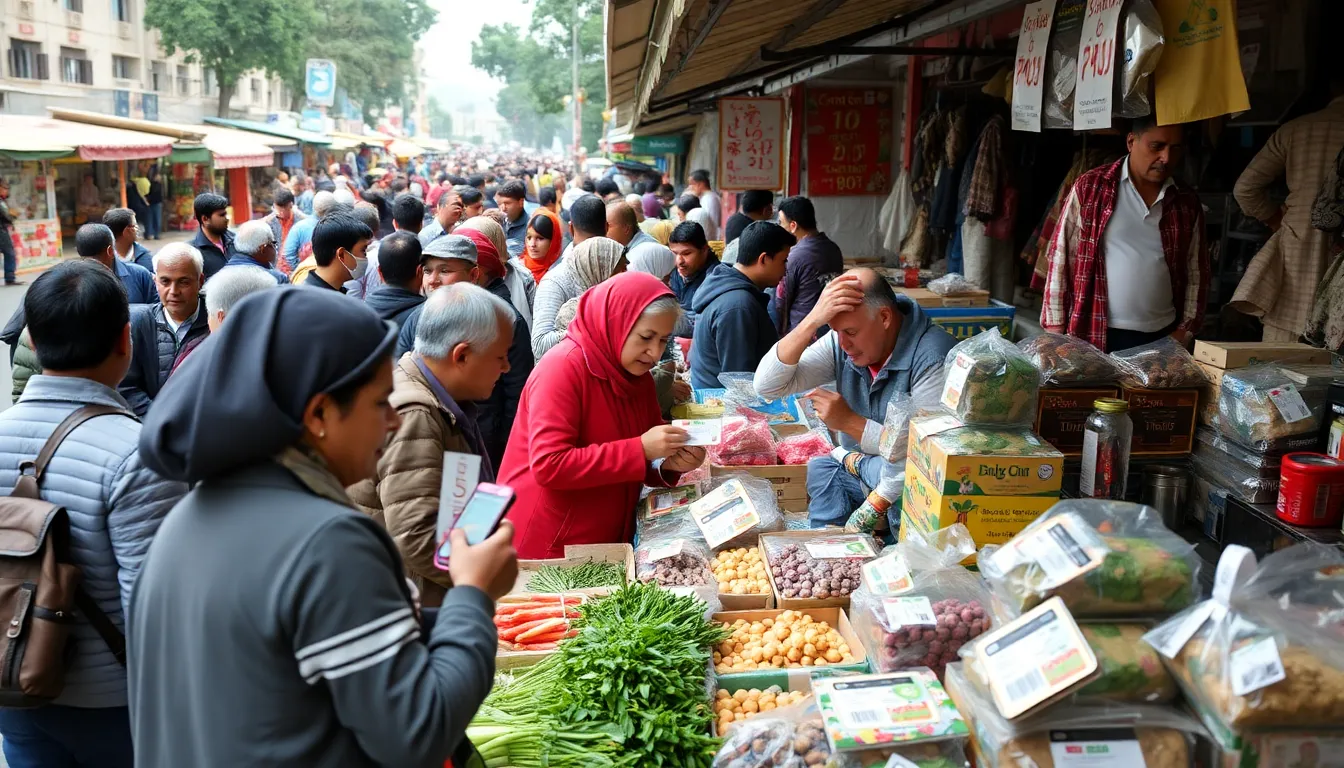
Frequently asked questions about wholesale price changes
Insights on future trends in wholesale pricing
The significant rise in wholesale prices observed in April signals potential ongoing shifts in the economic landscape, influenced by various global factors, including geopolitical tensions. Stakeholders across industries must remain vigilant as these price changes could have cascading effects on consumer goods, inflation rates, and overall economic stability.
As businesses and consumers navigate this evolving environment, understanding the implications of these price increases will be crucial for strategic planning and adaptation. Monitoring key indicators and market responses will provide valuable insights into future pricing trends and economic resilience.
- Watch for potential adjustments in consumer pricing as businesses pass on increased costs to maintain margins.
- Monitor supply chain disruptions that may exacerbate wholesale price volatility in the coming months.
- Consider the impact of fluctuating energy prices, which could further influence wholesale pricing dynamics.
- Stay informed about government policies or interventions aimed at stabilizing prices and their effectiveness.
- Evaluate the long-term trends in consumer behavior as inflationary pressures reshape spending patterns.