
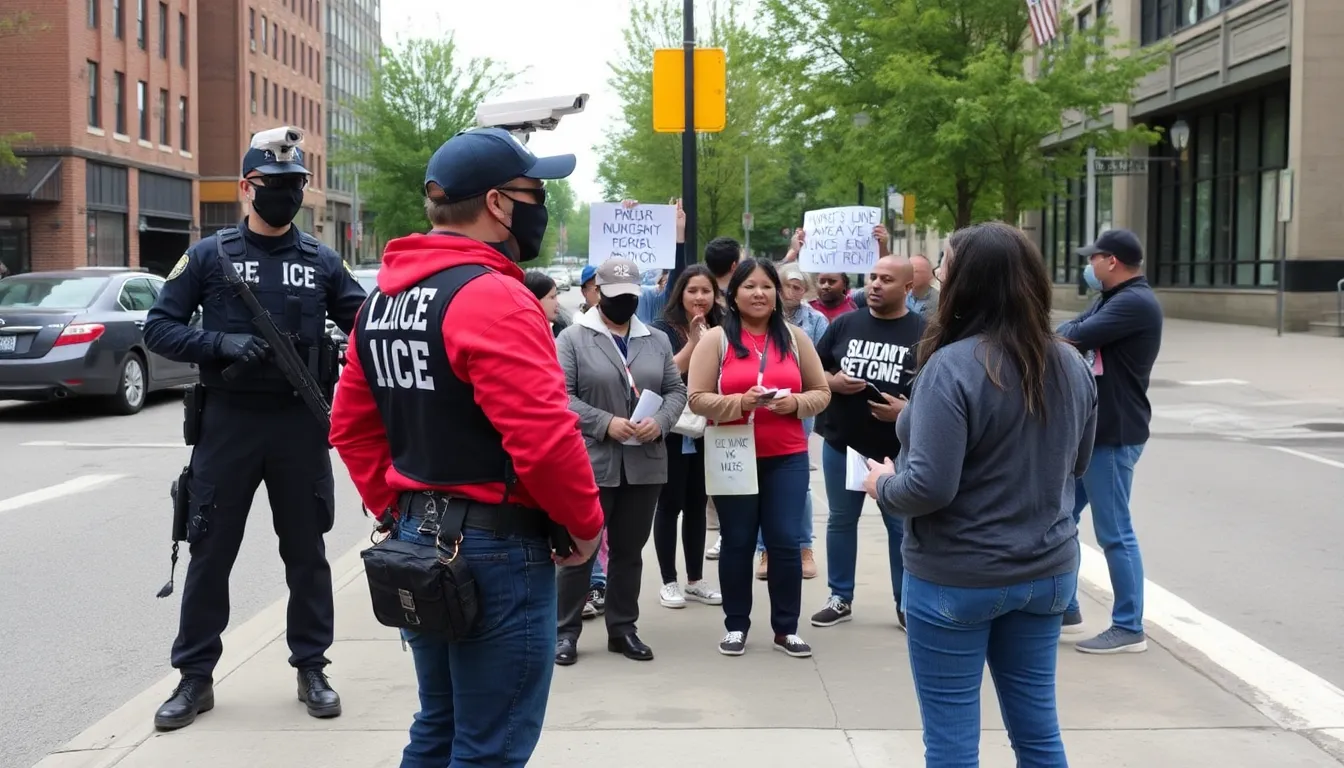
ICE’s use of facial recognition software and automated license plate readers has become particularly controversial. According to reports, these tools have been utilized in various operations throughout the city, enabling agents to track individuals more effectively. The implementation of such technologies began in earnest following a series of high-profile immigration enforcement actions in late 2022.
Local organizations, including the American Civil Liberties Union (ACLU) of Minnesota, have voiced strong opposition to ICE’s tactics, arguing that they disproportionately target communities of color and contribute to a climate of fear. In response, several city officials have called for greater transparency regarding ICE’s operations and the technologies employed. The ongoing discussions highlight the tension between national security interests and the protection of civil liberties.
As ICE continues to expand its technological arsenal, the implications for community trust and safety are becoming increasingly apparent. The situation in Minneapolis serves as a microcosm of a broader national conversation about immigration enforcement practices and the role of technology in policing. Stakeholders on all sides are closely monitoring developments as the balance between enforcement and civil rights remains a critical issue in the region.
Recommended Articles
- Asda struggles to regain its competitive edge
- Tragic death of newborn raises concerns over hospital protocols
- Families in India demand return of crew from ship seized by Iran
- Apple Reports Record iPhone Sales Amid Holiday Bump
- Syrian Government and Kurdish-Led Militia Reach Agreement to Combine Forces
- Asda struggles to regain its competitive edge
- Tragic death of newborn raises concerns over hospital protocols
- Families in India demand return of crew from ship seized by Iran
- Apple Reports Record iPhone Sales Amid Holiday Bump
- Syrian Government and Kurdish-Led Militia Reach Agreement to Combine Forces
Understanding the Background of ICE Operations
The presence of the U.S. Immigration and Customs Enforcement (ICE) in Minneapolis has historical roots that trace back to broader national immigration policies and enforcement practices. Established in 2003 as part of the Department of Homeland Security, ICE was created in response to the September 11 attacks, with a focus on national security and the enforcement of immigration laws. This shift marked a significant change in how immigration enforcement was approached, prioritizing the detention and deportation of undocumented immigrants.
In recent years, Minneapolis has become a focal point for debates surrounding immigration enforcement, particularly in the wake of heightened enforcement measures and community resistance. The city’s diverse population, with a significant number of immigrants and refugees, has led to a complex socio-political landscape. Activism against ICE has surged, especially following high-profile cases of deportations and community raids that have instilled fear among immigrant families.
Key Milestones in ICE’s Local Operations
Several key milestones have defined ICE’s operations in Minneapolis. Notably, the 2017 executive order by President Trump, which expanded the scope of deportation priorities, led to increased ICE activity in the region. This was met with strong opposition from local advocacy groups, who argued that such actions undermined community trust and safety. In response, the Minneapolis City Council passed resolutions aimed at limiting cooperation between local law enforcement and ICE, highlighting the ongoing tension between federal immigration enforcement and local governance.
The economic implications of ICE’s operations have also been significant. Many local businesses rely on immigrant labor, and the fear of deportation has created an atmosphere of uncertainty that affects both workers and employers. As the city grapples with these issues, the balance between enforcing immigration laws and protecting community members remains a contentious topic, shaping the narrative around ICE’s role in Minneapolis.
Key Stakeholders and Issues Surrounding ICE’s Technology
The deployment of advanced technology by U.S. Immigration and Customs Enforcement (ICE) in Minneapolis has drawn attention from various stakeholders, each with distinct interests and concerns. Key actors include ICE itself, local government officials, civil rights organizations, and the community at large. Understanding their perspectives is crucial for grasping the complexities of this issue.
ICE, as a federal agency, aims to enhance its operational efficiency and effectiveness in immigration enforcement through the integration of new technologies. This includes surveillance systems, data analytics, and biometrics. Their primary interest lies in improving public safety and ensuring compliance with immigration laws. However, this has raised significant concerns among local communities regarding privacy and civil liberties.
Local government officials are often caught in a dilemma. On one hand, they may support ICE’s efforts to maintain law and order; on the other, they face pressure from constituents who oppose aggressive immigration enforcement tactics. This conflict can lead to trade-offs between public safety initiatives and the protection of immigrant rights.
- Community Impact: Many residents express fears that increased surveillance and enforcement could lead to racial profiling and a chilling effect on community trust.
- Legal Concerns: The use of technology raises questions about the legality of data collection and the potential for misuse of personal information.
- Economic Implications: Businesses may be affected by the atmosphere of fear surrounding immigration enforcement, potentially impacting local economies.
- Civil Rights Advocacy: Organizations are actively working to challenge ICE’s practices and advocate for more transparent policies that respect individual rights.
As these stakeholders navigate the complexities of ICE’s technological advancements, the broader implications for society, governance, and civil liberties will continue to evolve. The balance between enforcement and rights protection remains a contentious and critical issue in this ongoing debate.
The Impact of ICE’s Technology on Local Communities
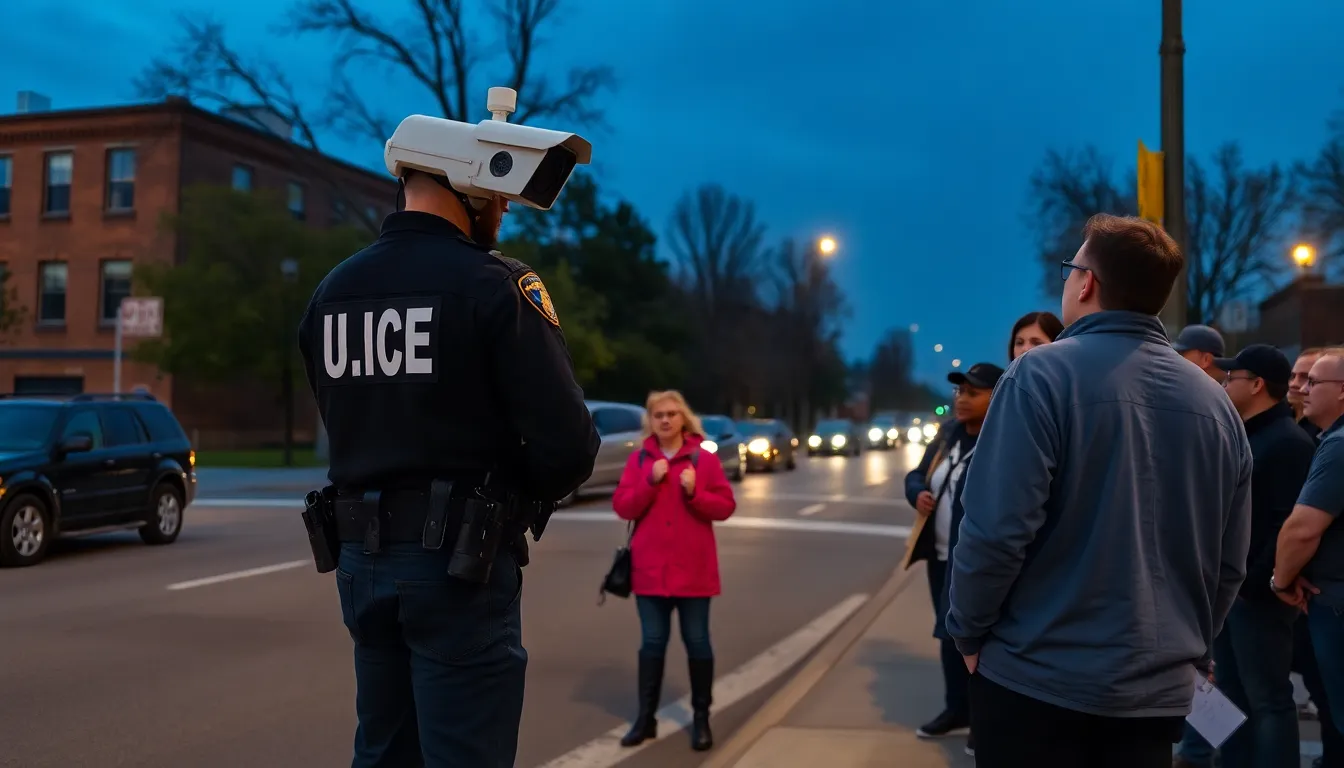
The deployment of advanced technology by ICE in Minneapolis has far-reaching implications for various groups and industries. Primarily, immigrant communities are directly affected, facing heightened surveillance and the potential for increased deportation actions. Local businesses, particularly those that rely on immigrant labor, may also experience disruptions as fear permeates these communities.
In the short term, the presence of ICE’s technology can lead to a chilling effect on community engagement and participation. Families may avoid public spaces, schools, and health services, fearing encounters with law enforcement. This atmosphere of apprehension can stifle local economies, as businesses may see a decline in patronage from frightened community members.
Mid-term impacts could manifest in policy shifts at the local and state levels. As public sentiment evolves, there may be calls for more protective measures for immigrant rights, potentially leading to new legislation or community initiatives aimed at safeguarding vulnerable populations. Conversely, increased enforcement could solidify a culture of compliance among businesses, prompting them to adopt more stringent hiring practices.
- Risks: Increased fear among immigrant communities, leading to economic downturns.
- Risks: Potential backlash against local businesses perceived as non-compliant.
- Opportunities: Advocacy for immigrant rights may gain momentum, fostering community solidarity.
- Opportunities: Local businesses could innovate to support affected communities, enhancing their reputation.
Overall, the intersection of technology and immigration enforcement in Minneapolis presents a complex landscape where risks and opportunities coexist, shaping the daily lives of residents and the broader market dynamics in the region.
A: ICE has implemented various technologies including surveillance systems, data analytics tools, and mobile applications to enhance their operational efficiency in Minneapolis. A: Community reactions are mixed, with some expressing concerns over privacy and civil rights violations, while others support the need for security. A: The legal implications revolve around issues of privacy rights, potential misuse of data, and adherence to local and federal laws regarding surveillance. A: Yes, there have been protests and advocacy efforts aimed at limiting ICE’s technology use, highlighting community concerns about its impact. A: Future developments may include increased scrutiny from lawmakers and advocacy groups, as well as potential changes in policy regarding surveillance technologies.
Frequently Asked Questions About ICE’s Technology
Insights and Future Outlook on ICE’s Technology Use
The deployment of advanced technology by ICE in Minneapolis marks a significant shift in how law enforcement agencies operate in urban environments. The integration of surveillance systems, data analytics, and artificial intelligence not only enhances operational efficiency but also raises critical questions about privacy and civil liberties. As these technologies become more prevalent, it is essential to monitor their impact on community relations and public trust.
Looking ahead, the continued evolution of ICE’s technological arsenal will likely influence broader trends in law enforcement practices across the country. The balance between security and civil rights will remain a central theme in the ongoing dialogue about the role of technology in policing.
- Watch for potential legislative responses aimed at regulating the use of surveillance technologies by law enforcement.
- Community engagement initiatives may become crucial in addressing public concerns regarding privacy and transparency.
- Monitor advancements in technology that could further enhance or challenge existing law enforcement practices.
- Consider the implications of data collection and usage policies on civil liberties and individual rights.
- Evaluate the role of public opinion in shaping the future deployment of technology in policing efforts.