
The agreement comes amid ongoing tensions in northern Syria, where various factions have vied for control. The Syrian government, led by President Bashar al-Assad, has been seeking to reassert its authority over all territories, while the SDF has been instrumental in fighting ISIS and maintaining relative stability in Kurdish-majority areas. By merging forces, both sides aim to enhance their operational capabilities and address mutual security concerns, as discussed in this related article.
This partnership is noteworthy as it marks a shift in the dynamics of the Syrian conflict, where previously, the relationship between the Syrian government and Kurdish forces has been fraught with mistrust. The deal has garnered attention from international observers, as it may influence the geopolitical landscape in the region, particularly in relation to U.S. and Turkish interests in northern Syria.
As the situation continues to evolve, the implications of this agreement could have far-reaching effects on the humanitarian situation in the region. Many displaced Syrians may benefit from improved security, while the potential for a more coordinated effort against extremist elements could lead to a more stable environment for the local population. However, challenges remain, and the success of this merger will depend on the commitment of both parties to uphold the terms of the agreement.
Understanding the Historical Context of Syrian-Kurdish Relations
The relationship between the Syrian government and Kurdish-led militias has been complex and fraught with tension, shaped by decades of political, social, and economic factors. The Kurds, an ethnic minority in Syria, have historically faced repression and discrimination from the central government, particularly under the rule of the Ba’ath Party since the 1960s. This marginalization has led to a strong sense of Kurdish nationalism and a desire for autonomy, which has fueled conflicts and uprisings over the years.
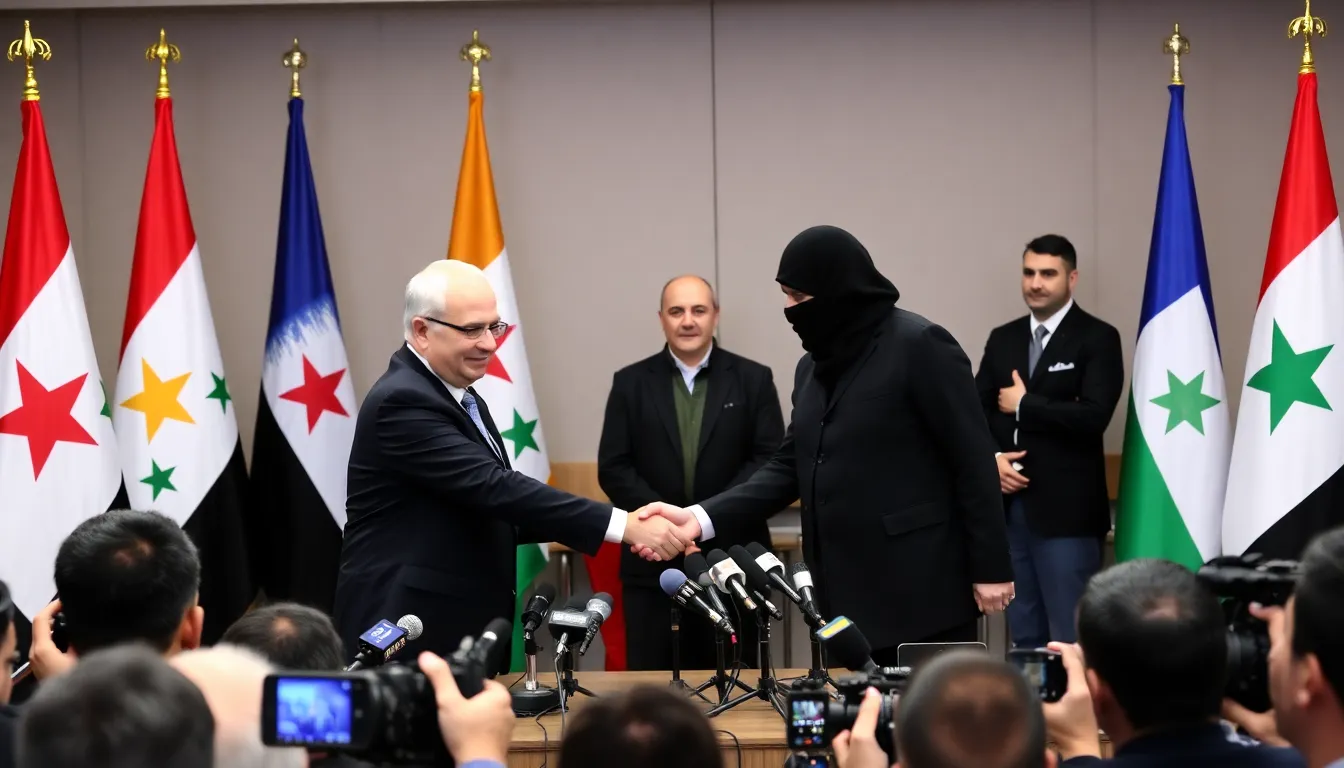
In the wake of the Syrian Civil War that began in 2011, the dynamics shifted dramatically. As the Syrian state began to weaken, Kurdish groups, most notably the People’s Protection Units (YPG), capitalized on the chaos to establish control over significant territories in northern Syria. This period saw the Kurds not only fighting against the Islamic State but also asserting their political and military presence, leading to the establishment of the Autonomous Administration of North and East Syria (commonly referred to as Rojava).
The Syrian government’s response to the rise of Kurdish autonomy has varied. Initially, the regime adopted a strategy of tolerance, allowing Kurdish forces to operate in areas where government control had diminished. However, as Kurdish forces gained strength and sought greater independence, the Assad regime began to view them as a threat. This culminated in a series of military confrontations and political negotiations, with both sides attempting to leverage their positions amid the ongoing conflict.
Key Milestones in Syrian-Kurdish Relations
Several key events have marked the evolution of Syrian-Kurdish relations. In 2014, the YPG’s successful defense of Kobane against ISIS marked a turning point, garnering international support and recognition. Subsequently, the U.S. formed an alliance with the YPG, further complicating relations with the Syrian government. In 2019, the Turkish incursion into northern Syria aimed at curbing Kurdish influence led to renewed discussions between Kurdish leaders and the Syrian government, highlighting the shifting alliances in the region. The recent agreement to merge forces represents a significant development, reflecting the changing political landscape and the need for both parties to adapt to external pressures.
Key Stakeholders and Issues Surrounding the Agreement
The recent agreement between the Syrian government and Kurdish-led militias marks a significant shift in the dynamics of the Syrian conflict. The primary actors involved include the Syrian government, represented by President Bashar al-Assad, the Syrian Democratic Forces (SDF), which is predominantly Kurdish, and various regional and international stakeholders with vested interests in the outcome of this merger, including implications highlighted in current events.
The Syrian government aims to reassert its authority over the entire country, particularly in areas previously controlled by Kurdish forces. This aligns with its broader strategy of centralization and control, which has been a hallmark of Assad’s regime since the onset of the civil war. For the SDF, the agreement offers a potential avenue to gain legitimacy and protection against external threats, particularly from Turkey, which views Kurdish militias as terrorist organizations.
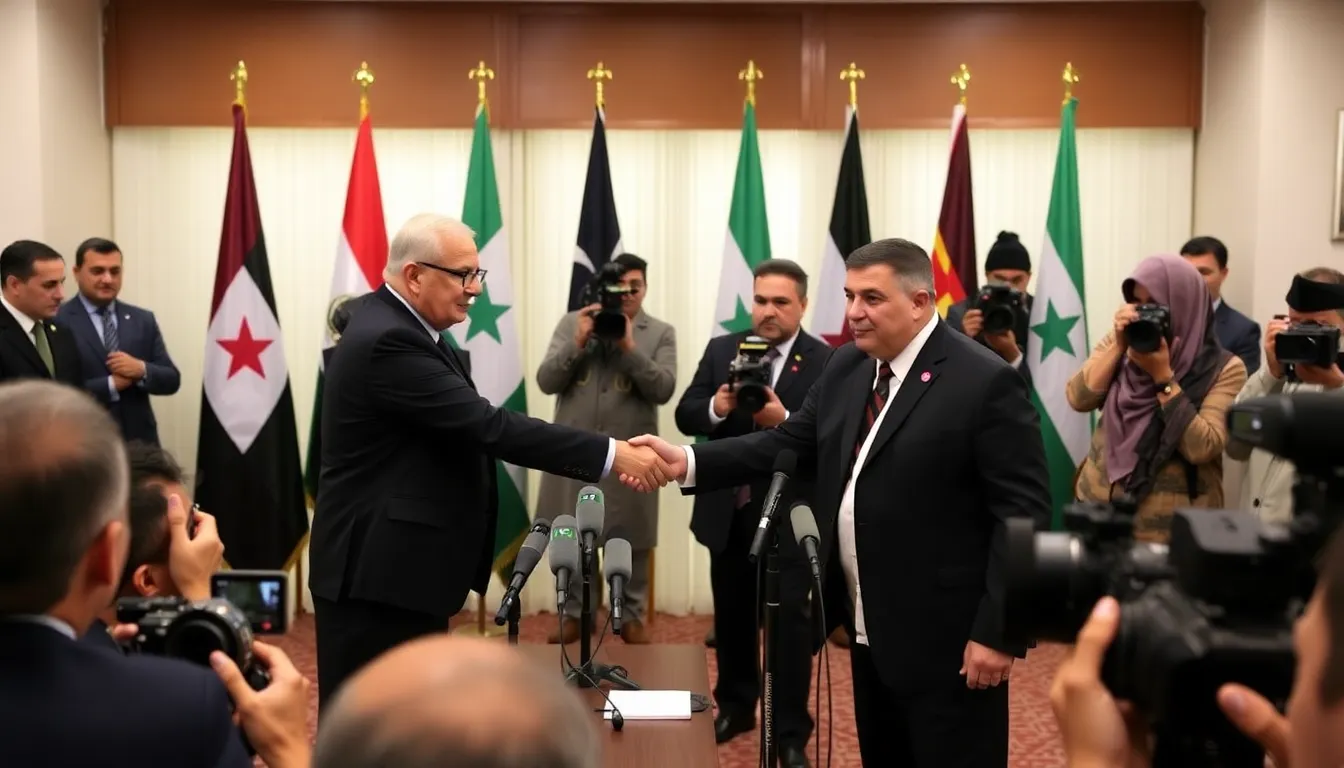
Several key issues arise from this agreement, reflecting the complex interplay of interests:
- Territorial Control: The merger may lead to disputes over territorial claims, particularly in northern Syria, where both parties have established control.
- International Relations: The agreement could affect relationships with external actors, such as the United States and Russia, both of which have supported different factions in the conflict.
- Human Rights Concerns: The integration of forces raises concerns about potential human rights violations, as both parties have been accused of abuses during the conflict.
- Economic Stability: The deal may impact local economies, particularly in resource-rich regions, and how revenues are shared between the Syrian government and Kurdish authorities.
- Future of Autonomy: The Kurdish-led forces have sought autonomy, and this agreement may challenge their aspirations for self-governance.
In summary, the merger of forces between the Syrian government and Kurdish-led militias is a complex development that reflects both cooperation and underlying tensions. The interests of each party, coupled with the influence of external actors, will play a crucial role in shaping the future landscape of Syria.
Potential Impacts on Local Communities and Regional Stability
The recent agreement between the Syrian government and Kurdish-led militias marks a significant shift in the balance of power within the region. This deal affects various groups, including local Kurdish populations, Syrian government forces, and neighboring countries that have vested interests in the stability of Syria. The implications of this merger are profound, touching upon social dynamics, economic conditions, and political frameworks.
In the short term, local communities may experience increased security as the merged forces aim to establish control over contested areas. This could lead to a temporary reduction in violence, allowing businesses to operate more freely and encouraging some level of economic activity. However, the merger could also provoke backlash from opposition groups and create tensions among different ethnic communities, leading to potential unrest and instability.
In the mid-term, the consolidation of power could lead to changes in governance and policy, particularly regarding resource allocation and local autonomy. Kurdish regions might face increased oversight from the central government, which could stifle local initiatives and economic development. Conversely, this could also open avenues for collaboration on infrastructure projects and resource management, providing opportunities for investment and growth.
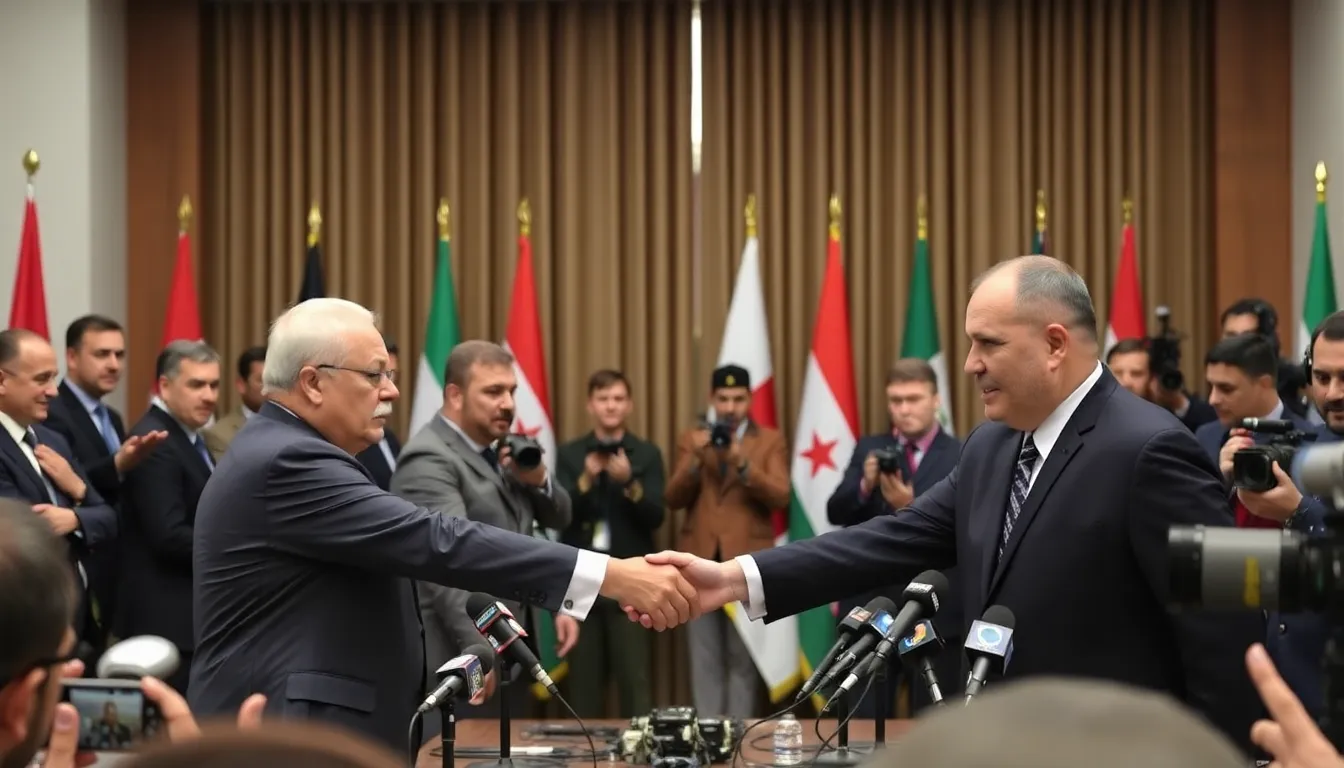
- Risks: Potential for increased ethnic tensions and violence.
- Opportunities: Economic revitalization through improved security and infrastructure projects.
- Policy Changes: Shift towards greater central control over Kurdish regions.
Overall, while the merger may lead to immediate benefits in terms of security and stability, the long-term effects on local governance and inter-community relations remain uncertain. Stakeholders, including local businesses and international observers, will need to monitor the situation closely to navigate the evolving landscape effectively.
A: The agreement involves a merger of forces between the Syrian government and Kurdish-led militia, aiming to unify military efforts against common threats. A: This agreement may lead to increased security for Kurdish communities, but it also raises concerns about their autonomy and rights within the Syrian state. A: International reactions have been mixed, with some countries expressing support for the unification as a step towards stability, while others remain cautious about the implications. A: Yes, the merger could shift power dynamics in the region, potentially affecting ongoing conflicts and alliances. A: The next steps include the implementation of joint military operations and further negotiations to solidify political agreements between the parties.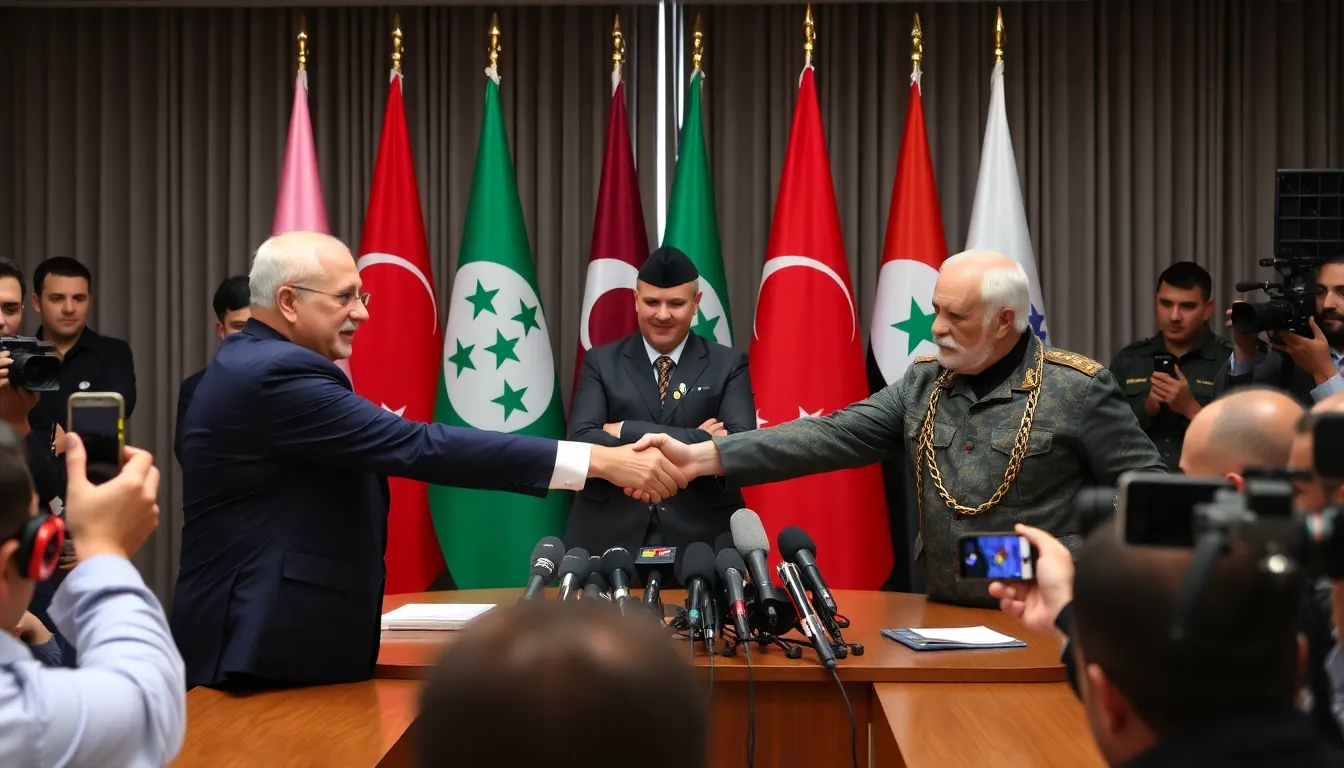
Frequently Asked Questions About the Agreement
Key Takeaways and Future Outlook on the Agreement
The recent agreement between the Syrian government and Kurdish-led militias marks a significant shift in the dynamics of the region. This deal not only underscores the evolving relationships among various factions within Syria but also highlights the complexities of governance and military collaboration in a post-conflict landscape. As these two forces begin to merge, the implications for stability, security, and governance in the region will be profound.
Moving forward, it will be essential to monitor the practical outcomes of this agreement, particularly in terms of local governance and military operations. The integration of forces could lead to enhanced stability in some areas, but it may also provoke resistance from other groups who feel marginalized by this new alliance.
- Impact on Local Governance: The merging of forces may lead to new governance structures that could either stabilize or further complicate local authority dynamics.
- Reactions from Other Factions: Other regional players, including opposition groups and foreign powers, may respond to this alliance, potentially escalating tensions.
- Security Implications: The integration could either enhance security in contested regions or create power vacuums that could be exploited by extremist groups.
- International Response: The international community’s reaction, particularly from countries with vested interests in Syria, will be crucial in shaping the future of this agreement.
- Humanitarian Considerations: The deal may influence humanitarian access and aid distribution, affecting the civilian population in affected areas.