
The holiday season, which typically sees a spike in electronics purchases, has been particularly favorable for Apple this year. Analysts noted that the release of the iPhone 15 series in September played a crucial role in attracting customers. Enhanced features and competitive pricing have made the latest models appealing to both new buyers and those looking to upgrade.
Additionally, the ongoing expansion of Apple’s retail presence and online sales capabilities has contributed to the impressive figures. The company has invested heavily in its supply chain and logistics to ensure that products were readily available during peak shopping times. Reports indicate that Apple also experienced shorter wait times for delivery, a factor that likely influenced consumer purchasing decisions.
This surge in iPhone sales is significant not only for Apple’s financial performance but also for the broader tech industry. As one of the leading players in the smartphone market, Apple’s success can impact trends and sales figures across various sectors. The company’s ability to capture consumer interest during the holiday shopping period may set the tone for its performance in the coming year.
Understanding the factors behind Apple’s sales surge
Apple’s recent report of record iPhone sales can be attributed to a confluence of historical, economic, and social factors that have shaped consumer behavior and the tech landscape. Over the past two decades, Apple has established itself as a market leader in the smartphone sector, driven by innovation, brand loyalty, and strategic marketing. The introduction of the iPhone in 2007 marked a turning point not just for Apple, but for the entire mobile industry, setting new standards for design and functionality, which has been critical in driving consumer interest.

In recent years, the holiday season has consistently proven to be a critical period for consumer electronics sales, with many companies experiencing significant revenue spikes. This trend has been amplified by the COVID-19 pandemic, which shifted consumer habits towards online shopping and increased reliance on technology for communication and entertainment. As people sought to stay connected during lockdowns, the demand for smartphones surged, positioning Apple to capitalize on this shift.
The role of product innovation
Apple’s commitment to continuous innovation has played a crucial role in its sales performance. The introduction of features such as advanced camera systems, enhanced battery life, and seamless integration with other Apple products has attracted both loyal customers and new users. The recent launch of the iPhone 14 series, with its upgraded specifications and appealing design, has further stimulated interest and demand, particularly during the holiday shopping season.
Additionally, Apple’s robust supply chain management and strategic partnerships have allowed the company to meet consumer demand effectively. Despite global supply chain challenges, Apple has managed to maintain a steady flow of products, ensuring that customers can access the latest devices during peak shopping periods. This efficiency has solidified Apple’s reputation as a reliable brand, further driving sales.
In summary, the combination of historical brand strength, shifts in consumer behavior due to the pandemic, and ongoing innovation has created a perfect storm for Apple’s record iPhone sales. As the company continues to navigate the evolving tech landscape, its ability to adapt and respond to consumer needs will remain a key factor in its ongoing success.
Key stakeholders and market dynamics influencing sales
The recent report of record iPhone sales by Apple highlights the complex interplay of various stakeholders in the tech industry. Key actors include Apple Inc., consumers, competitors, and regulatory bodies, each with distinct interests that shape market dynamics. Understanding these stakeholders is crucial to grasping the broader implications of Apple’s sales performance.

Apple Inc. stands at the forefront, driven by its goal to enhance market share and profitability. The company invests heavily in marketing and innovation to attract consumers, particularly during the holiday season when demand peaks. This strategic focus on consumer engagement is vital as it directly correlates with sales figures.
Consumers represent another critical stakeholder group. Their interests lie in obtaining high-quality products that offer value for money. The holiday season often sees increased consumer spending, and Apple capitalizes on this trend by releasing new models and offering attractive financing options. However, consumer preferences can shift, influenced by factors such as pricing, features, and competing products from rival companies.
- Competitors like Samsung and Google are constantly innovating, which poses a challenge to Apple’s market dominance.
- Regulatory bodies are increasingly scrutinizing tech giants for antitrust practices, which could impact Apple’s pricing strategies and market operations.
- Economic factors, such as inflation and supply chain disruptions, can affect both production costs and consumer purchasing power.
The interplay of these factors creates a dynamic environment where trade-offs and conflicts can arise. For instance, while Apple aims to maximize profits, it must also navigate consumer expectations and regulatory pressures. This balancing act is pivotal in determining the company’s long-term success in a highly competitive market.
The implications of record sales for consumers and competitors
The recent announcement of record iPhone sales by Apple during the holiday season has significant implications for various groups, including consumers, competitors, and the broader technology industry. Consumers in regions with a strong Apple presence, such as North America and parts of Europe and Asia, are likely to experience both benefits and drawbacks as the market evolves.
In the short term, the surge in iPhone sales can lead to increased consumer spending on accessories and related services, boosting local economies. Retailers and service providers that cater to Apple products may see a spike in sales, benefiting from the heightened demand. Conversely, consumers might face higher prices as demand outstrips supply, leading to potential shortages and increased wait times for new devices.
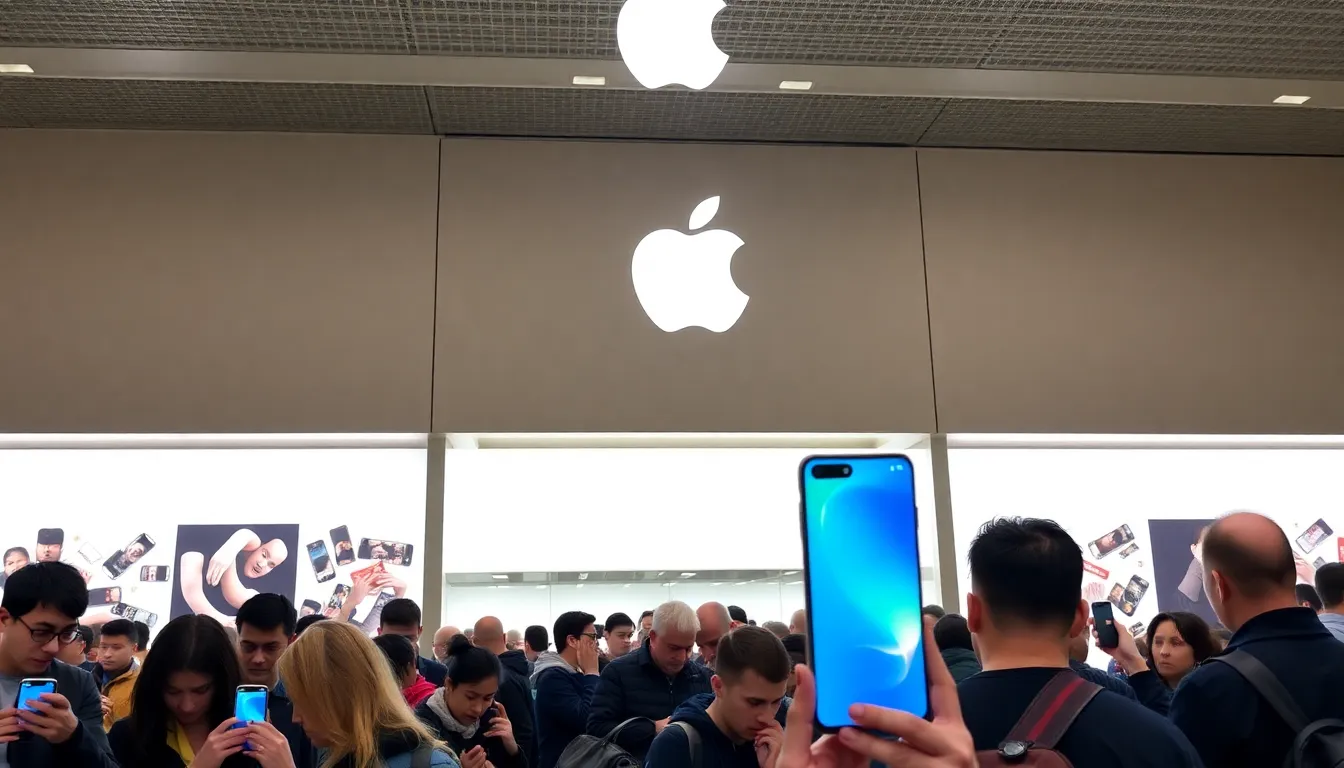
Mid-term impacts include intensified competition among smartphone manufacturers. As Apple solidifies its market position, competitors may be compelled to innovate more rapidly or reduce prices to attract consumers. This could lead to a broader range of options for consumers but may also result in a price war that could affect profit margins across the industry.
- Opportunities for retailers: Increased sales of accessories and services.
- Risks for consumers: Potential price increases and supply shortages.
- Competitive pressure: Other manufacturers may need to innovate or lower prices.
- Market shifts: Changes in consumer preferences as new features and technologies are introduced.
Policy implications may also arise as governments monitor the competitive landscape and consumer protections in the tech sector. As Apple continues to dominate, regulatory scrutiny could increase, impacting how the company and its competitors operate within various markets.
A: The increase in iPhone sales was primarily driven by strong holiday demand, new product launches, and promotional offers that attracted consumers. A: This year’s sales performance marks a significant increase compared to previous years, showcasing Apple’s ability to capture market share during the holiday season. A: The iPhone 14 series, particularly the Pro models, contributed significantly to the sales figures due to their advanced features and consumer interest. A: Potential challenges include supply chain issues, increasing competition from other smartphone manufacturers, and changing consumer preferences. A: Strong sales figures could positively impact Apple’s stock price as investor confidence grows, but market reactions may vary based on broader economic conditions.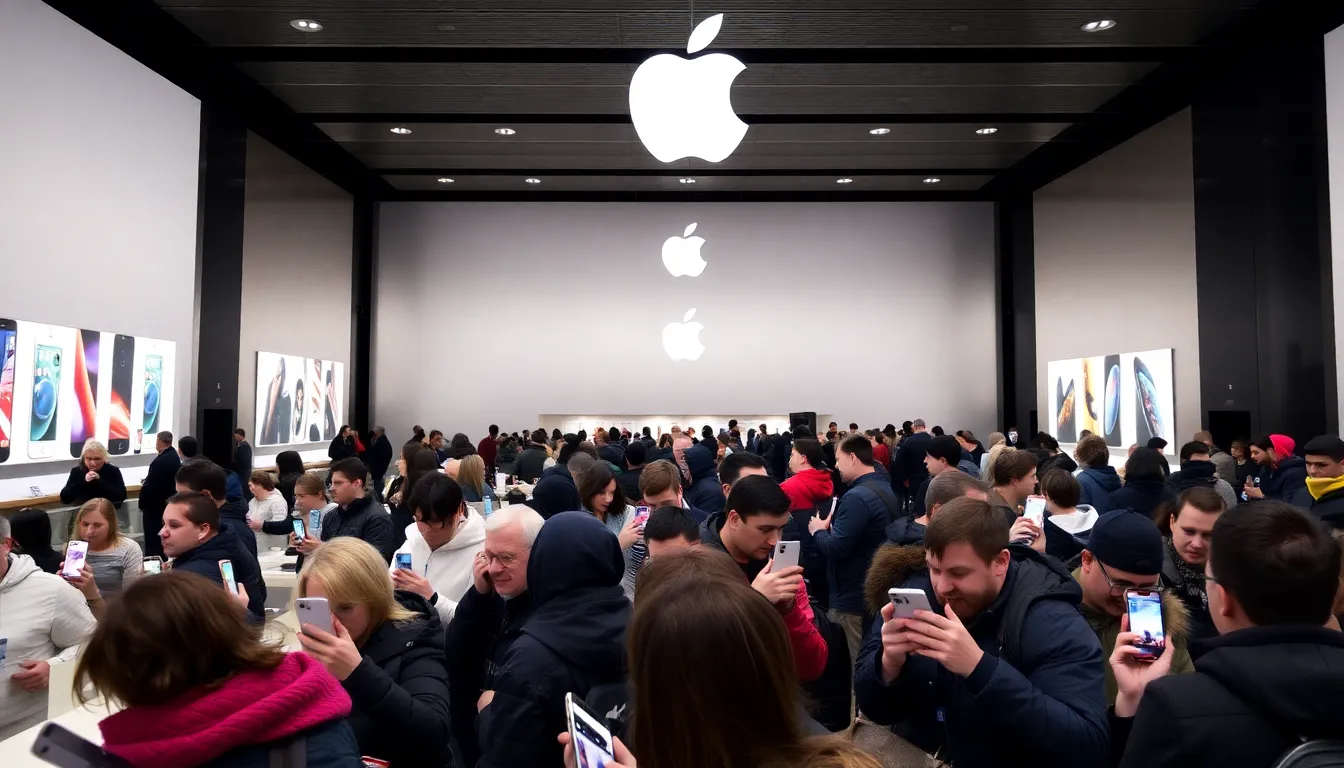
Frequently asked questions about Apple’s sales report
Looking ahead: What this means for Apple’s future
The record iPhone sales reported by Apple during the holiday season highlight not only the brand’s enduring appeal but also its strategic positioning in a competitive market. As consumers increasingly prioritize technology that enhances their daily lives, Apple’s ability to innovate and meet these demands will be crucial for sustaining growth. The surge in sales suggests a robust demand for premium devices, which could further solidify Apple’s market share and influence in the tech industry.
Looking forward, several factors will play a significant role in shaping Apple’s trajectory. The company’s ongoing investments in augmented reality, artificial intelligence, and other emerging technologies could redefine user experiences and create new revenue streams. Additionally, maintaining supply chain efficiency and addressing potential global economic challenges will be essential for sustaining this momentum.
- Monitor Apple’s product innovation pipeline, particularly in emerging technologies like AR and AI.
- Watch for shifts in consumer preferences that could impact premium smartphone sales.
- Consider the implications of global economic conditions on supply chain and production capabilities.
- Evaluate the effectiveness of Apple’s marketing strategies in reaching new demographics.
- Keep an eye on competitors’ responses to Apple’s record sales and their impact on market dynamics.