
Families of the 20 crew members, many of whom are from various coastal states in India, have been vocal about their fears. They are urging the Indian government to take immediate action to secure the release of the ship and its crew, emphasizing the importance of maritime security in the region. The uncertainty surrounding the situation has led to heightened emotional distress among the families, who are seeking clarity and support from authorities.
The Indian Ministry of External Affairs has acknowledged the situation and is reportedly in contact with Iranian officials to address the issue, which highlights the delicate balance of international relations. However, as days pass without a resolution, families are growing increasingly restless, demanding transparency and updates on the status of their loved ones. The situation underscores the broader implications of maritime security and international relations in the region.
As the standoff continues, the families have organized protests and social media campaigns to raise awareness and garner public support regarding the safety of their loved ones. They emphasize the need for a swift resolution, not only for the safety of the crew but also to prevent any escalation of tensions between India and Iran, as ongoing maritime disputes can have far-reaching consequences.
Understanding the situation surrounding the ship seizure by Iran
The recent seizure of a ship by Iran has raised significant concerns among families in India, whose loved ones are part of the crew. This incident is rooted in a complex web of historical, political, and economic factors that have characterized Iran’s maritime activities and its relations with other nations, particularly in the context of the ongoing tensions in the Persian Gulf.

Historically, Iran has maintained a contentious relationship with several countries, especially the United States and its allies. The Islamic Republic’s assertive stance in the region has often led to confrontations at sea, where it has been accused of seizing vessels that it claims violate its territorial waters or sanctions. Such actions are seen as part of Iran’s broader strategy to assert its influence and counter what it perceives as external aggression.
Economically, the maritime sector plays a critical role in Iran’s economy, particularly given the country’s reliance on oil exports. The shipping lanes in the Persian Gulf are vital for global trade, and any disruption can have significant repercussions not just for Iran, but for the international market as well. This economic dependency on maritime routes often leads to heightened tensions, as the Iranian government seeks to protect its interests against perceived threats.
The impact on families and communities
The seizure of the ship has left families in India in a state of anxiety and uncertainty. Many of the crew members are from coastal communities that depend on seafaring for their livelihoods. The emotional toll on these families is compounded by the lack of clear communication and information regarding the status of their loved ones. This situation highlights the human aspect of geopolitical conflicts, where individuals become collateral damage in larger political games.
As the situation unfolds, it is crucial for authorities and stakeholders to engage in dialogue to resolve the issue and ensure the safe return of the crew. The ongoing developments will likely influence future maritime policies and the dynamics of international relations in the region, making it imperative to monitor the situation closely.
Examining the implications for the families and the geopolitical landscape
The recent seizure of a ship by Iran, which reportedly holds crew members from India, has raised significant concerns among families and the broader Indian community. The primary actors in this situation include the Indian government, Iranian authorities, the families of the crew members, and various international stakeholders. Each has distinct interests that shape the narrative surrounding this incident.
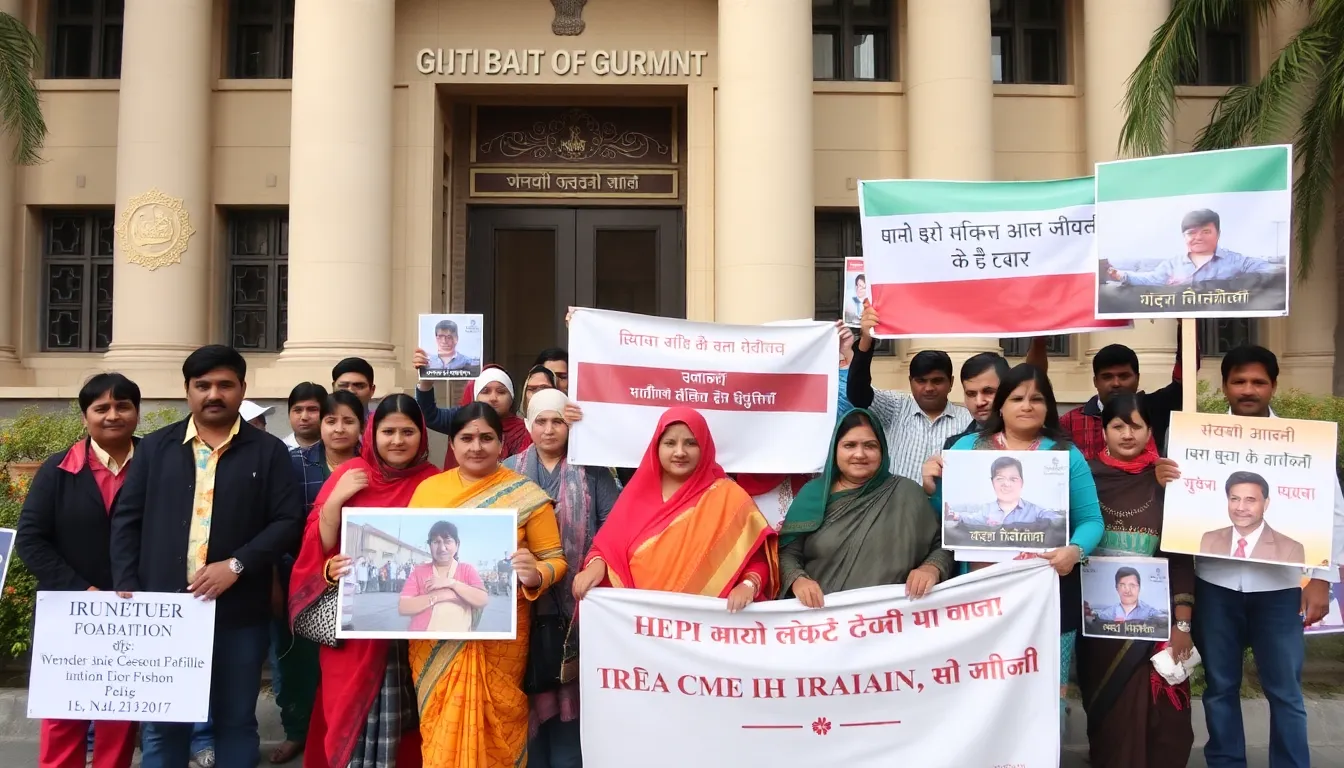
The Indian government is under pressure to ensure the safe return of its citizens, balancing diplomatic relations with Iran while addressing the emotional turmoil faced by the families. The families themselves are advocating for transparency and swift action, fearing for the safety and well-being of their loved ones. Meanwhile, Iran’s motivations for the seizure may involve broader geopolitical strategies, including asserting its influence in regional maritime disputes.
Several key issues arise from this situation, including:
- Diplomatic Relations: The incident could strain India-Iran relations, especially if the situation escalates or if negotiations are perceived as ineffective.
- Legal Framework: The legal justifications for the ship’s seizure and the rights of the crew under international law are critical points of contention.
- Economic Implications: The seizure may impact trade routes and economic ties between India and Iran, particularly in the context of existing sanctions.
- Public Sentiment: The emotional and psychological toll on families can influence public opinion, potentially leading to calls for more assertive government action.
- Regional Stability: The incident may exacerbate tensions in an already volatile region, affecting not just bilateral relations but also broader international dynamics.
Understanding these dynamics is essential for grasping the broader implications of the ship’s seizure, as it intertwines personal tragedies with complex geopolitical realities. The resolution of this situation will likely require careful navigation of diplomatic channels, legal frameworks, and public sentiment to address the concerns of all stakeholders involved.
The emotional and economic impact on affected families
The recent seizure of a cargo ship by Iran has left many families in India in a state of distress. The crew members, who are primarily from coastal states such as Gujarat and Maharashtra, are now facing uncertainty regarding their safety and return home. This situation has created a ripple effect, impacting not only the families of the crew but also the broader maritime community.
Families are experiencing heightened anxiety and emotional turmoil as they await news about their loved ones. The psychological toll is significant, with many feeling helpless and worried about the well-being of the crew members. This emotional strain can lead to long-term mental health issues for those directly affected.
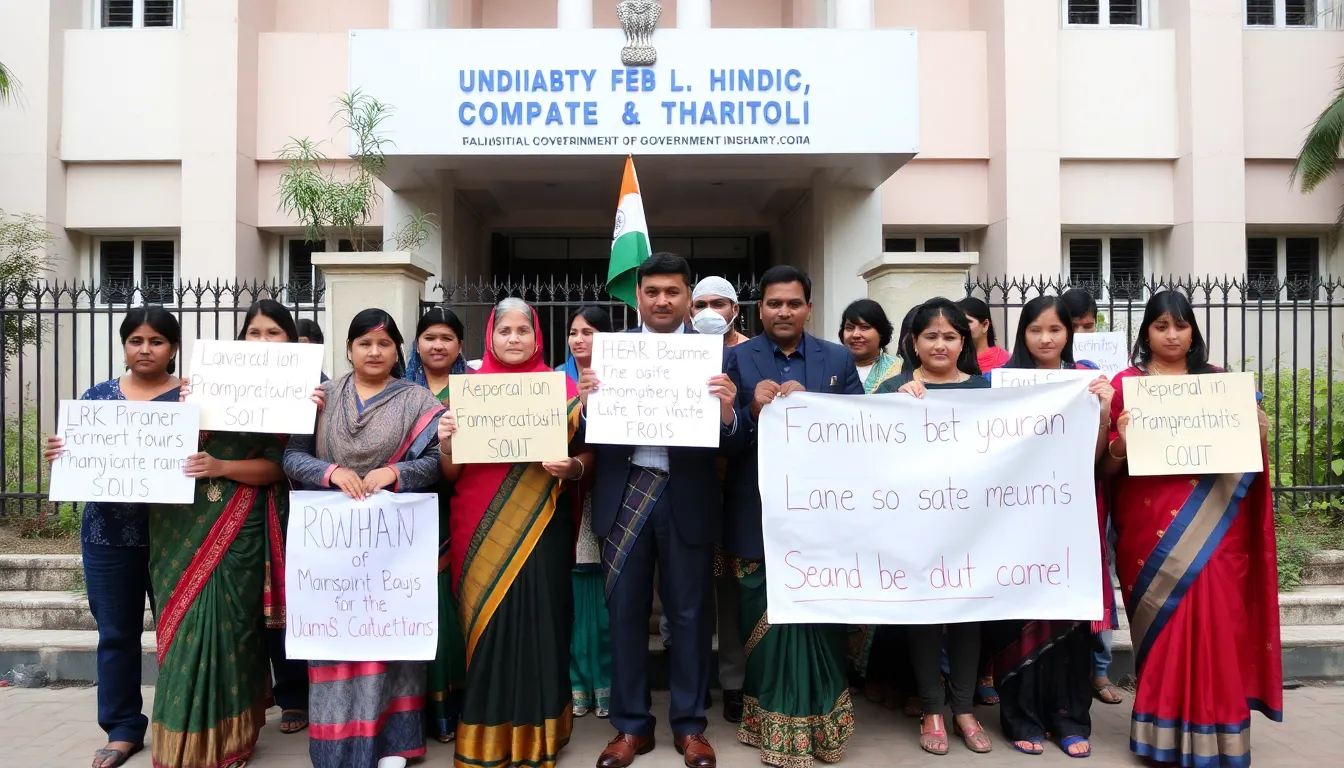
From an economic perspective, the shipping industry is bracing for potential disruptions. The seizure may lead to increased insurance premiums and shipping costs, impacting trade routes and supply chains. Businesses reliant on maritime transport could face delays and financial losses, affecting their operations and profitability.
- Increased costs for shipping companies due to heightened security measures.
- Potential job losses in the maritime sector if the situation escalates.
- Heightened diplomatic tensions affecting international trade policies.
In the mid-term, the situation could prompt policymakers to reassess maritime security protocols and international relations with Iran. This could lead to stricter regulations and increased military presence in sensitive shipping lanes, impacting global trade dynamics. However, there may also be opportunities for local shipping companies to strengthen their security measures and develop new partnerships to navigate these challenges.
A: The ship was seized due to alleged violations of maritime regulations, which Iran claims were committed by the crew. This incident has heightened tensions in the region. A: There are several crew members aboard the ship, and their families are actively seeking information regarding their safety and well-being. A: The Indian government is in discussions with Iranian authorities to resolve the situation and ensure the safe return of the crew members. A: Families are experiencing significant emotional distress and uncertainty, as they await news about their loved ones. Many are organizing support groups to cope. A: The public can raise awareness about the situation and support the families through social media campaigns and community gatherings.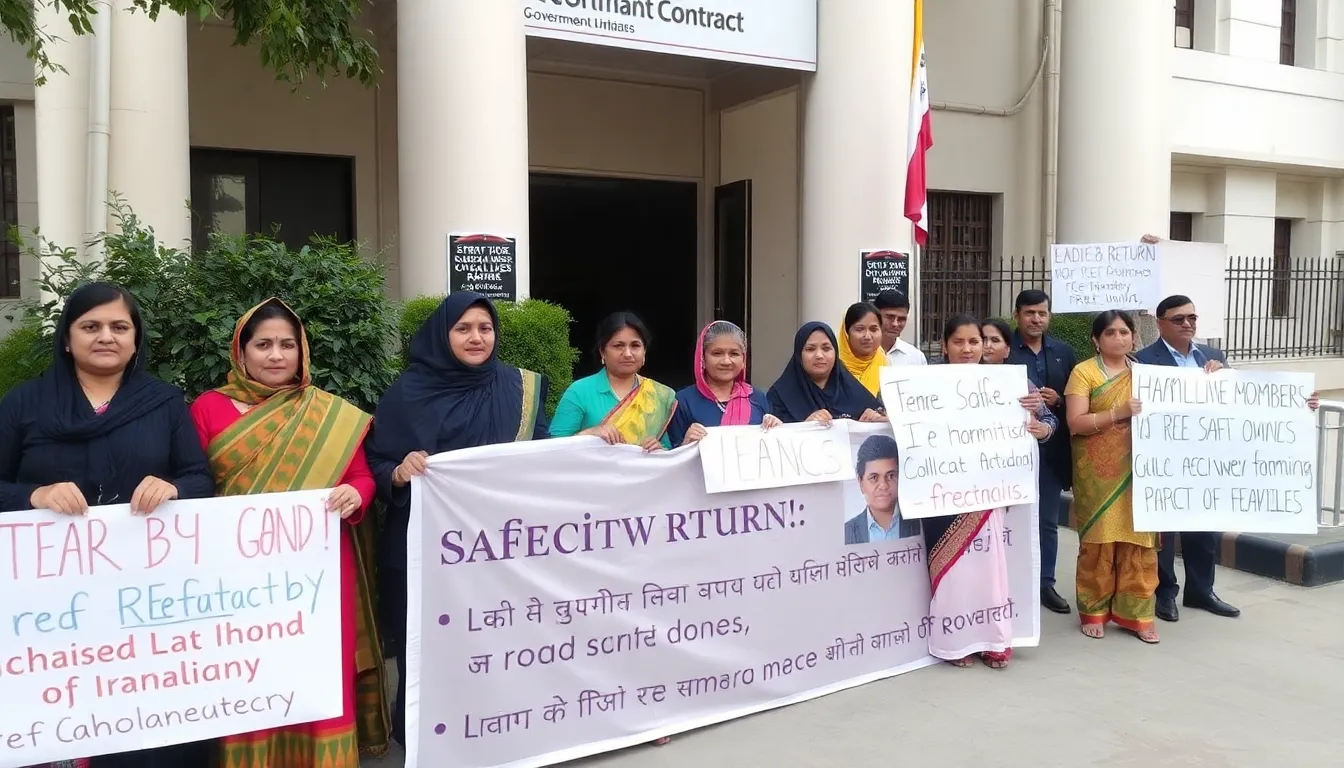
Frequently asked questions about the ship seizure incident
Key points and future outlook on the situation
The ongoing situation regarding the ship seized by Iran has raised significant concerns among families of the crew members, highlighting the broader implications for international maritime relations and regional security. As negotiations unfold, the families’ pleas for the safe return of their loved ones underscore the human element often overshadowed by political and economic considerations.
Moving forward, it will be crucial to monitor the diplomatic responses from both India and Iran, as well as the potential impact on trade routes and bilateral relations. The situation may also influence public sentiment in India regarding government action in international disputes, which could have lasting repercussions on policy approaches in similar future incidents.
- The need for transparent communication from authorities to reassure families and the public during crises.
- Potential shifts in trade dynamics between India and Iran depending on the resolution of the situation.
- Increased scrutiny on maritime security and the protection of international shipping routes in volatile regions.
- The role of international diplomatic channels in resolving disputes involving seized vessels.
- Public awareness and advocacy may shape future government strategies in handling international maritime incidents.