
Local pubs, which have traditionally thrived on the influx of fans before and after games, are reporting a noticeable decline in patronage. According to a survey conducted by the local chamber of commerce, nearly 60% of pub owners have experienced a drop in sales since the announcement of the move in early 2021.
Many establishments, such as the iconic “The Winslow,” have struggled to adapt to the changing landscape. With fewer matchday visitors, owners are exploring alternative revenue streams, including live music events and community gatherings, but these efforts have yet to fully compensate for the loss of football-related income.
The broader implications of Everton’s move extend beyond individual businesses. The surrounding area, known for its vibrant community spirit, is witnessing a shift as local identities are tied closely to the football club. The potential loss of pubs as social hubs raises concerns about the long-term cultural impact on the neighborhood.
Recommended Articles
- Giant tortoises return to Galápagos island after nearly 200 years
- Scientists express concern over Emperor penguins and their annual moult
- UN mission finds RSF siege of El Fasher in Sudan has hallmarks of genocide
- Inquests reveal the alarming spread of synthetic drugs
- TV's Doctor Foster returns for a third and final series
- Giant tortoises return to Galápagos island after nearly 200 years
- Scientists express concern over Emperor penguins and their annual moult
- UN mission finds RSF siege of El Fasher in Sudan has hallmarks of genocide
- Inquests reveal the alarming spread of synthetic drugs
- TV's Doctor Foster returns for a third and final series
Understanding the significance of Goodison Park to the community
Goodison Park, home to Everton Football Club since 1892, has long been more than just a sports venue; it is a cultural landmark that embodies the spirit and history of its surrounding community in Liverpool. The stadium’s rich heritage is intertwined with the lives of local residents, many of whom have supported the club for generations. This deep-rooted connection has fostered a sense of identity and pride among fans and locals alike, making the area around Goodison Park a vibrant hub of social interaction.
Historically, the area surrounding Goodison Park has been shaped by the working-class ethos of its inhabitants. As the football club thrived, so too did the local pubs and businesses that catered to matchday crowds. These establishments became gathering places where fans would share in the highs and lows of their team’s fortunes, reinforcing community bonds. However, the recent decision to move Everton to a new stadium at Bramley-Moore Dock has raised concerns about the potential loss of this communal spirit.
The political landscape surrounding the stadium move has also played a role in the area’s transformation. Local authorities have championed the redevelopment of the waterfront area, viewing it as a catalyst for economic growth. However, this vision has come at a cost to the traditional establishments that have formed the backbone of the community for decades. As pubs and businesses that thrived on matchday footfall face a decline in patronage, many worry about the long-term implications for local culture and social cohesion.
The decline of local pubs
The move away from Goodison Park has led to a noticeable decline in the number of patrons visiting local pubs, significantly impacting their viability. Many establishments, once bustling with fans before and after matches, have struggled to adapt to the new reality. Some have closed their doors permanently, while others have attempted to diversify their offerings in hopes of attracting a broader clientele. Nevertheless, the essence of what made these pubs speciala sense of belonging and communityhas been fundamentally altered, leaving many locals feeling that “the soul left” with the club’s relocation.
Key stakeholders affected by Everton’s move
The relocation of Everton Football Club from Goodison Park has significant implications for various stakeholders in the area. The primary actors include the club itself, local businesses, especially pubs, the city council, and the community at large. Each of these groups has distinct interests and concerns regarding the impact of the move.
Everton FC is focused on enhancing its brand and revenue potential through a modern stadium. The club’s management believes that a new venue will attract larger crowds and provide better facilities, which is crucial for their financial sustainability. However, this move has raised concerns about the loss of local heritage and community identity associated with Goodison Park.
Local pubs and businesses, which have historically benefited from match-day foot traffic, face potential decline in patronage as fans travel further to the new stadium. Many of these establishments rely on the income generated during home games, and the shift could lead to reduced sales and even closures. This economic impact poses a significant threat to the vibrancy of the local community.
The city council plays a critical role in managing the transition and addressing the concerns of local businesses and residents. They must balance the economic benefits of the new stadium with the preservation of community interests. This includes considering the potential for urban regeneration and the need for support measures for affected businesses.
- Economic Impact: Potential loss of revenue for local pubs and businesses.
- Community Identity: Concerns over the erosion of local heritage and culture.
- Urban Development: Opportunities for regeneration versus displacement of existing businesses.
- Fan Experience: Changes in accessibility and experience for supporters.
- Political Dynamics: The role of local government in facilitating or hindering the transition.
Understanding these dynamics is crucial for grasping the broader implications of Everton’s move and the ongoing dialogue among stakeholders about the future of the area.
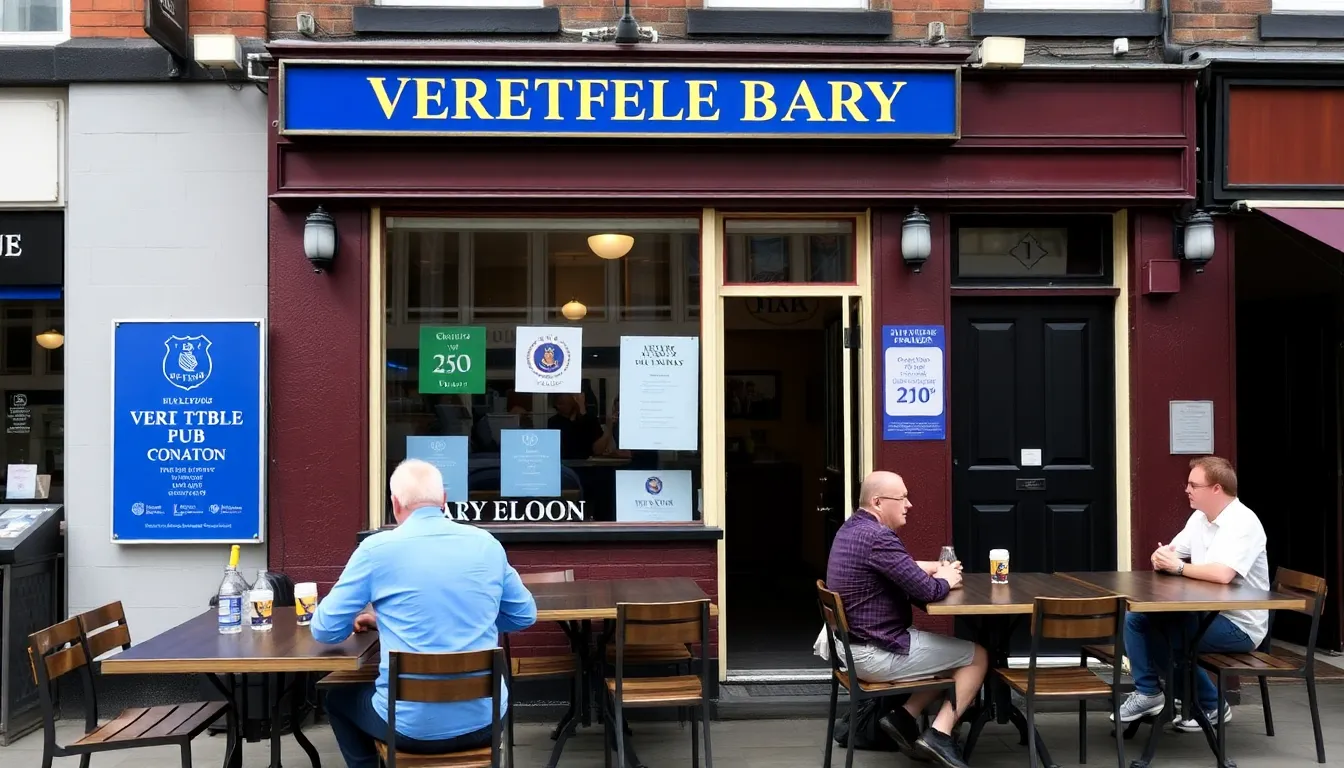
Local businesses and community feeling the effects of the move
The relocation of Everton Football Club from Goodison Park has reverberated through the local community, particularly affecting pubs and small businesses in the area. These establishments, which thrived on matchday crowds, now face uncertainty as foot traffic diminishes. The loss of a major draw has left many owners scrambling to adapt to a new reality.
In the short term, pubs that once buzzed with fans before and after games are experiencing noticeable declines in patronage. Many establishments report a significant drop in sales, leading to layoffs and, in some cases, permanent closures. The local economy, which relied heavily on the influx of supporters, is feeling the strain as fewer visitors frequent the area.
Mid-term impacts could include shifts in local policies aimed at revitalizing the community. The city may need to invest in new attractions or events to draw people back. However, there is also the risk of increased competition from other areas that may capitalize on Everton’s absence, further diminishing the local market.
- Decline in pub revenues and potential closures
- Job losses in the hospitality sector
- Shifts in local economic policies to attract visitors
- Opportunities for new businesses catering to different demographics
Despite these challenges, there are potential opportunities for local businesses to pivot their offerings. Some pubs are exploring new themes or events that could attract a different clientele, while others are focusing on community engagement to strengthen local ties. This adaptability could help mitigate the negative impacts of the club’s move and foster a renewed sense of community.
Frequently asked questions about Everton’s move and its effects
A: Everton’s move was driven by the need for a modern stadium that meets current standards and provides better facilities for fans. The aging Goodison Park was no longer able to accommodate the growing demands of the club and its supporters.
A: Many local pubs have reported a significant drop in foot traffic and sales since Everton’s departure. The absence of matchday crowds has left a void that many establishments are struggling to fill.
A: Various community initiatives are being discussed to support local businesses, including promotional events and partnerships with nearby establishments to attract more visitors.
A: The community has expressed mixed feelings, with some understanding the need for a new stadium, while others feel a deep sense of loss for the local culture that Goodison Park represented.
A: While the immediate effects have been negative for local pubs, there is hope that the new stadium will eventually bring increased tourism and economic activity to the area, benefiting local businesses in the future.
Looking ahead: the future of local pubs and community spirit
The departure of Everton from Goodison Park has not only altered the landscape of football in the region but has also significantly impacted the local community, particularly its pubs. As these establishments struggle to adapt to the changing dynamics, the challenge lies in finding new ways to foster community spirit and maintain their relevance in a rapidly evolving environment.
Moving forward, it will be crucial for pub owners and local stakeholders to explore innovative strategies that can revive the social fabric of the area. Engaging with residents, hosting community events, and leveraging digital platforms may provide pathways for rejuvenation, ensuring that these pubs remain vital hubs of interaction.
- Community Engagement: Pubs should actively involve locals in decision-making processes to create a sense of ownership and belonging.
- Diverse Offerings: Expanding menus and event types can attract a wider audience, making pubs more appealing to non-football fans.
- Partnerships: Collaborations with local businesses and organizations can enhance visibility and drive foot traffic to pubs.
- Embrace Technology: Utilizing social media and online platforms for promotion can help pubs reach younger demographics and keep regulars informed.
- Focus on Experience: Creating unique and memorable experiences can differentiate local pubs from larger chains and foster loyalty among patrons.