
The last known giant tortoise on Floreana was seen in the early 19th century, leading to concerns about the species’ extinction. In 2022, a breeding program successfully hatched 1,800 tortoise eggs, which were then raised in a controlled environment before being released into their natural habitat, showcasing the importance of conservation efforts.
This initiative is part of a broader effort to restore ecological balance on the island, which has faced challenges due to invasive species and habitat degradation. The return of the tortoises is expected to help regenerate the island’s vegetation and provide a boost to its biodiversity.
The reintroduction of these iconic reptiles not only marks a victory for conservationists but also serves as a reminder of the ongoing need for environmental stewardship. As the giant tortoises begin to thrive once more, their presence symbolizes hope for the recovery of other endangered species in the Galápagos.
Understanding the history of giant tortoises in the Galápagos
The giant tortoises of the Galápagos Islands have long been emblematic of the unique biodiversity that characterizes this remote archipelago. These remarkable reptiles, once abundant across the islands, faced dramatic declines due to human activities, particularly during the 19th century when whalers and settlers exploited them for food and their shells, which highlights the impact of human intervention on natural ecosystems.
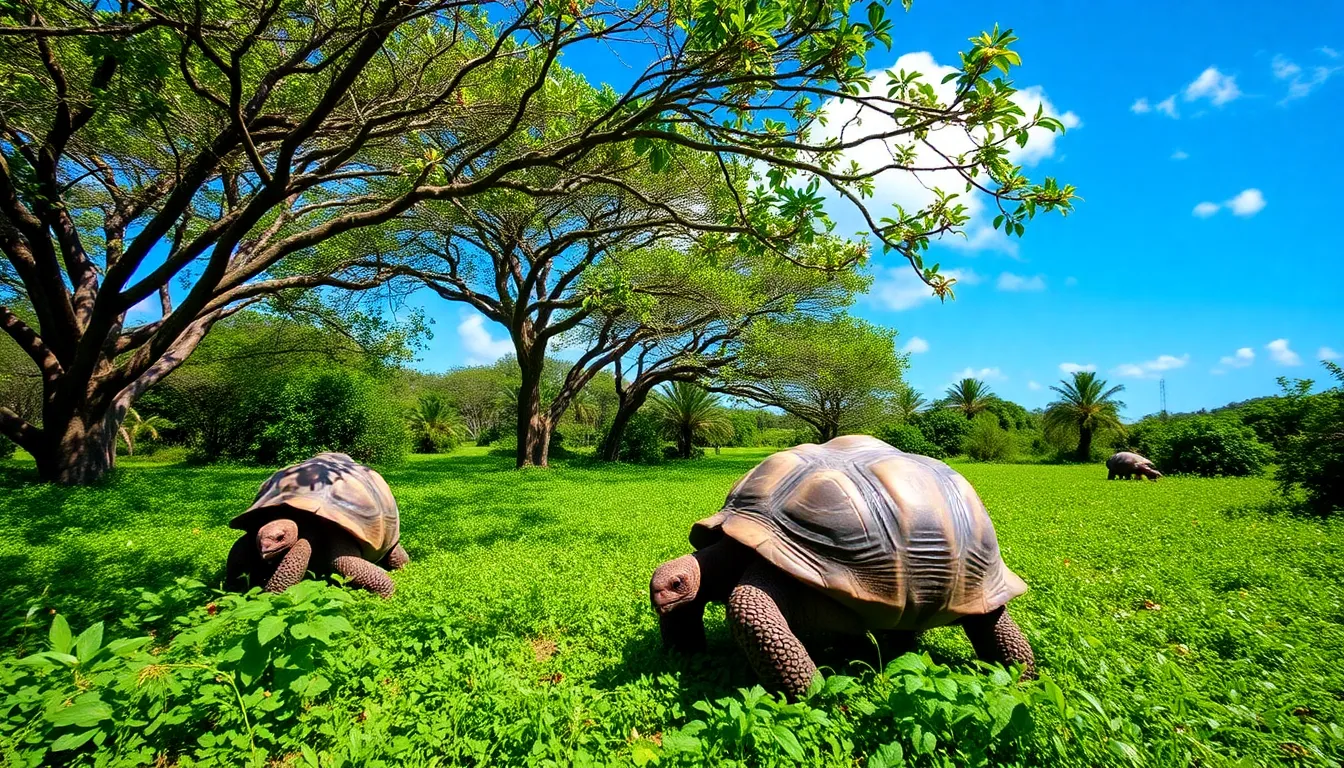
In the early 20th century, conservation efforts began to take shape, driven by the recognition of the tortoises’ ecological importance and the need to protect them from further decline. The establishment of the Galápagos National Park in 1959 marked a significant milestone in the conservation movement, providing a protected habitat for the remaining tortoise populations.
The Role of Conservation Programs
Over the past few decades, various conservation programs have been implemented to restore the giant tortoise populations. These efforts include breeding programs, habitat restoration, and strict regulations against poaching. The success of these initiatives has been evident, with reports of tortoises returning to their native islands after nearly two centuries of absence. Such milestones not only highlight the resilience of nature but also underscore the importance of sustained conservation efforts in preserving the unique wildlife of the Galápagos.
The return of giant tortoises to their native habitats symbolizes a broader narrative of recovery and renewal in the Galápagos Islands. It reflects the ongoing commitment of both local authorities and international organizations to protect the delicate ecosystems that have made the Galápagos a UNESCO World Heritage site. This moment serves as a reminder of the interconnectedness of species and the necessity of safeguarding our planet’s biodiversity for future generations.
Key stakeholders in the conservation efforts
The return of giant tortoises to the Galápagos Islands after nearly 200 years is a significant achievement in conservation, involving various stakeholders with differing interests. These stakeholders include local government authorities, conservation organizations, scientists, and the local communities that inhabit the islands. Each group plays a crucial role in the ongoing efforts to protect and sustain the tortoise population and the unique ecosystem of the Galápagos.
Local government authorities, such as the Galápagos National Park Directorate, are primarily concerned with the preservation of biodiversity and the sustainable management of natural resources. Their interests align with the need to promote eco-tourism, which can provide economic benefits while ensuring the protection of the islands’ unique wildlife. However, the challenge lies in balancing tourism development with conservation efforts to prevent habitat degradation.
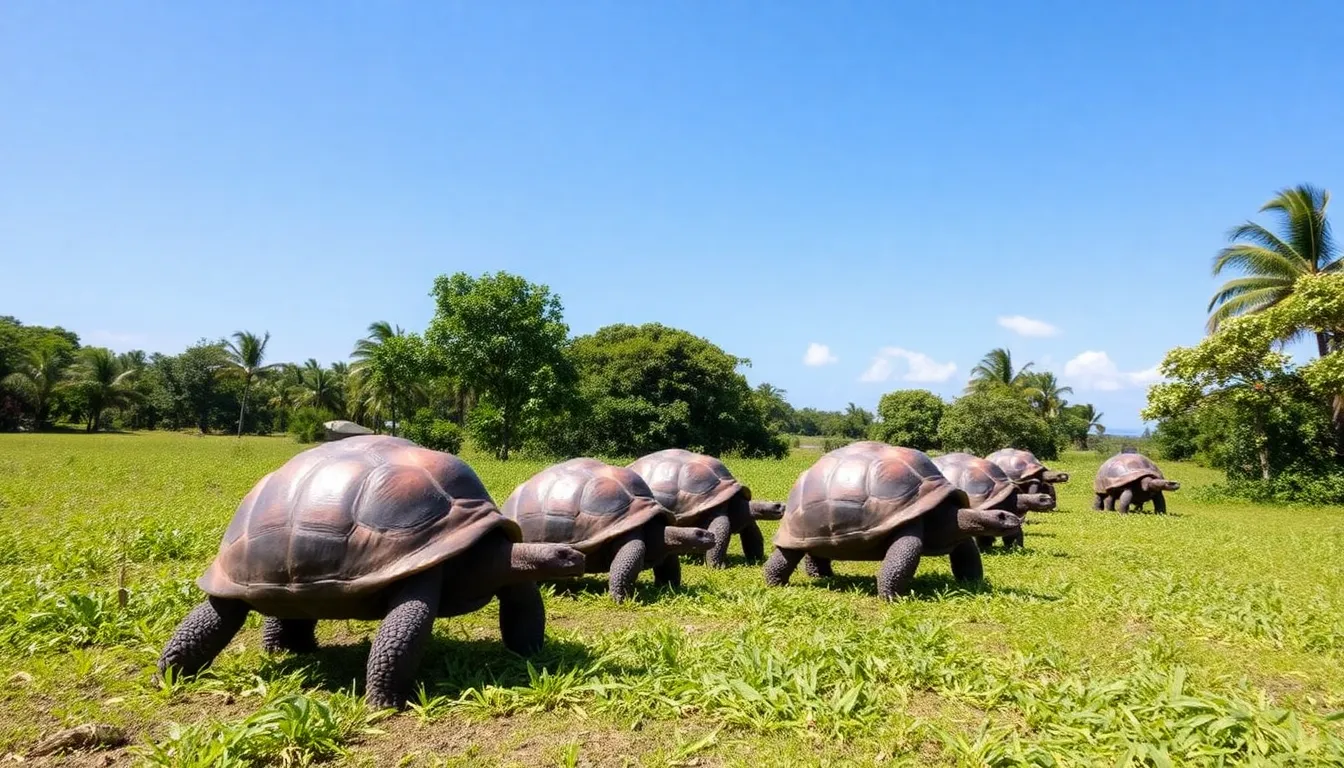
Conservation organizations, including the Charles Darwin Foundation, are dedicated to the research and rehabilitation of endangered species. Their focus is on implementing breeding programs and habitat restoration projects. Conflicts may arise between these organizations and local communities when conservation measures restrict access to traditional lands or resources, leading to potential economic trade-offs for residents who rely on fishing and agriculture.
- Scientific Research: Researchers are interested in studying the tortoises to understand their ecology and behavior, which can inform conservation strategies.
- Local Communities: Residents may have mixed feelings about conservation efforts, as restrictions can impact their livelihoods while also providing opportunities through eco-tourism.
- International Organizations: Global conservation groups may advocate for funding and support, which can create dependencies that affect local governance.
- Legal Framework: The legal protections for endangered species can complicate land use policies, leading to disputes between conservation goals and economic development.
In summary, the return of giant tortoises to the Galápagos is a multifaceted issue involving various stakeholders with competing interests. The interplay between conservation efforts and local economic needs presents ongoing challenges that require careful negotiation and collaboration to ensure a sustainable future for both the tortoises and the communities that share their habitat.
The ecological impact of the tortoises’ return
The return of giant tortoises to the Galápagos Islands after nearly 200 years marks a significant ecological milestone that affects various groups, including local communities, conservationists, and the tourism industry. These tortoises play a crucial role in maintaining the delicate balance of the island’s ecosystem, which can lead to both positive and negative impacts on different stakeholders.
In the short term, local communities may experience changes in their daily lives as the tortoises begin to repopulate their native habitats. Increased awareness and interest in conservation efforts may lead to a surge in eco-tourism, benefiting local businesses that cater to visitors. However, there may also be challenges, such as the need for enhanced conservation policies to protect these tortoises from potential threats, including invasive species and habitat destruction.
Mid-term impacts could include shifts in agricultural practices as farmers adapt to the presence of tortoises, which may affect crop yields and land use. The tortoises’ grazing habits can influence plant growth, potentially leading to new opportunities for sustainable farming practices. However, this may also pose risks if the tortoises disrupt existing agricultural systems.
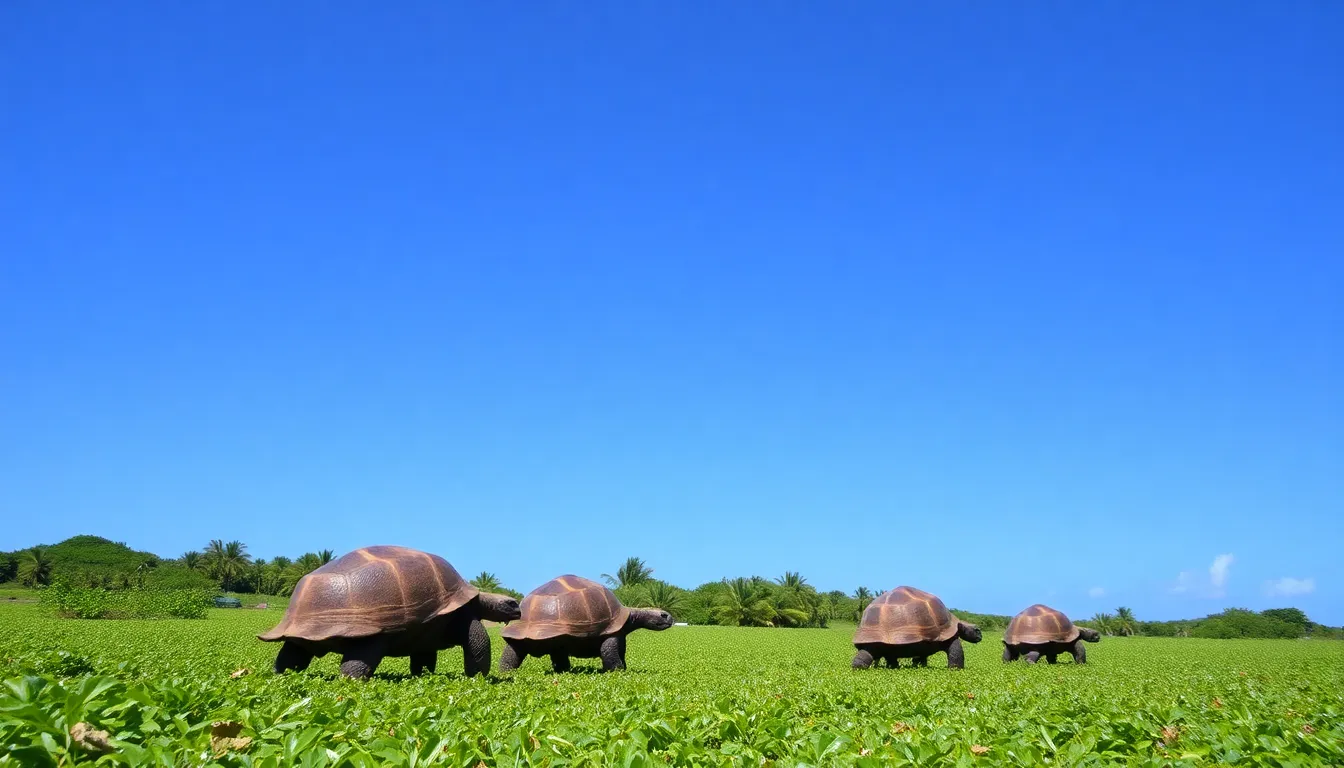
- Ecotourism Growth: Increased visitor interest may boost local economies.
- Conservation Policies: New regulations may be needed to protect tortoises and their habitats.
- Agricultural Adjustments: Farmers may need to adapt practices to accommodate tortoise presence.
- Community Engagement: Local populations may become more involved in conservation initiatives.
Overall, the return of giant tortoises presents a unique opportunity for the Galápagos Islands to enhance their conservation efforts and promote sustainable practices. However, careful management will be essential to mitigate risks and ensure that the benefits are maximized for all stakeholders involved.
A: The giant tortoises were driven to extinction on the island due to overhunting and habitat destruction by humans in the 19th century. A: Conservationists bred tortoises in captivity and released them back into their native habitat as part of a restoration project. A: Their return is crucial for restoring ecological balance and biodiversity on the island, as they play a vital role in the ecosystem. A: The public can support conservation through donations, volunteering, and spreading awareness about the importance of preserving wildlife. A: The tortoises face threats from invasive species, climate change, and habitat loss, which require ongoing conservation efforts to mitigate.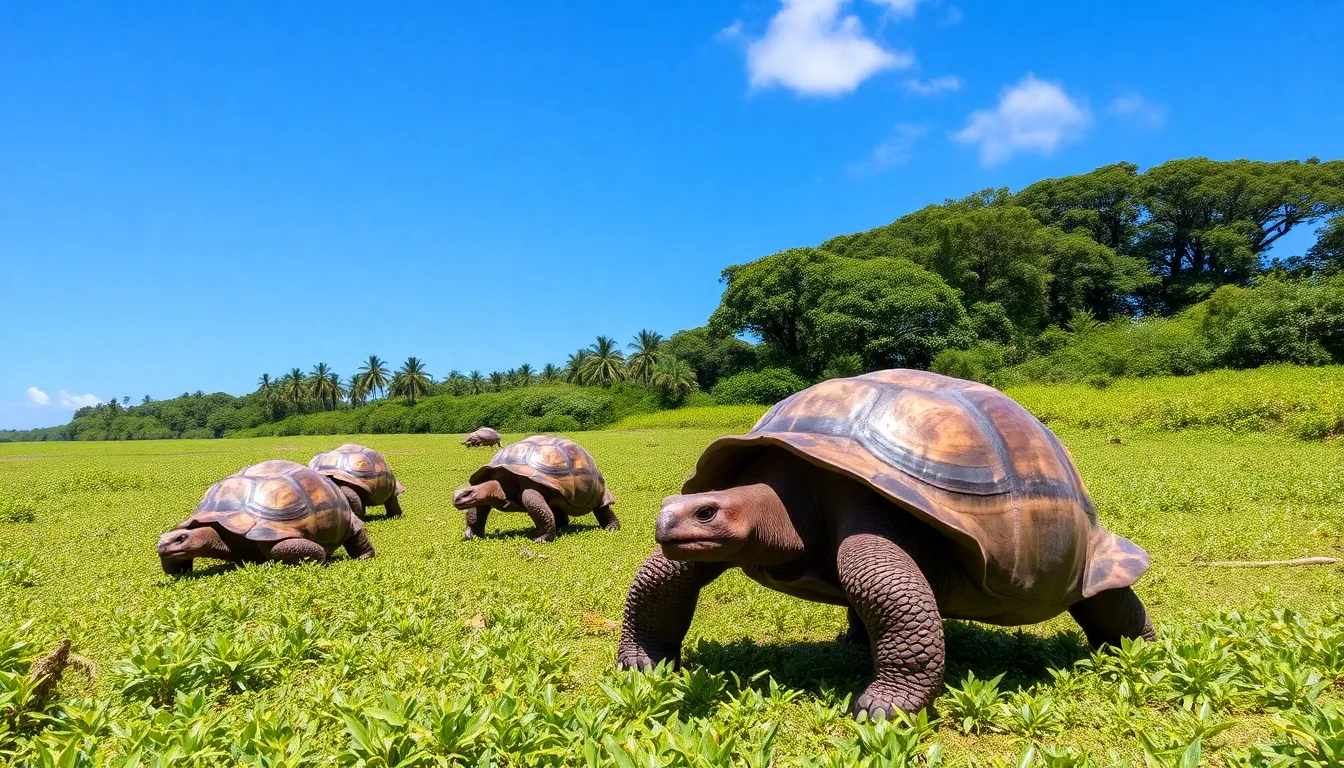
Frequently asked questions about the giant tortoises
Looking ahead at the future of giant tortoises in the Galápagos
The successful return of giant tortoises to the Galápagos Islands after nearly two centuries marks a significant milestone in conservation efforts. This event not only highlights the resilience of nature but also underscores the importance of targeted ecological restoration. As these iconic creatures reestablish their presence, their impact on the ecosystem will be closely monitored, providing valuable data for future conservation initiatives.
Moving forward, the interplay between giant tortoises and their environment will be crucial in understanding the broader implications for biodiversity in the Galápagos. Stakeholders, including conservationists and local communities, must remain engaged to ensure the sustainability of this remarkable comeback.
- Monitoring the health and behavior of the tortoise population will provide insights into ecosystem recovery.
- Engaging local communities in conservation efforts can enhance support and awareness for ongoing initiatives.
- Assessing the impact of giant tortoises on vegetation and other wildlife will be essential for ecological balance.
- Continued research and funding will be necessary to address potential challenges like climate change and invasive species.
- Collaboration between international conservation organizations and local governments can strengthen efforts to protect the Galápagos ecosystem.