
The U.S. Embassy in Jerusalem will oversee these operations, which aim to facilitate various consular services for American citizens and support for U.S.-Israeli relations. This move comes amid ongoing discussions regarding the future of the Israeli-Palestinian conflict and the status of settlements in the West Bank, a topic that has been frequently explored in articles such as this one.
Officials have stated that the decision to provide services in the settlement reflects a commitment to strengthening ties with Israel. However, it has drawn criticism from Palestinian leaders and international observers who view the expansion of U.S. services in settlements as potentially undermining efforts for a two-state solution.
As the U.S. prepares to implement these new services, reactions from both Israeli and Palestinian communities are being closely monitored. The situation remains fluid, and the implications of this decision could have lasting effects on regional dynamics and peace negotiations.
Historical Context of U.S. Relations with Israeli Settlements
The establishment of Israeli settlements in the West Bank has been a contentious issue since the Six-Day War in 1967, when Israel captured the territory from Jordan. Over the decades, these settlements have expanded, leading to ongoing disputes regarding their legality under international law and their impact on the Israeli-Palestinian peace process. The U.S. has historically maintained a complex relationship with these settlements, often balancing its support for Israel with the need to address Palestinian rights and aspirations for statehood.
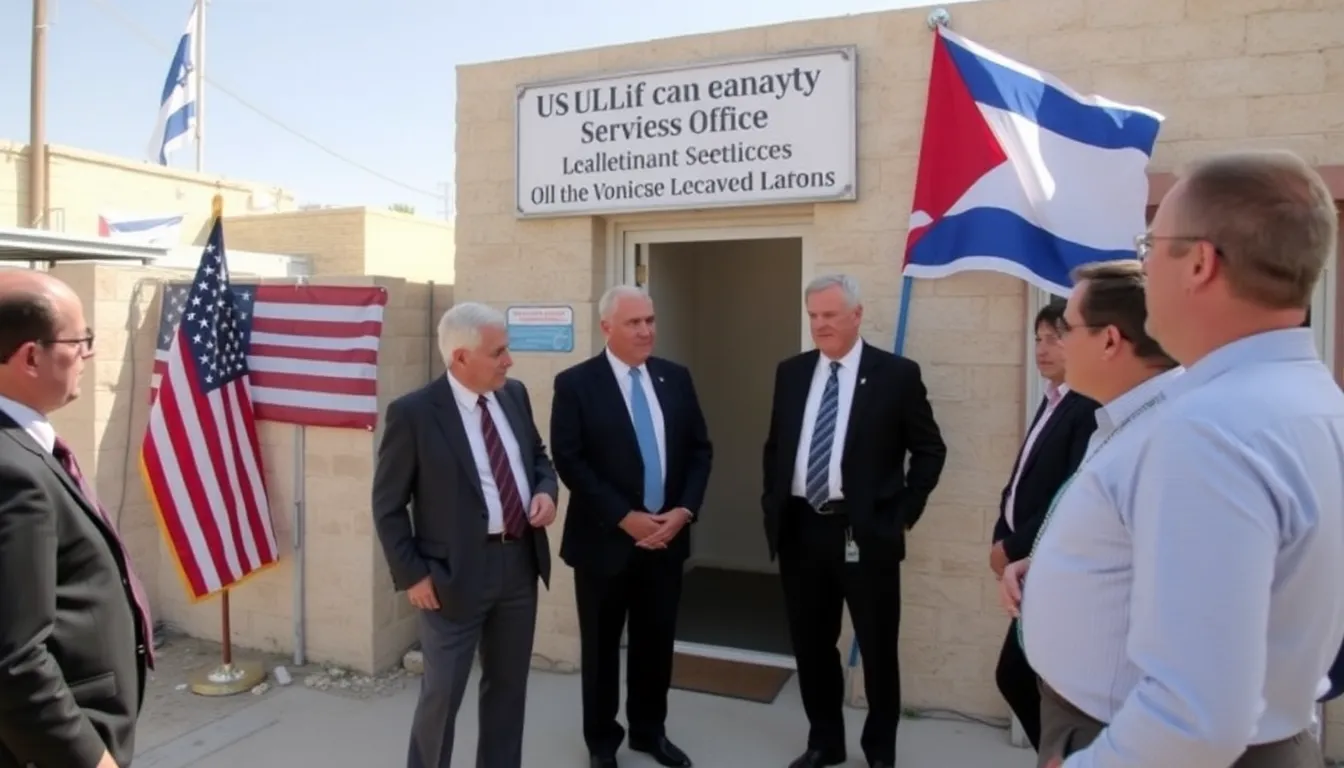
However, this stance shifted significantly under various administrations. The Trump administration, in particular, took a pro-settlement approach, recognizing Jerusalem as Israel’s capital and allowing for greater settlement activity, which mirrors the growing complexity of U.S. foreign policy in the region.
This move could be seen as a direct challenge to Palestinian claims over the West Bank and may provoke significant backlash from Palestinian leaders and the international community, raising tensions that resemble other geopolitical conflicts, such as those involving Pakistan.
Key Milestones in U.S. Policy Shift
Several key milestones have marked the evolution of U.S. policy toward Israeli settlements. In 1980, President Carter described the settlements as “inconsistent with international law,” a position that set the tone for subsequent administrations. However, the Oslo Accords in the 1990s led to a temporary thaw in tensions, as both sides sought to negotiate a two-state solution. The subsequent years saw fluctuating support for settlements, culminating in the Trump administration’s 2019 declaration that the U.S. no longer viewed settlements as inherently illegal.
The latest developments reflect a broader trend in U.S. foreign policy that increasingly favors Israeli interests, raising questions about the future of peace negotiations and the viability of a two-state solution. As the U.S. takes this unprecedented step, the implications for regional stability and U.S. relations with Arab nations and the Palestinian Authority remain to be seen.
Key Stakeholders and Issues Surrounding the Decision
The recent decision by the U.S. government to offer embassy services in a West Bank settlement marks a significant shift in diplomatic practices and has drawn attention from various stakeholders. The primary actors involved include the U.S. government, the Israeli government, Palestinian authorities, and international organizations. Each of these stakeholders has distinct interests and concerns regarding this development.
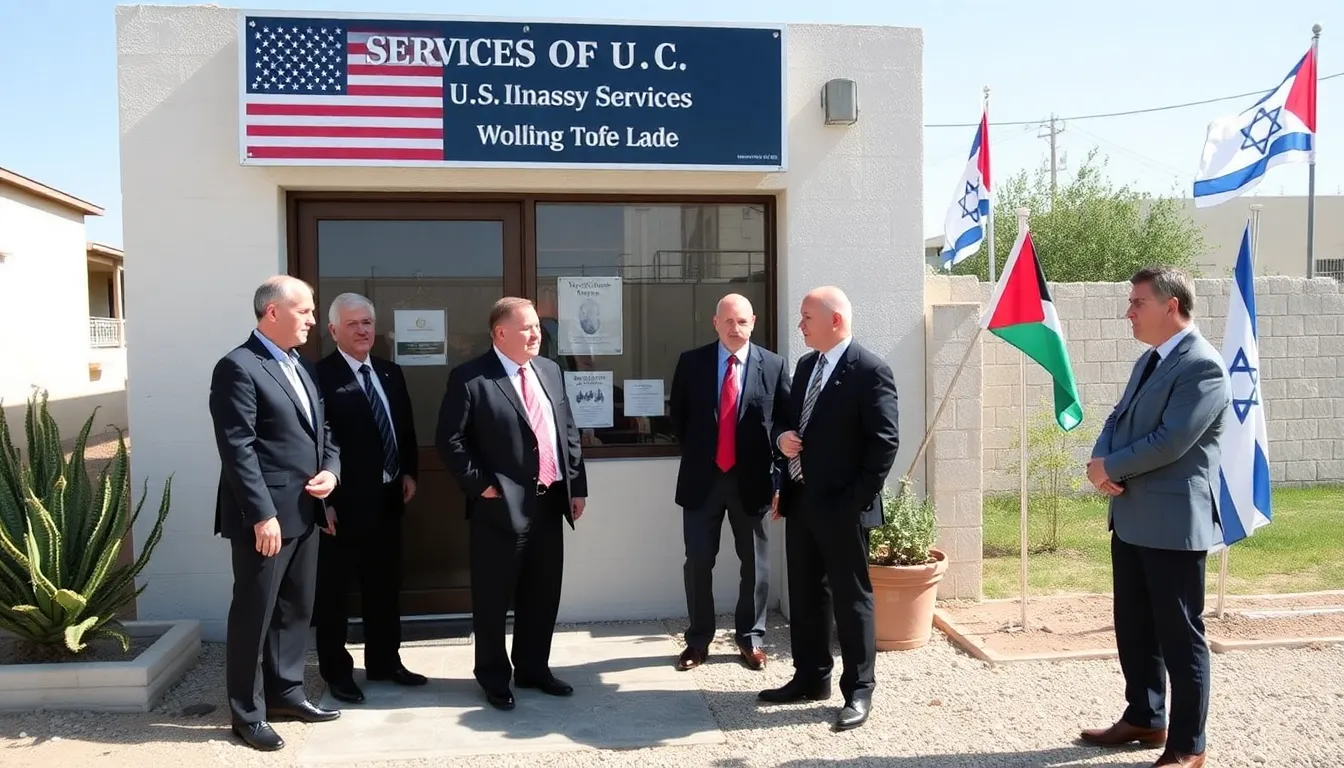
The U.S. government aims to enhance its diplomatic presence in the region, potentially signaling support for Israeli sovereignty claims over the disputed territories. This move may be seen as an effort to strengthen bilateral relations with Israel, particularly in the context of ongoing peace negotiations. However, this decision could also provoke backlash from Palestinian leadership and their supporters, who view the settlement as an illegal encroachment on land they consider rightfully theirs.
Israeli officials are likely to welcome this decision, interpreting it as validation of their settlement policies and a reinforcement of their claims to the West Bank. In contrast, Palestinian authorities are expected to condemn the move, viewing it as a direct challenge to their aspirations for statehood and territorial integrity. This divergence in perspectives highlights the broader conflict over land and governance in the region.
- Legal Issues: The legality of settlements under international law remains contentious, with many countries considering them illegal. The U.S. decision may complicate its standing in international forums.
- Economic Implications: Increased U.S. presence could lead to economic incentives for Israeli settlements, while potentially stifling Palestinian economic development.
- Regional Stability: This decision could exacerbate tensions in an already volatile region, affecting relations between Israel and neighboring Arab states.
- Domestic Reactions: Within the U.S., various political factions may respond differently, with some supporting the move while others oppose it vehemently.
- International Response: Other countries and international organizations may react strongly, potentially leading to diplomatic rifts or calls for sanctions against Israel.
In summary, the decision to provide embassy services in a West Bank settlement involves a complex interplay of interests and potential consequences. Understanding the motivations and reactions of each stakeholder is crucial for grasping the broader implications of this significant diplomatic development.
Potential Impact on Israeli-Palestinian Relations
The decision by the U.S. to offer embassy services in a West Bank settlement marks a significant shift in diplomatic engagement that could affect various groups and industries. Primarily, Israeli settlers in the West Bank may view this as a validation of their presence, potentially strengthening their resolve and increasing settlement activity. Conversely, Palestinian communities are likely to perceive this move as a further encroachment on their rights and sovereignty, escalating tensions in an already fraught environment.
In the short term, this action could lead to heightened protests and unrest among Palestinians, impacting daily life and safety in the region. Businesses in areas close to the settlements may experience disruptions, while tourism in the West Bank could be negatively affected due to potential violence or increased military presence. The political landscape may also shift, with Palestinian leadership calling for international intervention or support to counteract perceived injustices.
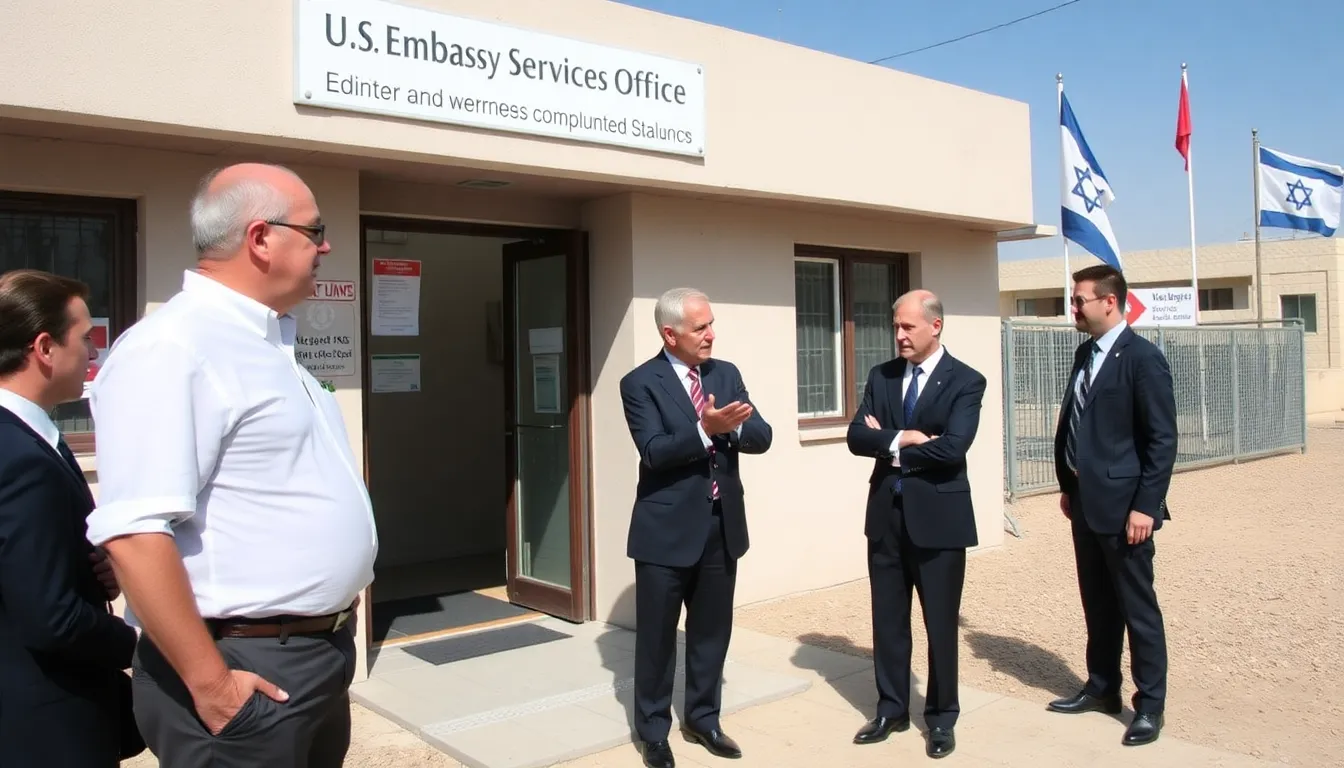
Mid-term impacts may include a reevaluation of economic ties and trade relations in the region. Industries reliant on stability, such as agriculture and tourism, could suffer if tensions escalate. However, there are potential opportunities for businesses that align with the U.S. policy, particularly those in the construction and real estate sectors catering to settlers. Additionally, international businesses may seek to navigate the complexities of the situation to establish a foothold in emerging markets.
- Increased tensions between Israeli settlers and Palestinian communities.
- Potential disruptions to local businesses and tourism in the West Bank.
- Opportunities for construction and real estate industries within settlements.
- Shift in international diplomatic engagement and economic policies.
Ultimately, the ramifications of this decision will reverberate through various sectors, influencing not only immediate reactions but also long-term strategies for peace and cooperation in the region.
A: The U.S. aims to strengthen its ties with Israel and support its presence in disputed territories. This move reflects a shift in U.S. foreign policy towards a more supportive stance on Israeli settlements. A: The decision may complicate the peace process by further entrenching Israeli claims to the territory, potentially alienating Palestinian authorities and complicating negotiations. A: The embassy services will likely include consular services, support for American citizens, and diplomatic engagements, although specific details have yet to be disclosed. A: Palestinian leaders have condemned the decision, viewing it as a provocation that undermines their claims to statehood and sovereignty. A: Historically, the U.S. has been critical of Israeli settlements in the West Bank, viewing them as obstacles to peace, but recent administrations have shifted towards a more supportive approach.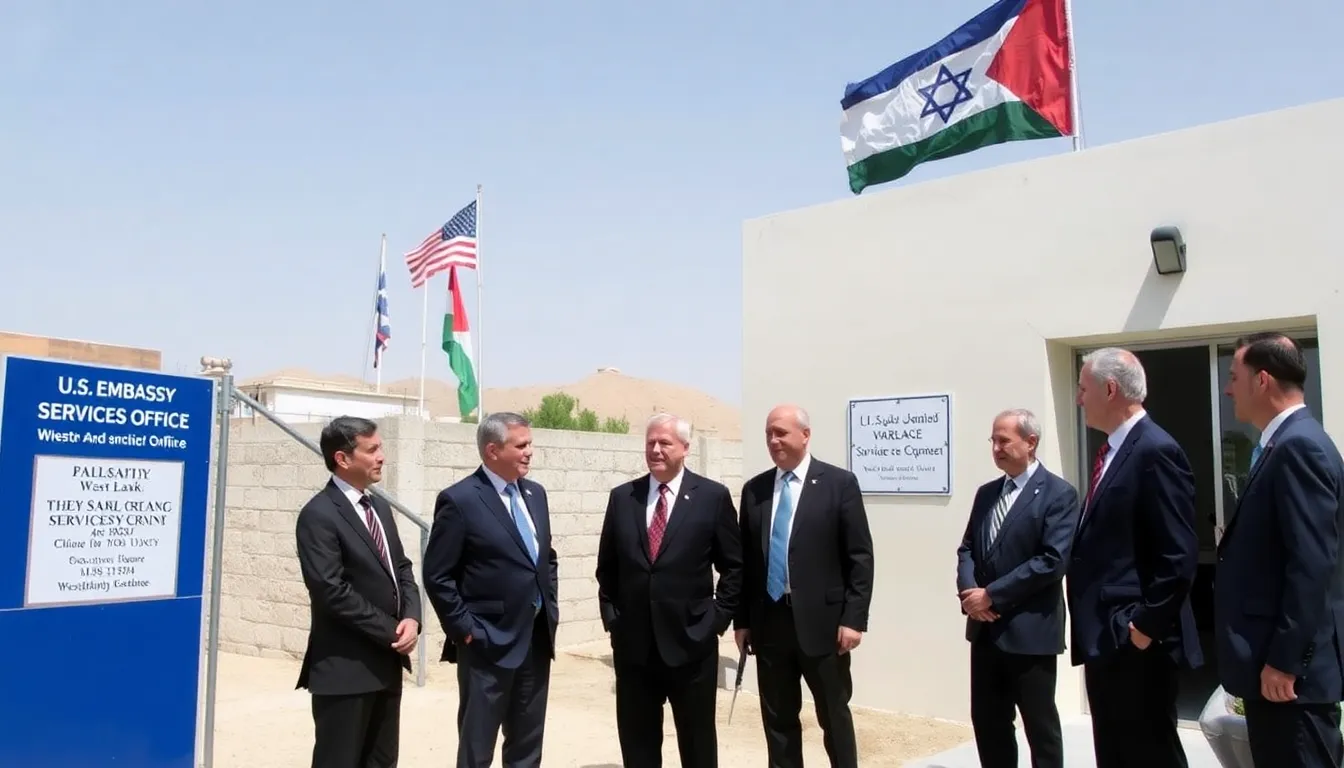
Frequently Asked Questions About the Embassy Services
Key Takeaways and Future Outlook on U.S. Diplomatic Actions
The decision to offer embassy services in a West Bank settlement marks a significant shift in U.S. diplomatic posture. This move is likely to have wide-ranging implications for U.S.-Israel relations, Palestinian governance, and broader Middle Eastern dynamics. As the geopolitical landscape evolves, monitoring the reactions from both local and international stakeholders will be crucial for understanding the potential ripple effects of this policy change.
In the coming months, the U.S. will need to navigate the complexities of this decision, balancing its strategic interests with the need for regional stability. Observers should pay close attention to how this initiative influences negotiations between Israel and Palestine, as well as the potential responses from neighboring countries and international organizations.
- The establishment of embassy services in a West Bank settlement may embolden Israeli settlement expansion, complicating peace negotiations.
- Increased U.S. presence in the area could lead to heightened tensions with Palestinian authorities and their supporters.
- International reactions, particularly from key allies and adversaries, will shape the future of U.S. engagement in the region.
- The effectiveness of this move in fostering dialogue and reducing conflict will be a critical point to observe.
- Potential shifts in public opinion within the U.S. regarding foreign policy in the Middle East may arise as a result of this decision.