
According to a recent report from the United Nations mission in Sudan, the actions of the RSF during this siege exhibit “hallmarks of genocide.” The UN has documented numerous human rights violations, including targeted attacks on civilians, forced displacements, and systematic destruction of property, which have contributed to a growing humanitarian emergency.
As of October 2023, over 1.5 million people have been displaced in the Darfur region alone, with El Fasher being a central hub for refugees fleeing the violence. The ongoing conflict has severely strained local resources, leading to food shortages and a lack of medical assistance for those in need, further complicating the humanitarian crisis.
The international community is increasingly alarmed by the deteriorating situation, with calls for urgent intervention and support for humanitarian efforts. The UN and various human rights organizations are urging immediate action to protect civilians and address the escalating violence, highlighting the need for accountability for those responsible for these atrocities, much like the international response to the recent military purge in China.
Exploring the historical background of the conflict
The ongoing conflict in Sudan, particularly in the Darfur region, has deep historical roots that can be traced back to colonial times. The British-Egyptian rule in Sudan from the 19th century to mid-20th century laid the groundwork for ethnic and regional disparities, which have continued to influence the dynamics of power and resource distribution in the country. The colonial administration favored certain groups over others, creating lasting divisions that have manifested in violence and conflict.
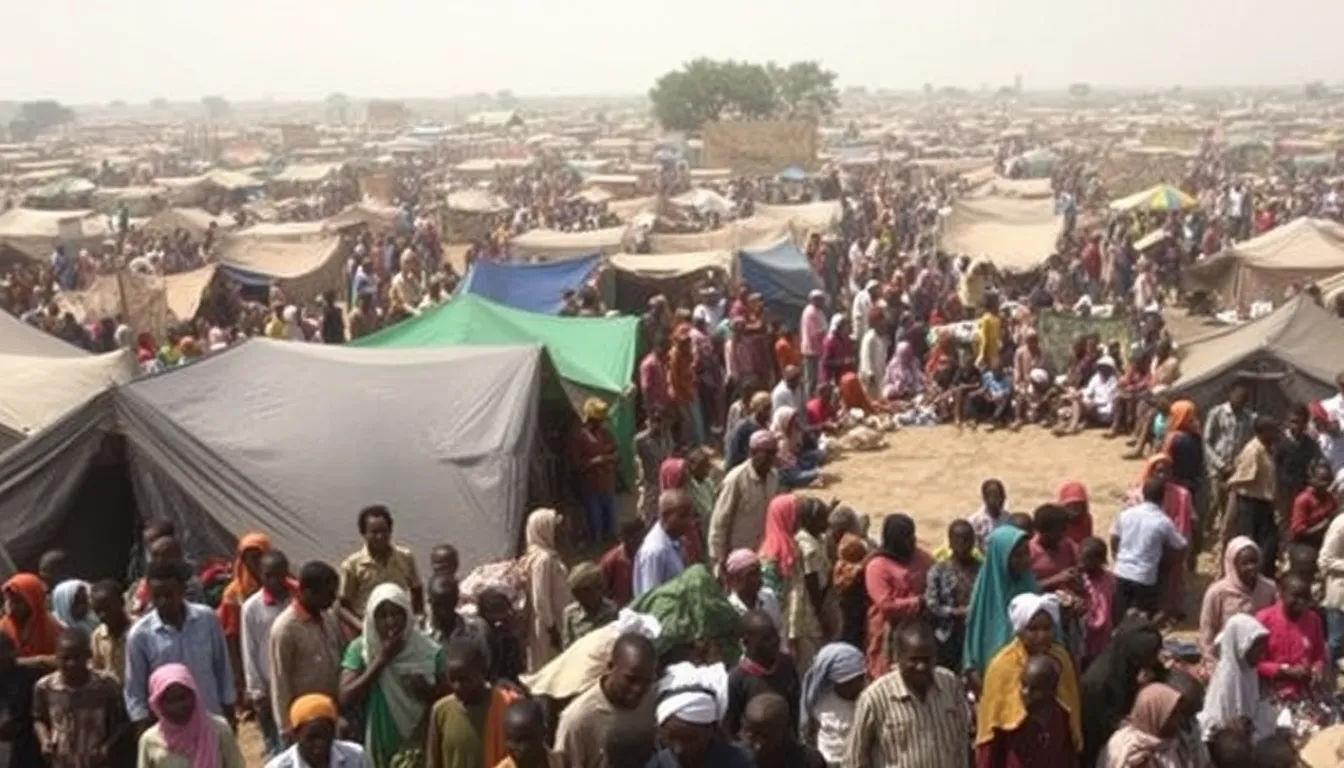
Following Sudan’s independence in 1956, successive governments struggled to address the needs of diverse ethnic groups, particularly in peripheral regions like Darfur. Political marginalization and economic neglect fueled resentment among the local populations. The situation escalated in the early 2000s when the Sudanese government, under President Omar al-Bashir, launched a brutal counter-insurgency campaign against rebel groups in Darfur, leading to widespread atrocities and a humanitarian crisis that drew international condemnation.
The Darfur Genocide
The conflict in Darfur reached a critical point between 2003 and 2005, culminating in what has been described as genocide. The Sudanese government’s support for militia groups, known as Janjaweed, resulted in mass killings, displacement, and systematic rape of civilians. The United Nations estimated that hundreds of thousands were killed and millions displaced, prompting international efforts to intervene and provide humanitarian assistance. However, the lack of effective action led to a sense of impunity among the perpetrators.
In recent years, the situation in Sudan has evolved, with the overthrow of al-Bashir in 2019 following widespread protests. However, the transitional government has struggled to maintain stability and address the underlying issues that fueled the conflict. The resurgence of violence in El Fasher, the capital of North Darfur, is a stark reminder of the fragility of peace and the potential for renewed atrocities, as highlighted by the UN mission’s findings that the siege has ‘hallmarks of genocide’.
The current siege reflects not only the immediate political struggles but also the long-standing grievances of marginalized communities in Sudan. The international community faces a critical challenge in responding to the ongoing violence while addressing the historical injustices that have shaped the current landscape. The situation in El Fasher serves as a poignant reminder of the urgent need for a comprehensive approach to peacebuilding and reconciliation in Sudan.
Analyzing the key stakeholders and issues at play
The ongoing siege of El Fasher in Sudan, attributed to the Rapid Support Forces (RSF), has drawn significant attention from various stakeholders, each with their own interests and motivations. The primary actors in this complex situation include the RSF, the Sudanese government, local civilian populations, international organizations, and foreign governments. Understanding their roles is crucial to grasping the broader implications of the conflict.
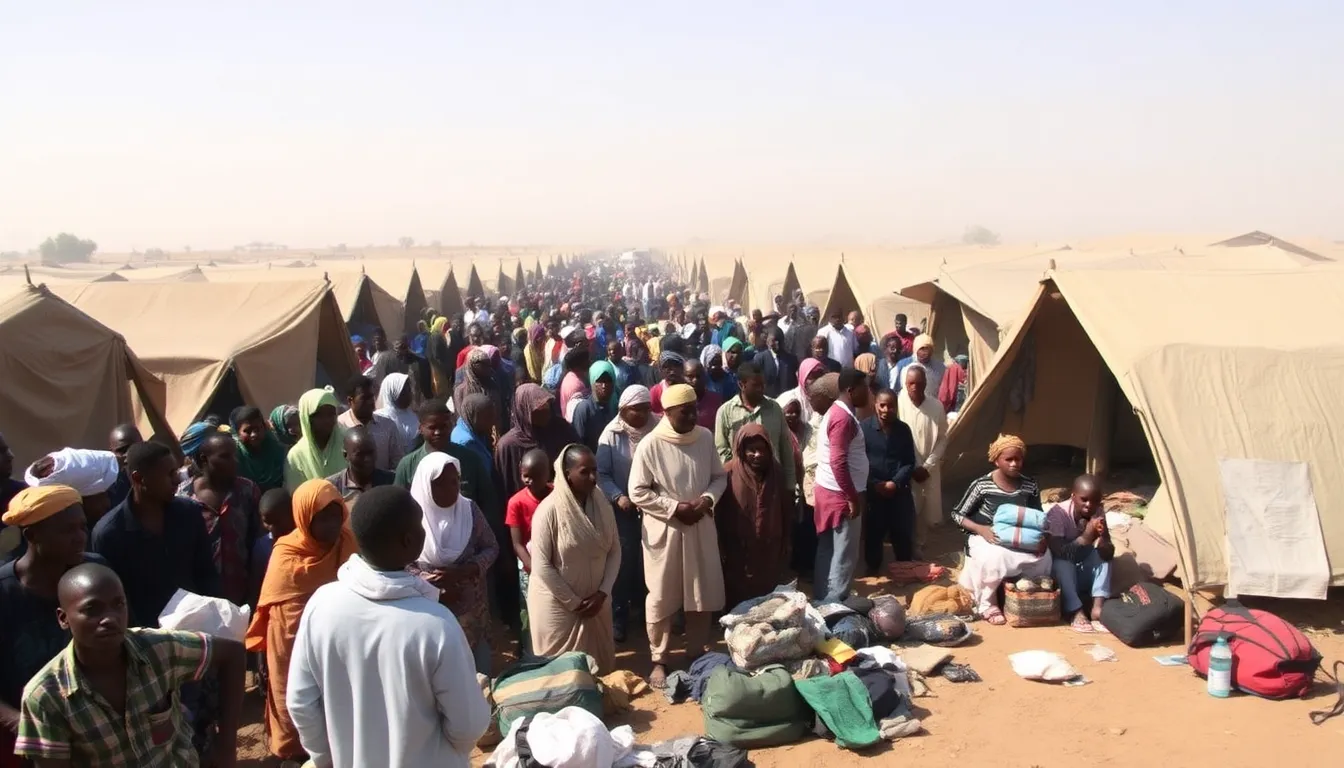
The RSF, a paramilitary group with roots in the Janjaweed militia, is primarily focused on consolidating power and control over strategic regions in Sudan. Their actions in El Fasher appear to reflect a broader strategy to suppress dissent and eliminate opposition, which raises concerns about potential human rights violations and the risk of genocide. This aligns with the findings of the UN mission, which has warned that the RSF’s tactics bear the hallmarks of genocidal behavior.
The Sudanese government, led by military leaders, is also a key player in this conflict. Their interests lie in maintaining stability and authority amidst ongoing civil unrest. However, their reliance on the RSF for military support complicates their position, as they must balance the need for control with the international community’s expectations regarding human rights and governance.
- Local Civilian Populations: The people of El Fasher are caught in the crossfire, facing violence and displacement. Their primary interest is in safety and the restoration of peace.
- International Organizations: Groups like the United Nations and humanitarian organizations are focused on monitoring the situation, providing aid, and advocating for human rights. Their challenge is to navigate the political landscape while ensuring assistance reaches those in need.
- Foreign Governments: Nations with vested interests in Sudan, such as the United States and neighboring countries, are concerned about regional stability and the potential spillover of violence. They may leverage diplomatic pressure or sanctions to influence the actions of the RSF and the Sudanese government.
The legal implications of the RSF’s actions are profound, as allegations of genocide invoke international law and the responsibility of the global community to intervene. Economic considerations also play a role, as the conflict disrupts trade and humanitarian efforts, impacting both local and regional economies. This multifaceted scenario highlights the intricate web of interests and conflicts that define the current crisis in El Fasher.
Assessing the impact on the local population and international response
The ongoing RSF siege of El Fasher in Sudan has profound implications for various groups, particularly the local population, humanitarian organizations, and international stakeholders. The residents of El Fasher, primarily composed of diverse ethnic communities, are directly affected by the violence and instability, which threaten their safety and livelihoods. The siege exacerbates existing tensions and creates an environment ripe for further conflict.
In the short term, the siege disrupts daily life for residents, leading to a scarcity of essential goods and services. Businesses are forced to close, and the local economy is severely impacted. Humanitarian aid organizations face significant challenges in delivering assistance, which is critical for those in need. The blockade on food and medical supplies can lead to increased malnutrition and health crises among vulnerable populations.
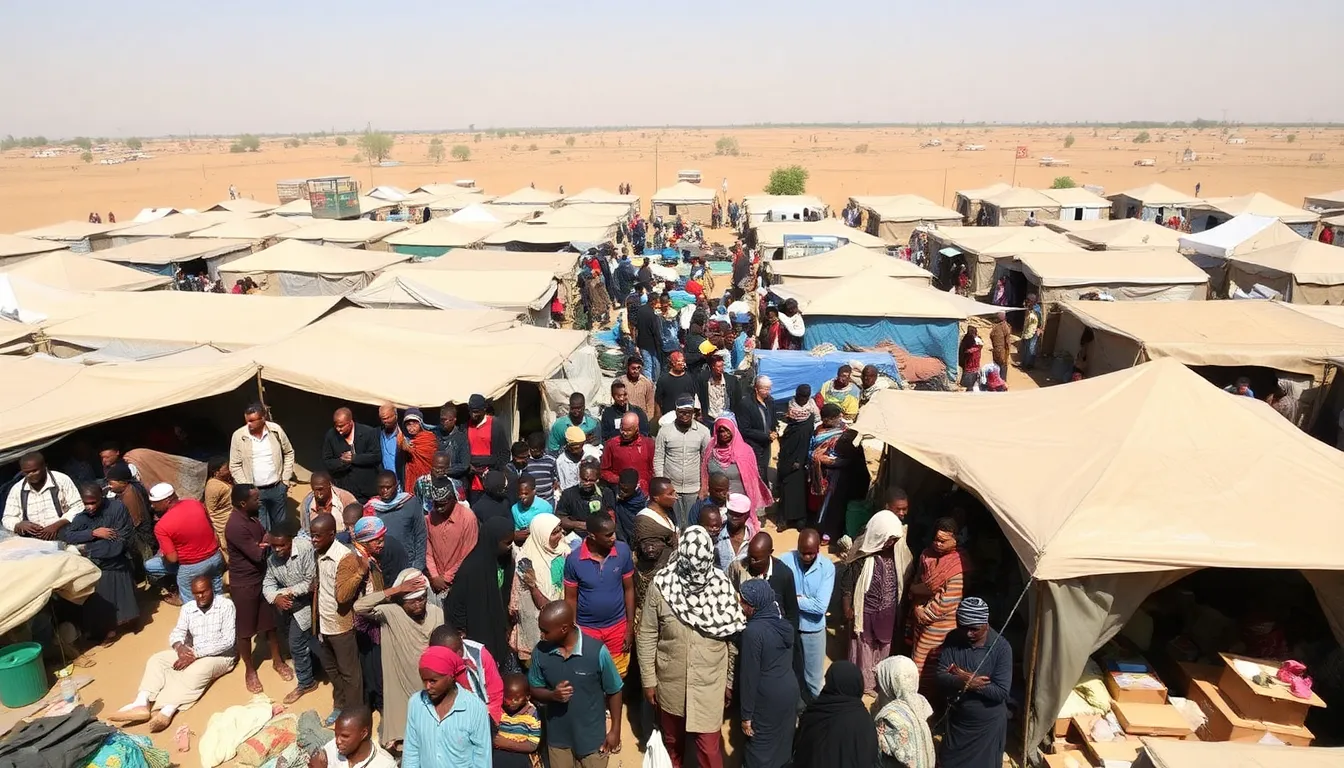
In the mid-term, the implications of the siege could lead to a shift in regional dynamics. As the situation deteriorates, neighboring countries may experience an influx of refugees seeking safety, which could strain resources and heighten regional tensions. Additionally, the international community’s response may lead to changes in foreign policy, with potential sanctions or interventions aimed at addressing the humanitarian crisis.
- Local Population: Increased violence and displacement, leading to humanitarian crises.
- Businesses: Economic downturn due to closures and supply chain disruptions.
- International Organizations: Challenges in delivering aid, impacting their operational capacity.
- Regional Stability: Potential for increased refugee flows affecting neighboring countries.
While the situation presents significant risks, there may also be opportunities for international collaboration and support. Humanitarian organizations could gain increased attention and funding to address the crisis, potentially leading to more robust aid efforts. Moreover, the international community may come together to advocate for peace and stability in Sudan, fostering dialogue and conflict resolution initiatives.
A: The RSF, or Rapid Support Forces, is a paramilitary group in Sudan that has been involved in various conflicts, often accused of human rights violations. Their actions in El Fasher have drawn significant international scrutiny. A: The UN’s findings could lead to increased international pressure on Sudan’s government and the RSF, potentially resulting in sanctions or intervention efforts to protect civilians. A: The local population in El Fasher has faced severe humanitarian crises, including displacement, violence, and lack of access to essential services due to the ongoing siege. A: The international community is closely monitoring the situation, with discussions around potential sanctions and humanitarian aid to support affected civilians. A: Preventing further violence will require diplomatic efforts, increased humanitarian support, and a commitment from international actors to hold perpetrators accountable.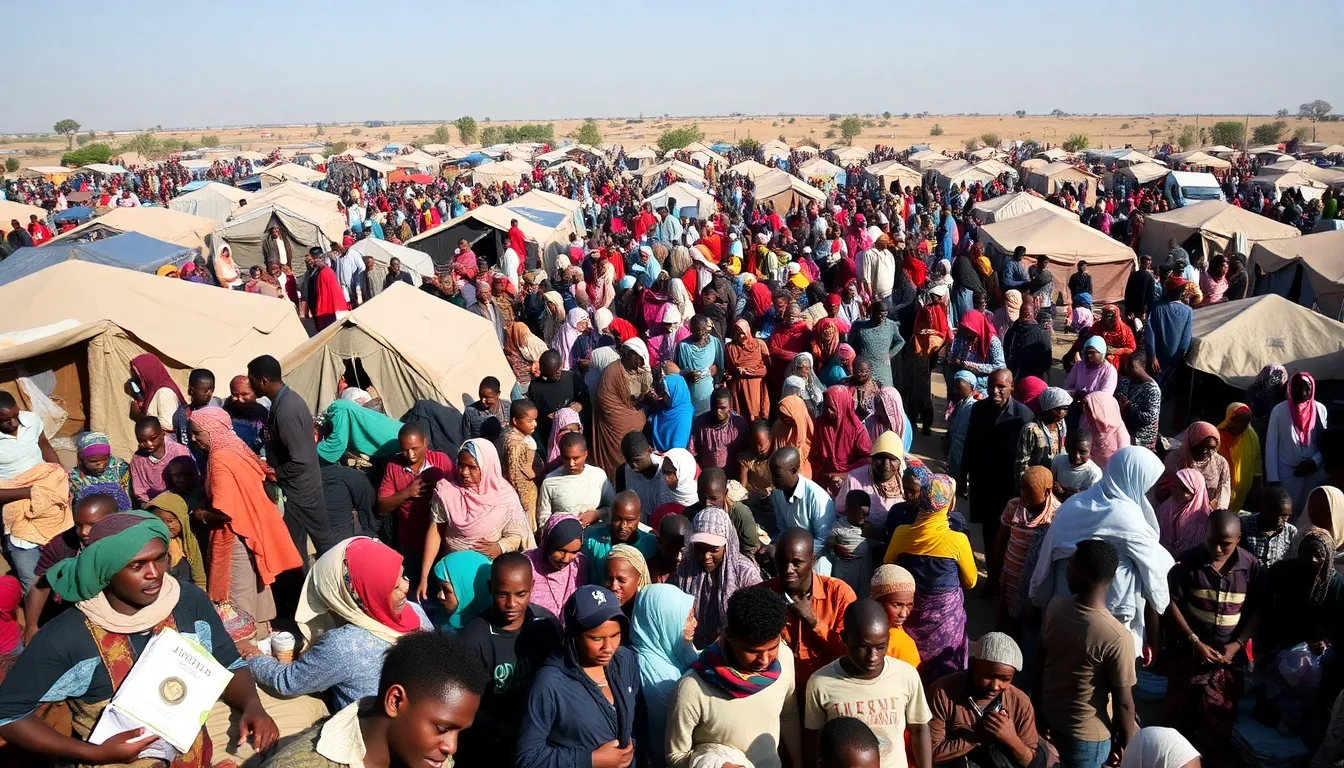
Frequently asked questions about the RSF siege
Key takeaways and future outlook on the situation
The ongoing siege of El Fasher by the Rapid Support Forces (RSF) has raised significant concerns regarding the potential for widespread violence and atrocities in Sudan. The findings of the UN mission, which highlight the situation’s alarming resemblance to genocide, underscore the urgent need for international attention and intervention. As the conflict escalates, the implications for regional stability and humanitarian conditions are becoming increasingly severe.
Monitoring the developments in El Fasher will be critical, as the situation may evolve into a larger humanitarian crisis. The international community must remain vigilant and responsive to the unfolding events, ensuring that measures are in place to protect civilians and hold accountable those responsible for potential war crimes.
- Increased humanitarian aid efforts may be necessary to address the growing needs of displaced populations in and around El Fasher.
- The international community’s response will be crucial in determining the trajectory of the conflict; diplomatic efforts should prioritize peace negotiations.
- Monitoring and reporting mechanisms should be strengthened to document human rights abuses and ensure accountability for perpetrators.
- Regional actors must be engaged to provide support and pressure for a ceasefire, as their involvement can influence the dynamics on the ground.
- Public awareness campaigns may be needed to inform global audiences about the situation, fostering a sense of urgency and advocacy for humanitarian intervention.