
The term “super new moon” refers to the moon’s proximity to Earth during this event. It will be approximately 356,500 kilometers away, making it appear larger and closer than usual. For those interested in lunar phenomena, you might want to read more about NASA’s Return to the Moon. This heightened visibility can enhance the effects of the moon on tides and other natural phenomena, prompting interest from both scientific communities and the general public.
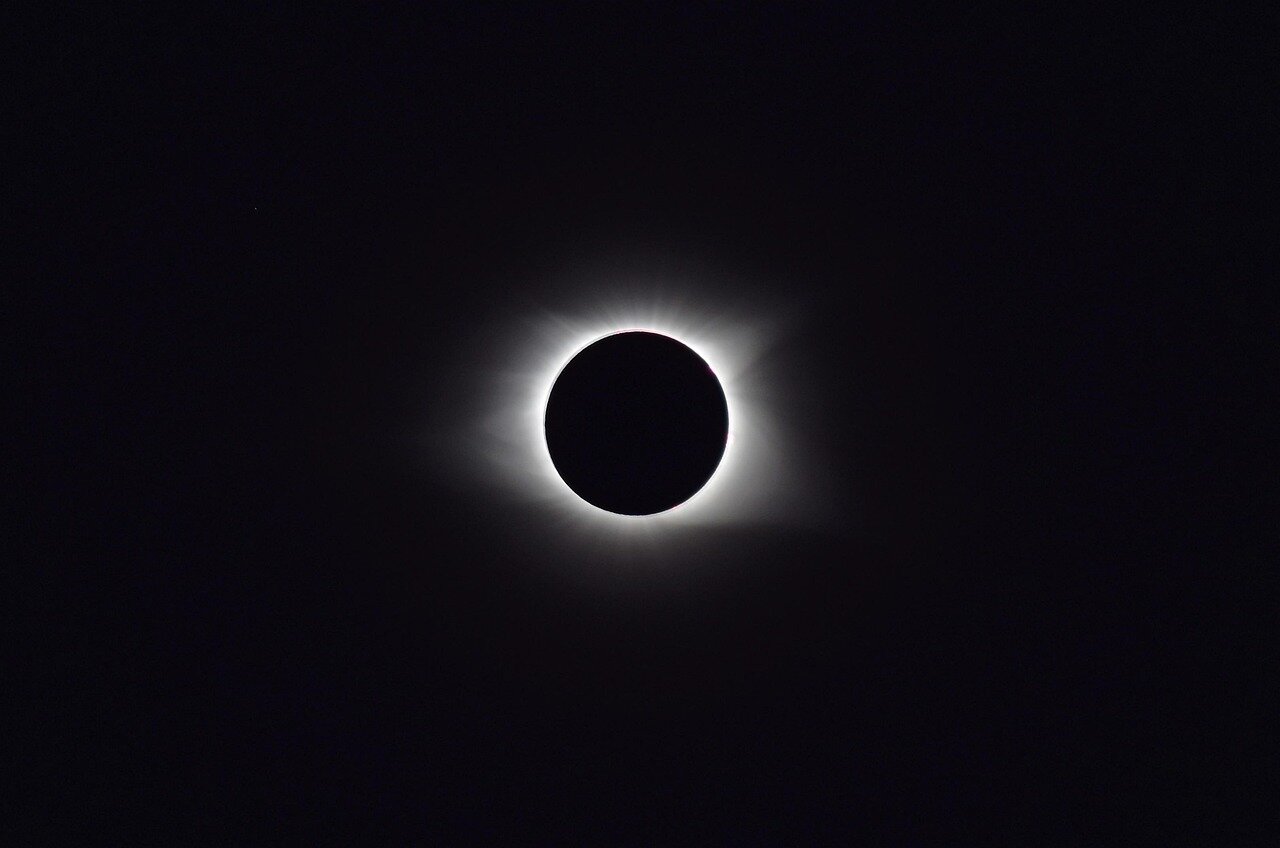
Skywatchers are encouraged to observe the super new moon as it coincides with a partial solar eclipse. This rare alignment of celestial bodies provides an excellent chance for educational outreach and public engagement in astronomy. As part of this event, NASA and other observatories are planning special events to help people understand the significance of this occurrence.
As the date approaches, various media outlets and social platforms are buzzing with information about the event. Enthusiasts are sharing tips on how to best experience the super new moon, including optimal viewing locations and safety precautions for watching the solar eclipse. This collective excitement highlights the ongoing fascination with lunar and solar events in our skies.

The background and significance of the super new moon
The super new moon is a celestial event that occurs when the moon is at its closest point to Earth, known as perigee, while simultaneously being in its new moon phase. This phenomenon has captured the interest of astronomers and the general public alike, as it presents a unique opportunity to observe the moon’s impact on Earth’s tides and natural phenomena. Historically, the new moon has held significant cultural and spiritual importance across various civilizations, often associated with new beginnings and renewal.
In ancient times, societies relied heavily on lunar cycles for agricultural practices, using the phases of the moon to determine the best times for planting and harvesting crops. The new moon, in particular, was seen as a time of rest and reflection, allowing farmers to prepare for the upcoming planting season. Today, the advancements in our understanding of these cycles can be explored further in pieces like Artemis Astronauts to Wear Prada Spacesuits.
Scientific and Cultural Significance
In modern science, the super new moon is studied for its gravitational effects on Earth. The proximity of the moon can lead to higher tides, known as “spring tides,” which can impact coastal communities. This has raised awareness about the potential implications of climate change on tidal patterns, as rising sea levels pose threats to low-lying areas. Additionally, the super new moon has inspired various cultural events and celebrations worldwide, often seen as a time for reflection and goal-setting.
Key milestones in the study of lunar phenomena include the establishment of lunar calendars by ancient civilizations and the advent of space exploration in the 20th century, which allowed for direct observation of the moon. Notably, the Apollo missions provided invaluable data about the moon’s composition and behavior, further enhancing our understanding of its relationship with Earth. As we continue to explore our celestial neighbor, the super new moon serves as a reminder of the intricate connections between our planet and the cosmos.

Key issues and stakeholders involved with the super new moon
The phenomenon of the super new moon, which occurs when the moon is closest to Earth during its new phase, garners interest from a variety of stakeholders. These include astronomers, environmental organizations, government agencies, and the general public. Each group has its own interests and concerns regarding the implications of this celestial event.
Astronomers and space agencies, such as NASA and ESA, are primarily interested in the super new moon for its potential to enhance observational studies of the moon and its effects on Earth. They may focus on how this event can influence tides, weather patterns, and other natural phenomena. However, the increased visibility and interest in the moon can also lead to heightened public engagement with space science.
Environmental organizations may raise concerns about the impact of human activities during super new moons. For instance, increased tourism to view the event could lead to environmental degradation in sensitive areas. This raises questions about balancing public interest with environmental protection, highlighting a key conflict among stakeholders.
- Public Interest: Many individuals seek to experience the super new moon, which can lead to gatherings and events.
- Scientific Research: The event provides opportunities for studies on lunar effects and their implications for Earth.
- Environmental Protection: The potential for increased tourism poses risks to natural habitats.
- Government Regulations: Authorities may need to implement measures to manage public gatherings and protect the environment.
- Economic Opportunities: Local businesses may benefit from increased tourism during this event.
In summary, the super new moon highlights a complex interplay of interests among various stakeholders. While it presents opportunities for scientific research and public engagement, it also raises critical issues regarding environmental sustainability and the need for regulatory measures to balance these competing interests.

Who is affected by the super new moon and its implications
The super new moon, a phenomenon occurring when the moon is closest to the Earth during its new phase, has various implications for different groups and industries. Astronomers and enthusiasts are particularly engaged, as this event provides a unique opportunity for observation and study. Additionally, farmers and agricultural sectors may also feel the effects, as lunar phases have long been linked to planting and harvesting cycles.
In the short term, the super new moon can influence daily life through changes in tides, which may impact coastal communities and fishing industries. The gravitational pull of the moon can lead to higher than average tides, potentially causing flooding in vulnerable areas. Conversely, this can also create opportunities for businesses related to water sports and tourism, as people flock to the coast to witness the natural phenomenon.
Mid-term impacts may include shifts in agricultural practices. Farmers may adjust planting schedules based on the moon’s influence, which could lead to variations in crop yields. This can affect food supply chains and pricing in local markets. Moreover, the event could inspire policy discussions around sustainable farming practices that align with lunar cycles.
- Coastal communities: Increased tidal activity may pose flooding risks.
- Agricultural sector: Potential adjustments in planting and harvesting schedules.
- Tourism and recreation: Opportunities for increased business in coastal and outdoor activities.
- Astronomy and education: Enhanced interest in lunar studies and public events.
While there are risks associated with the super new moon, such as potential flooding and agricultural disruptions, there are also opportunities for innovation and engagement within affected industries. As communities adapt to these changes, they may find new ways to benefit from the unique characteristics of the super new moon.
A: A super new moon occurs when the moon is at its closest point to Earth in its orbit, making it appear slightly larger and brighter than usual. This phenomenon is less commonly discussed than the super full moon. A: Super new moons are relatively rare and can occur several times a year, depending on the moon’s orbit. However, not every new moon is classified as a super new moon. A: Observing a super new moon can be challenging since it is not visible like a full moon. However, enthusiasts can look for the moon’s effects on tides and the night sky. A: Many cultures have various beliefs and traditions surrounding the new moon, viewing it as a time for new beginnings and setting intentions. A: While the super new moon itself does not directly impact the environment, its gravitational pull can influence tidal patterns, which can affect marine life and coastal areas.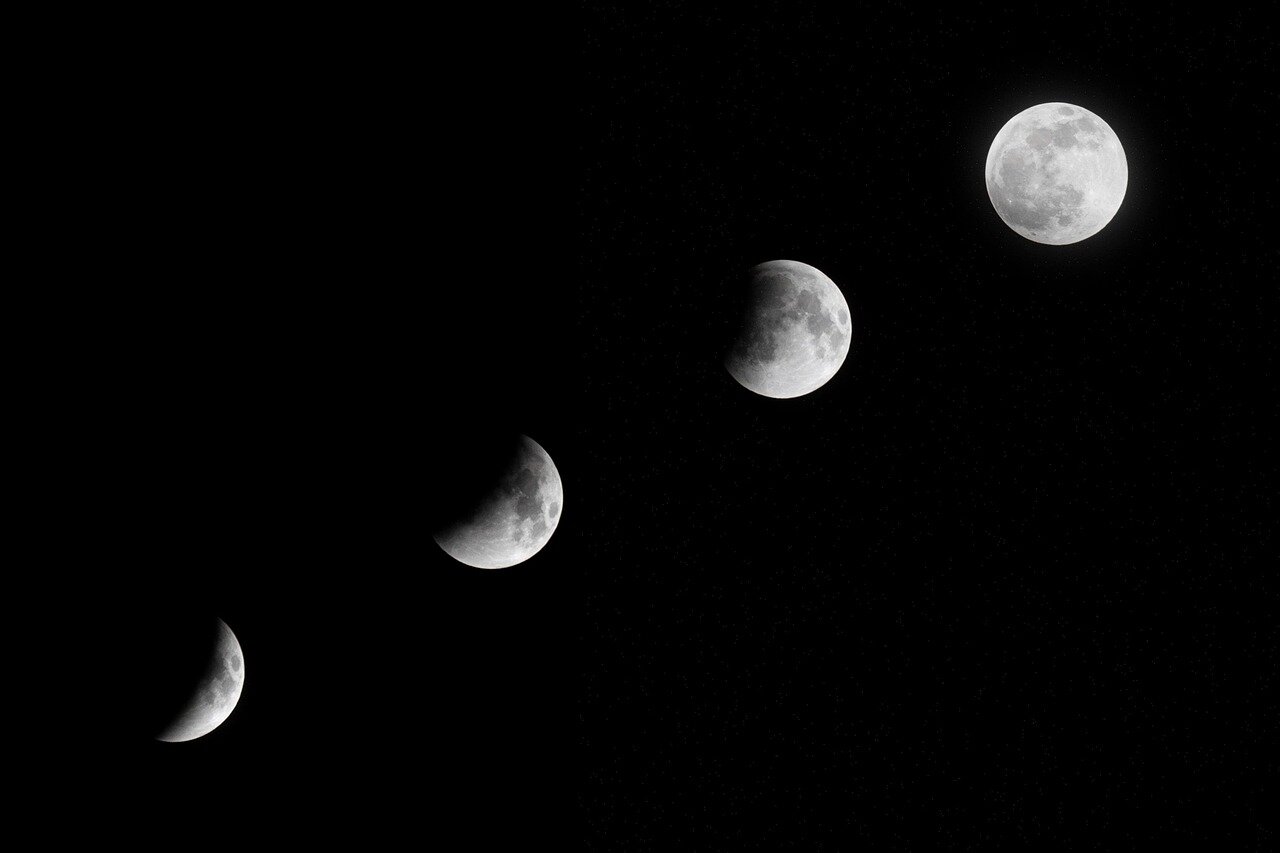
Frequently asked questions about the super new moon
Key takeaways and future outlook on the super new moon
The super new moon presents a unique opportunity for both enthusiasts and researchers to observe the lunar phenomena that can influence various aspects of life on Earth. Its occurrence, characterized by the moon’s proximity to our planet, not only enhances its visual impact but also has implications for natural events and human activities. Understanding these effects can lead to better preparedness and appreciation of celestial events.
As we move forward, it is essential to monitor how the super new moon influences tides, animal behavior, and even human emotions. Observing these patterns can provide valuable insights into the interconnectedness of lunar cycles and life on Earth.
- Increased tidal effects: Expect higher than average tides, which may impact coastal areas and marine activities.
- Wildlife behavior: Be aware of potential changes in animal behavior, as some species may exhibit altered patterns during this lunar phase.
- Emotional and psychological impacts: The super new moon may influence moods and behaviors; monitoring these changes can enhance personal well-being.
- Astrological significance: For those interested in astrology, this phase is often seen as a time for new beginnings and setting intentions.
- Community engagement: Encourage local events or gatherings to celebrate the super new moon, fostering a sense of community and shared experience.