
Critics point to several factors that raise questions about SpaceX’s worth. For instance, the company’s reliance on government contracts, particularly with NASA and the Department of Defense, could pose risks if funding priorities shift. Additionally, the competitive landscape is evolving, with other companies like Blue Origin and United Launch Alliance ramping up their capabilities, potentially impacting SpaceX’s market share. This shift brings to mind relevant discussions surrounding SpaceX’s stock market debut.
Moreover, the recent launch of the Starship rocket, which faced delays and setbacks, has led to concerns about the feasibility of SpaceX’s ambitious plans for Mars colonization and beyond. Analysts argue that while the company has achieved remarkable milestones, the path forward is fraught with challenges that could affect its financial outlook. The upcoming missions and their success will be critical in determining whether SpaceX can maintain its current valuation; the implications for investors mirror those seen in the context of NASA’s upcoming projects.
The financial community is closely watching SpaceX’s performance as it prepares for future funding rounds and potential public offerings. Investors are weighing the potential returns against the inherent risks associated with the aerospace industry. As the market continues to evolve, the debate over SpaceX’s valuation is likely to intensify, making it a focal point for discussions about the future of space exploration and commercial ventures, similar to the way creators in other sectors address innovation and speculation.

The Background of SpaceX’s Rise in Valuation
SpaceX, founded by Elon Musk in 2002, has dramatically transformed the landscape of the aerospace industry. Initially established with the goal of reducing space transportation costs and enabling the colonization of Mars, the company has achieved numerous milestones that have propelled its valuation to unprecedented heights. However, the recent figure of $1.77 trillion has sparked skepticism among analysts and investors alike, prompting questions about the sustainability of such a valuation.
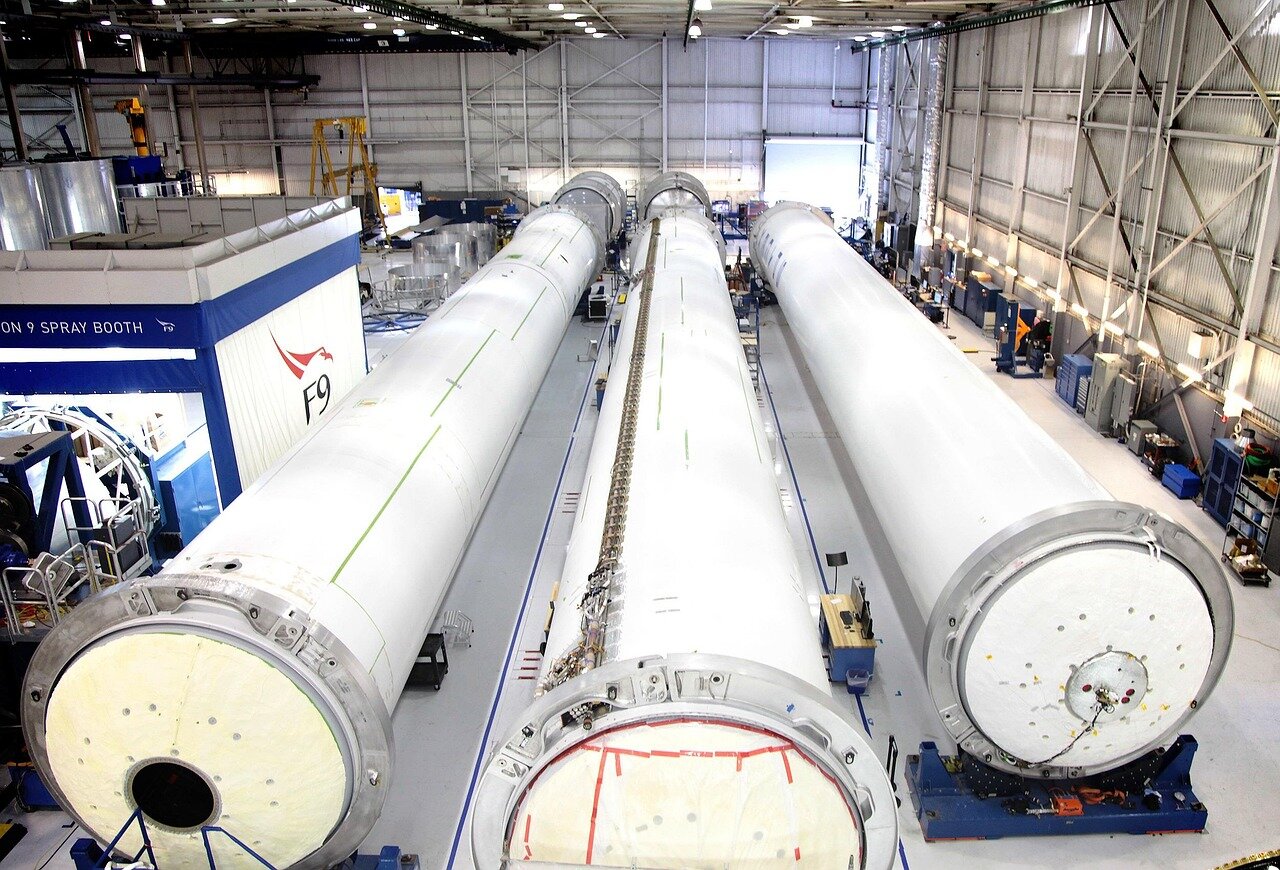
The historical context of SpaceX’s rise can be traced back to the privatization of space exploration, which gained momentum in the early 2000s. With NASA’s budget constraints and changing priorities, private entities began to fill the gap in commercial spaceflight. SpaceX’s early successes, including the Falcon 1’s first successful launch in 2008 and the Falcon 9’s reusable rocket technology, positioned the company as a leader in the industry. These innovations not only reduced costs but also attracted significant contracts from NASA and commercial satellite operators.
The political landscape has also played a crucial role in shaping SpaceX’s trajectory. Government support for private space ventures, exemplified by NASA’s Commercial Crew Program, has provided SpaceX with substantial funding and credibility. The company’s ability to secure lucrative contracts, such as the recent $2.9 billion deal for lunar lander development, has further solidified its standing in the market. However, this reliance on government contracts raises concerns about the long-term viability of SpaceX’s valuation, especially if political priorities shift.
The Economic Impact of SpaceX
Economically, SpaceX’s growth has spurred job creation and technological advancements across the aerospace sector. The company’s ambitious projects, including the Starlink satellite constellation aimed at providing global internet coverage, have attracted significant investment and interest from various sectors. Yet, as the company continues to pursue aggressive expansion plans, analysts are questioning whether the projected revenue streams can justify its soaring valuation. The balance between innovation and financial sustainability remains a critical point of contention among skeptics.
Analyzing the Key Stakeholders and Arguments
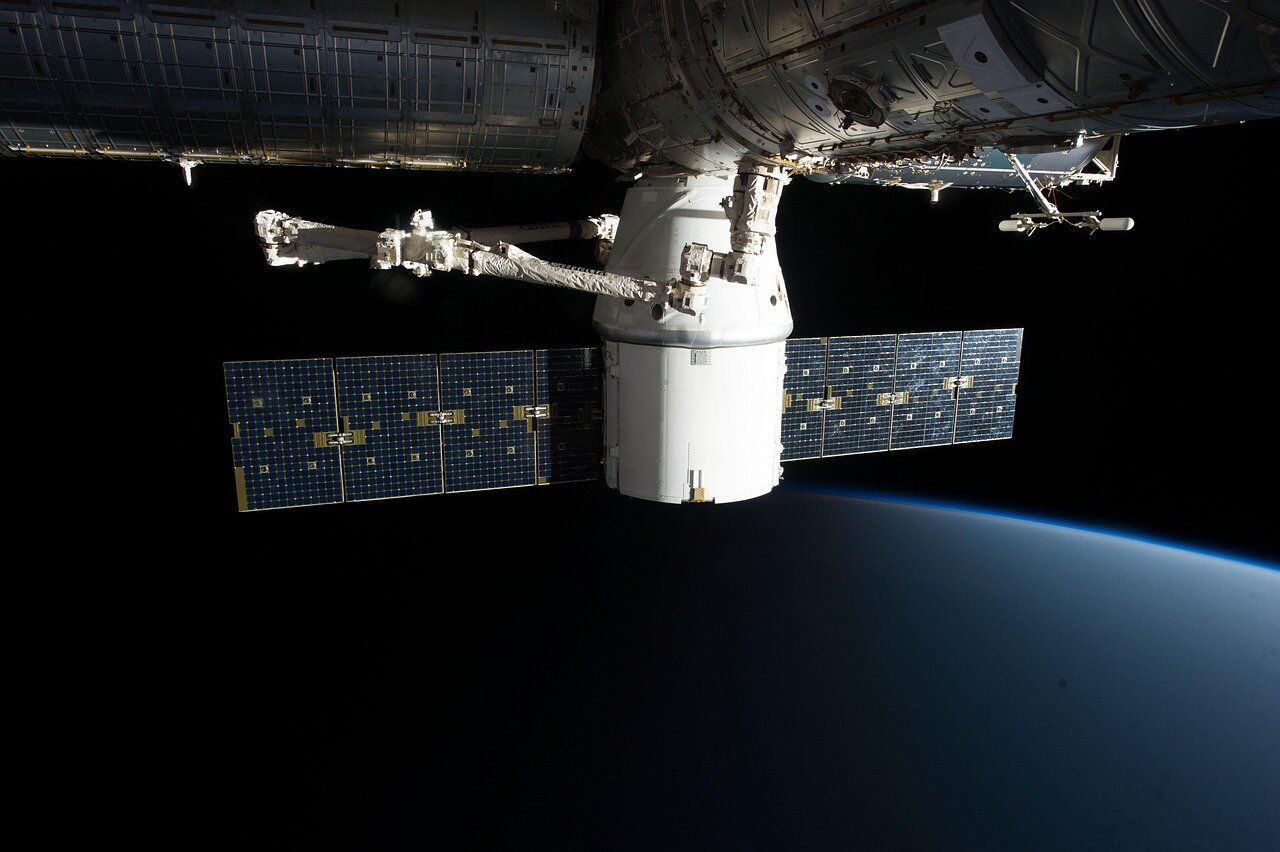
As SpaceX’s valuation reaches a staggering $1.77 trillion, various stakeholders are weighing in on the implications of such a figure. The main actors in this scenario include SpaceX itself, investors, government agencies, and competitors in the aerospace industry. Each of these stakeholders has distinct interests that shape their perspectives on SpaceX’s worth.
SpaceX, led by its CEO Elon Musk, has a vested interest in maintaining a high valuation to attract further investment and support its ambitious projects, such as Mars colonization and satellite internet services through Starlink. Investors, including venture capitalists and institutional investors, are focused on the potential returns that a successful SpaceX could yield, but they also express concerns about the sustainability of such a high valuation amidst economic uncertainties.
Government agencies, particularly those involved in space regulation and oversight, have a crucial role in this discussion. They are interested in ensuring that SpaceX operates within legal frameworks while also fostering innovation in the aerospace sector. Conflicts may arise regarding regulatory compliance, safety standards, and the environmental impact of SpaceX’s operations, especially as the company ramps up launches and develops new technologies.
Competitors, such as Blue Origin and traditional aerospace giants like Boeing and Lockheed Martin, are closely monitoring SpaceX’s valuation and market strategies. These companies may view SpaceX’s rapid ascent as a threat to their market share and may respond with their own innovations or lobbying efforts to influence regulatory environments. The trade-offs here include the balance between fostering competition and ensuring fair practices within the industry.
- Investor Concerns: Skepticism about the sustainability of SpaceX’s valuation amidst economic fluctuations.
- Regulatory Challenges: Government scrutiny regarding compliance with safety and environmental standards.
- Competitive Pressures: Rival companies reacting to SpaceX’s market strategies and valuation.
- Technological Innovation: The potential for SpaceX to drive advancements in aerospace technology.
- Public Perception: The impact of public opinion on SpaceX’s operations and future funding.
The Impact of SpaceX’s Valuation on the Aerospace Market
The recent valuation of SpaceX at $1.77 trillion has sparked discussions among various stakeholders in the aerospace industry and beyond. This astronomical figure raises questions not only about SpaceX’s business model but also about its implications for competitors, investors, and regulatory bodies. Key groups affected include aerospace manufacturers, satellite operators, and governments looking to partner with or regulate private space initiatives.
In the short term, companies in the aerospace sector may experience increased pressure to innovate and reduce costs in order to compete with SpaceX’s advanced technologies and lower launch prices. This could lead to a wave of mergers and acquisitions as smaller firms seek to bolster their capabilities. Additionally, investors may shift their focus to companies that can offer complementary services to SpaceX, such as satellite technology or ground support services.
Mid-term effects could include changes in policy as governments reassess their roles in space exploration and commercialization. With SpaceX’s growing influence, there may be a push for new regulations to ensure fair competition and safety standards. Furthermore, the increased interest in space travel could lead to significant investments in infrastructure, benefiting regions with aerospace manufacturing hubs.
- Risks: Potential monopolization of the launch market, leading to reduced opportunities for smaller companies.
- Opportunities: Increased funding for research and development in space technologies across various sectors.
- Policy Changes: New regulations could emerge to govern the rapidly evolving private space industry.
Ultimately, the implications of SpaceX’s valuation extend far beyond the company itself, influencing a wide array of industries and shaping the future of space exploration and commercialization. Stakeholders must navigate both the risks and opportunities presented by this evolving landscape.
A: SpaceX’s valuation is influenced by its successful launches, contracts with NASA, and advancements in reusable rocket technology. Additionally, its ambitious plans for Mars colonization and satellite internet services also play a crucial role. A: Skeptics argue that the valuation may not reflect actual revenue or profitability. Concerns about market competition and the feasibility of SpaceX’s long-term goals also contribute to their skepticism. A: Compared to traditional aerospace companies, SpaceX has a unique business model focused on innovation and cost reduction. However, its valuation raises questions about sustainability and market dynamics in the industry. A: Investors face risks related to regulatory challenges, technological failures, and market volatility. The ambitious nature of SpaceX’s projects could also lead to significant financial uncertainty.
Frequently Asked Questions about SpaceX’s Valuation
Key Insights and Future Outlook on SpaceX
The debate surrounding SpaceX’s valuation at $1.77 trillion reflects broader concerns about the sustainability and profitability of the space industry. As the company continues to innovate and push boundaries, it is essential to consider both the potential rewards and risks associated with such a high valuation. Investors and industry watchers should remain vigilant as developments unfold, particularly in the context of regulatory challenges and market competition.
Furthermore, the increasing interest from other private entities in space exploration and satellite technology may reshape the landscape, prompting a reevaluation of what constitutes value in this sector. The next few years will be crucial in determining whether SpaceX can maintain its lead and justify its staggering valuation.
- Monitor regulatory changes that could impact SpaceX’s operations and market position.
- Watch for advancements in technology that may affect cost structures and profitability in the space industry.
- Keep an eye on competitor movements and partnerships that could challenge SpaceX’s dominance.
- Assess the long-term viability of SpaceX’s business model in light of evolving market demands and consumer interests.
- Evaluate public sentiment and investor confidence as key indicators of SpaceX’s future performance.