
As the moon reached its peak brightness, many residents took to parks and open spaces to witness the celestial event. The clear skies allowed for exceptional visibility, with numerous social media posts showcasing the moon’s brilliance, further highlighting the community’s connection to natural phenomena.
The Worm Moon is not only a visual spectacle but also an opportunity for scientific engagement. Events organized by local astronomy clubs encouraged public interest in lunar phases and their cultural significance, fostering a deeper appreciation for the night sky.
This occurrence is part of a broader trend of increasing interest in astronomy and natural events, as people seek to reconnect with nature. The excitement surrounding the Worm Moon reflects a growing awareness of the importance of celestial events in enriching local culture and community activities.
Understanding the significance of the Worm Moon
The Worm Moon, named for the earthworms that emerge as the ground thaws in spring, is a significant astronomical event that has captured the attention of many across the globe. For more celestial phenomena, you can check out our article on six planets on display in a celestial parade.
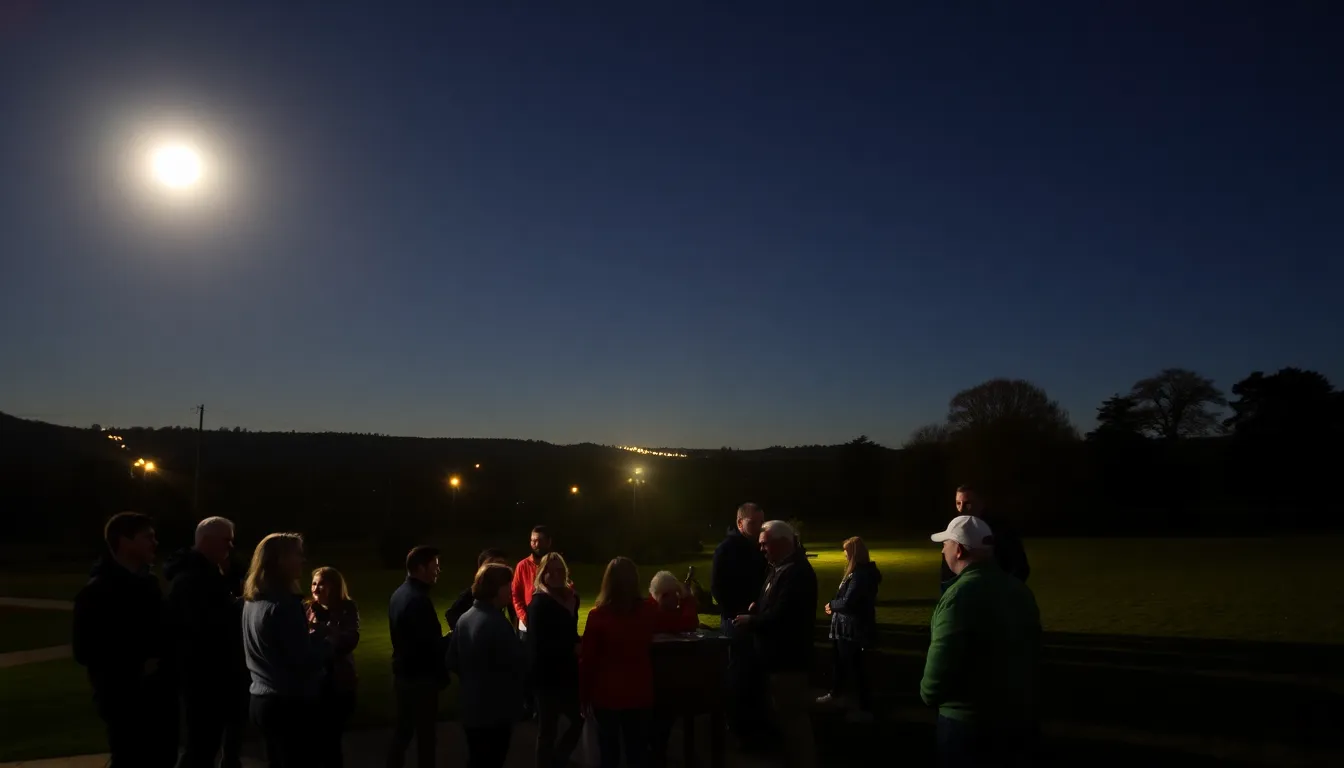
In Northern Ireland, the Worm Moon holds particular significance as it coincides with the arrival of spring, a time that symbolizes hope and renewal after the harsh winter months. The breathtaking images captured during this lunar event not only highlight the natural beauty of the region but also serve as a reminder of the rich cultural heritage associated with lunar cycles in Irish folklore, similar to the remarkable display of Yosemite’s molten orange waterfall.
The Cultural Impact of the Worm Moon
Throughout history, the Worm Moon has influenced various cultural practices and celebrations. In Ireland, the arrival of spring is often marked by festivals and gatherings that celebrate the return of life to the land. These events are deeply rooted in the agricultural calendar and are a testament to the enduring relationship between the people and their natural surroundings. The Worm Moon, therefore, is not just an astronomical phenomenon; it is a cultural touchstone that connects generations and fosters a sense of community.
Furthermore, in recent years, the increased visibility of celestial events through social media has sparked a renewed interest in astronomy and nature. This phenomenon not only celebrates the moon itself but also highlights the ongoing dialogue about environmental conservation and the impact of human activities on the planet, a topic also explored in the context of sports like Brazil’s Rodrygo’s heartbreak over World Cup exit.
Photographers and enthusiasts share their experiences
The Worm Moon, a term derived from Native American traditions, has captivated both amateur and professional photographers across Northern Ireland. The event has drawn attention not only for its aesthetic appeal but also for the cultural significance it holds. Local photography clubs and online communities have become vibrant platforms where enthusiasts share their captures and experiences, fostering a sense of community and collaboration.
Key stakeholders in this phenomenon include local photographers, environmental organizations, and tourism boards. Photographers seek to showcase their talent and connect with a wider audience, while organizations aim to promote environmental awareness and appreciation of natural phenomena. Tourism boards see an opportunity to attract visitors, leveraging events like the Worm Moon to boost local economies.
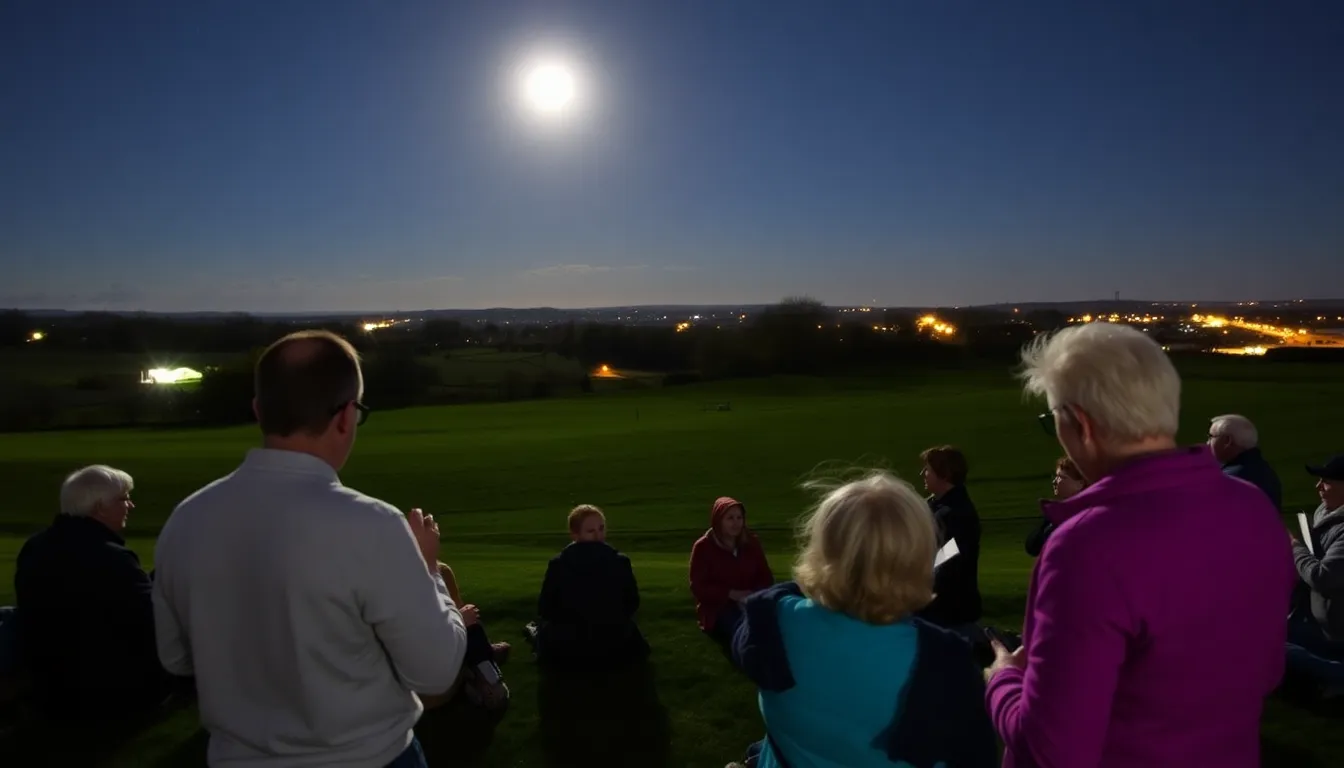
However, this gathering of interests is not without conflict. The increased visibility of such events can lead to overcrowding in natural areas, raising concerns about environmental degradation and the sustainability of these locations. Local governments must balance the promotion of tourism with the preservation of natural habitats, leading to potential trade-offs in policy-making.
- Environmental concerns regarding increased foot traffic in sensitive areas.
- Economic benefits from tourism versus the potential for environmental harm.
- Conflicts between local residents and visitors over noise and disruption.
- Opportunities for local businesses to thrive during peak events.
- Legal implications surrounding land use and conservation efforts.
As the Worm Moon continues to inspire awe, the interplay between these stakeholders highlights the complexities of celebrating natural wonders in a sustainable manner. The ongoing dialogue among photographers, organizations, and local governments will be crucial in shaping future events and their impact on the community and environment.
How the Worm Moon captivates the community
The Worm Moon, a significant astronomical event, has captured the attention of various groups across Northern Ireland. From amateur astronomers to local businesses, the sight of this full moon has stirred excitement and engagement within the community. The event not only brings people together but also highlights the natural beauty of the region, fostering a sense of pride among residents.
In the short term, local tourism industries, including hotels and restaurants, may see a boost as people travel to witness the Worm Moon. Events centered around moon viewing, such as guided night hikes and photography workshops, can attract visitors and enhance community involvement. This influx of visitors can provide a much-needed economic uplift for small businesses in the area.
However, there are risks associated with increased foot traffic in natural areas. Local authorities may face challenges in managing crowds and ensuring safety during moonlit events. Additionally, environmental concerns arise regarding potential disturbances to wildlife and natural habitats during peak viewing times.
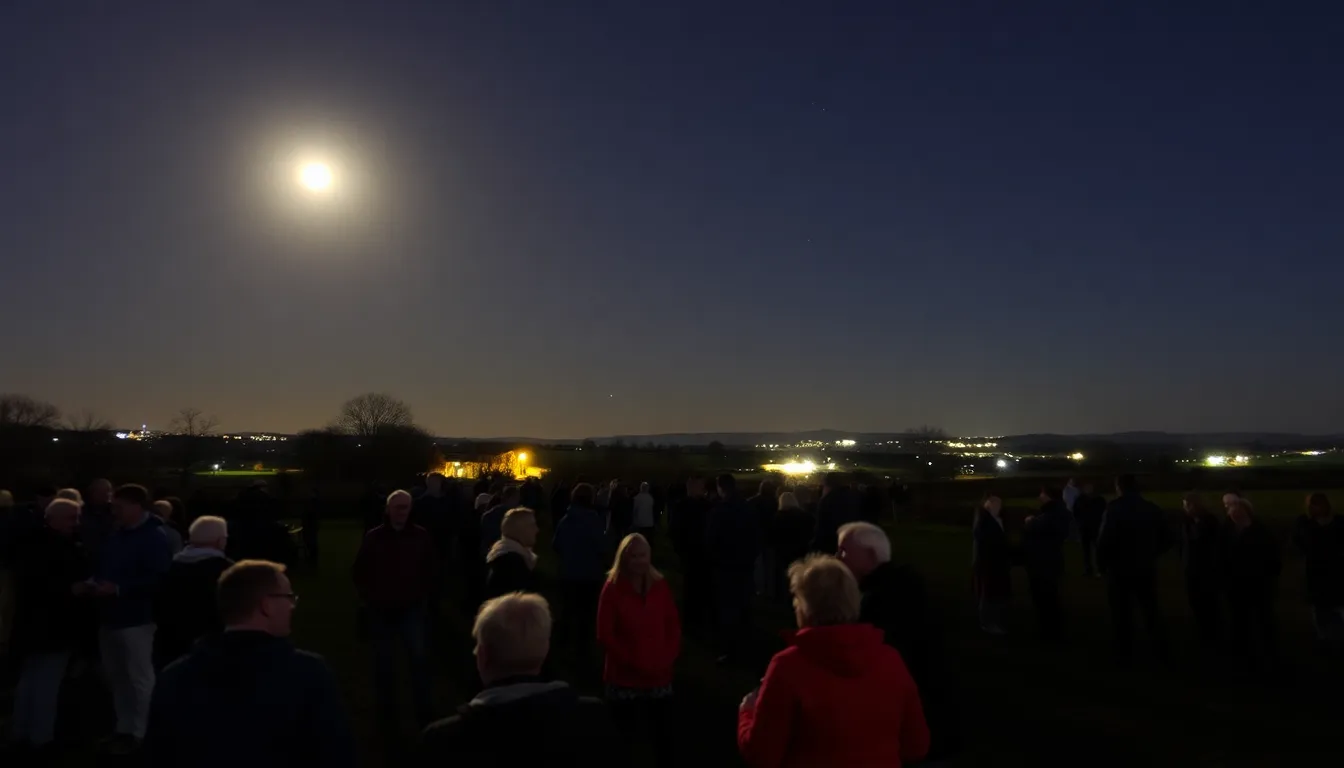
In the mid-term, the Worm Moon’s visibility can lead to increased interest in astronomy and science education, particularly among younger generations. Schools and educational institutions may capitalize on this opportunity by organizing workshops and activities that promote STEM learning. This can foster a long-lasting appreciation for science and the environment, influencing future policy decisions related to education and conservation.
- Tourism boost: Increased visitors to local attractions.
- Community engagement: Events promoting social interaction and pride.
- Environmental risks: Potential disturbances to local wildlife.
- Educational opportunities: Enhanced interest in astronomy and science.
A: The Worm Moon is the full moon that occurs in March, named for the earthworms that appear as the ground thaws. It marks the beginning of spring in many cultures. A: This year’s Worm Moon occurred on March 7, 2023, providing a stunning view for many across Northern Ireland. A: To photograph the Worm Moon, use a camera with a zoom lens, and try to find a location with minimal light pollution for the best results. A: Yes, various cultures celebrate the arrival of spring during the Worm Moon, often with festivals and rituals to honor nature’s renewal. A: Yes, there are several significant full moons throughout the year, including the Pink Moon in April and the Strawberry Moon in June.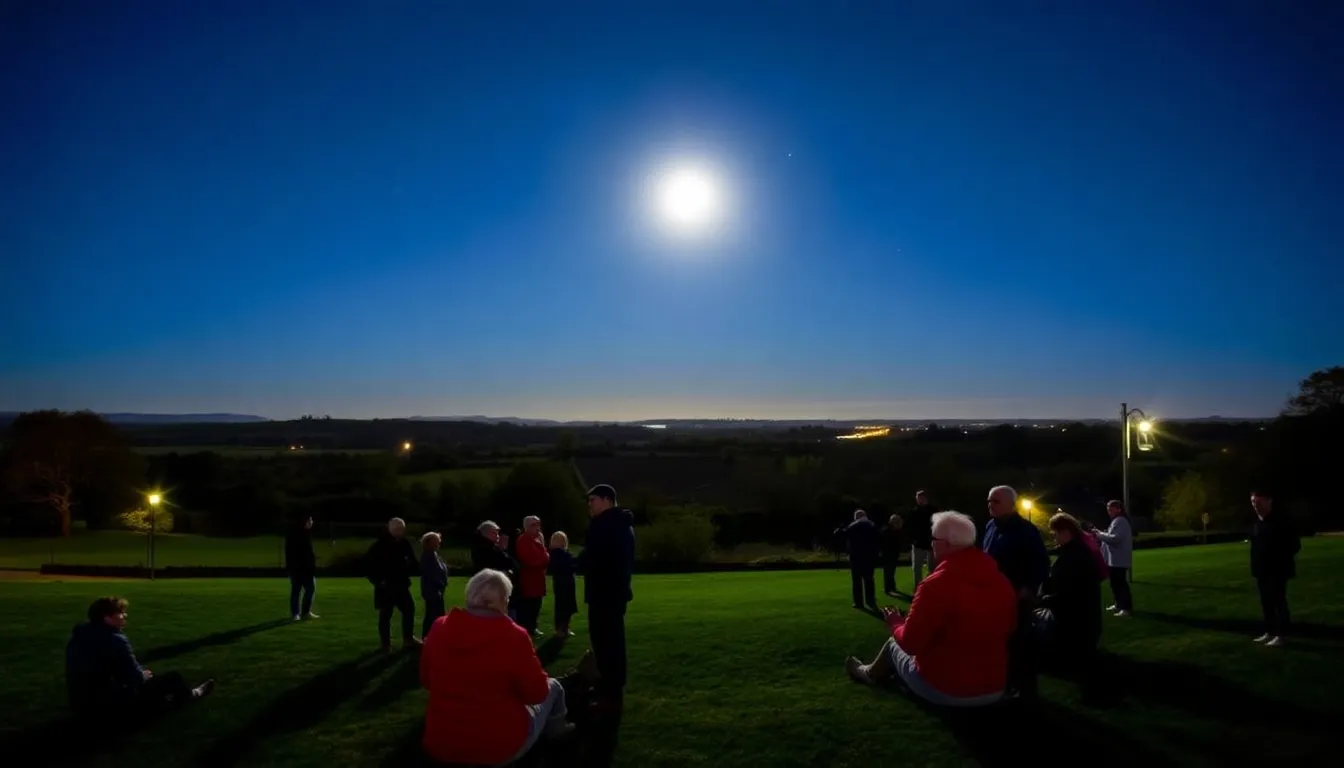
Frequently asked questions about the Worm Moon
Key takeaways and future lunar events
The stunning visuals of the Worm Moon over Northern Ireland not only highlight the beauty of celestial events but also serve as a reminder of the ongoing relationship between nature and human observation. As communities gather to witness such phenomena, it fosters a sense of connection and appreciation for the universe that surrounds us. The Worm Moon, marking the arrival of spring, invites reflection on the cycles of nature and the changing seasons.
Looking ahead, enthusiasts and casual observers alike should remain attentive to the upcoming lunar events, as they provide opportunities for both scientific study and communal experiences. Each phase of the moon offers unique viewing conditions and cultural significance, making it essential to stay informed and engaged.
- The Worm Moon signifies the transition to spring, reminding us of nature’s cycles and their impact on our environment.
- Future lunar events, including eclipses and supermoons, will offer additional opportunities for public engagement and education.
- Photography and astronomy communities can benefit from collaborative events, enhancing appreciation for celestial phenomena.
- Continued interest in lunar events may inspire local initiatives focused on environmental awareness and conservation.
- Encouraging local schools to incorporate astronomy into their curricula can foster a new generation of enthusiasts and scientists.