
The upcoming Artemis II mission, slated for 2024, will be the first crewed flight of the program, featuring a four-person crew that will orbit the Moon before returning to Earth, as discussed in our article on Nasa’s moon spacesuit lab.
By utilizing lunar resources, such as water ice, Nasa aims to develop sustainable practices that can support human life on Mars, aligning with insights shared in our report on Nasa’s investment in a moon base.
International cooperation is also a key element of Nasa’s current lunar endeavors. Partnerships with space agencies from countries like Europe, Japan, and Canada are fostering collaborative efforts for the Artemis missions. These alliances not only enhance technological capabilities but also promote shared goals in space exploration.
The historical context of lunar and Martian exploration
The quest for lunar and Martian exploration has deep roots in human history, dating back to ancient civilizations that gazed at the night sky, pondering the mysteries of celestial bodies. The modern era of space exploration began in the mid-20th century, marked by the Cold War rivalry between the United States and the Soviet Union. This competition spurred significant advancements in technology and science, culminating in the Space Race, which aimed to demonstrate technological superiority through space achievements.
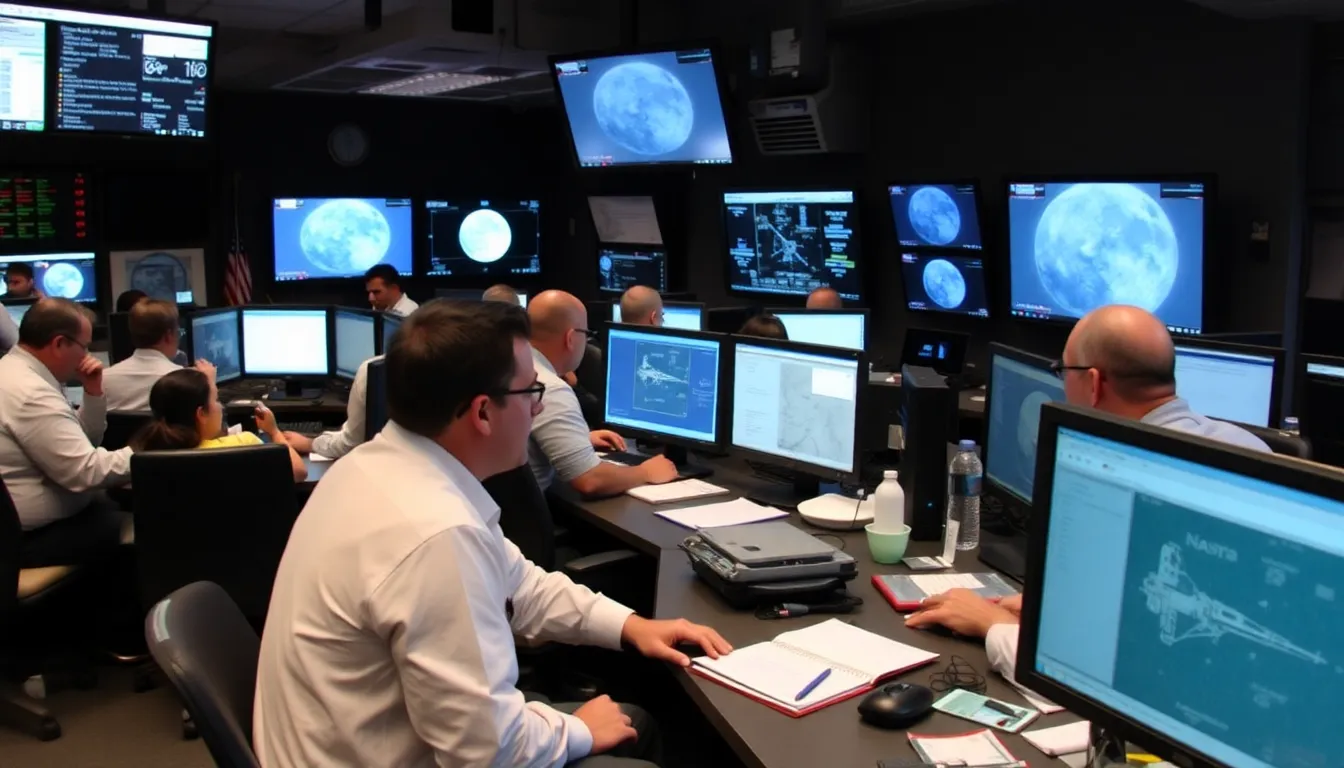
One of the most pivotal moments in this race was the Apollo 11 mission in 1969, when NASA successfully landed astronauts Neil Armstrong and Buzz Aldrin on the Moon. This historic event not only showcased human ingenuity but also ignited public interest in space exploration. The Moon landing was a symbol of national pride for the United States and a demonstration of its capabilities in science and engineering, setting a precedent for future missions beyond Earth.
However, budget constraints and shifting political priorities led to a lull in Mars missions until the late 1990s, prompting a resurgence in exploration highlighted by the achievements of the Mars rovers, similar to the milestone events like the Apollo 11 mission.
Political and Economic Factors Influencing Space Exploration
Political will and economic investment have played crucial roles in shaping space exploration initiatives. The end of the Cold War saw a shift in priorities, with international collaboration becoming more prevalent. Programs like the International Space Station (ISS) emerged, emphasizing cooperative efforts in space research. However, the economic burden of space missions often leads to debates about funding, with advocates arguing for the benefits of technological advancements and inspiration for future generations.
Today, NASA’s renewed focus on lunar exploration through the Artemis program aims to establish a sustainable human presence on the Moon, serving as a stepping stone for future missions to Mars. This ambitious plan reflects a broader vision of not just exploring new frontiers but also addressing challenges such as climate change and resource management on Earth, highlighting the interconnectedness of space exploration and global issues.
Key stakeholders and challenges in space exploration
As NASA embarks on its ambitious missions to the Moon and potentially Mars, a variety of stakeholders emerge, each with distinct interests and concerns. These include governmental agencies, private companies, international partners, and the scientific community. Understanding their roles and the challenges they face is essential for comprehending the broader implications of space exploration.
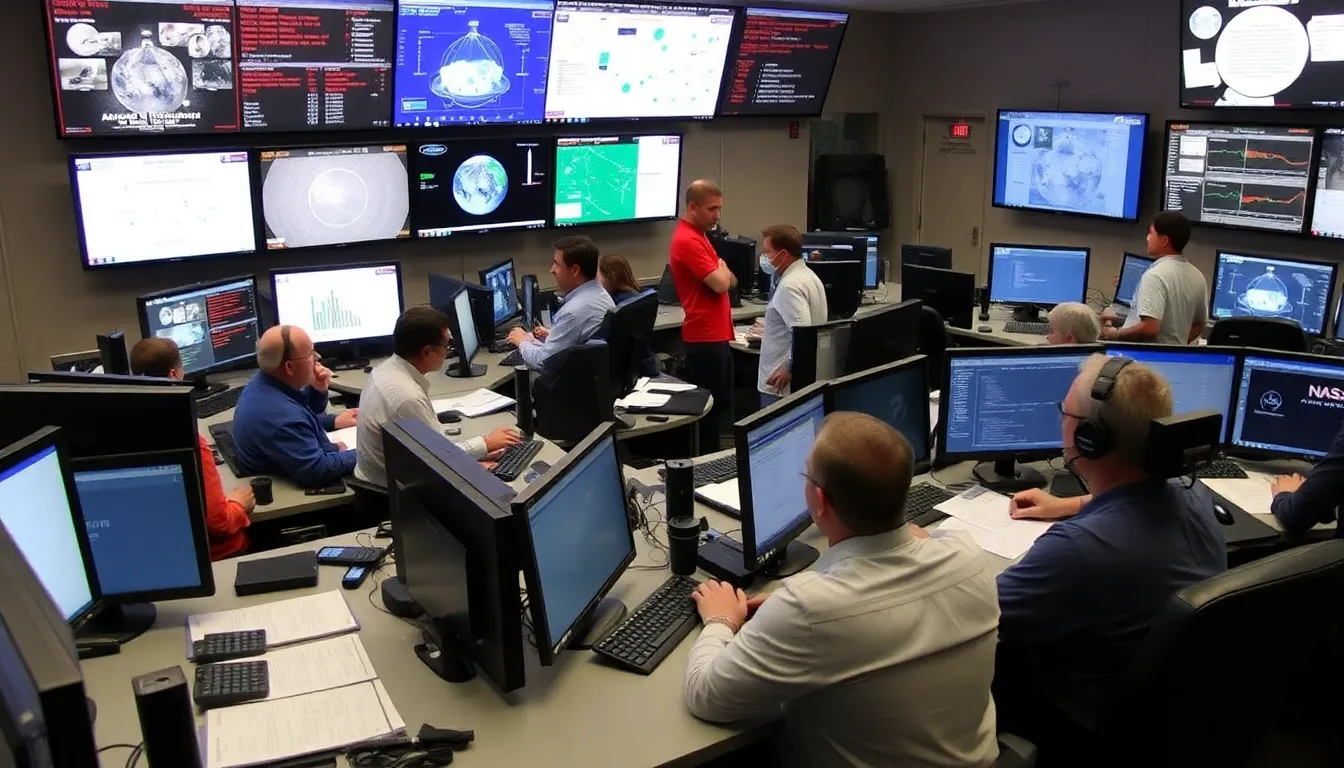
The primary actor in this landscape is NASA, representing the U.S. government’s interests in maintaining leadership in space exploration and advancing scientific knowledge. NASA’s Artemis program aims to return humans to the Moon by the mid-2020s, paving the way for future missions to Mars. This initiative is not just about exploration; it also serves to inspire innovation and foster international collaboration in space science.
Private companies like SpaceX, Blue Origin, and others play a crucial role in this new era of space exploration. Their interests lie in commercializing space travel, reducing costs, and developing technologies that can support human presence on other celestial bodies. However, the collaboration between public and private sectors raises questions about regulatory frameworks, profit-sharing, and the potential monopolization of space resources.
- International collaboration: Countries such as the European Union, Russia, and China are also significant players, each with their own space agendas. This can lead to both partnerships and competition in space exploration.
- Legal challenges: The Outer Space Treaty of 1967 governs the use of outer space, but as missions expand, questions about property rights, resource utilization, and environmental protections arise.
- Economic implications: The investment in space exploration is substantial, raising concerns about budget allocations and the prioritization of space over pressing terrestrial issues.
- Technological trade-offs: The pursuit of advanced technologies for space missions may divert resources from other critical areas of research and development.
In summary, the interplay between these stakeholders and the challenges they face highlights the complexity of modern space exploration. As NASA and its partners look toward the Moon and Mars, the implications of their actions will resonate across political, economic, and social spheres on Earth.
How Nasa’s mission affects science and technology
Nasa’s ambitious plan to return humans to the Moon and eventually send them to Mars has far-reaching implications for various groups and industries. Scientists, engineers, and researchers are at the forefront, as advancements in space exploration drive innovation across multiple sectors. The technology developed for these missions often finds applications in everyday life, impacting industries such as telecommunications, transportation, and healthcare.
In the short term, the mission is expected to boost the aerospace industry significantly. Companies involved in manufacturing spacecraft, satellites, and related technologies stand to benefit from increased government contracts and funding. This influx of resources can lead to job creation and economic growth in regions with aerospace manufacturing hubs, such as California and Texas.
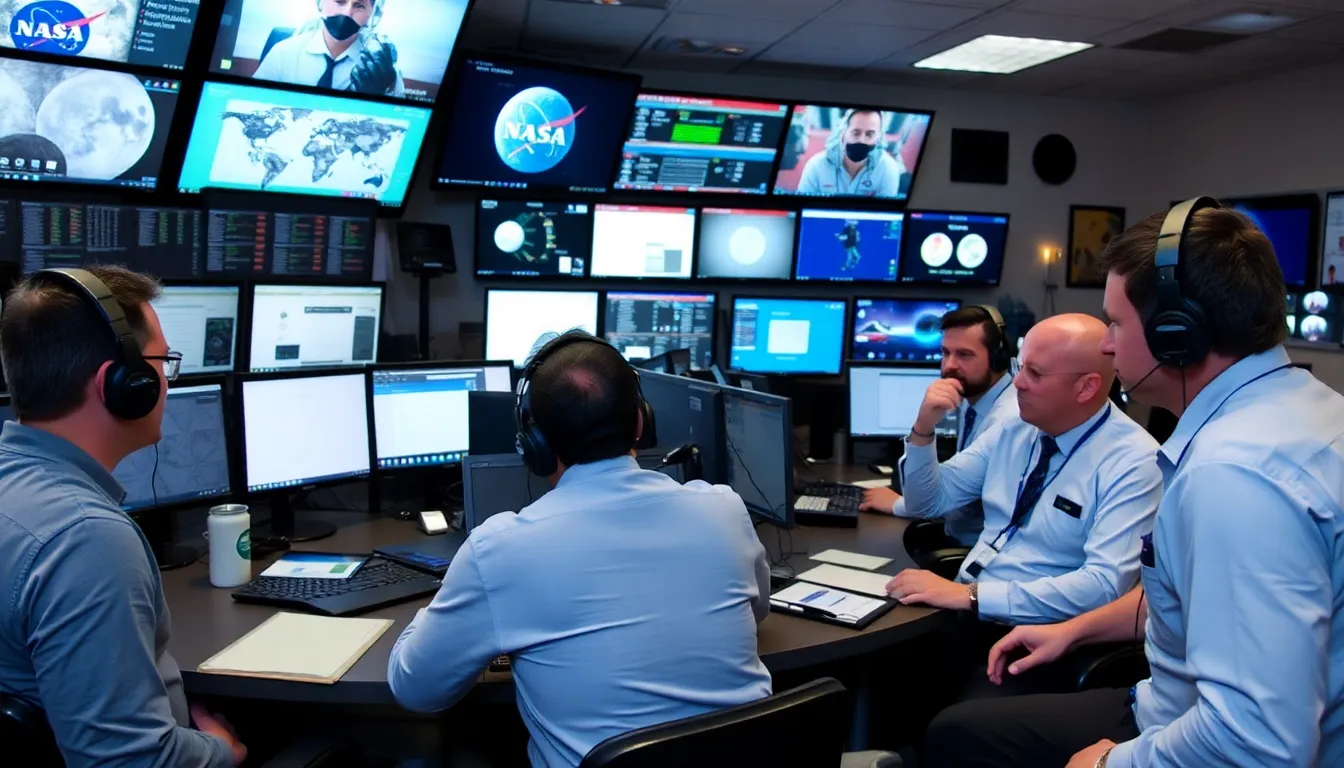
Moreover, educational institutions may see a rise in interest in STEM (science, technology, engineering, and mathematics) fields as students become inspired by Nasa’s endeavors. This could lead to an increase in enrollment in relevant degree programs and a more skilled workforce in the long run.
However, there are risks associated with such ambitious missions. The high costs of space exploration can divert funding from other critical areas, such as education and healthcare. Additionally, the potential for technological failures or accidents poses a threat to both human life and public support for future missions.
- Opportunities: Job creation in aerospace and STEM fields.
- Risks: High costs impacting other sectors.
- Short-term impacts: Increased government contracts for aerospace companies.
- Mid-term impacts: Growth in technological innovations applicable to everyday life.
As Nasa’s mission progresses, the ripple effects will be felt across multiple sectors, shaping the future of technology and influencing public policy regarding funding and support for scientific endeavors.
A: Nasa’s mission to the Moon, known as Artemis, aims to land humans on the lunar surface and establish a sustainable presence by the end of the decade. A: The Moon serves as a testing ground for technologies and systems that will be crucial for future Mars missions, allowing Nasa to refine its approach. A: Nasa plans to create a lunar base that includes habitats, power sources, and life support systems to support astronauts for extended periods. A: Nasa faces challenges such as funding, technological development, and international collaboration, all of which are crucial for the success of its missions. A: Nasa aims to send humans to Mars in the 2030s, following the successful establishment of a sustainable presence on the Moon.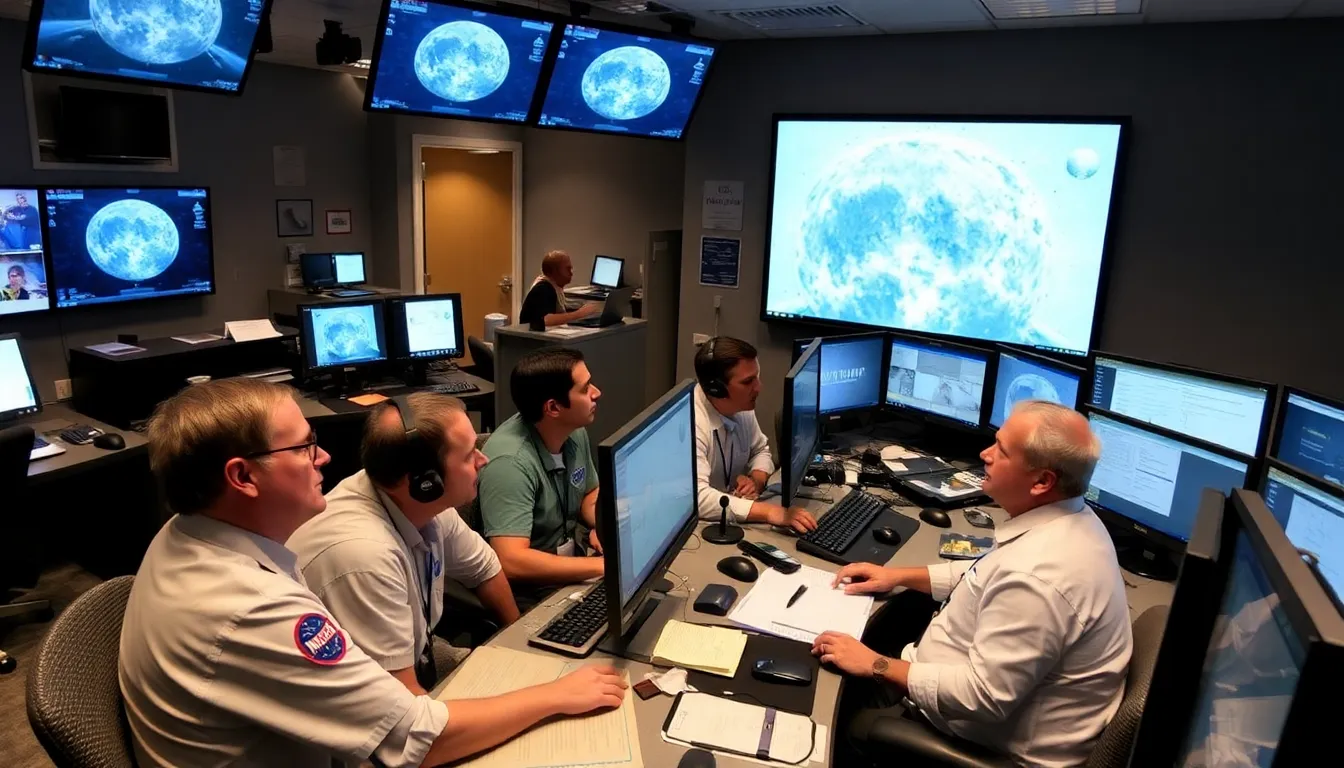
Frequently asked questions about Nasa’s missions
Future prospects for lunar and Martian exploration
The recent advancements in NASA’s lunar mission signify a pivotal moment in space exploration, setting the stage for future endeavors beyond the Moon. As the agency refines its technologies and methodologies, the implications for Martian exploration become increasingly significant. The success of lunar missions will not only enhance our understanding of the Moon but also serve as a critical testing ground for the challenges of traveling to and colonizing Mars.
As we look ahead, it is essential to consider the broader impact of these missions on international collaboration, technological innovation, and the potential for human settlement on other celestial bodies. The lessons learned from lunar exploration will undoubtedly shape the strategies employed for Mars, fostering a new era of scientific discovery and human achievement.
- Technological advancements: Innovations developed for lunar missions will likely be adapted for Mars exploration, improving efficiency and safety.
- International collaboration: The Moon missions may pave the way for global partnerships in space exploration, enhancing shared knowledge and resources.
- Sustainability focus: Strategies for sustainable living on the Moon will inform plans for long-term human presence on Mars.
- Public interest and investment: Successful lunar missions can boost public enthusiasm and funding for future Mars projects.