
Major indices, including the S&P 500 and the Dow Jones Industrial Average, saw gains of over 1% by midday trading. Investors reacted favorably to the news, viewing the avoidance of escalating trade tensions as a positive signal for economic stability. The positive sentiment was echoed across European markets, with the DAX and FTSE 100 also registering gains, as discussed in a related article about China and Canada reaching agreement on tariff relief.
The announcement comes amidst ongoing concerns about inflation and supply chain disruptions that have plagued economies worldwide. By stepping back from the tariff threats, Trump aims to alleviate fears of further economic strain, which could adversely affect consumer spending and business investment.
Market analysts suggest that this shift could lead to a temporary boost in investor confidence, although the long-term effects remain uncertain. As companies prepare for the holiday season, the focus will likely shift to how these developments influence consumer behavior and corporate earnings in the coming months.
Understanding the background of tariff discussions
The ongoing discussions surrounding tariffs have their roots in a complex interplay of historical trade relationships, political strategies, and economic policies. Tariffs have long been used as tools for governments to protect domestic industries from foreign competition, but they can also lead to trade wars that disrupt global markets. In recent years, the U.S. has adopted a more aggressive stance on tariffs, particularly under the Trump administration, which aimed to renegotiate trade deals deemed unfavorable to American interests.
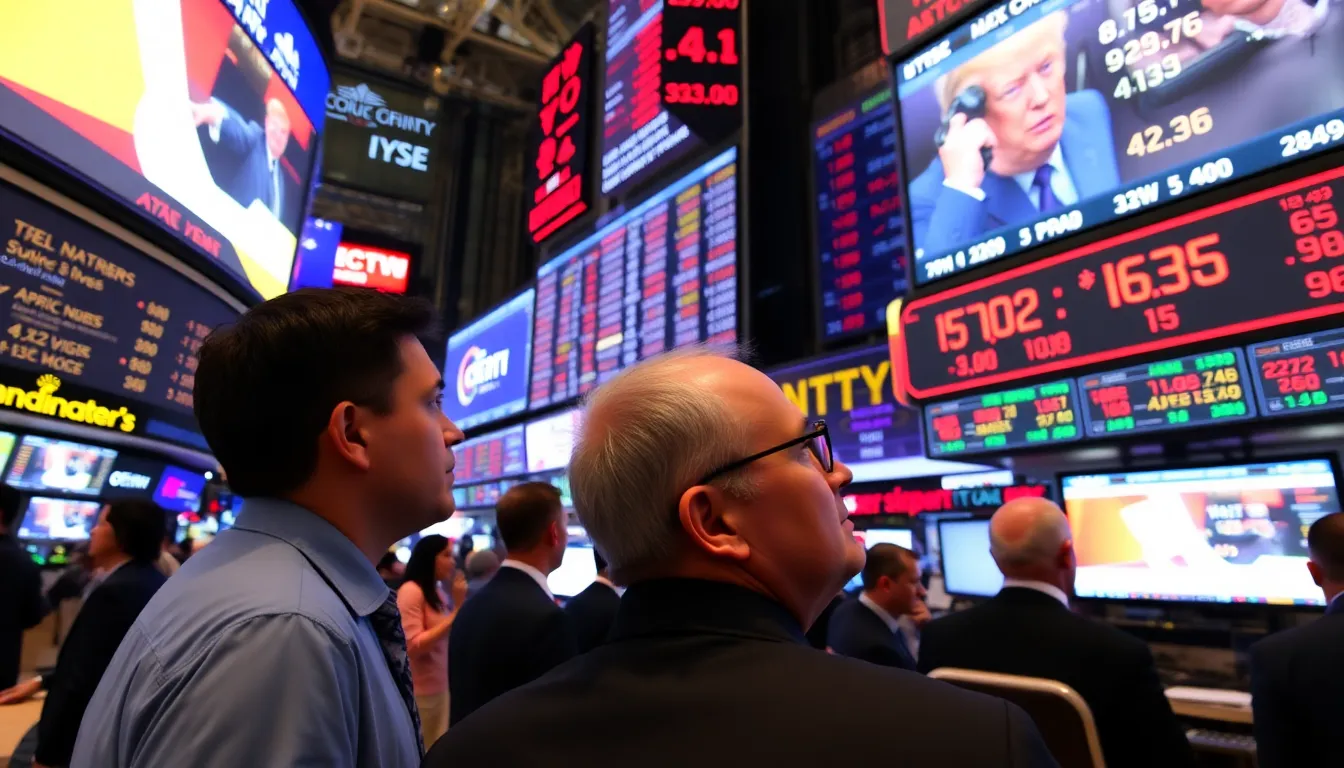
The tension escalated significantly in 2018 when the U.S. imposed tariffs on steel and aluminum imports, citing national security concerns. This move was met with retaliation from several countries, including China, which led to a series of tit-for-tat tariffs. The trade conflict not only affected bilateral relations but also had broader implications for global supply chains and economic growth. As these tensions simmered, market volatility became a common theme, with investors reacting to every new development in the tariff saga.
The Impact of Political Decisions
Political decisions play a crucial role in shaping the landscape of tariff discussions. Trump’s administration frequently used tariffs as leverage in negotiations, aiming to bring countries to the table for new trade agreements. However, this strategy often resulted in uncertainty, causing fluctuations in stock markets. The recent news of Trump ‘chickening out’ over further tariffs has led to a sense of relief among investors, as the prospect of escalating trade tensions diminishes, allowing for a more stable economic environment, mirroring sentiments expressed in the article about the US Supreme Court evaluating Trump’s actions.
Historically, the use of tariffs has varied across different administrations, reflecting the prevailing economic philosophies. While some leaders have favored protectionist policies, others have advocated for free trade as a means to foster economic growth. The current situation is a reminder of how quickly the pendulum can swing in either direction, influenced by domestic politics and international relations.
As we move forward, the implications of these tariff discussions will continue to shape not only U.S. economic policy but also the global market landscape. Investors and businesses are keenly watching how these developments unfold, as they could signal a shift toward more cooperative trade relationships or further entrenchment in protectionist measures.
Key stakeholders and their positions on tariffs
The recent developments surrounding tariffs have drawn attention from various stakeholders, including government officials, businesses, and consumers. Each of these groups has distinct interests that shape their positions on the issue. Understanding these perspectives is crucial to grasping the broader implications of tariff policies.

One of the primary actors in this scenario is the U.S. government, led by former President Donald Trump, who initially advocated for tariffs as a means to protect American industries and workers. His administration viewed tariffs as a tool to counteract what they perceived as unfair trade practices by other nations, particularly China. However, the recent decision to backtrack on these tariffs has raised questions about the administration’s commitment to its trade agenda.
On the other side of the Atlantic, European governments and businesses have expressed relief at the prospect of reduced tariffs. The European Union has been vocal about its desire for a fair and open trading environment, and the potential easing of tensions could foster stronger economic ties with the U.S. However, European stakeholders remain cautious, as they seek assurances that any agreements will be equitable and beneficial for their economies, especially in light of the recent developments regarding tariff agreements.
- Economic Interests: Both U.S. and European economies are interlinked, and tariff changes can significantly impact trade balances.
- Consumer Prices: Tariffs often lead to higher prices for consumers, making the public’s response a critical factor in the debate.
- Political Ramifications: The decision to alter tariff policies can influence political landscapes in both regions, affecting future elections and leadership.
- Global Trade Dynamics: Changes in U.S. tariff policies can set precedents that affect global trade relationships and practices.
In addition to government officials, businesses, particularly those in the manufacturing and agricultural sectors, have a vested interest in tariff policies. These stakeholders often find themselves caught in the crossfire of international trade disputes, as tariffs can either protect their interests or hinder their competitiveness in global markets. The uncertainty surrounding tariffs can lead to hesitancy in investment and expansion plans, affecting overall economic growth.
Market implications and potential consequences
The recent decision by former President Trump to backtrack on proposed tariffs has sent ripples through various sectors of the economy. Industries heavily reliant on imports, such as technology, automotive, and consumer goods, are expected to benefit from reduced costs and increased market stability. This decision is particularly impactful for companies that faced significant uncertainty regarding supply chain expenses.
Regions that heavily depend on exports to the United States, such as Mexico and Canada, are likely to experience a positive boost. The easing of tariff pressures can enhance trade relations and foster economic growth in these areas. Conversely, industries that were preparing for retaliatory measures may face short-term challenges as they recalibrate their strategies in response to the shifting political landscape.
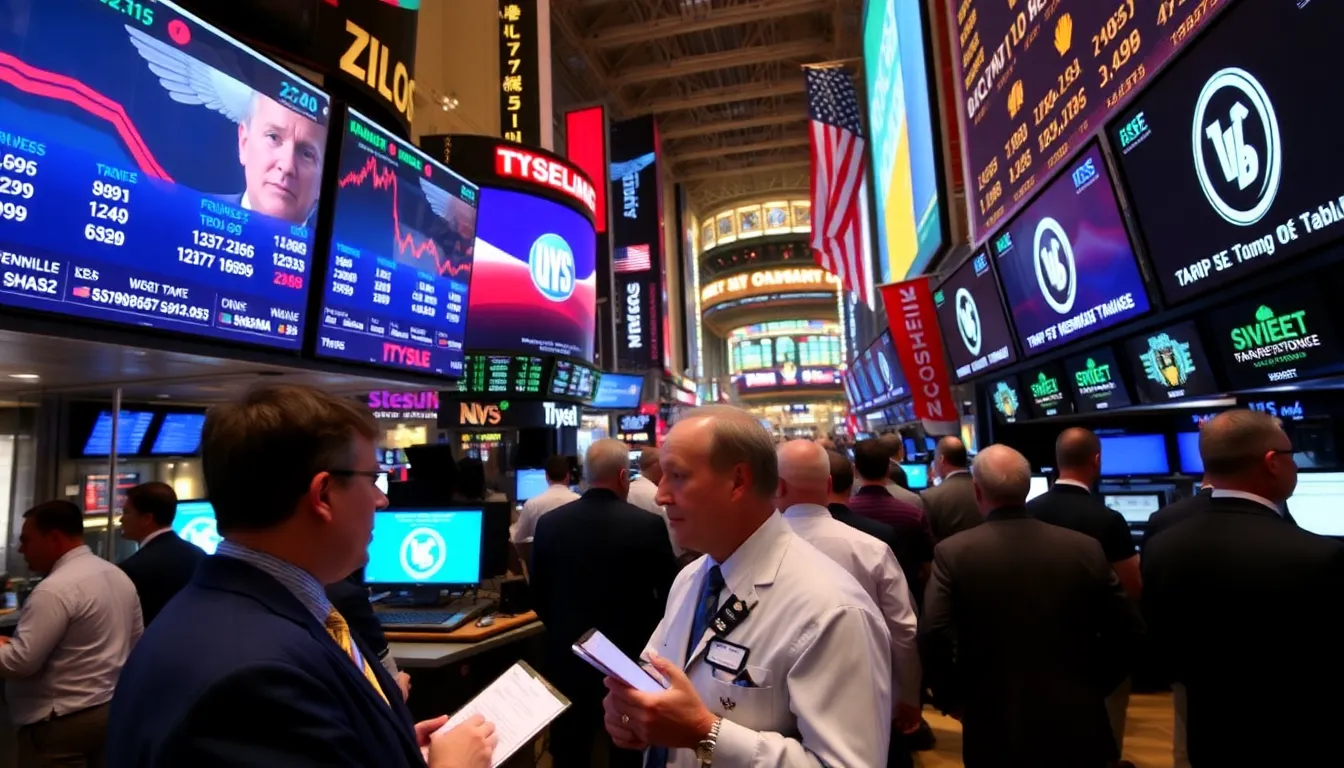
In the short term, consumers may notice a decrease in prices for certain goods, particularly in sectors like electronics and automobiles, as companies adjust their pricing strategies. Additionally, businesses may find renewed confidence in investment and hiring, leading to a potential uptick in economic activity. However, there are risks involved; if the political climate shifts again, businesses could face sudden changes in policy that may disrupt their operations.
- Positive impacts: Lower consumer prices, increased investment, and improved trade relations.
- Risks: Potential for future tariff reintroductions, market volatility, and supply chain disruptions.
- Opportunities: Expansion in export markets, innovation in supply chain management, and enhanced consumer spending.
In the mid-term, businesses may seize the opportunity to expand their operations and innovate, driven by the newfound stability in trade policies. Companies may also invest in technology to enhance efficiency and reduce dependency on fluctuating tariffs. However, stakeholders must remain vigilant as geopolitical tensions can rapidly alter the landscape, necessitating agile responses to maintain market competitiveness.
A: Trump’s decision to delay tariffs was influenced by concerns over potential economic repercussions and pressure from various stakeholders, including businesses and allies. A: Stock markets in Europe and the US have seen a notable increase as investors respond positively to the news of delayed tariffs, indicating renewed confidence. A: The long-term effects could include improved trade relations and stability in the markets, but uncertainty remains about future tariff policies. A: Key stakeholders include businesses reliant on imports, consumers facing price changes, and government officials involved in trade negotiations. A: Investors should monitor ongoing trade discussions and any future announcements regarding tariffs, as these will significantly impact market conditions.
Frequently asked questions about the tariff situation
Key takeaways and future outlook on tariffs
The recent rise in European and US stocks following former President Trump’s decision to backtrack on proposed tariffs highlights the market’s sensitivity to trade policies. Investors are keenly aware that tariff threats can have immediate repercussions on market stability and corporate profitability. This shift may signal a more cautious approach to trade negotiations, as stakeholders assess the potential for a more cooperative environment.
As we look ahead, the implications of this development extend beyond just market performance. The evolving landscape of international trade will likely influence investment strategies and economic forecasts in the coming months. It is essential to monitor how this situation unfolds and its impact on global economic dynamics.
- Watch for potential changes in trade policy as negotiations progress, which could further affect market sentiment.
- Investors should consider the implications of tariff stability on sectors heavily reliant on imports and exports.
- Keep an eye on corporate earnings reports, as shifts in trade policy can influence profitability and growth projections.
- Stay informed about geopolitical developments that may affect trade relations, particularly between the US and Europe.
- Evaluate the resilience of stock markets in response to trade-related news, as this may indicate broader economic trends.