
The cave painting was uncovered in the La Pasiega cave system, where a team of international archaeologists conducted extensive excavations. The discovery not only pushes back the timeline for the emergence of creative expression but also raises questions about the capabilities of Neanderthals and other hominin species that existed alongside early Homo sapiens.
Experts believe that this artwork could redefine the narrative of human evolution, suggesting that the capacity for artistic representation may have been more widespread among ancient populations than previously thought. This challenges the long-held notion that complex art was exclusive to modern humans and opens new avenues for research into the cognitive abilities of our ancestors.
The implications of this discovery extend beyond art history, prompting a reevaluation of how we understand the social and cultural practices of early humans. As researchers continue to analyze the painting and its context, the findings may lead to a broader reassessment of human creativity and its origins in prehistoric times.
Understanding the significance of ancient cave art
This artwork, found in a remote cave, is believed to date back tens of thousands of years, challenging previously held notions about the timeline of artistic development among early humans. As researchers delve deeper into the implications of this finding, it becomes essential to contextualize it within the broader narrative of human history and cultural evolution.
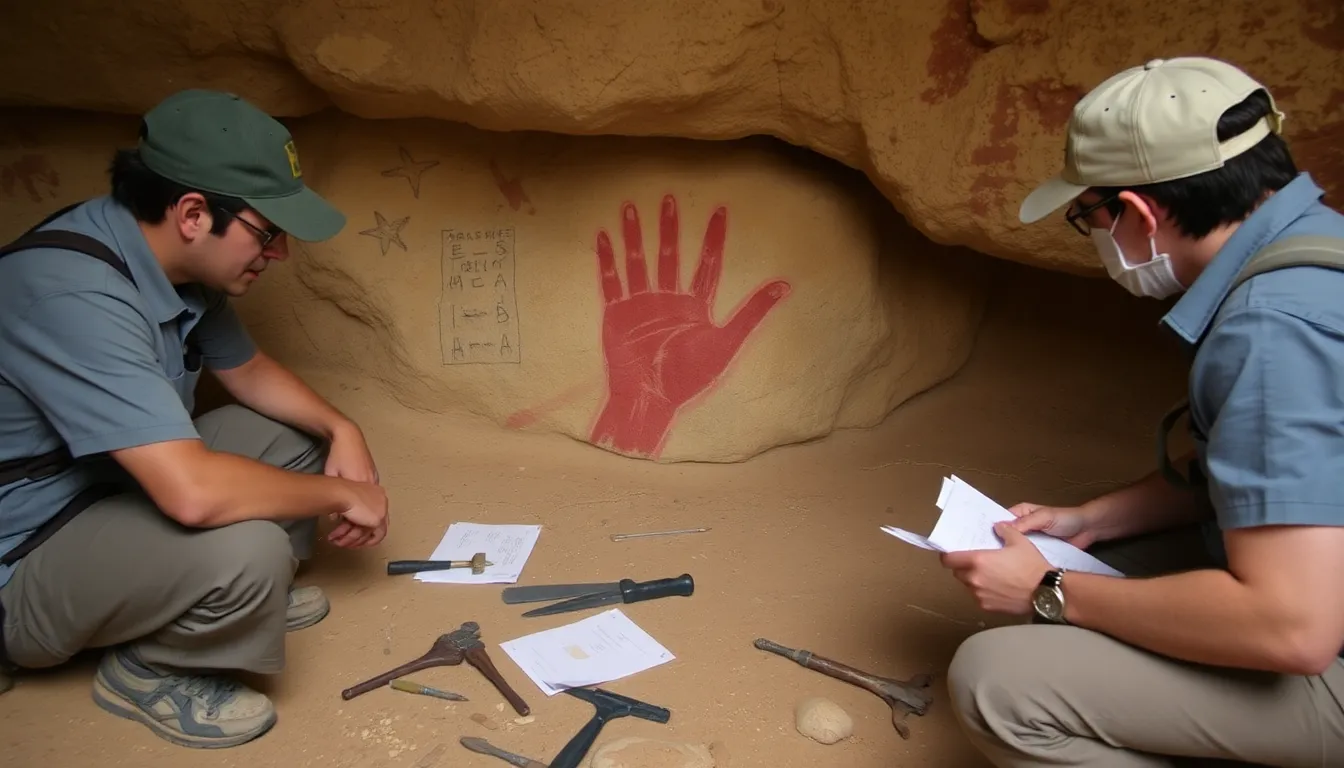
Historically, cave art has been viewed as a crucial indicator of cognitive development and social structure in prehistoric societies. The emergence of artistic expression is often associated with the Upper Paleolithic period, around 40,000 years ago, when humans began to create more complex forms of art. However, the discovery of this ancient painting suggests that the roots of creativity may extend much further back, prompting a reevaluation of the milestones in human artistic endeavor.
The Evolution of Artistic Expression
Artistic expression has evolved in tandem with human development, reflecting changes in social organization, environmental adaptation, and technological advancements. The earliest forms of art, such as carvings and simple markings, served not only as decorative elements but also as tools for communication and storytelling. The significance of these expressions lies in their ability to convey shared experiences, beliefs, and cultural values, which are fundamental to the human experience.
Moreover, the political and economic landscapes of ancient societies played a vital role in shaping artistic expression. As communities grew and interacted with one another, the exchange of ideas and techniques led to the diversification of artistic styles across different regions. This interconnectedness highlights the importance of cave art as a reflection of not just individual creativity, but also the collective identity of early human groups.
In light of the recent discovery, scholars are now reconsidering the timeline of human creativity. The implications of this finding extend beyond art history; they challenge our understanding of what it means to be human. As we uncover more about our ancestors’ capabilities and expressions, we gain insight into the fundamental aspects of creativity that continue to define humanity today.
Key stakeholders and their perspectives on the discovery
The discovery of the oldest cave painting of a red claw hand has sparked interest among various stakeholders, including archaeologists, cultural heritage organizations, governments, and the general public. Each group has its own perspective on the implications of this finding, reflecting broader themes of human creativity and cultural history.
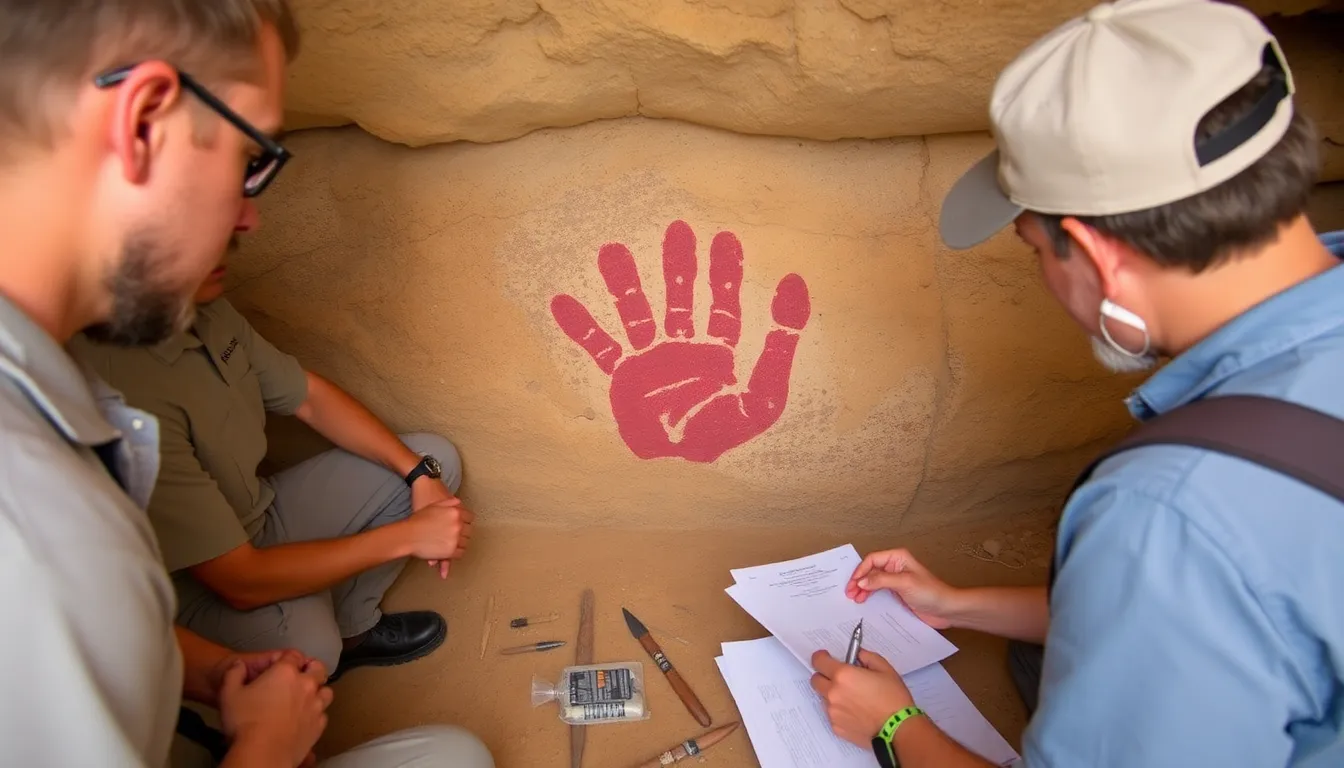
Archaeologists are particularly invested in this discovery as it could redefine the timeline of human artistic expression. They seek to understand the context in which these paintings were created, which may provide insights into the cognitive and cultural development of early humans. This finding could lead to further research and exploration of similar sites, potentially uncovering more artifacts that challenge existing narratives about human creativity.
Cultural heritage organizations play a crucial role in protecting and preserving such discoveries. Their interests lie in ensuring that these sites are safeguarded from vandalism and environmental degradation. They advocate for responsible tourism and promote awareness of the significance of these cultural artifacts. The challenge they face is balancing public access with the need for conservation.
- Governments may become involved in discussions around funding for archaeological research and preservation efforts.
- There may be conflicts between local communities and researchers regarding access to the site and the sharing of knowledge.
- Economic interests could emerge as the discovery attracts tourism, creating both opportunities and challenges for local economies.
Additionally, the general public’s fascination with this discovery highlights a growing interest in the origins of human creativity. However, there may be differing opinions on how such findings should be interpreted and presented. Some may argue for a more scientific approach, while others may prefer narratives that emphasize the emotional and cultural significance of the art.
Potential implications for archaeology and anthropology
The discovery of the oldest cave painting of a red claw hand may significantly impact various groups, including archaeologists, anthropologists, and historians. These professionals will need to reevaluate existing theories about the timeline of human creativity and artistic expression. The findings could lead to a surge in interest and funding for research in prehistoric art, particularly in regions where similar artifacts may be uncovered.
Industries related to tourism, particularly in areas rich in archaeological sites, are likely to experience both short-term and mid-term benefits. Increased media attention surrounding the discovery could attract visitors eager to learn more about early human creativity. Local economies may see a boost as museums and cultural centers expand their exhibits and educational programs to include this new information.
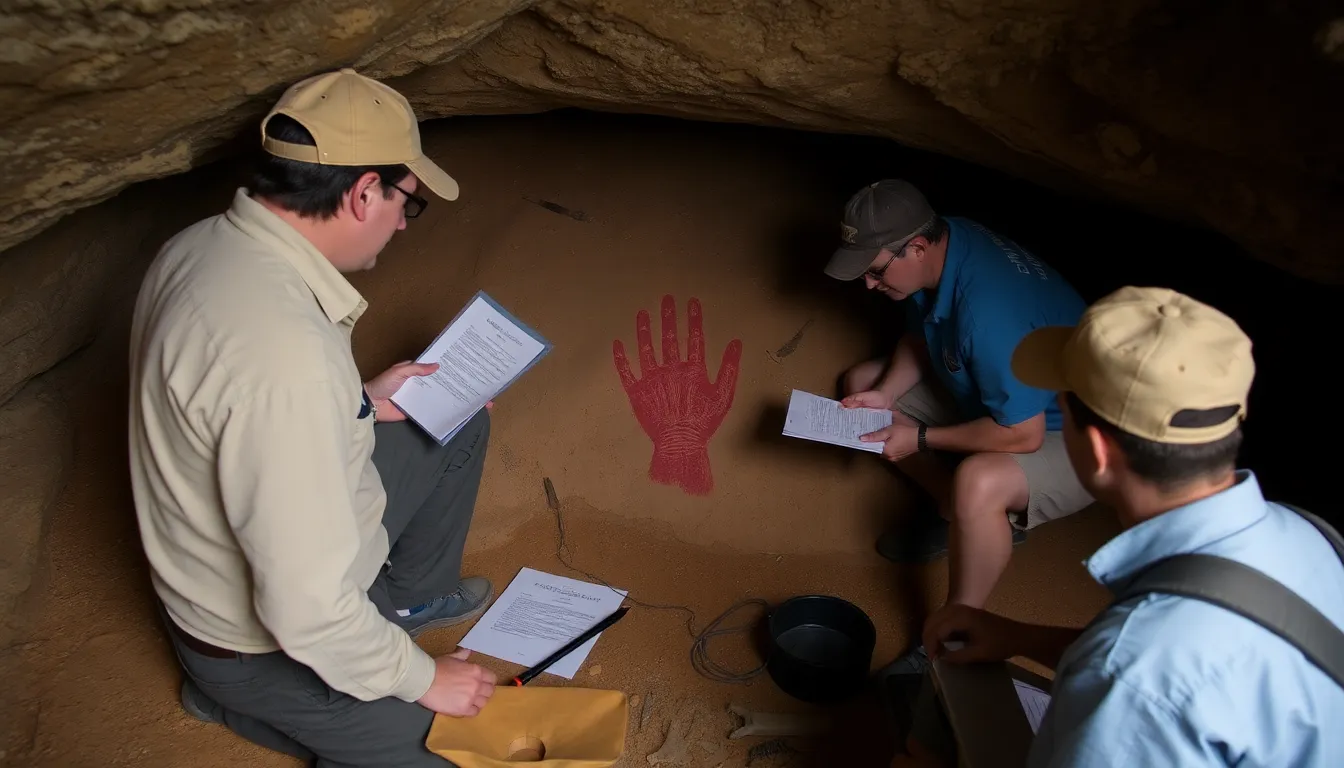
On the policy front, governments may feel pressured to invest in the preservation of archaeological sites and enhance regulations protecting cultural heritage. This could lead to new policies aimed at promoting sustainable tourism that balances economic benefits with the need to safeguard historical artifacts.
- Short-term impacts: Increased tourism and funding for archaeological research.
- Mid-term impacts: New policies for cultural heritage preservation and educational initiatives.
- Risks: Potential for over-commercialization and damage to archaeological sites.
- Opportunities: Enhanced public interest in archaeology and increased collaboration among researchers.
Moreover, the implications of this discovery extend beyond academia and tourism. It may inspire artists and creators to explore themes of prehistoric art, leading to new forms of expression in contemporary culture. This could foster a deeper appreciation for the origins of human creativity, bridging the gap between past and present.
A: The red claw hand painting is believed to be one of the oldest examples of human artistic expression, potentially dating back tens of thousands of years. It challenges previous assumptions about the timeline of creativity in early humans. A: The painting was found in a cave located in a remote area, which has been a site of archaeological interest for years. The specific location adds to its historical importance. A: This discovery suggests that early humans had a more complex understanding of art and creativity than previously thought, indicating that artistic expression may have emerged earlier in human history. A: Yes, there have been several discoveries of ancient cave art that have provided insights into the lives and cultures of early humans, but this particular painting stands out due to its age and style. A: The scientific community is buzzing with excitement, as this finding could lead to new research and discussions about the evolution of human creativity and cultural practices.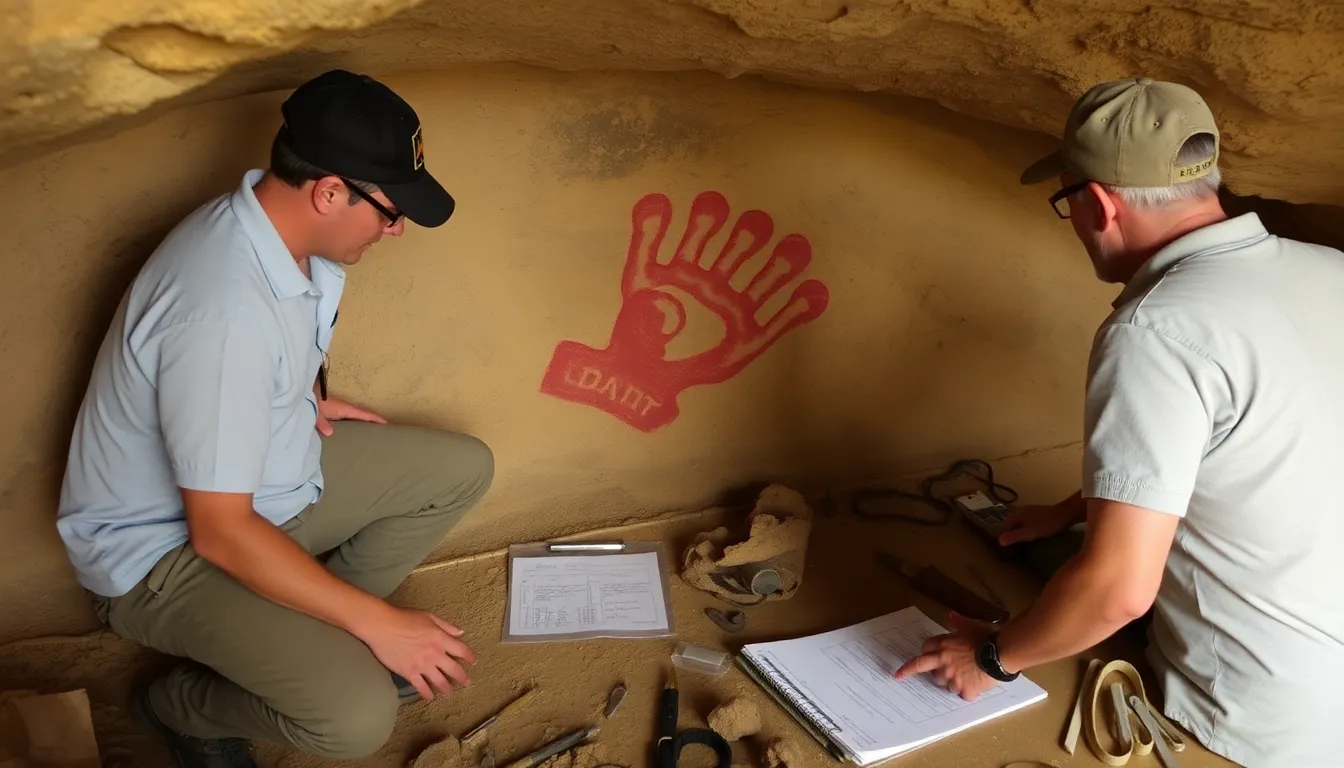
Frequently asked questions about the cave painting discovery
Key takeaways and future outlook on human creativity
The discovery of the oldest cave painting depicting a red claw hand not only challenges previous assumptions about the timeline of human creativity but also invites a reevaluation of the cognitive capabilities of early humans. This finding emphasizes the potential for symbolic thought and artistic expression much earlier than previously documented, suggesting a deeper and more complex understanding of human evolution.
As researchers continue to explore the implications of this artwork, it will be crucial to consider how such early expressions of creativity may have influenced social structures, communication, and cultural development in prehistoric communities.
- Reassessment of timelines: The dating of this painting could prompt a significant shift in the timeline of human artistic development, necessitating a review of archaeological findings worldwide.
- Cognitive implications: This discovery raises questions about the cognitive abilities of early humans, suggesting they may have possessed advanced symbolic thinking earlier than believed.
- Interdisciplinary research: Future studies may benefit from a collaborative approach, integrating insights from archaeology, anthropology, and cognitive science to enrich our understanding of human creativity.
- Cultural continuity: The significance of this artwork may lead to further exploration of how early artistic expressions influenced later cultural practices and artistic traditions.
- Public engagement: Increased interest in such findings can enhance public awareness and appreciation of prehistoric art, potentially influencing educational curricula and cultural heritage initiatives.