
The tariff relief is set to impact key sectors, including agriculture and technology, potentially boosting trade volumes between the two nations. Both governments have emphasized the importance of collaboration to foster economic growth and stability in the Asia-Pacific region, with Carney highlighting the need for a constructive dialogue to resolve ongoing trade issues.
As part of the agreement, China will lower tariffs on Canadian canola oil and pork, while Canada will reduce tariffs on Chinese electronics and machinery. This reciprocal arrangement aims to enhance market access and encourage investment, reflecting a mutual desire to strengthen economic ties amidst global economic uncertainties.
The announcement has been met with cautious optimism from industry stakeholders, who hope that this development will lead to a more stable trading environment. Analysts suggest that this could serve as a foundation for further negotiations on broader economic cooperation, reinforcing the significance of diplomatic engagement in resolving trade conflicts.
Recommended Articles
- Exploring the feasibility of India's pursuit for rare earth magnets
- Trump's Envoy to India Offers Hope Amid a Strained Relationship
- Hand-stitched Indian ship makes a grand arrival in Oman
- Income tax changes and mansion tax on £1m homes in Scottish Budget
- US frackers face challenges as global oil supply glut worsens with Trump's Venezuelan strategy
- Exploring the feasibility of India's pursuit for rare earth magnets
- Trump's Envoy to India Offers Hope Amid a Strained Relationship
- Hand-stitched Indian ship makes a grand arrival in Oman
- Income tax changes and mansion tax on £1m homes in Scottish Budget
- US frackers face challenges as global oil supply glut worsens with Trump's Venezuelan strategy
Understanding the background of the China-Canada trade relationship
The trade relationship between China and Canada has evolved significantly over the past few decades, marked by both cooperation and tension. Historically, Canada has been one of the first Western nations to establish diplomatic relations with China, officially recognizing the People’s Republic of China in 1970. Since then, the two countries have sought to enhance their economic ties, with China emerging as one of Canada’s largest trading partners.
However, the relationship has not been without challenges. In recent years, geopolitical tensions, particularly surrounding issues of human rights and national security, have strained the partnership. The detention of Huawei executive Meng Wanzhou in 2018 on U.S. charges led to a diplomatic crisis, resulting in retaliatory measures from China, including the imposition of tariffs on Canadian agricultural products. This incident marked a significant turning point, highlighting the fragility of the trade relationship.
Key Milestones in the Trade Relationship
Several key milestones have shaped the current landscape of trade between China and Canada. The signing of the Canada-China Free Trade Agreement negotiations in 2016 was a significant step towards deepening economic ties, aiming to facilitate trade and investment. However, the subsequent geopolitical tensions, including the ongoing trade war between the U.S. and China, have complicated these efforts.
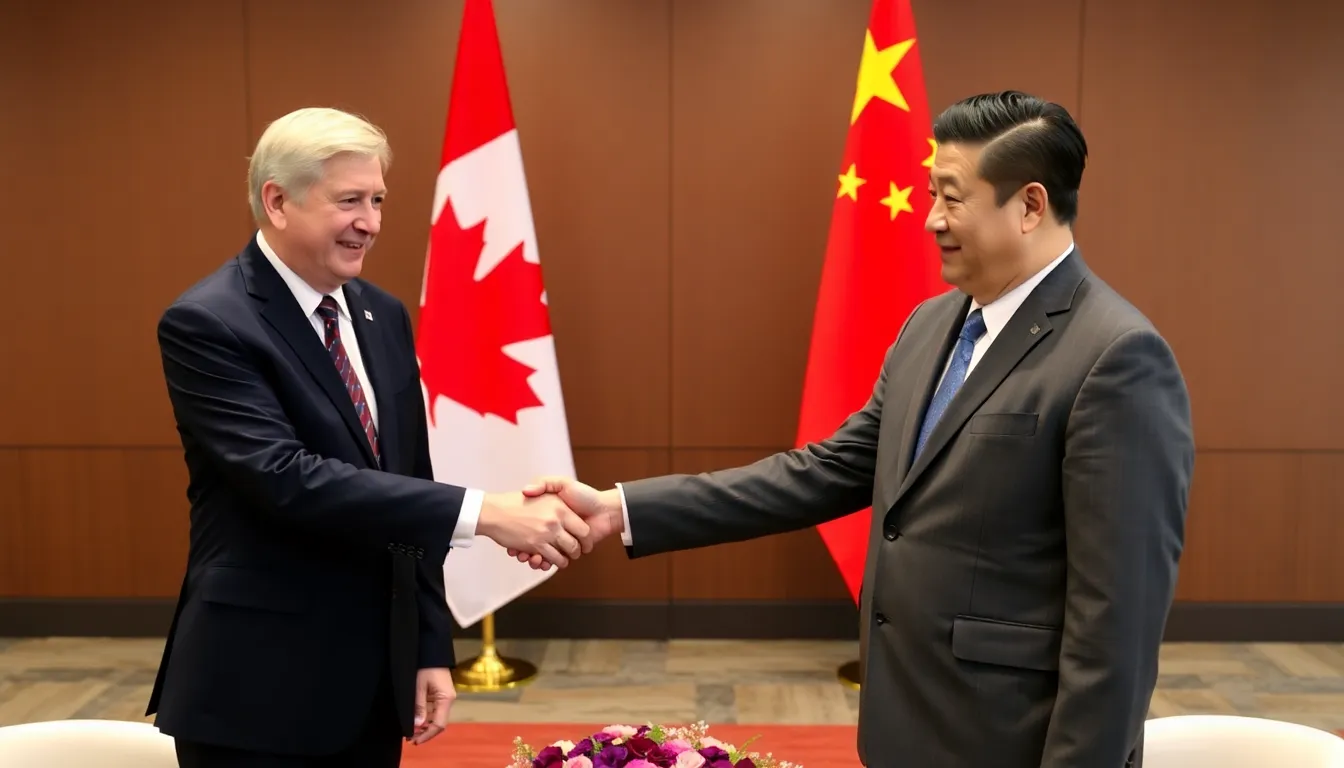
The recent high-stakes meeting between Mark Carney, Canada’s special envoy to the United Nations, and Chinese President Xi Jinping represents a crucial moment in attempting to reset the relationship. Following this meeting, both nations announced a relief from certain tariffs, signaling a willingness to engage in dialogue and find common ground amidst ongoing challenges. This development may pave the way for a more stable and mutually beneficial trade environment.
As Canada navigates its complex relationship with China, the balancing act between economic interests and national values remains a critical factor. The outcome of these negotiations will not only impact bilateral trade but also reflect broader trends in international relations and global trade dynamics.
Key stakeholders and issues surrounding the tariff negotiations
The recent high-stakes meeting between Canadian Finance Minister Mark Carney and Chinese President Xi Jinping has brought to the forefront several key stakeholders in the ongoing tariff negotiations. The primary actors include the governments of Canada and China, major trade organizations, and various industry sectors that are directly impacted by these tariffs.
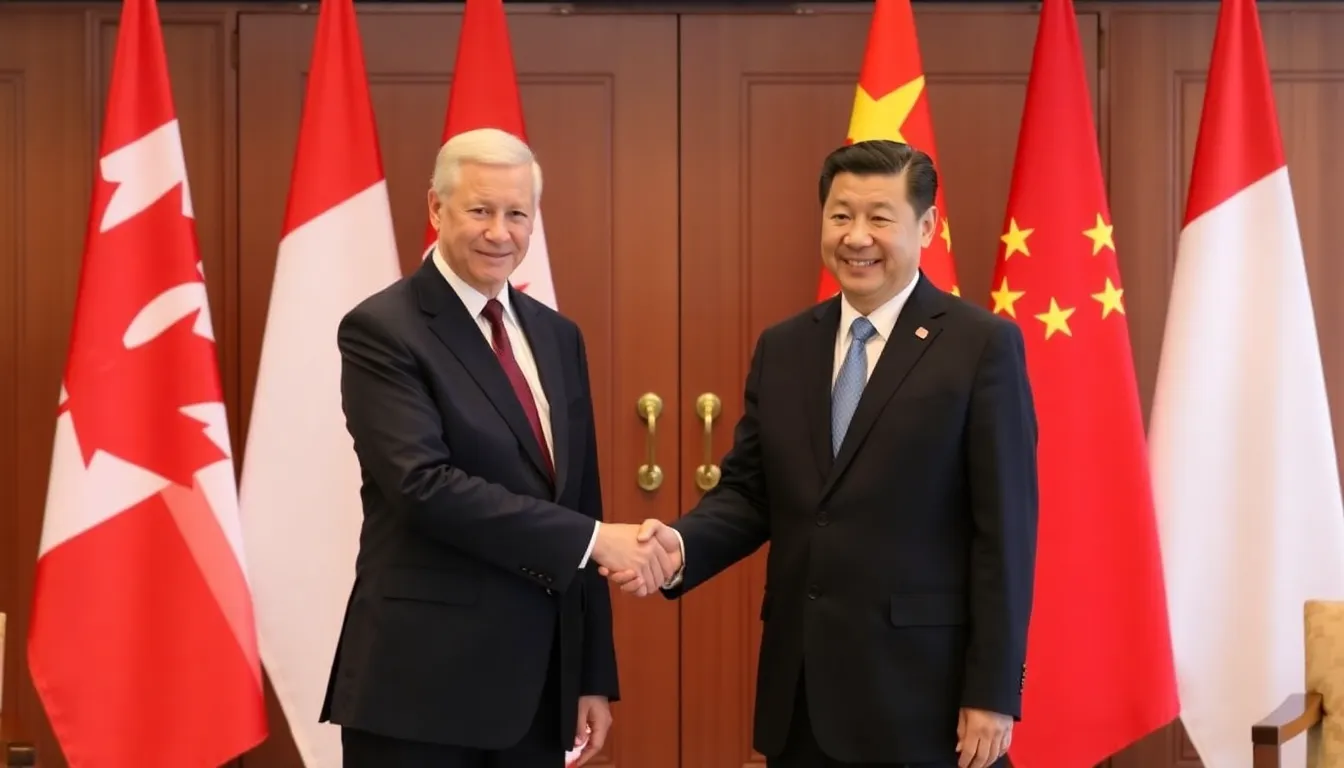
The Canadian government, led by Prime Minister Justin Trudeau, is keen on fostering a stable trade relationship with China, as it is one of Canada’s largest trading partners. The interests of Canada revolve around reducing tariffs to promote exports, particularly in sectors such as agriculture, technology, and natural resources. Conversely, the Chinese government aims to protect its domestic industries while also seeking to enhance its international trade ties, thereby ensuring economic growth and stability.
Key issues surrounding the negotiations include:
- Economic Impact: Both nations are concerned about the economic repercussions of tariffs on their respective industries, which could lead to job losses and reduced growth.
- Legal Framework: The negotiations must adhere to international trade laws and agreements, which can complicate the process and lead to potential disputes.
- Political Pressure: Domestic political pressures in both countries may influence the negotiations, as leaders must balance international commitments with local expectations.
- Long-term Relations: The outcome of these negotiations could set a precedent for future trade relations, impacting not only Canada and China but also their relationships with other global partners.
In addition to the governmental interests, various industry stakeholders, including manufacturers, exporters, and importers, have their own stakes in the negotiations. For instance, Canadian farmers are particularly concerned about maintaining access to the Chinese market, while Chinese manufacturers are interested in securing favorable terms for their exports to Canada. These conflicting interests can lead to trade-offs that complicate the negotiation process.
Implications of the tariff relief for businesses and consumers
The recent announcement of tariff relief between China and Canada marks a significant shift in trade relations, impacting various groups and industries. Key sectors such as agriculture, technology, and manufacturing are poised to experience immediate effects. Farmers in Canada, who have faced challenges due to high tariffs on exports to China, may see a resurgence in demand for their products, particularly in the soybean and canola markets.
In the short term, consumers can expect a reduction in prices for goods that have been subject to tariffs, including electronics and household items. This could lead to increased purchasing power and a boost in consumer confidence. However, the mid-term outlook remains mixed as businesses adjust to the new trade landscape. Companies may need to reevaluate their supply chains and pricing strategies to capitalize on the tariff relief while remaining competitive.
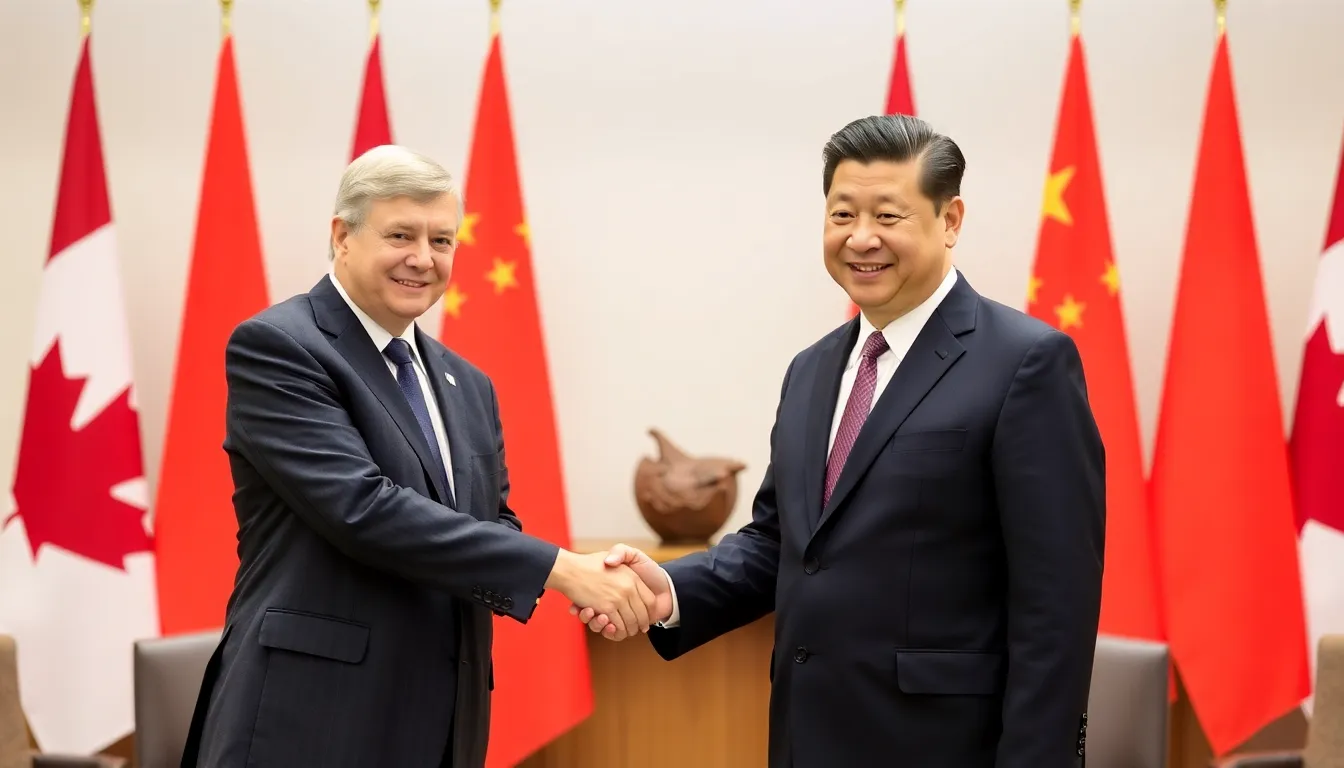
While there are clear benefits, there are also risks associated with this shift. For instance, industries that have relied on protective tariffs may face challenges as competition increases. Additionally, geopolitical tensions could resurface, potentially leading to instability in trade relations. Businesses need to remain vigilant and adaptable to navigate these uncertainties.
- Opportunities: Increased market access for Canadian exports to China.
- Risks: Heightened competition for domestic producers.
- Consumer Impact: Lower prices on imported goods.
- Business Adaptation: Need for strategic supply chain adjustments.
Overall, the tariff relief presents a complex landscape for both businesses and consumers, with the potential for growth and challenges ahead. Stakeholders must closely monitor the developments to leverage opportunities while mitigating risks in this evolving trade environment.
A: The agreement focuses on reducing tariffs on a range of goods, particularly those impacting agricultural and manufacturing sectors. The exact items and percentages will be detailed in the official announcement. A: The tariff relief is expected to enhance trade flows, making it easier for businesses in both countries to export and import goods. This could lead to increased economic cooperation. A: Key topics included trade barriers, economic cooperation, and strategies to strengthen bilateral relations. Both leaders emphasized the importance of mutual benefits in trade. A: The implementation timeline is still being finalized, but both parties aim to have the relief in place as soon as possible to facilitate smoother trade. A: Yes, the relief may come with certain conditions aimed at ensuring compliance with trade regulations and fostering a fair trading environment.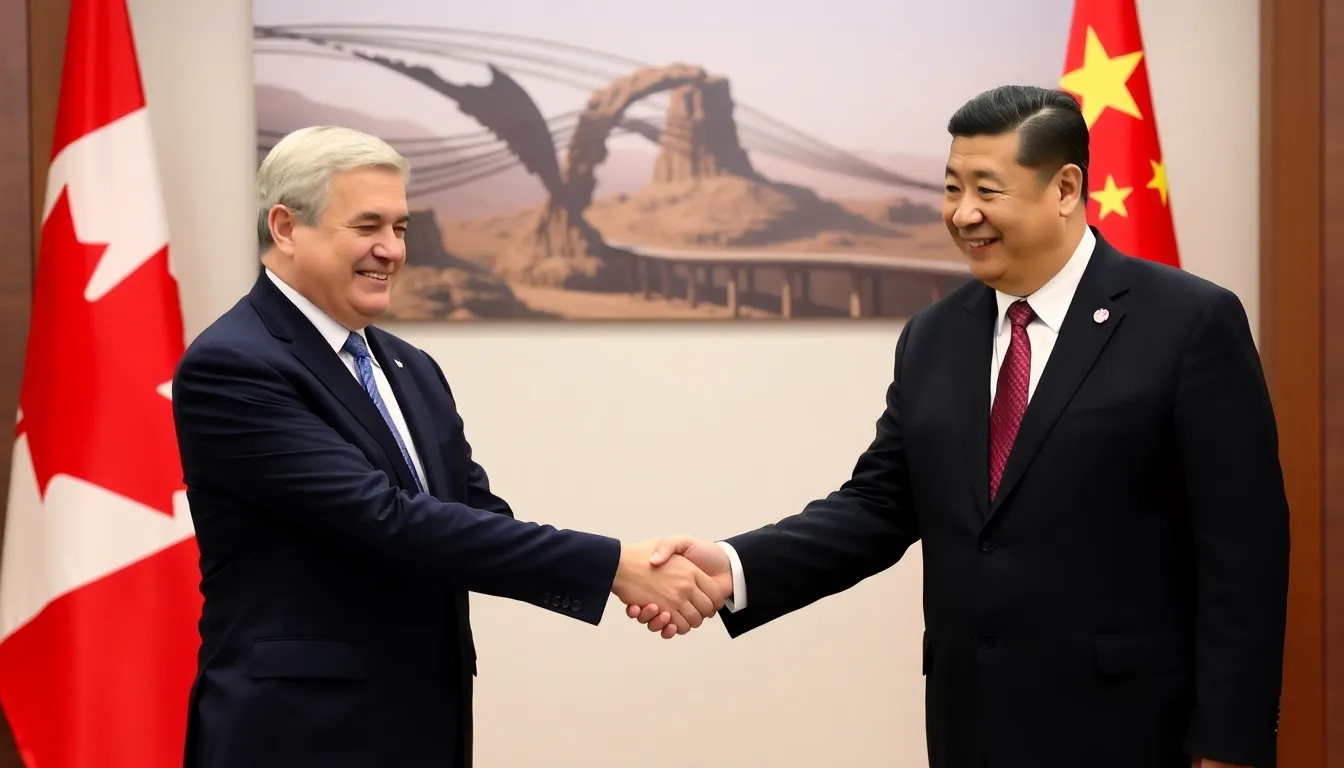
Frequently asked questions about the tariff relief agreement
Looking ahead: key takeaways and future prospects
The recent meeting between Mark Carney and Xi Jinping marks a significant turning point in China-Canada relations, particularly in the context of trade. The agreement to relieve tariffs suggests a willingness from both sides to foster a more cooperative economic environment, potentially paving the way for enhanced bilateral trade and investment opportunities. This development could also serve as a model for resolving tensions in other areas of international trade.
As both nations seek to navigate the complexities of their economic interdependence, several key implications emerge that stakeholders should monitor closely in the coming months. The evolution of this relationship will likely influence not only trade policies but also broader geopolitical dynamics.
- Increased Trade Volume: Expect a potential surge in trade activities between China and Canada as tariffs are lifted, which may benefit various sectors, including agriculture and technology.
- Investment Opportunities: Companies from both nations may explore new investment avenues, particularly in green technologies and infrastructure, aligning with global sustainability goals.
- Geopolitical Repercussions: The easing of tensions may influence Canada’s relationships with other global powers, particularly the United States, as they observe the shifting dynamics in Canadian foreign policy.
- Monitoring Compliance: Stakeholders should watch for how both countries implement the tariff relief and ensure compliance, as any backtracking could signal underlying tensions.
- Long-term Strategic Alliances: This meeting could lead to the formation of strategic alliances that extend beyond trade, affecting international relations and economic policies in the Asia-Pacific region.