
Major tech companies such as Samsung, LG, and Sony have unveiled their latest products, emphasizing the integration of artificial intelligence and machine learning into consumer devices. Notable announcements include LG’s new OLED displays that promise enhanced energy efficiency and Samsung’s smart home ecosystem that aims to improve user experience through seamless connectivity. These innovations not only enhance functionality but also address consumer demand for more sustainable options, as discussed in Exploring the Future of Tech Dense Farms in Agriculture.
Startups are also making waves at CES 2024, with many presenting unique solutions aimed at everyday challenges. For instance, a new wearable device from a startup called HealthTech aims to monitor vital signs in real-time, providing users with crucial health insights. Such innovations underscore the event’s role in fostering creativity and entrepreneurship in the tech industry, a theme that resonates with the current trends in sustainable technology.
In addition to product launches, CES 2024 features discussions on the ethical implications of emerging technologies. Panels on topics such as data privacy and AI ethics are attracting significant attention, indicating a shift towards responsible innovation. As technology continues to evolve rapidly, these conversations are essential for guiding future developments in a way that prioritizes consumer trust and safety.
Understanding the significance of CES in the tech landscape
The Consumer Electronics Show (CES) has long been a pivotal event in the technology industry, showcasing the latest innovations and setting the stage for future trends. Established in 1967, CES began as a small exhibition for consumer electronics and has since evolved into one of the largest and most influential technology trade shows in the world. This annual gathering attracts thousands of exhibitors and attendees, from industry giants to startups, all eager to unveil and discover groundbreaking products and ideas.

Historically, CES has been a barometer for technological advancement and consumer interest. Major milestones have occurred at this event, such as the introduction of the VCR in 1970, the DVD in 1996, and more recently, advancements in smart home technologies and electric vehicles. Each year, the innovations presented at CES not only reflect current technological capabilities but also hint at future societal shifts in how we interact with technology in our daily lives.
In recent years, the emphasis on sustainability and health technology has become increasingly prominent at CES. This shift can be attributed to growing consumer awareness and demand for eco-friendly products, as well as the ongoing global health crises that have shaped public priorities. Companies are now focusing on creating technologies that not only enhance convenience and entertainment but also contribute positively to the environment and individual well-being.
Political and Economic Influences
The political landscape and economic conditions also play a significant role in shaping the innovations presented at CES. Trade policies, regulations, and international relations can impact the availability and development of new technologies. For instance, the ongoing discussions around data privacy and cybersecurity have led to a surge in products that prioritize user security. Additionally, as global markets become more interconnected, the innovations showcased at CES often reflect a blend of cultural influences, showcasing how technology can transcend borders and address universal challenges.
Key players and emerging trends in future technology
The Consumer Electronics Show (CES) has long been a platform for showcasing the latest innovations in technology. This year, several key players have emerged, each with distinct interests and goals. Major technology companies, startups, and even government agencies are vying for attention as they unveil their visions for the future. Companies like Samsung, Sony, and smaller startups are at the forefront, pushing the boundaries of what is possible in consumer technology.
One of the central themes at CES is the integration of artificial intelligence (AI) across various devices. Tech giants are investing heavily in AI to enhance user experience, improve efficiency, and create smarter products. However, this raises concerns regarding data privacy and security. As AI systems collect vast amounts of personal data, the balance between innovation and user protection becomes a significant issue.
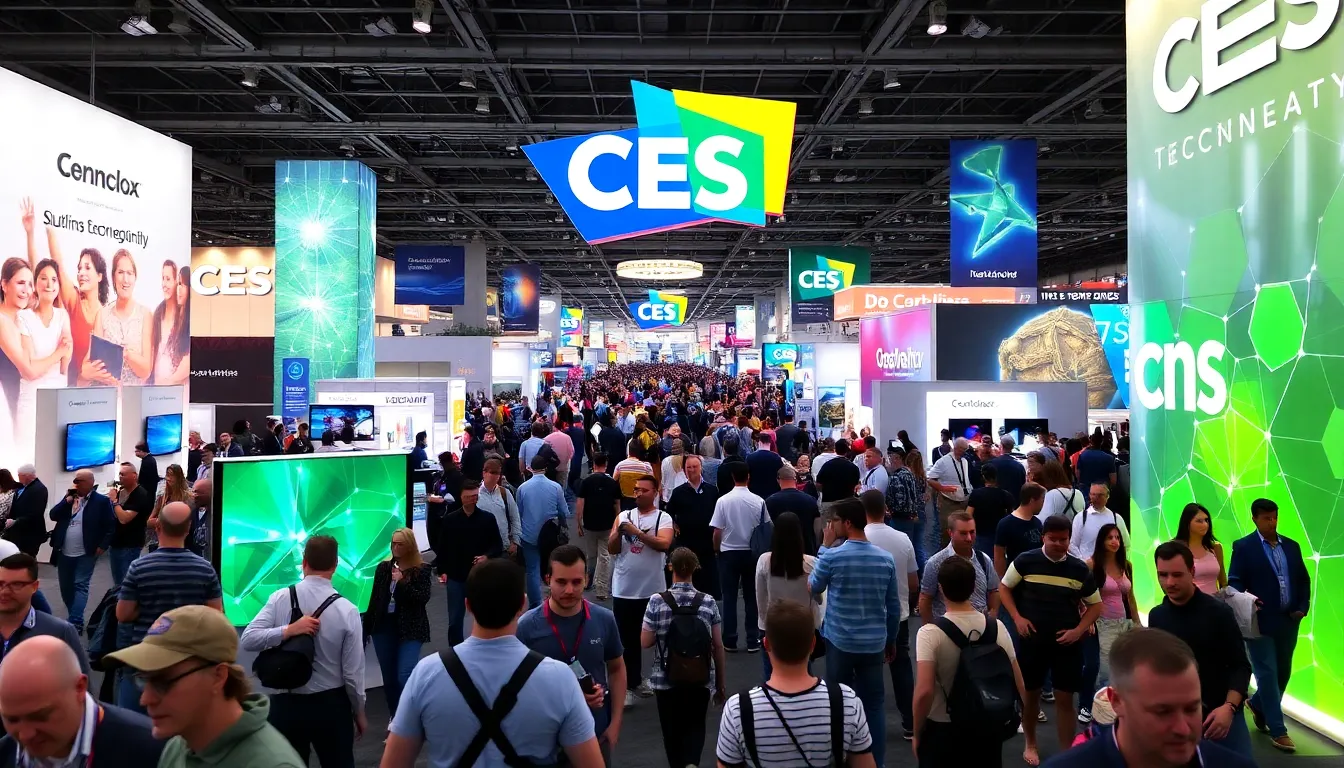
Another critical area of focus is sustainability. Many companies are prioritizing eco-friendly technologies and practices, responding to growing consumer demand for greener products. This shift presents both opportunities and challenges. While companies that adopt sustainable practices can gain a competitive edge, they must also navigate the complexities of regulatory compliance and potential trade-offs in production costs.
- Investment in AI: Major players are pushing for AI integration, raising data privacy concerns.
- Sustainability efforts: Companies are focusing on eco-friendly technologies, balancing innovation with compliance.
- Global competition: As nations invest in tech development, geopolitical tensions may arise over technology leadership.
- Consumer expectations: Users demand more from technology, driving innovation but complicating product development.
Additionally, the competitive landscape is evolving, with emerging startups challenging established companies. This dynamic fosters innovation but also leads to potential conflicts over intellectual property and market share. As these new players enter the market, they must navigate existing regulations while carving out their niche in a crowded space, much like the current discussions surrounding the striking N.Y.C. Nurses.
How these technologies will affect consumers and industries
The unveiling of innovative technologies at CES has far-reaching implications for various groups, including consumers, businesses, and policymakers. As these advancements become integrated into everyday life, they will redefine how people interact with technology and each other.
One of the primary groups affected will be consumers, particularly tech-savvy individuals who are eager to adopt the latest gadgets. These innovations promise to enhance daily life through improved connectivity and convenience. For instance, smart home devices will allow users to automate household tasks, while advancements in wearable technology will enable better health monitoring.
Industries such as automotive, healthcare, and entertainment are also poised for significant transformation. The rise of electric and autonomous vehicles showcased at CES could revolutionize transportation, leading to a decrease in carbon emissions and a shift in urban planning. Similarly, healthcare technologies that utilize AI and machine learning may streamline patient care, reducing costs and improving outcomes.
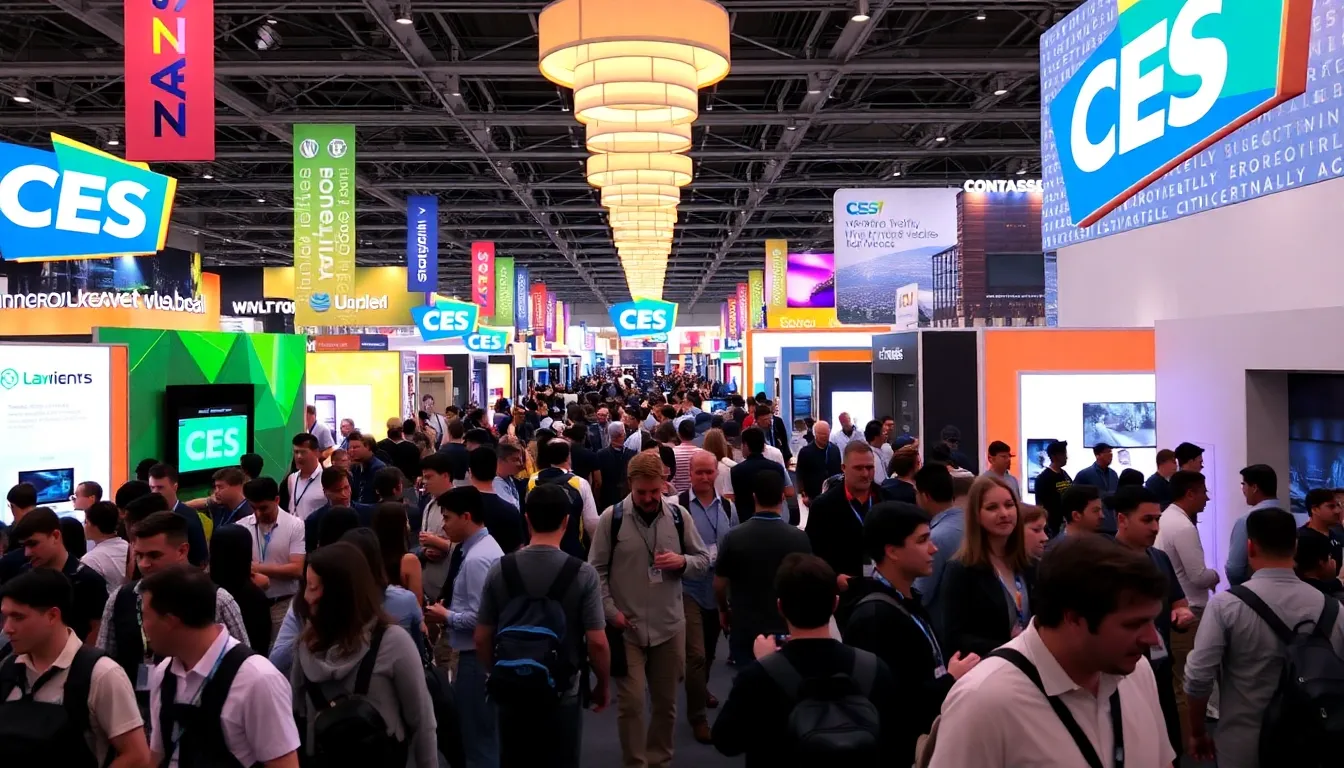
- Enhanced consumer convenience and connectivity.
- Potential job displacement in traditional industries.
- New business opportunities in tech-driven sectors.
- Policy adjustments needed to regulate emerging technologies.
However, these advancements come with risks. The rapid adoption of technology may exacerbate the digital divide, leaving behind those who cannot afford or access new devices. Moreover, concerns over data privacy and security will require urgent attention from policymakers to protect consumers. In the mid-term, businesses will need to adapt to these changes, potentially leading to job losses in sectors unable to keep pace with technological evolution.
On the other hand, the growth of new markets and services presents exciting opportunities. Companies that embrace innovation can gain a competitive edge, while startups focusing on tech solutions may thrive. Overall, the impact of CES technologies will be profound, shaping the future landscape of consumer behavior and industry practices.
A: CES, or the Consumer Electronics Show, is an annual trade show organized by the Consumer Technology Association, showcasing the latest innovations in consumer electronics. A: CES features a wide range of technologies including smart home devices, wearables, automotive tech, and advancements in AI and robotics. A: CES attracts a diverse audience including industry professionals, tech enthusiasts, media, and investors looking to discover the latest trends and innovations. A: CES serves as a platform for companies to showcase their innovations, influencing market trends and consumer expectations for the upcoming year. A: CES typically takes place in January each year in Las Vegas, Nevada, drawing thousands of attendees from around the world.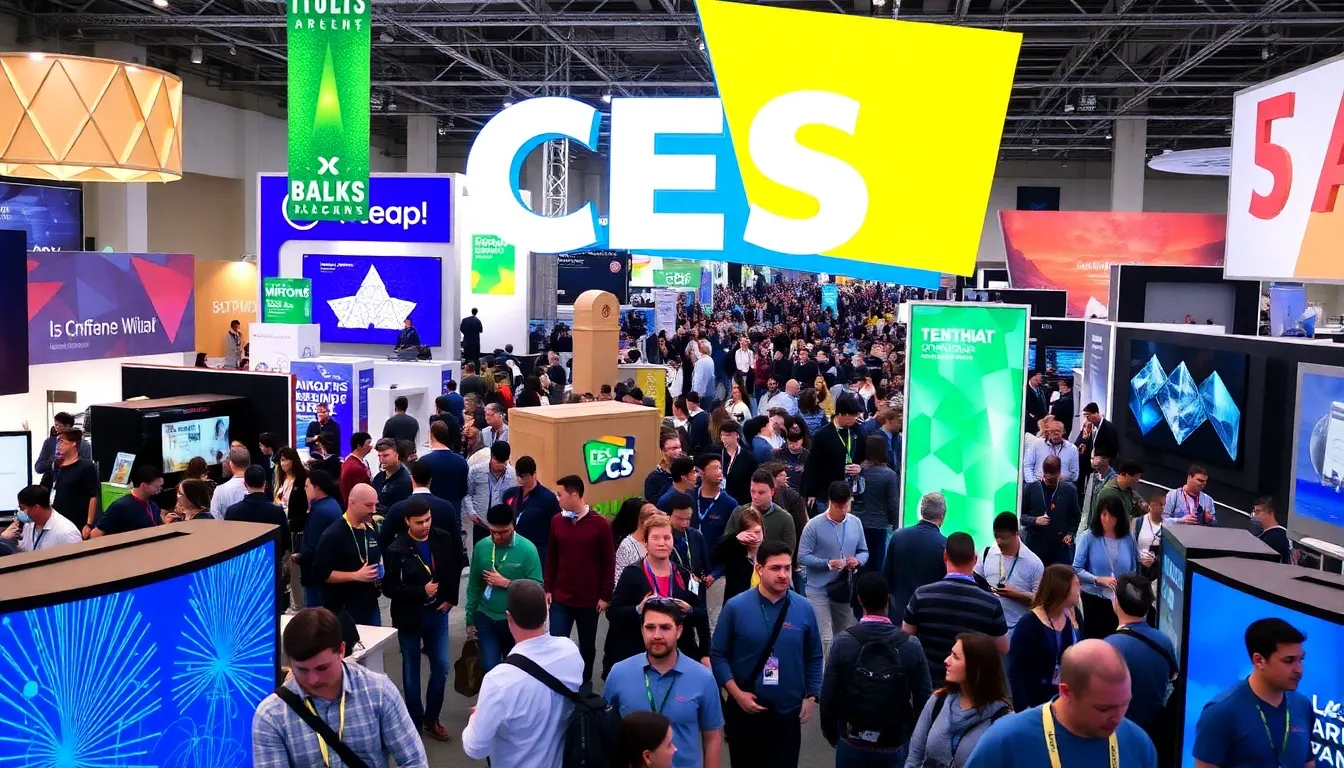
Frequently asked questions about CES tech
Looking ahead: The future of technology post-CES
The innovations showcased at CES highlight a pivotal moment in technology, where advancements in AI, sustainability, and connectivity promise to redefine everyday experiences. As companies push the boundaries of what is possible, consumers can expect a transformative impact on various sectors, from healthcare to entertainment.
Observing the trends emerging from CES, it becomes clear that the integration of smart technology into daily life is accelerating. This evolution not only enhances convenience but also raises questions about privacy, security, and the ethical implications of widespread tech adoption. Stakeholders must navigate these challenges while fostering an environment that prioritizes user trust and sustainability.
- Watch for AI integration: The increasing use of AI in consumer products will likely enhance personalization and efficiency, making tech more intuitive.
- Sustainability as a priority: Innovations focusing on eco-friendly materials and energy-efficient designs will shape consumer preferences and industry standards.
- Connectivity advancements: The rollout of 5G and beyond will enable new applications and services, particularly in smart home and IoT ecosystems.
- Ethical considerations: As technology becomes more pervasive, discussions surrounding data privacy and ethical use will become increasingly important.