
Simultaneously, the phenomenon known as “A.I. brain fry” has emerged, referring to the cognitive overload individuals experience when interacting with multiple A.I. tools. Reports from users in 2023 indicate a growing prevalence of mental fatigue linked to the constant engagement with A.I. technologies, prompting discussions among mental health professionals about the implications for productivity and well-being in an increasingly A.I.-driven world.
This incident raises critical questions about data security and the responsibilities of A.I. companies in protecting user information, as discussed in other articles on the topic.
These interconnected issues illustrate the multifaceted challenges posed by the rapid advancement of A.I. technologies. As nations navigate the complexities of A.I. in warfare and individuals grapple with identity theft, the need for robust ethical frameworks and protective measures becomes increasingly apparent. The ongoing dialogue surrounding these topics is essential for shaping a future where A.I. can be harnessed responsibly and safely.
Background on A.I. Technologies and Their Applications
Artificial Intelligence (A.I.) has evolved significantly over the past few decades, transitioning from theoretical concepts to practical applications that permeate various sectors. The roots of A.I. can be traced back to the mid-20th century, with pioneers like Alan Turing and John McCarthy laying the groundwork for machine learning and neural networks. As computational power increased and data became more abundant, A.I. technologies began to flourish, leading to their integration into industries such as healthcare, finance, and defense.
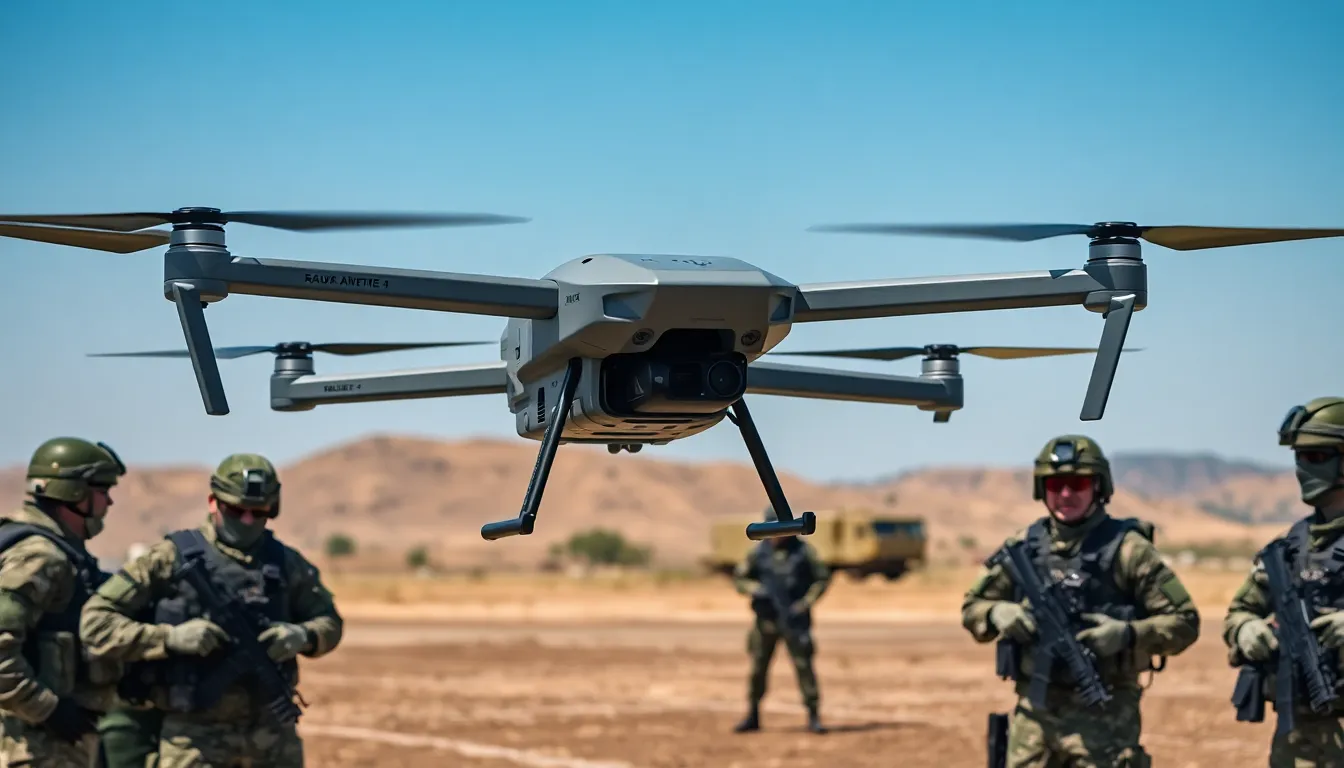
This arms race has raised ethical concerns regarding the lack of accountability and the potential for unintended consequences in combat scenarios, which resonate with ongoing debates about the ethical frameworks surrounding A.I.
The Rise of A.I. in Everyday Applications
Beyond military uses, A.I. has also invaded everyday life, with applications such as virtual assistants, recommendation systems, and language processing tools becoming commonplace. For instance, Grammarly, an A.I.-powered writing assistant, has gained popularity for its ability to enhance written communication. However, the rise of such technologies has led to concerns over privacy and identity theft, as evidenced by recent incidents where individuals, like Casey, have reported unauthorized use of their identities by A.I. systems.
The phenomenon dubbed ‘A.I. Brain Fry’ has also emerged, referring to the cognitive overload that users experience when interacting with A.I. technologies. As these tools become more integrated into daily tasks, the psychological effects on users, including dependency and reduced critical thinking skills, are coming under scrutiny. Understanding these social implications is crucial as society navigates the complexities introduced by advanced A.I. systems.
As we look to the future, the intersection of A.I., warfare, and personal identity raises critical questions about the ethical use of technology and the responsibilities of developers and users alike. The historical context of A.I. development and its rapid evolution highlights the urgent need for thoughtful discourse on how to harness its potential while safeguarding against its risks.
Key Stakeholders and Issues Surrounding A.I. and Identity Theft
The rapid advancement of artificial intelligence (A.I.) technologies has introduced a complex landscape of stakeholders, each with distinct interests and concerns. Key actors include tech companies developing A.I. systems, governments regulating these technologies, and individuals whose identities may be compromised through misuse of A.I. tools. Understanding the motivations and conflicts among these groups is essential to grasping the broader implications of A.I. in society.
However, as seen in the case of Casey, where identity theft was allegedly facilitated by A.I. tools, these companies face significant scrutiny regarding user data protection and ethical considerations, underscoring the need for robust security measures.
Governments play a crucial role in regulating A.I. technologies to safeguard public interests. The challenge lies in creating legislation that keeps pace with rapid technological advancements while ensuring that innovation is not stifled. Key legal issues include data privacy, intellectual property rights, and the ethical use of A.I. in warfare. As A.I. systems become more capable, the potential for misuse in military applications raises significant ethical and strategic concerns.
Individuals, especially those affected by identity theft, represent a critical stakeholder group. Their primary interest is in protecting their personal information and ensuring accountability from tech companies. The emotional and financial repercussions of identity theft can be devastating, leading to a growing demand for transparency and better security practices from A.I. developers.
- Conflicts of Interest: Balancing innovation with user privacy and security.
- Legal Challenges: Navigating the complexities of data protection laws and A.I. regulations.
- Ethical Dilemmas: Addressing the moral implications of A.I. in warfare and identity theft.
- Public Trust: Building confidence in A.I. technologies while mitigating risks of misuse.
- Market Dynamics: The competition among tech companies to lead in A.I. development amid rising concerns over ethical practices.
The Effects of A.I. on Society and Individual Privacy
The integration of A.I. technologies into various sectors has far-reaching implications for numerous groups, industries, and regions. From military applications to personal productivity tools, the impact is widespread. Individuals, particularly those in tech-savvy professions, are experiencing both the benefits and risks associated with these advancements.
In the short term, industries such as defense, cybersecurity, and content creation are being reshaped. For example, the military is leveraging A.I. for strategic advantages, which raises ethical concerns about autonomous weapons and decision-making. Meanwhile, professionals using tools like Grammarly may face issues of identity theft, as seen in Casey’s case, highlighting vulnerabilities in data privacy.
Mid-term impacts could include shifts in job markets, with some roles becoming obsolete while new ones emerge. Workers in traditional sectors may find themselves needing to adapt to A.I.-driven workflows. Additionally, as A.I. becomes more integrated into daily life, policies surrounding data protection and privacy will likely evolve to address these challenges.
- Risks: Identity theft, job displacement, ethical concerns in military applications.
- Opportunities: Increased efficiency in business processes, new job creation in tech fields, improved decision-making capabilities.
Regions with advanced technological infrastructure may benefit more from A.I. advancements, potentially widening the gap between developed and developing areas. As societies grapple with these changes, the balance between harnessing A.I. for progress and safeguarding individual rights will be crucial.
A: A.I. brain fry refers to the cognitive overload and mental fatigue that can occur from excessive interaction with A.I. systems. It raises concerns about the psychological effects of prolonged use of advanced technology. A: A.I. is increasingly being integrated into military operations for tasks such as surveillance, logistics, and autonomous weapon systems. This raises ethical questions about decision-making in combat situations. A: The case involved allegations that Grammarly misused user data, leading to a significant breach of trust and privacy. It highlights the risks associated with digital tools and personal information. A: Currently, regulations vary by country, with some advocating for strict guidelines while others push for rapid development. The lack of a unified framework poses challenges for ethical A.I. deployment. A: Individuals can enhance their online security by using strong, unique passwords, enabling two-factor authentication, and being cautious about sharing personal information on digital platforms.
Frequently Asked Questions about A.I. and Identity Theft
Insights and Future Outlook on A.I. and Its Challenges
The integration of artificial intelligence into warfare presents both unprecedented opportunities and significant ethical dilemmas. As nations race to develop A.I. capabilities, the potential for misuse and unintended consequences grows, necessitating a robust framework for governance and accountability. Furthermore, the phenomenon of ‘A.I. brain fry’ highlights the cognitive overload that can arise from constant interaction with digital tools, prompting a need for strategies to mitigate its effects on mental health and productivity.
In the realm of personal identity, the case of Grammarly’s identity theft raises critical questions about data security and user privacy. As reliance on A.I. tools increases, individuals must remain vigilant about their digital footprints and the potential for exploitation. The intersection of these themes underscores the importance of fostering an informed public discourse around A.I. technologies.
- Monitor the development of international regulations governing A.I. in military applications to prevent misuse and escalation of conflicts.
- Encourage mental health awareness programs that address the cognitive effects of prolonged A.I. usage, particularly in high-stress environments.
- Advocate for stronger data protection measures to safeguard personal information against unauthorized access and identity theft.
- Stay informed about advancements in A.I. ethics to ensure responsible implementation and usage in various sectors.
- Promote educational initiatives that equip individuals with the skills to navigate an increasingly A.I.-driven world, emphasizing critical thinking and digital literacy.