
The urgency of this summit stems from recent disruptions in energy markets, exacerbated by geopolitical tensions and supply chain issues. Notably, the conflict in Eastern Europe has significantly impacted gas supplies, prompting G7 leaders to explore both immediate and long-term solutions to ensure energy security for member countries and their allies. For more on this topic, check out Gas and oil prices rise sharply as market fears escalate conflict.
Among the key topics discussed were strategies to diversify energy sources and bolster renewable energy investments. The G7 nations emphasized the importance of collaboration in technology sharing and infrastructure development to transition towards more sustainable energy systems while maintaining reliability amid fluctuating global demands.
Furthermore, the leaders acknowledged the need for coordinated responses to potential future crises, including emergency measures such as strategic reserves and enhanced trade agreements. As energy prices continue to rise, the decisions made during this meeting will have far-reaching implications for both global markets and domestic economies.
Understanding the global energy landscape and its pressures
The global energy landscape has been shaped by a complex interplay of historical events, political dynamics, and economic factors. Over the past few decades, the world has witnessed significant shifts in energy production and consumption, driven by the rise of emerging economies, technological advancements, and increasing concerns about climate change. These changes have created both opportunities and challenges for energy security, prompting nations to reassess their energy strategies.

One of the pivotal moments in recent history was the 1973 oil crisis, which underscored the vulnerability of energy-dependent economies to geopolitical tensions. This crisis led to a greater emphasis on energy diversification and the development of alternative energy sources. As a result, many countries began investing in renewable energy technologies, aiming to reduce reliance on fossil fuels and enhance their energy independence, a trend further highlighted in Understanding The Global Story.
In recent years, the urgency of addressing climate change has further accelerated the transition to renewable energy. The Paris Agreement, adopted in 2015, set ambitious targets for reducing greenhouse gas emissions, prompting nations to commit to cleaner energy solutions. However, the transition has not been without its challenges, particularly in the face of fluctuating energy prices and geopolitical conflicts that threaten supply chains.
Geopolitical Tensions and Energy Security
Geopolitical tensions, particularly in regions rich in energy resources, have had a profound impact on global energy security. Conflicts in the Middle East, sanctions on major oil-producing nations, and the recent disruptions caused by the COVID-19 pandemic have all contributed to volatility in energy markets. As countries grapple with these challenges, the G7’s commitment to take ‘necessary measures’ to support energy supplies reflects a growing recognition of the need for coordinated action to ensure stability and security in the energy sector.
Key stakeholders and their roles in energy supply stability
The recent G7 summit has highlighted the importance of energy supply stability in the face of global challenges. Key stakeholders in this arena include national governments, international organizations, energy companies, and civil society groups. Each of these actors has distinct interests and influences that shape the energy landscape.
National governments, particularly those of G7 countries, are primarily focused on ensuring energy security for their citizens while also addressing climate change commitments. They are tasked with balancing the immediate need for reliable energy sources against long-term sustainability goals. This often leads to conflicts between short-term energy policies and long-term environmental objectives.

International organizations, such as the International Energy Agency (IEA), play a crucial role in coordinating responses to energy crises and providing data-driven analysis. Their interests lie in promoting energy efficiency and transitioning to renewable sources. However, their recommendations can sometimes clash with the policies of individual nations, particularly those dependent on fossil fuels.
- Energy companies are driven by profit motives and shareholder interests, often prioritizing investments in fossil fuels over renewables.
- Civil society groups advocate for sustainable energy practices and hold governments accountable for their energy policies.
- Geopolitical tensions can impact energy supply chains, influencing trade agreements and international relations.
- Legal frameworks surrounding energy production and environmental regulations can create barriers or opportunities for stakeholders.
- Market fluctuations and economic pressures may force governments to reconsider their energy strategies, leading to potential conflicts with environmental goals.
In conclusion, the interplay between these stakeholders reveals a complex web of interests and challenges that must be navigated to achieve energy supply stability. The G7’s commitment to taking necessary measures will require careful consideration of these dynamics to ensure a balanced approach that supports both energy security and environmental sustainability, especially as UK firms withdraw from fixed energy contracts amid rising prices from Iran conflict.
How these measures will affect global markets and consumers
The G7’s commitment to support energy supplies will have significant repercussions for various groups, industries, and regions worldwide. Key stakeholders include energy producers, consumers, and businesses reliant on stable energy sources. Countries heavily dependent on energy imports may experience immediate relief, while domestic producers in G7 nations could benefit from increased demand.
In the short term, consumers may notice fluctuations in energy prices as markets react to the G7’s announcements. This could lead to increased costs for households and businesses, particularly in sectors such as transportation, manufacturing, and agriculture. However, the measures could also stabilize supply chains, reducing the risk of shortages and fostering consumer confidence.
Mid-term impacts may include shifts in energy policy, with governments potentially investing in renewable energy sources to enhance long-term sustainability and resilience. This could lead to job creation in green technology sectors, providing new opportunities for workers displaced by traditional energy industries.

- Increased energy prices: Short-term spikes affecting consumers and businesses.
- Investment in renewables: Long-term job creation and innovation opportunities.
- Stabilized supply chains: Reduced risk of energy shortages in the market.
- Policy shifts: Potential changes in regulations promoting energy efficiency.
While risks such as inflation and economic strain on lower-income households remain, the G7’s proactive measures could also pave the way for a more resilient and diversified energy landscape, ultimately benefiting global markets and consumers in the long run.
A: The G7 plans to coordinate efforts to enhance energy production and distribution, focusing on renewable sources and energy efficiency. A: By stabilizing supply, the G7 aims to mitigate price volatility in energy markets, potentially leading to more predictable costs for consumers. A: The G7 includes Canada, France, Germany, Italy, Japan, the United Kingdom, and the United States, along with the European Union. A: Recent geopolitical tensions and climate change have heightened the urgency for reliable energy sources, prompting the G7 to act. A: Renewable energy sources are central to the G7’s strategy, as they aim to transition away from fossil fuels to ensure long-term sustainability.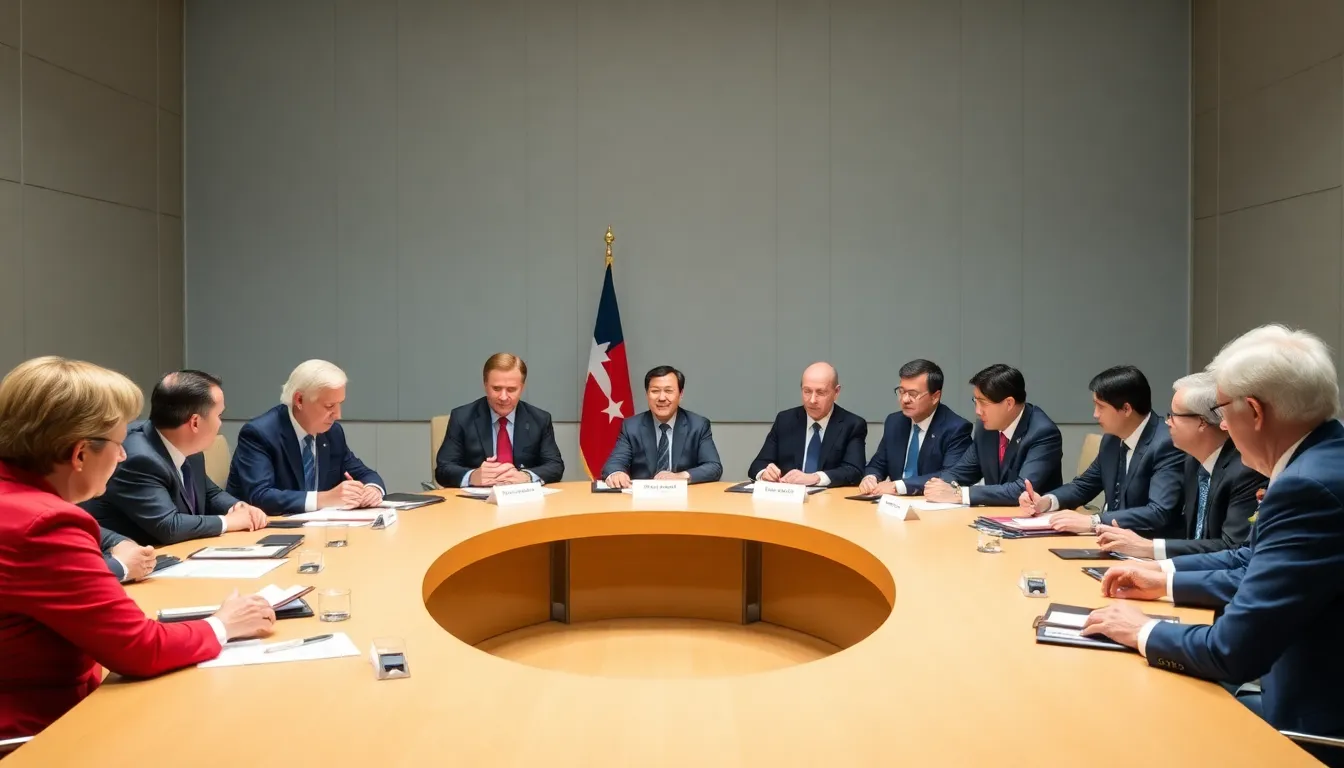
Frequently asked questions about G7 energy measures
Looking ahead: implications of G7 energy strategies
The G7’s commitment to taking necessary measures to support energy supplies reflects a proactive approach in addressing global energy challenges. As the world grapples with fluctuating energy prices and supply chain disruptions, the strategies outlined by the G7 will likely set the tone for international energy policies and cooperation moving forward. Stakeholders in both the public and private sectors should carefully monitor these developments, as they will influence market dynamics and energy security in various regions.
In the coming months, the focus will shift to the implementation of these strategies and their effectiveness in stabilizing energy markets. The collaboration among G7 nations may pave the way for innovative solutions that not only enhance energy resilience but also promote sustainability. Observers should remain vigilant about how these policies will impact global energy transitions and the balance of power in energy markets.
- Watch for shifts in energy pricing as G7 policies are enacted, potentially leading to increased stability or volatility.
- Monitor the development of new technologies and partnerships aimed at enhancing energy efficiency and renewable energy sources.
- Consider the implications for global supply chains, particularly in relation to critical minerals and energy resources.
- Stay alert to geopolitical tensions that may arise as nations react to G7 initiatives, particularly from non-member countries.
- Evaluate the role of climate commitments in shaping the G7’s energy strategies and their long-term impact on global emissions.