
In 2022, the UK government faced criticism for its handling of sewage discharges, with reports indicating that over 300,000 sewage spills occurred in a single year. This alarming trend has been exacerbated by heavy rainfall, which often overwhelms sewage treatment facilities, leading to untreated waste being released into the sea. The impact on marine life is profound, as nutrient overload from agricultural fertilizers contributes to harmful algal blooms that suffocate underwater forests.
Experts warn that the degradation of these underwater ecosystems could have far-reaching consequences for both marine life and human communities. Kelp forests, for instance, support a diverse range of species, including fish and shellfish that are crucial to the fishing industry. The loss of these habitats could result in significant economic repercussions, particularly for coastal communities reliant on fishing and tourism.
Additionally, the UK’s commitment to environmental sustainability is at stake as it aims to meet its climate goals. The decline of underwater forests undermines efforts to enhance marine resilience and combat climate change, as these ecosystems play a key role in absorbing carbon dioxide from the atmosphere. As stakeholders call for urgent action, the need for improved water management practices and stricter regulations on agricultural runoff has never been more pressing.
Exploring the background of pollution in marine ecosystems
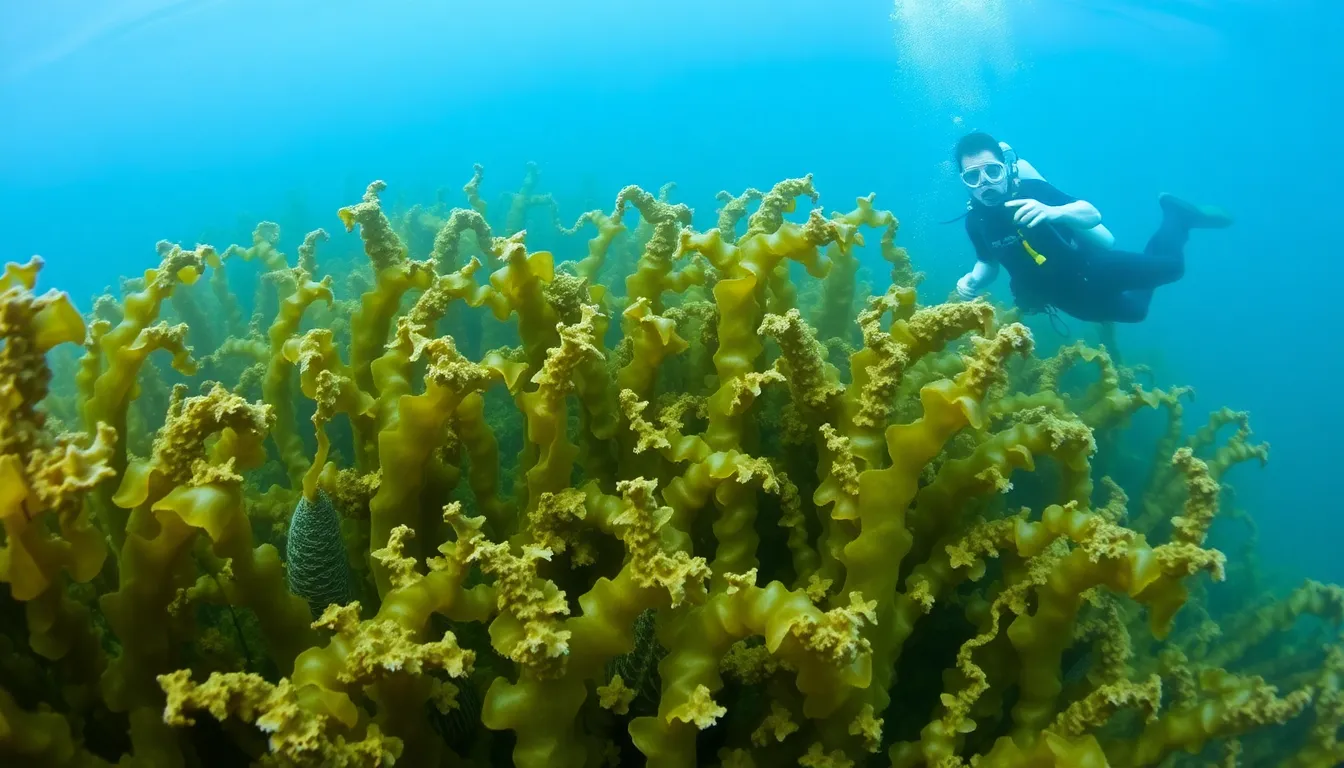
The health of the UK’s underwater forests, which include vital habitats such as seagrasses and kelp, has been increasingly jeopardized by pollution stemming from both sewage and agricultural runoff. Historically, the industrial revolution marked a turning point when urban expansion and agricultural intensification began to significantly alter land use and water management practices. This shift resulted in the discharge of untreated or inadequately treated sewage into coastal waters, alongside fertilizers and pesticides from agricultural activities, leading to nutrient overloads and detrimental algal blooms.
In the late 20th century, awareness of environmental issues grew, prompting the implementation of regulations aimed at reducing water pollution. The establishment of the European Union’s Water Framework Directive in 2000 set ambitious goals for water quality across member states, including the UK. However, post-Brexit, the future of such regulations remains uncertain, raising concerns about the potential relaxation of standards that protect marine ecosystems from pollutants.
The Economic Impact of Pollutants
The economic implications of sewage and agricultural pollution are profound. Coastal communities that rely on fishing and tourism are directly affected by the degradation of underwater habitats. The decline of these ecosystems not only threatens biodiversity but also jeopardizes livelihoods, as healthy marine environments are essential for sustainable fisheries and attractive tourist destinations. As pollution continues to escalate, the economic viability of these sectors hangs in the balance, underscoring the need for urgent action to protect the environment.
Public awareness and activism have also played crucial roles in shaping the discourse around marine pollution. Milestones such as the establishment of the Marine Conservation Society in 1983 and various local campaigns have mobilized communities to advocate for cleaner waters and better management of pollutants. These grassroots efforts have highlighted the interconnectedness of human activity and marine health, pushing for policy changes that prioritize the restoration and protection of underwater forests.
As the UK grapples with the dual challenges of pollution and climate change, the historical context of marine degradation serves as a reminder of the urgent need for comprehensive strategies that address both environmental and socio-economic factors. The future of the UK’s underwater forests hinges on the collective commitment to reversing the damage caused by sewage and agricultural pollution.
Analyzing the key stakeholders and issues involved in marine pollution
The alarming impact of sewage and agricultural pollution on the UK’s underwater forests has drawn attention from various stakeholders, each with their own interests and concerns. Key actors in this situation include government agencies, environmental organizations, agricultural industries, and local communities. Understanding their roles and the conflicts that arise is essential for addressing the crisis effectively.
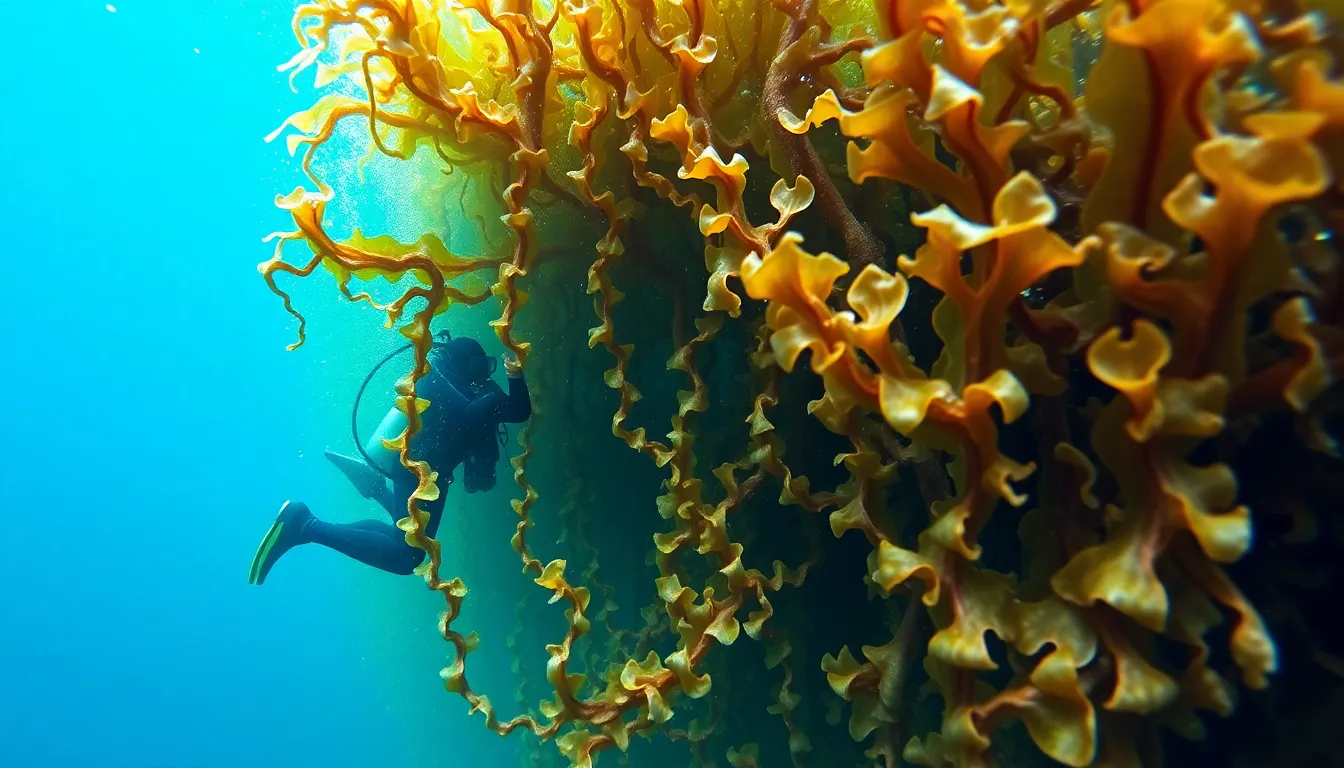
Government agencies, such as the Environment Agency and local councils, are primarily responsible for regulating water quality and ensuring compliance with environmental standards. Their interest lies in protecting public health and preserving marine ecosystems. However, they often face challenges in enforcing regulations due to limited resources and competing economic interests.
Environmental organizations, including the Marine Conservation Society and Greenpeace, advocate for stronger protections for marine habitats. They emphasize the ecological importance of underwater forests and the need for sustainable practices in agriculture and waste management. Their campaigns raise public awareness but can sometimes conflict with the interests of farmers and industries that may view stricter regulations as burdensome.
- Trade-offs between agricultural productivity and environmental health: Farmers may resist regulations that limit fertilizer use, arguing that it impacts their yields.
- Legal challenges: Disputes may arise over compliance with existing environmental laws, leading to potential litigation between stakeholders.
- Economic implications: The cost of implementing cleaner practices can be significant for agricultural producers, raising concerns about their financial viability.
- Public health considerations: Local communities are directly affected by pollution, leading to demands for accountability and action from both government and industry.
In this complex landscape, the interplay between these stakeholders highlights the need for collaborative solutions that balance environmental sustainability with economic viability. As the dialogue continues, it remains crucial to address the underlying issues driving pollution and to foster partnerships that promote healthier marine ecosystems.
Identifying the impact on marine life and local communities
The alarming levels of sewage and agricultural pollution in the UK are having significant repercussions on various groups, particularly marine ecosystems and local communities that rely on these underwater forests for their livelihoods. Fishermen, tourism operators, and conservationists are among those most affected, as the degradation of underwater habitats threatens both biodiversity and economic stability.
In the short term, the immediate impacts are evident. Fishermen are reporting declining catches due to the loss of fish habitats, while local businesses dependent on tourism are seeing a decrease in visitors who come to enjoy clean beaches and vibrant marine life. The pollution not only affects the aesthetic appeal of coastal areas but also raises health concerns for those who engage in water-based activities.
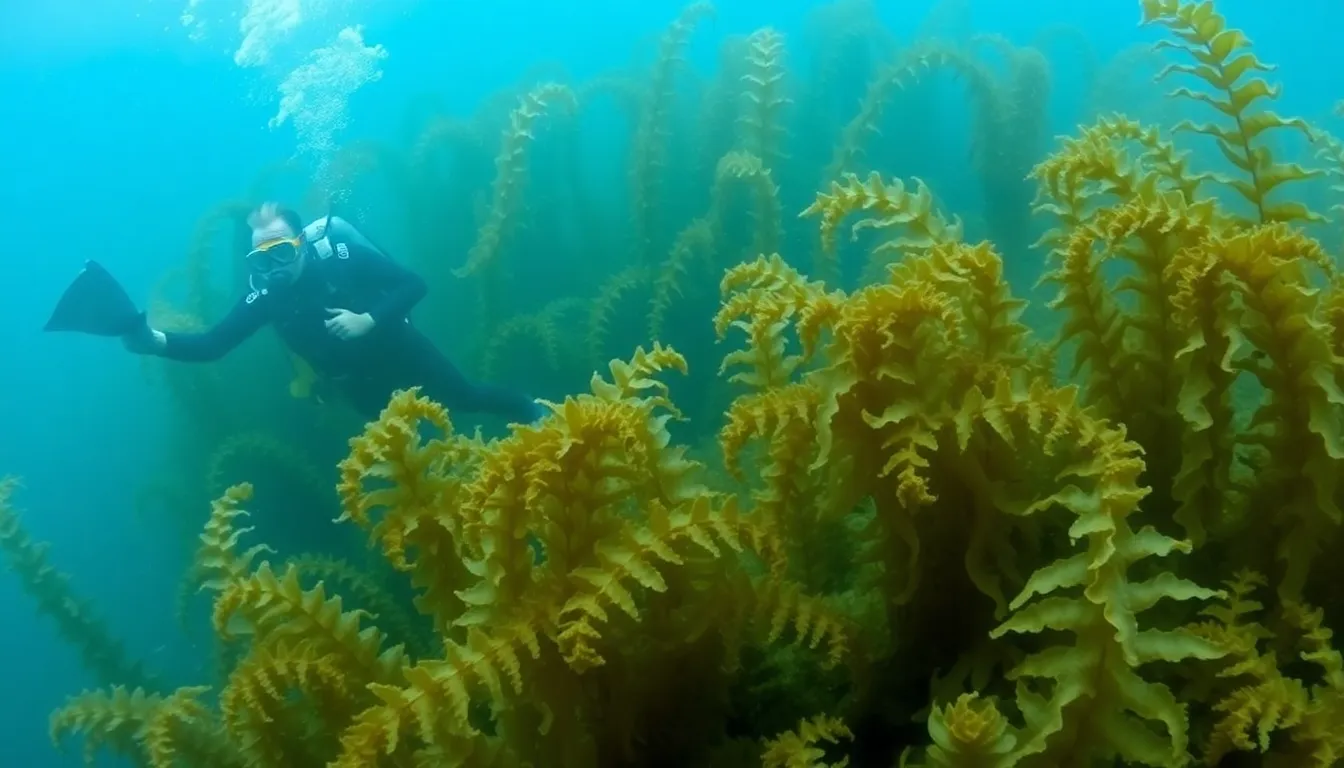
Mid-term effects could include stricter regulations imposed by local governments and environmental agencies as they respond to public pressure and scientific findings. This may lead to increased compliance costs for farmers and businesses, potentially impacting their operations. However, such regulations could also create opportunities for innovation in sustainable practices and technologies aimed at reducing pollution.
- Fishermen: Decreased fish populations affecting livelihoods.
- Tourism industry: Reduced visitor numbers due to polluted waters.
- Local communities: Health risks associated with contaminated recreational waters.
- Agriculture sector: Potential for increased regulations and compliance costs.
- Environmental organizations: Opportunities for advocacy and promoting sustainable practices.
As the situation evolves, it is crucial for stakeholders to collaborate in addressing these challenges. By investing in cleaner agricultural practices and improving sewage treatment facilities, there is potential not only to restore underwater forests but also to enhance the resilience of local economies.
A: Underwater forests, primarily composed of kelp and seagrasses, provide critical habitat for marine species and help maintain ecosystem balance. They also play a significant role in carbon sequestration. A: Sewage pollution introduces harmful nutrients and pathogens into marine environments, leading to algal blooms that can suffocate underwater plants and disrupt marine life. A: Agricultural pollution mainly comes from runoff containing fertilizers, pesticides, and animal waste, which can contaminate water bodies and harm marine ecosystems. A: Various initiatives are underway, including stricter regulations on waste disposal and efforts to promote sustainable agricultural practices to minimize runoff. A: Individuals can help by reducing plastic use, supporting local conservation efforts, and advocating for policies that protect marine environments.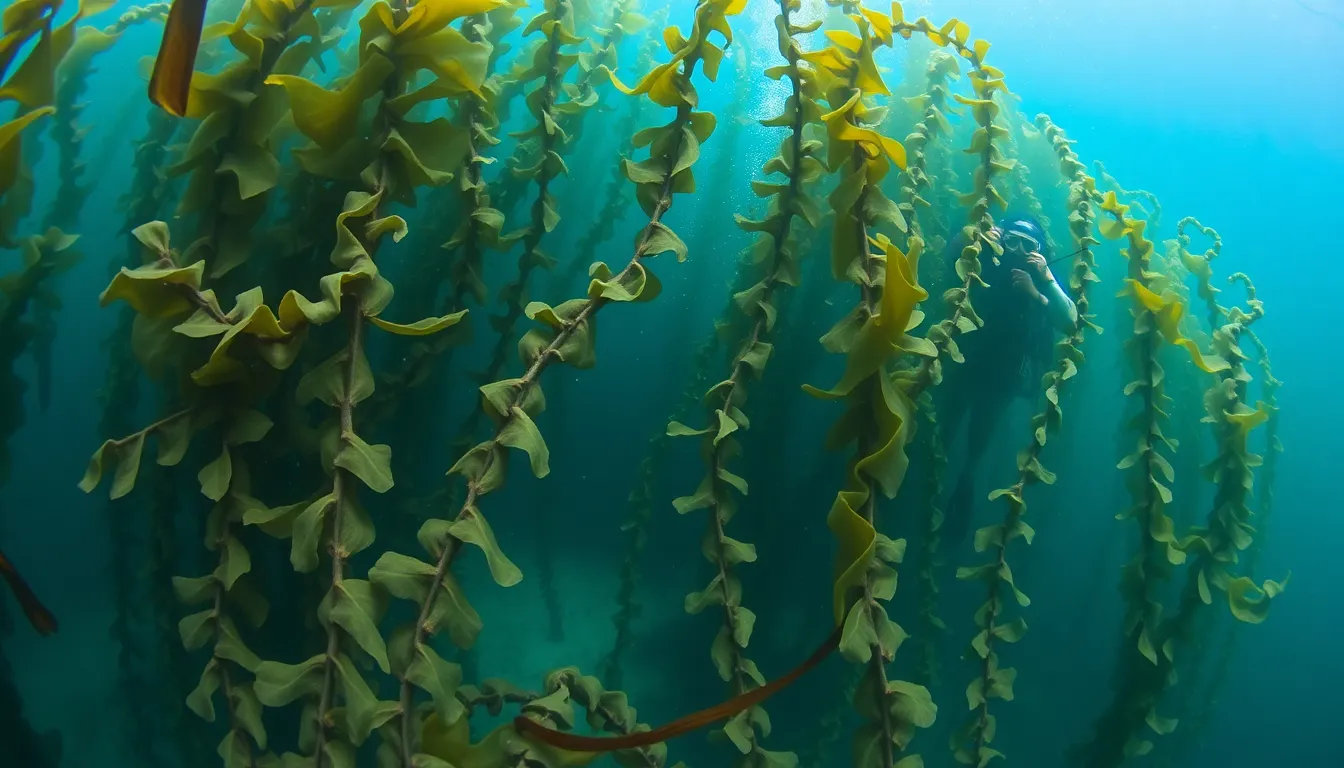
Frequently asked questions about underwater forest pollution
Summarizing the key points and future outlook on marine health
The alarming impact of sewage and agricultural pollution on the UK’s underwater forests highlights a critical environmental issue that requires immediate attention. These underwater ecosystems, which play a vital role in carbon sequestration and biodiversity, are under threat from nutrient overload and toxic substances. As the health of these marine environments deteriorates, the long-term implications for marine life and coastal communities become increasingly concerning.
Looking ahead, it is essential to monitor the effectiveness of current regulations and explore innovative solutions to mitigate pollution. Collaboration between government bodies, agricultural sectors, and environmental organizations will be crucial in developing sustainable practices that protect marine ecosystems while supporting agricultural needs.
- Increased monitoring: Regular assessments of water quality and marine health will be necessary to track the effects of pollution and identify areas needing intervention.
- Policy reform: Advocating for stricter regulations on sewage discharge and agricultural runoff can help reduce pollution levels in marine environments.
- Public awareness: Educating communities about the importance of underwater forests and their role in the ecosystem can foster greater public support for conservation efforts.
- Research investment: Funding for research into sustainable agricultural practices and pollution management technologies will be vital for long-term solutions.