
Declining foreign tourist numbers in Goa
Goa, once a favored destination for international travelers, is experiencing a notable decline in foreign tourist arrivals. Recent statistics from the Goa Tourism Department indicate a drop of nearly 30% in foreign visitors compared to pre-pandemic levels in 2019. This decline raises concerns for local businesses that heavily rely on the tourism sector for their livelihoods, as noted in a recent article on tourism practices.
Several factors contribute to this trend. The ongoing effects of the COVID-19 pandemic have altered travel preferences, with many tourists opting for destinations perceived as safer or more accessible. Additionally, reports of rising costs, including accommodation and food prices, have deterred potential visitors from making the trip to Goa.
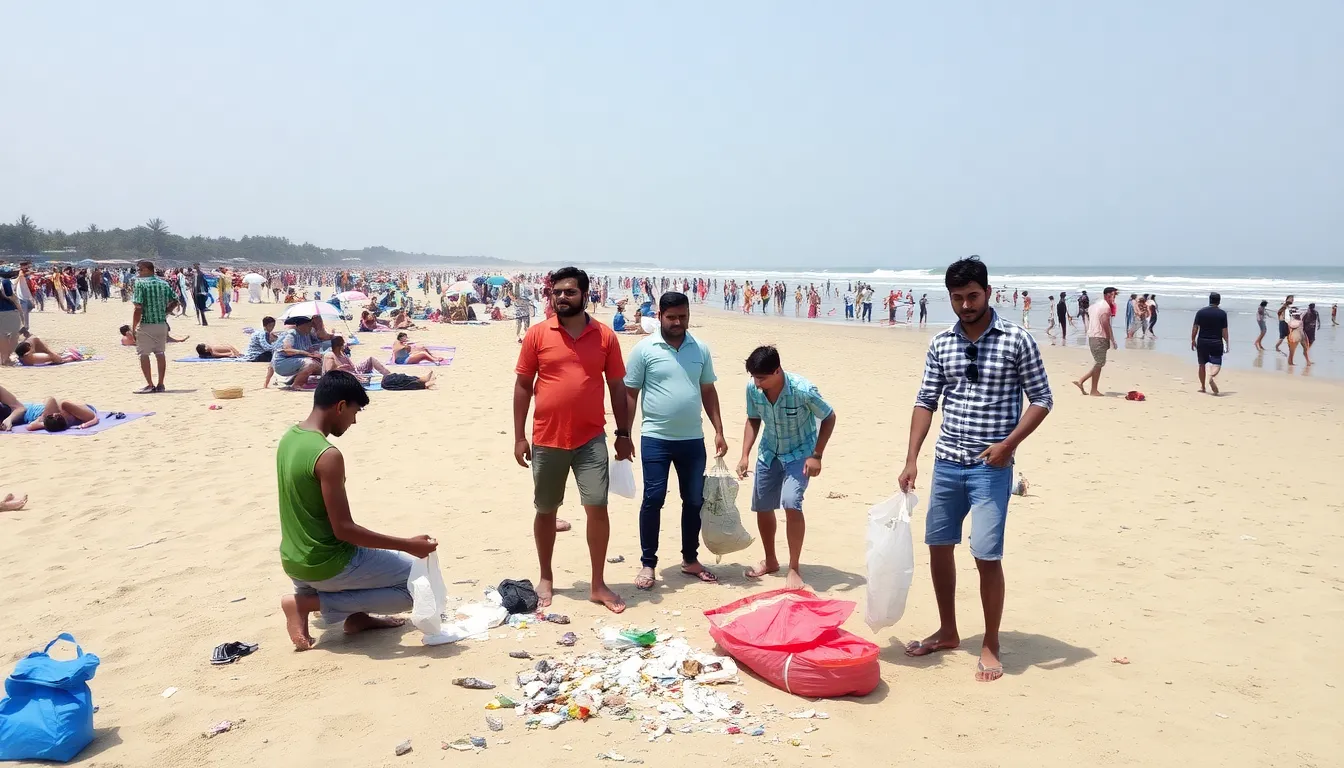
Moreover, environmental issues, such as beach pollution and overdevelopment, have led to negative perceptions of the region. A survey conducted in early 2023 revealed that 65% of foreign tourists expressed concerns about the sustainability of Goa’s tourism model. Such sentiments highlight the need for a reevaluation of tourism practices to attract a more environmentally conscious traveler, particularly in light of changes discussed in local stewardship.
Local authorities and tourism stakeholders are now faced with the challenge of revitalizing Goa’s appeal. Initiatives aimed at promoting off-season travel and eco-friendly tourism practices are being discussed. However, the effectiveness of these measures remains to be seen as the state grapples with the shifting dynamics of global tourism.
Understanding Goa’s tourism history
Goa, once a Portuguese colony, has a rich cultural heritage that has attracted visitors for decades. The region’s stunning beaches, vibrant nightlife, and unique blend of Indian and Portuguese influences have made it a popular destination since the 1960s. The liberalization of travel in the 1980s saw an influx of foreign tourists, particularly from Europe, who were drawn to its idyllic landscapes and laid-back atmosphere.
However, the tourism boom brought significant changes to Goa’s socio-economic fabric. The local economy became heavily reliant on tourism, leading to rapid urbanization and infrastructure development. While this created job opportunities, it also led to environmental degradation and cultural dilution, raising concerns among both locals and visitors. Over time, the very charm that attracted tourists began to fade.
Key Milestones in Goa’s Tourism Development
In the early 2000s, Goa was recognized as a global party destination, further solidifying its reputation. However, this popularity came with challenges, including increasing commercialization and a rise in crime rates. The 2008 Mumbai attacks also cast a shadow over Indian tourism, leading to a temporary decline in foreign arrivals. In recent years, the COVID-19 pandemic has drastically altered travel patterns, with many tourists opting for less crowded destinations, causing Goa to lose its appeal.
Additionally, the changing preferences of travelers have shifted towards more sustainable and authentic experiences, which Goa has struggled to provide amidst its ongoing development. As foreign tourists reassess their travel choices, understanding the historical context of Goa’s tourism becomes crucial in addressing the current decline and exploring potential pathways for revitalization, similar to the dynamic changes in global tourism patterns.
Key factors influencing tourist decisions
The decline in foreign tourist numbers in Goa has raised concerns among various stakeholders, including local businesses, government agencies, and tourism organizations. Each of these entities has distinct interests that shape their responses to the changing tourism landscape.
Local businesses, such as hotels, restaurants, and tour operators, rely heavily on foreign tourists for their revenue. The decrease in visitors can lead to significant economic strain, prompting calls for improved marketing strategies and enhanced service quality. Many businesses are advocating for a shift towards sustainable tourism practices that may attract a more discerning clientele.
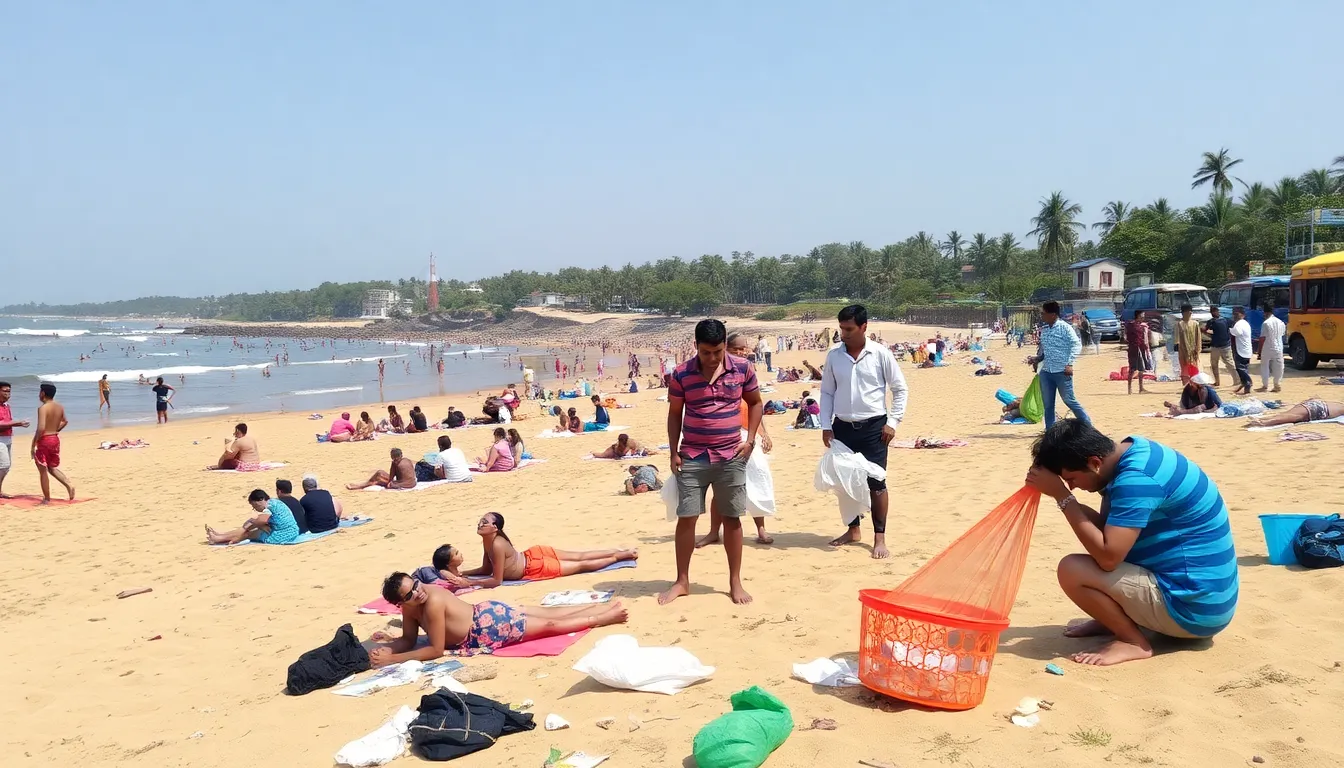
On the governmental side, the state and central authorities are tasked with balancing economic growth with environmental conservation. The influx of tourists has historically led to challenges such as overcrowding and environmental degradation. As a result, policymakers are faced with the dilemma of promoting tourism while ensuring the preservation of Goa’s natural beauty and cultural heritage.
Additionally, international travel trends and changing tourist preferences play a crucial role in shaping Goa’s appeal. Factors such as safety concerns, rising travel costs, and competition from other destinations have influenced tourists’ decisions. The following points highlight key issues affecting tourism in Goa:
- Environmental concerns: Overdevelopment and pollution are leading to a negative perception of Goa as a tourist destination.
- Safety and health issues: The aftermath of the COVID-19 pandemic has made travelers more cautious about their travel choices.
- Changing preferences: Tourists are increasingly seeking unique experiences and sustainable options, which Goa may need to adapt to.
- Economic factors: Fluctuating exchange rates and increased travel costs can deter foreign visitors.
- Competition: Other emerging destinations are offering similar experiences, which may lure potential tourists away from Goa.
In summary, the interplay between these stakeholders and the issues they face creates a complex environment for Goa’s tourism sector. Understanding these dynamics is essential for formulating effective strategies to rejuvenate the region’s appeal to foreign tourists.
Effects on local economy and businesses
The decline in foreign tourist numbers is having a significant impact on various groups and industries in Goa. Local businesses, particularly those in the hospitality, retail, and entertainment sectors, are feeling the pinch as fewer international visitors explore the region. This shift not only affects the income of business owners but also the livelihoods of employees who rely on tourism for their jobs.
In the short term, many hotels and restaurants are reporting reduced occupancy rates and lower footfall, leading to a decrease in revenue. This situation is exacerbated by the seasonal nature of tourism in Goa, where businesses typically rely on a surge of visitors during peak months. The immediate impact includes potential layoffs and reduced working hours for staff, which could strain local families and communities.

In the mid-term, the ongoing decline in foreign tourism could prompt local governments to reevaluate policies related to tourism management and infrastructure development. There may be a push for diversification of the local economy, encouraging investment in alternative sectors such as agriculture or technology. However, this transition could take time, and businesses that rely heavily on tourism may struggle to adapt.
- Decreased revenue for local businesses
- Potential job losses in the tourism sector
- Increased focus on economic diversification
- Changes in local government policies
Despite the challenges, there are also opportunities arising from this situation. With fewer tourists, there is a chance for local communities to reclaim public spaces and promote sustainable tourism practices. Additionally, businesses may pivot to cater to domestic tourists or explore niche markets, such as eco-tourism or wellness retreats, which could foster a more resilient tourism model in the long run.
A: The decline is attributed to various factors including rising costs, changes in tourist preferences, and increased competition from other destinations. A: The local economy has faced challenges with reduced income for businesses reliant on tourism, leading to job losses and decreased investment. A: Yes, local authorities are implementing strategies to attract tourists, including promoting cultural events and improving infrastructure. A: While foreign tourists are declining, domestic tourism has seen an uptick, with more Indian travelers exploring Goa. A: Goa faces stiff competition from other popular destinations like Kerala and Rajasthan, which offer unique experiences and attractions.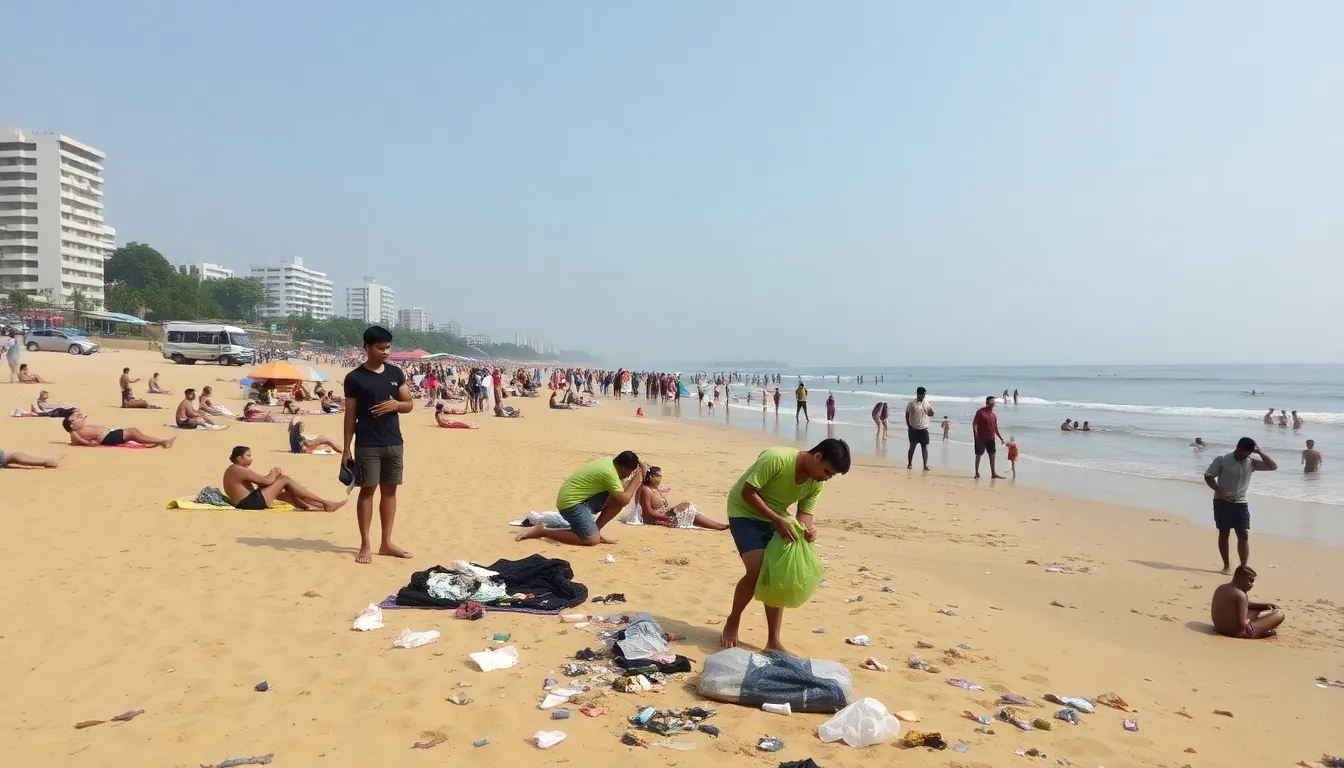
Common questions about Goa’s tourism decline
Future outlook for Goa’s tourism industry
The decline in foreign tourist interest in Goa presents significant challenges and opportunities for the region’s tourism sector. As the dynamics of travel preferences evolve, stakeholders must adapt to retain their appeal. Understanding the underlying reasons for this shift is crucial for developing strategies that can revitalize interest and ensure sustainable growth in tourism.
Investment in infrastructure, diversification of attractions, and enhanced marketing strategies will be essential for Goa to regain its status as a premier destination. Additionally, fostering partnerships with local businesses and communities can create a more authentic experience that resonates with modern travelers.
- Focus on sustainability: Emphasizing eco-friendly practices can attract environmentally conscious tourists.
- Diversify offerings: Expanding beyond traditional beach tourism to include cultural and adventure tourism could appeal to a broader audience.
- Enhance visitor experience: Improving hospitality services and local engagement can help create memorable experiences that encourage repeat visits.
- Leverage digital marketing: Utilizing social media and online platforms effectively can help reach potential tourists more efficiently.
- Monitor global trends: Staying informed about changing travel preferences and global tourism trends will be vital for strategic planning.