
The Taiwanese government has emphasized its desire for peaceful dialogue and stability in the region. President Tsai highlighted that Taiwan will not provoke conflict but is prepared to defend its democratic way of life, ensuring that its commitment to sovereignty is clear amid U.S.-China tensions. This approach aims to balance the need for security with the desire for diplomatic engagement, especially as global attention on Taiwan grows.
As part of its strategy, Taiwan has been strengthening its defense capabilities and seeking closer ties with allies, particularly the United States. In September 2023, Taiwan announced a significant increase in its defense budget, reflecting its commitment to ensuring national security against perceived threats from Beijing.
The situation is critical not only for Taiwan but also for regional stability in East Asia. With China’s increasing assertiveness and the potential for miscalculations, the international community is closely monitoring developments. Taiwan’s position plays a pivotal role in shaping the geopolitical landscape, making its stance on sovereignty and conflict resolution particularly significant in the current context, which is reflected in discussions surrounding articles like Harry and Meghan’s upcoming film.
Understanding the historical context of Taiwan’s sovereignty
The issue of Taiwan’s sovereignty is deeply rooted in a complex historical backdrop that dates back over a century. Following the First Sino-Japanese War in 1895, Taiwan was ceded to Japan, marking the beginning of a long period of Japanese colonial rule. This era significantly influenced Taiwan’s infrastructure and education, but it also fostered a sense of identity distinct from mainland China.
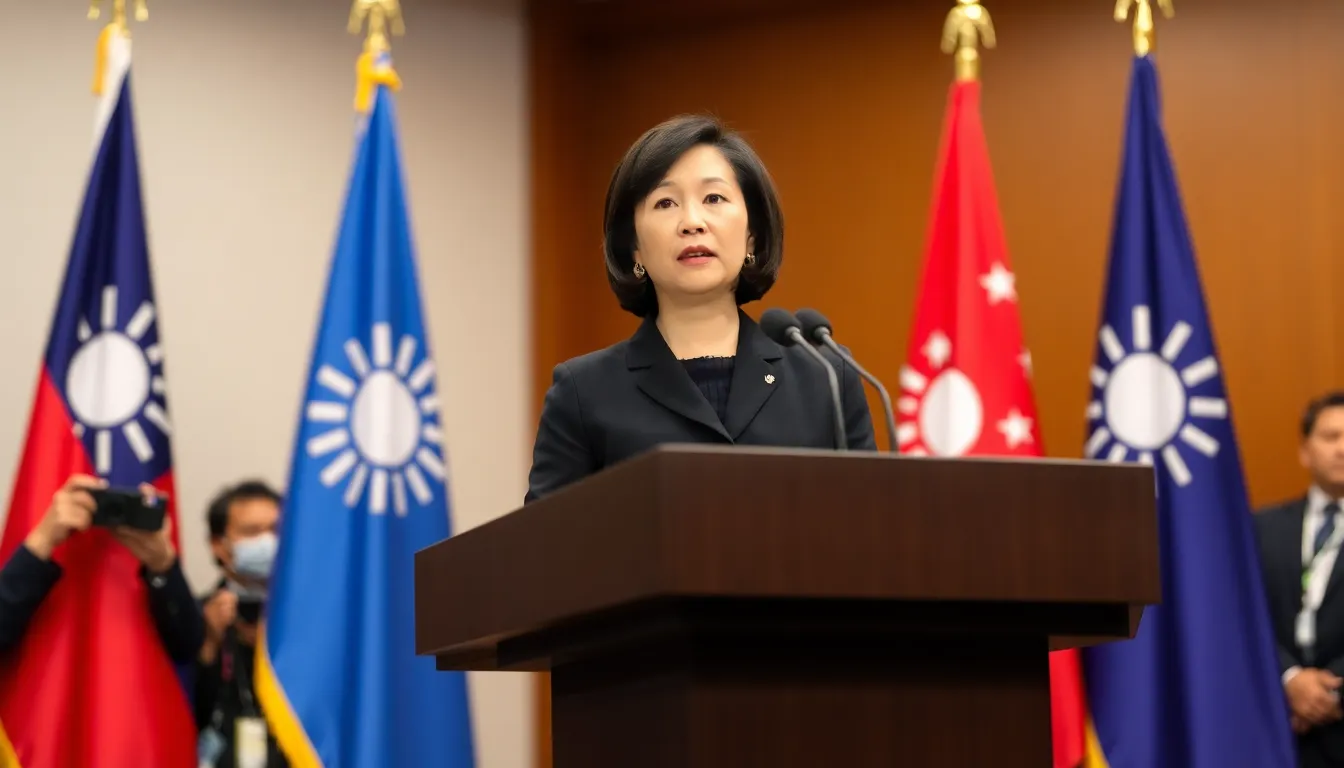
After Japan’s defeat in World War II, Taiwan was placed under the administration of the Republic of China (ROC). However, the Chinese Civil War led to the ROC’s retreat to Taiwan in 1949, while the People’s Republic of China (PRC) was established on the mainland. This division created a political dichotomy that persists today, with both the ROC and PRC claiming to be the legitimate government of China.
Over the decades, Taiwan has developed its own democratic governance, distinct culture, and robust economy, contrasting sharply with the political system of the PRC. The island’s transformation into a vibrant democracy in the late 20th century has been a key factor in shaping its national identity and aspirations for sovereignty. The 1996 presidential election marked a significant milestone, as it was the first direct election in Taiwan’s history, solidifying its democratic credentials.
Recent Developments and International Relations
In recent years, tensions between Taiwan and China have escalated, particularly as the PRC has increased military pressure and diplomatic isolation on the island. Taiwan’s current president has emphasized a policy of maintaining peace while asserting the island’s sovereignty, reflecting the delicate balance the government seeks to achieve. The international community’s response, particularly from the United States and other allies, further complicates the situation, as they navigate their own relations with China while supporting Taiwan’s self-governance.
Key stakeholders and implications of Taiwan’s position
The ongoing situation in Taiwan involves multiple stakeholders, each with distinct interests and concerns. The primary actors include the Taiwanese government, the People’s Republic of China (PRC), the United States, and regional neighbors such as Japan and South Korea. Each of these entities plays a critical role in shaping the dynamics of cross-strait relations and broader geopolitical stability.
The Taiwanese government, led by President Tsai Ing-wen, aims to maintain its sovereignty while avoiding direct provocation of conflict with China. This delicate balance is crucial for Taiwan’s economic stability and security. The Taiwanese leadership seeks to strengthen its international presence and support from allies, particularly the United States, to deter aggressive actions from the PRC, similar to the way international businesses navigate geopolitical challenges.
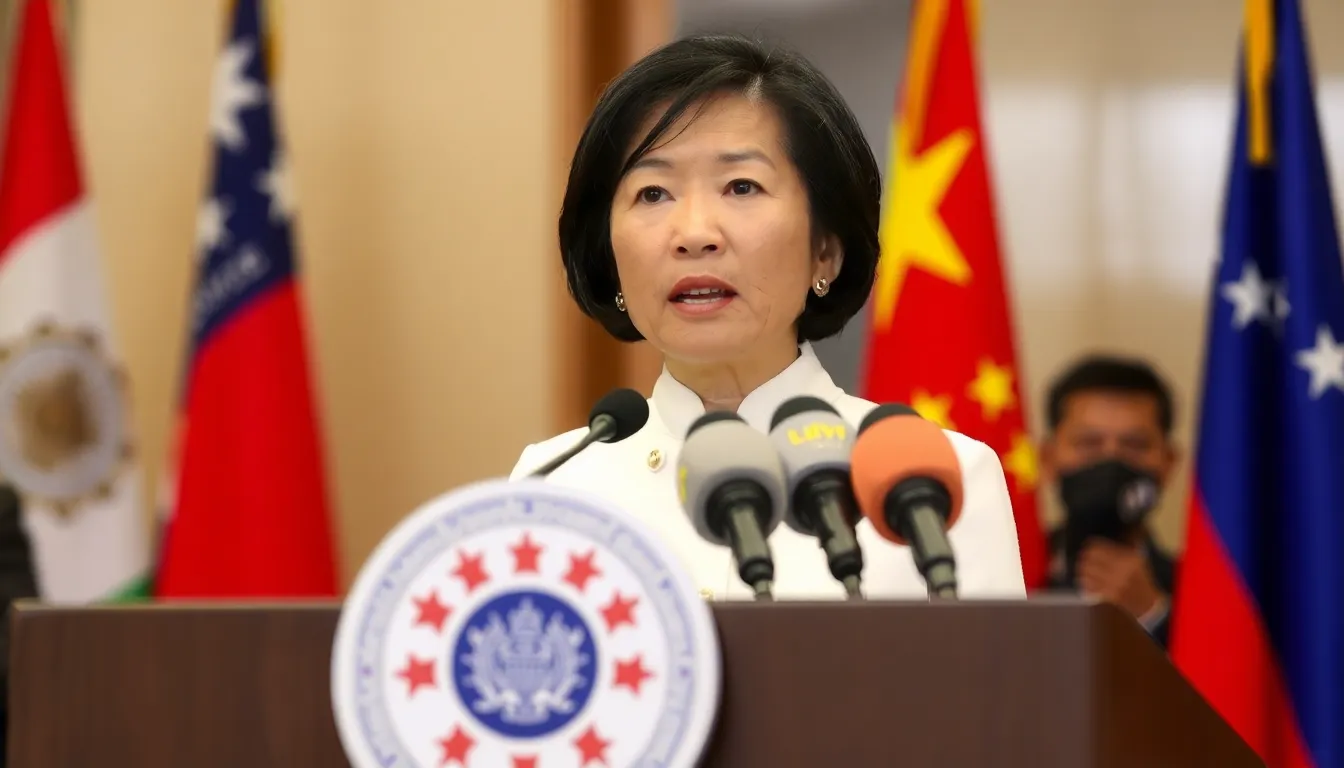
The PRC views Taiwan as a breakaway province and is committed to reunification, often employing military posturing and diplomatic pressure to assert its claims. This creates a significant conflict of interest, as any perceived move towards independence by Taiwan could lead to increased tensions and potential military conflict. The PRC’s interests are deeply rooted in national pride and territorial integrity, making it unlikely to concede its stance.
The United States plays a pivotal role as Taiwan’s key ally, providing military support and advocating for Taiwan’s participation in international organizations. However, the U.S. must navigate its relationship with China, balancing support for Taiwan against the need for cooperation on global issues. This trade-off complicates U.S. foreign policy, as it must consider both Taiwan’s security and its broader strategic interests in the Asia-Pacific region.
- The potential for increased military tensions in the Taiwan Strait if diplomatic solutions fail.
- The economic implications for Taiwan, which relies heavily on trade with both China and the U.S.
- The risk of regional destabilization, affecting neighboring countries’ security policies.
- The impact on global supply chains, particularly in technology and manufacturing sectors.
- The importance of international support for Taiwan’s sovereignty amidst rising Chinese assertiveness.
Potential impacts on regional stability and international relations
The statement from Taiwan’s president asserting the nation’s commitment to sovereignty while avoiding provocation is likely to resonate across various groups and industries. Key stakeholders include government officials in Taiwan and neighboring countries, international businesses, defense contractors, and diplomatic entities. Each of these groups will interpret Taiwan’s stance through the lens of their interests and regional security dynamics.
In the short term, the immediate impact may be felt in the defense and technology sectors. Companies involved in defense manufacturing may see fluctuations in stock prices as investors react to the perceived stability or volatility in the region. Additionally, businesses reliant on supply chains that traverse Taiwan may face uncertainties, potentially leading to increased costs or delays.
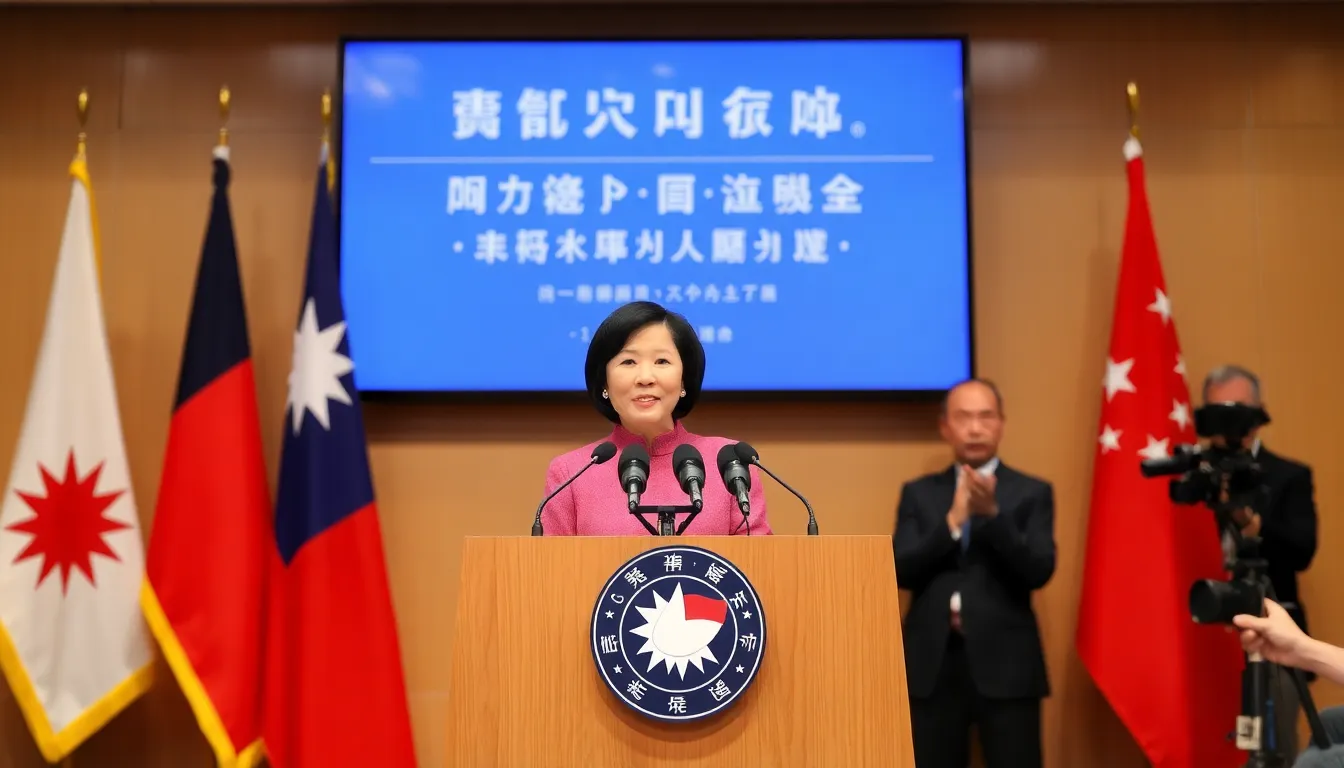
In the mid-term, the political landscape may shift as countries reassess their foreign policies towards Taiwan and China. This could lead to new trade agreements or partnerships, particularly for nations seeking to strengthen ties with Taiwan as a counterbalance to China’s influence. Opportunities may arise for tech firms in Taiwan to expand their market reach, especially in sectors like semiconductors, where Taiwan holds a critical position globally.
- Risks: Increased tensions could lead to economic sanctions or disruptions in trade.
- Opportunities: Strengthened alliances may foster new investments and collaborations in technology and defense.
- Impact on daily life: Citizens may experience heightened awareness of geopolitical issues, influencing consumer behavior and public sentiment.
Ultimately, the balance between maintaining sovereignty and avoiding conflict will be crucial for Taiwan’s future. Stakeholders will need to navigate these complexities carefully, as the implications extend beyond Taiwan to affect regional and global markets.
A: The president emphasizes a commitment to peaceful relations, indicating that Taiwan will avoid actions that could escalate tensions with neighboring countries. A: Taiwan intends to uphold its sovereignty through diplomatic means and by strengthening its defense capabilities without engaging in aggressive posturing. A: Reactions vary, with some countries expressing support for Taiwan’s sovereignty while others caution against potential conflicts in the region. A: Taiwan’s position has been shaped by a complex history involving colonial rule, civil war, and ongoing tensions with China. A: The president’s statement may strengthen Taiwan’s alliances with nations that support its sovereignty while also challenging its relations with countries that favor a unified China.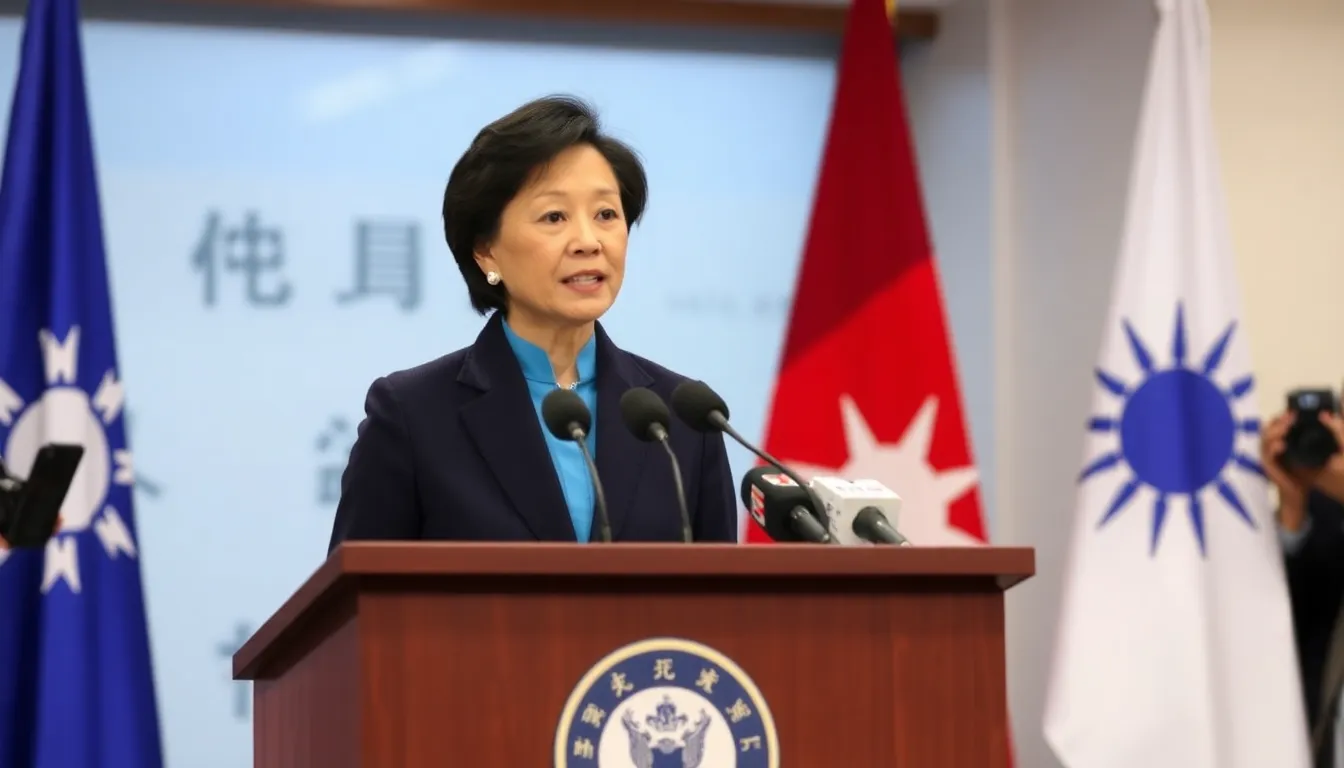
Frequently asked questions regarding Taiwan’s position
Looking ahead: Taiwan’s future and international dynamics
As Taiwan navigates its complex geopolitical landscape, President Tsai Ing-wen’s commitment to maintaining sovereignty while avoiding provocation is crucial for regional stability. This approach not only reflects Taiwan’s strategic priorities but also highlights the delicate balance of power in East Asia. Observers will need to monitor how Taiwan’s policies evolve in response to external pressures and the reactions from both China and the international community.
The implications of Taiwan’s stance extend beyond its borders, influencing relationships with key allies, particularly the United States, and shaping the responses of neighboring countries. As tensions continue to simmer, the global community will be watching closely to see how Taiwan’s decisions impact broader international relations and security dynamics in the region.
- Increased diplomatic engagement: Taiwan may seek to strengthen ties with like-minded nations to bolster its international presence.
- Focus on defense capabilities: Continued investment in defense will be essential for Taiwan to deter potential aggression while maintaining its sovereignty.
- Monitoring China’s actions: Observers should keep an eye on China’s military maneuvers and diplomatic rhetoric, as these will significantly influence Taiwan’s strategic decisions.
- Impact on U.S.-China relations: Taiwan’s situation will likely play a pivotal role in shaping the future of U.S.-China relations, affecting trade and security dialogues.
- Public sentiment in Taiwan: The Taiwanese population’s views on sovereignty and relations with China will continue to evolve, impacting political dynamics and policy direction.