
Moreover, a 2021 analysis published in the journal Nature revealed that nearly 70% of studies in psychology could not be replicated, highlighting a significant reproducibility crisis. This phenomenon has sparked debates about research methodologies, statistical practices, and the pressure researchers face to publish novel findings. As a result, stakeholders are increasingly calling for improved standards in research practices to ensure the validity and reliability of scientific studies.
Recent initiatives, such as the Reproducibility Project, aim to address these challenges by promoting transparency and encouraging researchers to share their data and methodologies. These efforts are crucial as they seek to establish a culture of accountability within the scientific community. Furthermore, discussions surrounding the role of funding sources and institutional pressures in influencing study outcomes are gaining traction, underscoring the complexity of the issue.
As the scientific landscape evolves, the need for robust mechanisms to predict and assess the reliability of studies becomes increasingly vital. The implications of unreliable research extend beyond academia, affecting public health policies and societal trust in science. Understanding the current challenges in study reliability is essential for fostering a more trustworthy and effective scientific enterprise.
The historical context of scientific study validation
The quest to understand the reliability of scientific studies has evolved significantly over the centuries. In the early days of scientific inquiry, the emphasis was largely on observation and anecdotal evidence. Pioneering figures like Galileo and Newton laid the groundwork for the scientific method, but it wasn’t until the 19th century that systematic approaches to study validation began to take shape. This period saw the establishment of peer review as a critical component of scientific publishing, aimed at ensuring the credibility and reproducibility of research findings.

As the 20th century progressed, the expansion of scientific disciplines and the increasing complexity of research methodologies brought about new challenges in study validation. The rise of statistics as a fundamental tool for data analysis introduced a framework for evaluating the significance and reliability of study results. However, the misuse of statistical methods, such as p-hacking and selective reporting, began to emerge, raising concerns about the integrity of published research.
The replication crisis
In the early 21st century, the scientific community faced a significant turning point known as the replication crisis. High-profile studies in fields such as psychology and medicine were found to be difficult or impossible to replicate, leading to questions about the validity of many established findings. This crisis prompted a reevaluation of research practices, with calls for more transparency in methodology, data sharing, and open access to research results.
In response to these challenges, various organizations and funding bodies have begun to implement stricter guidelines for study design and reporting. The adoption of preregistration of studies, where researchers publicly declare their hypotheses and methods before conducting experiments, has gained traction as a way to enhance accountability and reduce biases. This evolution reflects a growing awareness that the credibility of scientific research is paramount to public trust and the advancement of knowledge.
Key stakeholders and their roles in research integrity
In the realm of scientific research, various stakeholders play pivotal roles in ensuring the integrity and reliability of studies. These include researchers, academic institutions, funding agencies, regulatory bodies, and the broader public. Each of these actors has distinct interests that can sometimes conflict, leading to complex dynamics in the field of research integrity.
Researchers are often driven by the pursuit of knowledge and career advancement, which can create pressure to produce positive results. This pressure may lead to practices such as selective reporting or p-hacking, where data is manipulated to achieve statistically significant outcomes. On the other hand, academic institutions are concerned with maintaining their reputation and securing funding, which can influence the research environment and the ethical standards upheld by their faculty.

Funding agencies, including government bodies and private organizations, have a vested interest in ensuring that the research they support is of high quality and yields reliable outcomes. They may impose strict guidelines and oversight mechanisms to mitigate risks associated with research misconduct. However, the quest for groundbreaking results can sometimes lead to trade-offs between speed and thoroughness in the research process.
Regulatory bodies, such as the Food and Drug Administration (FDA) or the National Institutes of Health (NIH), are tasked with overseeing the ethical conduct of research, especially in fields like medicine and pharmaceuticals. Their involvement is crucial in safeguarding public health, but their regulations can also create friction with researchers who may view them as bureaucratic hurdles. This tension highlights the need for a balance between innovation and safety in scientific inquiry.
- Researchers: Motivated by career advancement, may face pressure to produce favorable results.
- Academic Institutions: Focused on reputation and funding, influencing research practices.
- Funding Agencies: Interested in high-quality research, imposing guidelines to ensure integrity.
- Regulatory Bodies: Oversee ethical conduct, balancing innovation with public safety.
- The Public: As end-users of research findings, they demand transparency and accountability.
Ultimately, the interplay among these stakeholders shapes the landscape of research integrity, highlighting the importance of collaboration and communication in addressing the challenges faced by the scientific community. Understanding these dynamics is essential for fostering an environment where research can be trusted and built upon, ensuring that science continues to advance in a responsible manner.
Who is affected by unreliable scientific studies?
Unreliable scientific studies can have far-reaching implications across various groups, industries, and regions. Researchers, healthcare professionals, policymakers, and the general public are all impacted when scientific findings fail to hold up under scrutiny. The credibility of scientific research is paramount, and when studies are later discredited, it can lead to widespread confusion and distrust in research as a whole.
In the short term, businesses that rely on scientific studies for product development or marketing strategies may face immediate challenges. For instance, pharmaceutical companies could find themselves in legal trouble if a study supporting a drug’s efficacy is later proven flawed. Similarly, industries like agriculture, which depend on research for developing new farming techniques or crop varieties, may experience setbacks that affect productivity and profitability.

Mid-term impacts can extend to public policy and funding for research initiatives. Policymakers may become more cautious in their decision-making, leading to delays in implementing new regulations or health guidelines based on scientific studies. This can hinder progress in critical areas such as public health, environmental protection, and technological innovation.
- Risks: Increased skepticism towards scientific research, potential legal issues for businesses, and delayed policy implementation.
- Opportunities: A push for more rigorous research standards, increased funding for replicative studies, and the potential for innovation in research methodologies.
Ultimately, the ripple effects of unreliable studies can shape the landscape of various sectors, influencing everything from consumer trust to investment in new technologies. As science continues to evolve, recognizing and addressing these vulnerabilities is essential for fostering a robust research environment.
A: Scientists often use statistical methods and replication studies to assess the reliability of research findings. However, predicting long-term validity is complex due to evolving knowledge and methodologies. A: When studies fail to replicate, it can lead to misinformation, loss of public trust in science, and wasted resources in research funding. This highlights the need for rigorous validation processes. A: Yes, fields like psychology and medicine have faced challenges with reproducibility, often due to smaller sample sizes and publication biases. Ongoing efforts aim to improve these issues. A: Peer review is intended to catch errors and biases before publication, but it is not foolproof. Many studies pass through peer review only to be questioned later, emphasizing the need for ongoing scrutiny. A: Emerging technologies, such as machine learning, may assist in analyzing data patterns and predicting study outcomes, but they are not a substitute for traditional scientific rigor.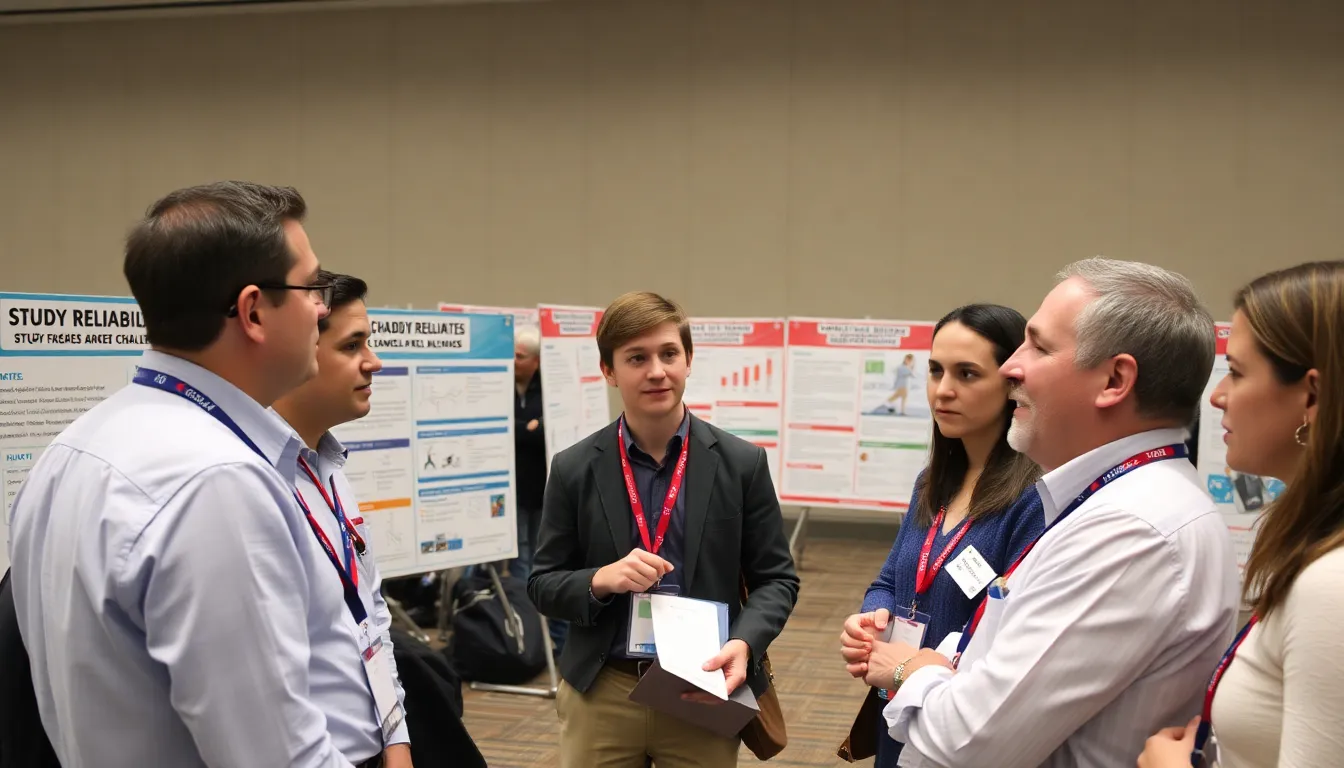
Frequently asked questions about study reliability
Key insights and future outlook on study predictions
The ability to anticipate the durability of scientific findings is becoming increasingly vital in a world inundated with research. As methodologies evolve, so too does the potential for predictive tools that can assess the robustness of studies before they are widely accepted. This shift not only enhances the credibility of scientific literature but also empowers researchers and practitioners to make informed decisions based on the reliability of evidence.
Looking ahead, the integration of advanced statistical models and machine learning techniques may provide significant advancements in predicting study outcomes. By focusing on key indicators of study quality and replicability, stakeholders can better navigate the complexities of research validity, ultimately leading to a more rigorous scientific landscape.
- Invest in developing predictive analytics tools to assess study reliability early in the research process.
- Encourage transparency in methodologies to enhance the reproducibility of findings.
- Foster collaborations between statisticians and researchers to create robust frameworks for study evaluation.
- Monitor emerging patterns in study outcomes to identify potential biases or flaws in research designs.