
This phenomenon can be attributed to a growing desire for escapism and stress relief in an increasingly hectic world. Players are drawn to these games as a way to unwind, finding joy in the simplicity of completing tasks that mirror real life. The rise of these games coincides with broader trends in mental health awareness, where individuals seek activities that promote mindfulness and a sense of achievement. For a deeper understanding of how entertainment intersects with mental health, you can check out Love on the Spectrum highlights our desire for wholesome reality TV.
Additionally, the gaming community has seen a shift towards more casual gaming experiences, appealing to a wider audience beyond traditional gamers. As platforms like Steam and consoles continue to expand their user bases, developers are capitalizing on this trend by creating content that resonates with players’ everyday experiences. This shift has led to a diverse array of titles that prioritize accessibility and enjoyment over complex narratives or high-stakes competition. One interesting case study is the FilmQuest Festival, which showcases how broader entertainment trends can influence gaming.
The success of these games also reflects changing consumer preferences, as players increasingly value the opportunity to engage in low-pressure environments. With the global gaming market projected to exceed $200 billion by 2023, the demand for innovative and relatable gaming experiences continues to grow. This has prompted developers to explore new themes that resonate with everyday life, further solidifying the appeal of mundane job simulations. For more insights into how various media forms are evolving and impacting consumer behavior, explore Exploring the Depths of BBC Inside Science.
Understanding the Appeal of Everyday Tasks in Gaming
In recent years, a surge in video games centered around mundane tasks such as power-washing, pool-cleaning, and lawn-mowing has captivated millions of players. This trend can be traced back to a growing desire for escapism in an increasingly complex world. As people grapple with the pressures of modern life, these games offer a unique form of relaxation, allowing players to engage in activities that are simple, satisfying, and devoid of real-world consequences.
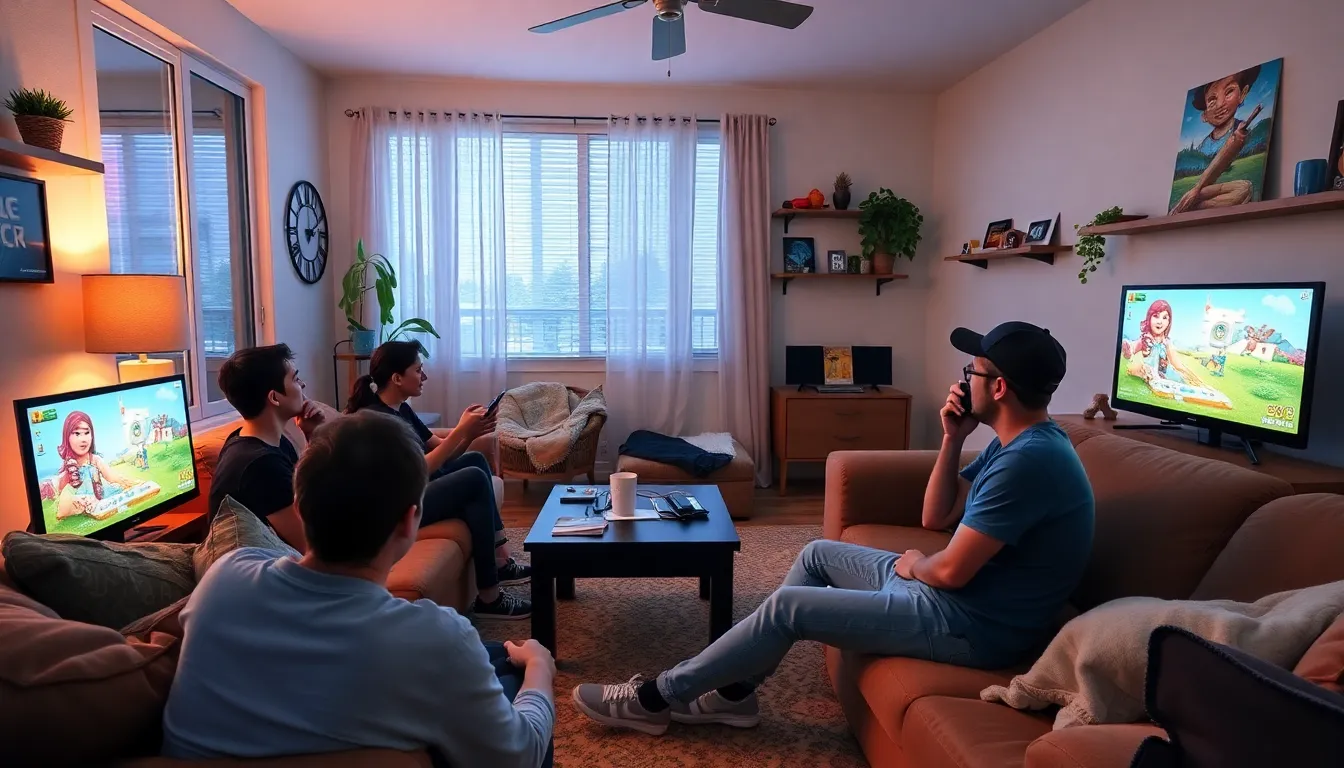
The rise of simulation games can be linked to the broader gaming industry’s evolution. In the early 2000s, titles like “The Sims” and “Harvest Moon” introduced players to the joys of managing everyday tasks within a virtual environment. These games provided a sense of control and accomplishment, appealing to those who found solace in routine. As technology advanced, so did the complexity and realism of these simulations, leading to a new wave of games that focus on the satisfaction of completing everyday chores.
The Impact of the Pandemic
The COVID-19 pandemic served as a catalyst for this trend, as lockdowns and social distancing measures left many seeking comfort in familiar activities. With more time spent at home, players turned to games that allowed them to engage in productive yet low-stakes environments. Titles like “PowerWash Simulator” and “House Flipper” became popular, providing an outlet for creativity and a sense of achievement during uncertain times. This phenomenon reflects a collective yearning for simplicity and order amidst chaos.
Economically, the success of these games has not gone unnoticed by developers. The emergence of indie studios specializing in simulation games has led to a diversification of the gaming market, where niche titles can thrive. As players continue to embrace the charm of mundane tasks, the industry is likely to see further innovation in this genre, expanding the horizons of what constitutes engaging gameplay.
Furthermore, the social aspect of these games cannot be overlooked. Many players find joy in sharing their experiences and achievements on social media platforms, creating communities centered around the appreciation of everyday tasks. This communal aspect enhances the appeal, as players bond over their shared experiences of cleaning, organizing, and maintaining their virtual spaces.
Key Stakeholders and Trends in the Gaming Industry
The rise of simulation games centered around mundane jobs such as power-washing, pool-cleaning, and mowing has attracted a diverse group of stakeholders. These include game developers, players, and advertisers, each with distinct interests that shape the gaming landscape. Game developers aim to create engaging experiences while monetizing their products, whereas players seek entertainment and a sense of achievement from completing everyday tasks in a virtual environment.
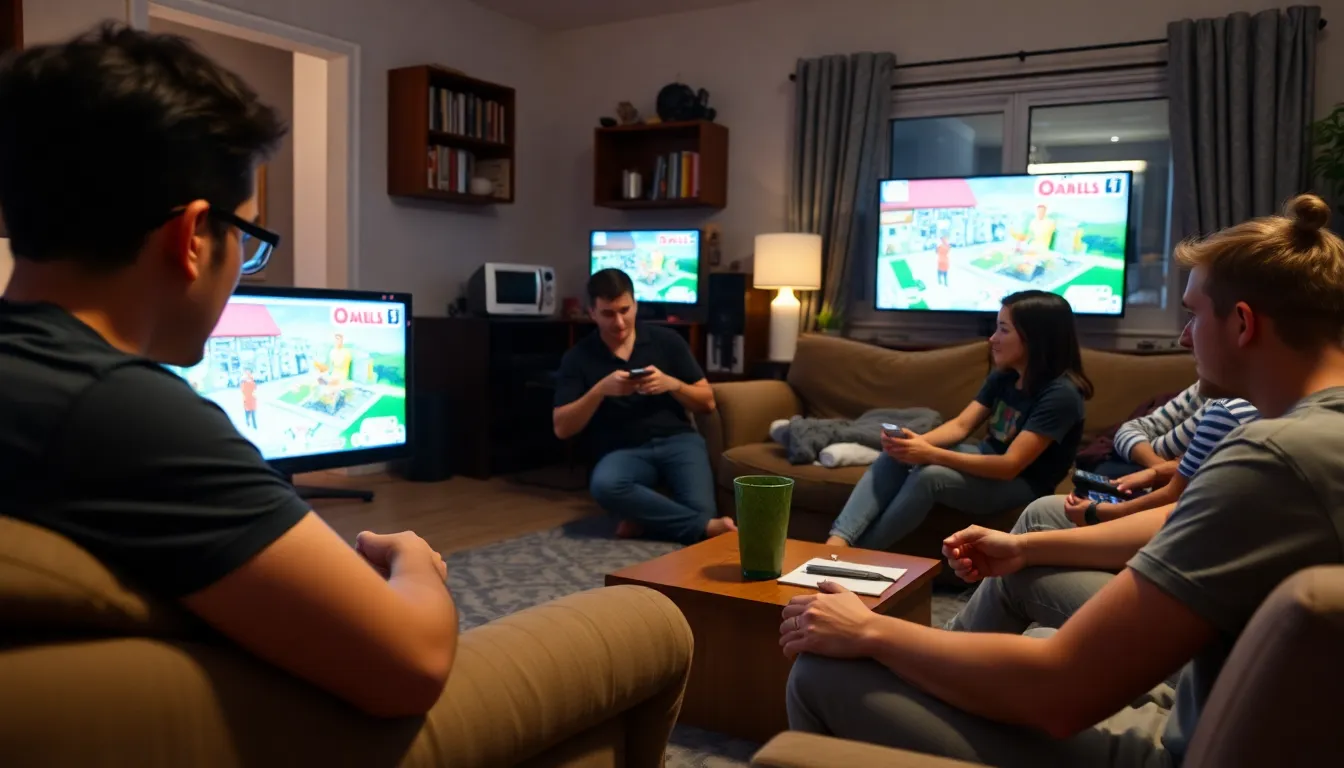
In addition to developers and players, corporations that produce cleaning equipment and lawn care products have recognized the potential for brand integration within these games. By collaborating with game developers, these companies can promote their products in a context that resonates with consumers, creating a win-win scenario. However, this partnership can lead to conflicts regarding the portrayal of products and the extent of advertising within gameplay.
Governments and regulatory bodies also play a role in this evolving industry. As gaming becomes increasingly popular, concerns about content regulation, advertising standards, and the psychological impact of simulation games on players have emerged. These entities must navigate the balance between encouraging innovation in the gaming sector and protecting consumers from potential negative effects.
- Game Developers: Interested in creating engaging content and maximizing revenue through in-game purchases and advertisements.
- Players: Seek immersive experiences and satisfaction from completing tasks that mirror real-life chores.
- Advertisers: Aim to leverage the popularity of these games to market their products directly to consumers.
- Regulatory Bodies: Focus on ensuring fair practices and consumer protection within the gaming industry.
- Environmental Groups: May express concerns about the portrayal of lawn care and cleaning practices in games, advocating for sustainable practices.
The interplay between these stakeholders highlights the complexity of the gaming industry, where interests can align or clash. As more players engage with these simulation games, the potential for economic growth and innovation in this niche market continues to expand, prompting ongoing discussions about the future of gaming and its societal implications.
Who is Affected by This Gaming Trend?
The rise of simulation games focused on mundane jobs such as power-washing, pool-cleaning, and mowing has a wide-reaching impact on various groups and industries. Primarily, the gaming industry itself is seeing a surge in interest, as developers create more titles that tap into this niche market. Additionally, casual gamers, particularly younger audiences, are engaging with these games, often finding them both entertaining and oddly satisfying.
In the short term, businesses that provide services related to these mundane tasks may experience fluctuations in demand. For instance, as more people engage with power-washing or lawn-mowing games, they might become more inclined to hire professionals for these services in real life, driving up demand in local markets. Conversely, some individuals may choose to forgo hiring professionals, opting instead to handle these tasks themselves after gaining confidence from their gaming experiences.
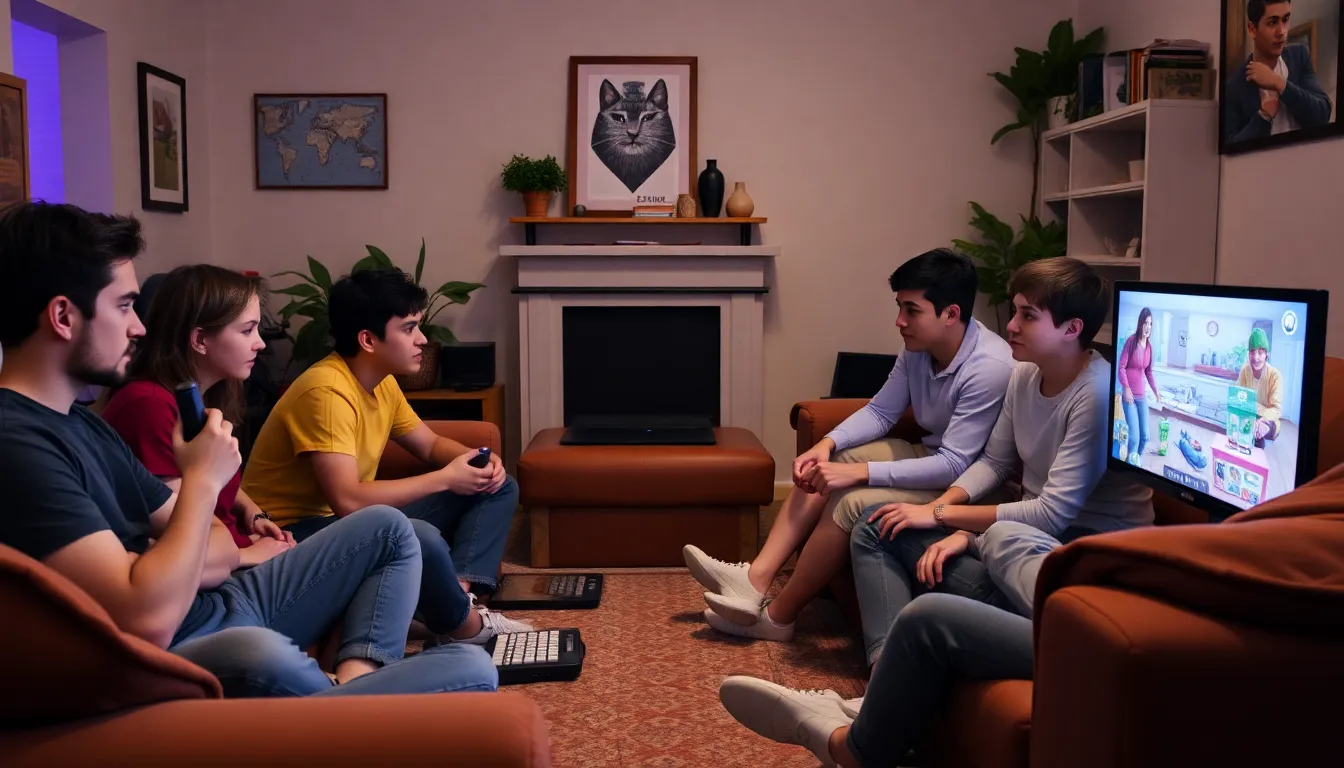
In the mid-term, this trend could lead to significant changes in how people perceive and approach everyday chores. The gamification of these tasks may encourage individuals to take on more home improvement projects, potentially boosting sales for related tools and equipment. Additionally, the entertainment value derived from these games could inspire new policies around leisure and work-life balance, as society re-evaluates the value of mundane tasks.
- Short-term impacts: Increased demand for service professionals; potential decrease in DIY service hiring.
- Mid-term impacts: Changes in consumer behavior towards home maintenance; growth in related retail sectors.
- Risks: Possible oversaturation of the gaming market; diminishing returns for developers if trends shift.
- Opportunities: New business models for service providers; innovative marketing strategies for tool manufacturers.
Overall, while the immediate effects may be mixed, the long-term implications of this gaming trend could reshape how society interacts with mundane tasks, creating both challenges and opportunities across various sectors.
A: These games provide a relaxing escape from reality, allowing players to engage in satisfying tasks without real-world consequences. A: Common tasks include power-washing, lawn mowing, and pool cleaning, which are often presented in a fun and engaging manner. A: Yes, many of these games are designed to be family-friendly, making them accessible to players of all ages. A: Players often find that these games can make real-life chores seem less daunting, as they experience the satisfaction of completing tasks in a virtual setting. A: Mundane job games are available on various platforms, including mobile devices, consoles, and PC.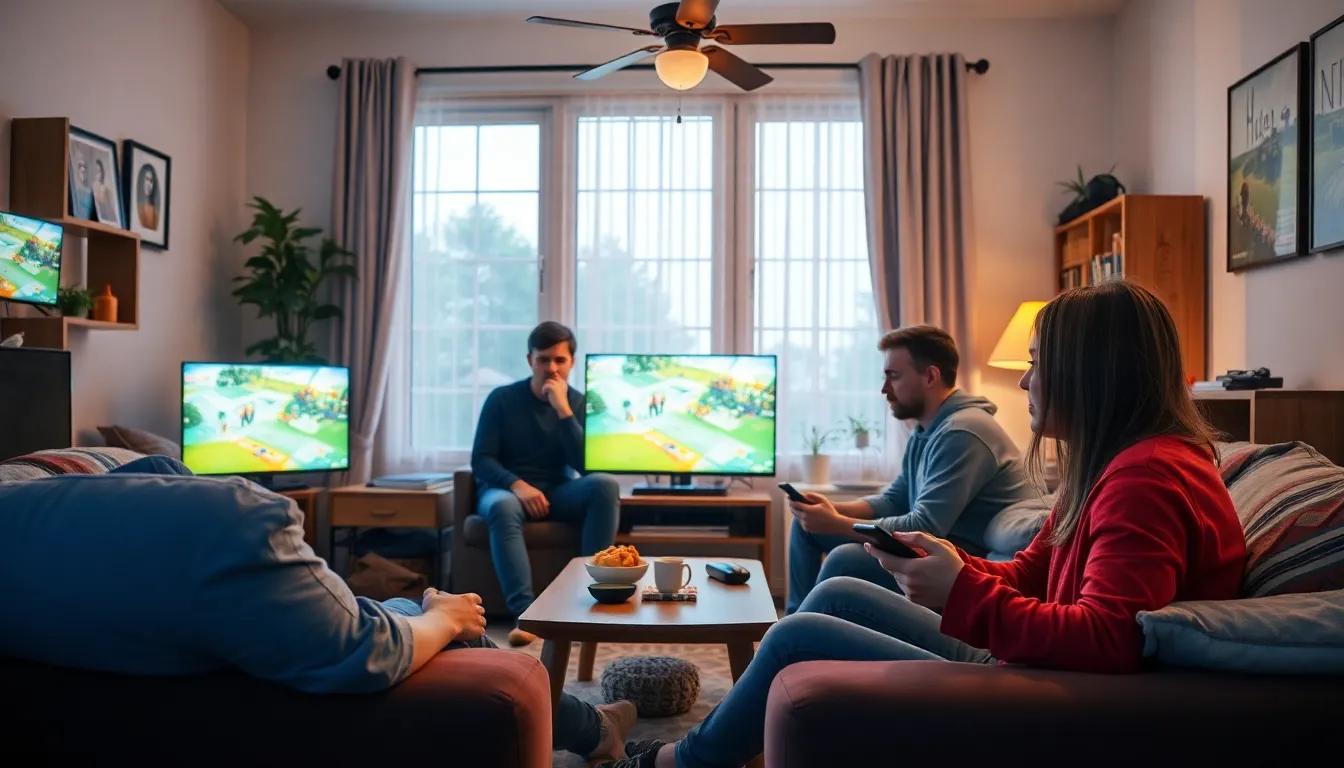
Frequently Asked Questions About Mundane Job Games
Insights into the Future of Mundane Job Gaming
The rise of games centered around mundane tasks such as power-washing, pool-cleaning, and mowing reflects a growing fascination with the simplicity and satisfaction derived from everyday chores. These games not only provide a sense of accomplishment but also serve as a form of escapism, allowing players to engage in tasks they might otherwise find tedious in real life. As this genre continues to expand, it opens up new avenues for game developers and players alike, reshaping our understanding of what constitutes engaging gameplay.
Looking ahead, the intersection of relaxation and productivity in gaming is likely to evolve, potentially integrating more elements of real-life task management and creativity. This trend may influence how future games are designed, focusing on the rewarding aspects of routine tasks while promoting mindfulness and stress relief.
- Expect an increase in game mechanics that emphasize satisfaction and achievement in completing mundane tasks.
- Developers may explore innovative ways to incorporate real-life skills and knowledge into gameplay, enhancing educational value.
- The demand for relaxation-oriented games could lead to collaborations between game designers and mental health professionals.
- As this genre grows, there may be opportunities for community-building around shared experiences in these games.