
Scientists from various institutions, including the Max Planck Institute for the Science of Human History, have utilized advanced genetic analysis and fossil studies to trace the lineage of modern dogs. Their findings indicate that the domestication process may have started in multiple regions, including Europe and Asia, rather than a single point of origin. This insight not only reshapes our understanding of dog history but also sheds light on human social structures during prehistoric times, similar to the themes explored in Exploring the Depths of BBC Inside Science.
The implications of this research extend beyond historical curiosity; they prompt a reevaluation of the roles that dogs have played in human societies. By examining the timeline of dog domestication, researchers can better understand the mutual benefits experienced by both species, such as companionship and assistance in daily survival. This evolving narrative highlights the significance of dogs in human evolution and cultural development.
As scientists continue to explore the genetic and archaeological evidence, the findings contribute to a broader understanding of interspecies relationships. The bond between humans and dogs has been integral to human history, and recognizing its origins can enhance our appreciation for the companionship that dogs provide today. This research not only informs our past but also shapes how we view our future with these loyal animals, much like the insights shared in 7 Things to Add Some Delight to Your Day.
Understanding the history of dog domestication
The relationship between humans and dogs dates back thousands of years, with evidence suggesting that the domestication of dogs began as early as 20,000 to 40,000 years ago. This long-standing companionship has evolved from early hunter-gatherer societies, where wolves began to form bonds with humans, leading to the gradual domestication of these animals. Initially, the relationship was likely based on mutual benefits: humans provided food and protection, while dogs offered assistance in hunting and guarding.
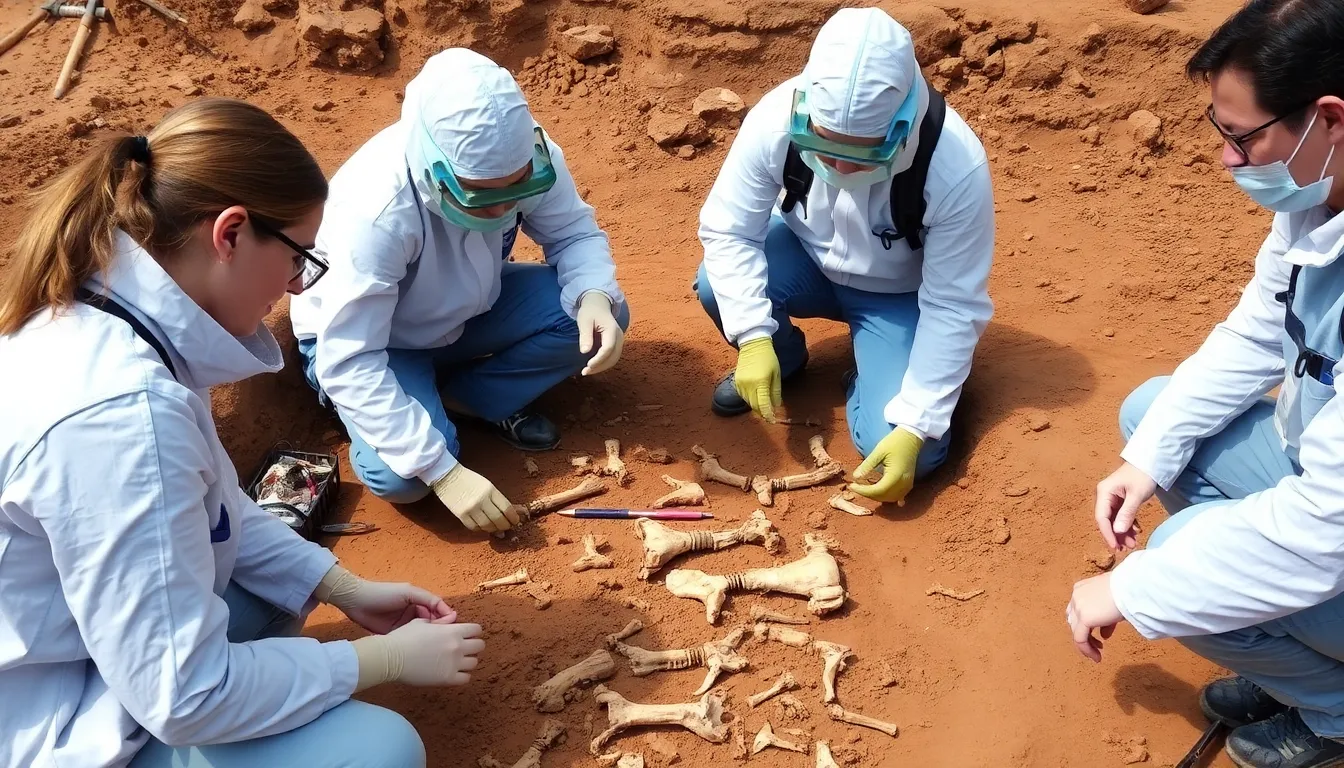
Recent studies have challenged previous assumptions about when and how dogs became integrated into human societies. For many years, it was believed that dog domestication occurred around 15,000 years ago, coinciding with the advent of agriculture. However, new archaeological findings and genetic analyses indicate that the bond may have formed much earlier, during the Upper Paleolithic period, echoing the historical narratives discussed in Exploring the Legacy of Vintage Broadway Dance.
Key milestones in dog domestication
Several key milestones mark the journey of dog domestication. The first significant event was the transition of wolves to a more social and less aggressive behavior, which allowed them to coexist with humans. Evidence from archaeological sites reveals that early humans began to bury their dogs alongside them, indicating a deep emotional connection. Furthermore, the discovery of ancient dog remains in various parts of the world has provided insights into the diverse roles dogs played in different cultures, from companions to working animals.
As societies evolved, so did the roles of dogs. In ancient civilizations such as Mesopotamia and Egypt, dogs were revered and often depicted in art and literature. They were not only companions but also symbols of loyalty and protection. The economic implications of dog domestication also became apparent as dogs were utilized for herding livestock, hunting, and guarding property, further solidifying their status as invaluable members of human communities.
Understanding the early domestication of dogs sheds light on the broader narrative of human-animal relationships and the social dynamics that have shaped our world. This historical context enriches our appreciation for dogs, highlighting their significance beyond mere pets and emphasizing their role in the development of human societies throughout history.
Key stakeholders and their perspectives on dog domestication
The recent findings regarding the early domestication of dogs have sparked interest among various stakeholders, each with their own perspectives and interests. These include scientists, animal welfare organizations, pet owners, and agricultural communities. Understanding their viewpoints is essential to grasp the broader implications of this research.

Scientists and researchers are at the forefront of this discovery, aiming to uncover the evolutionary timeline of dogs. Their interests lie in understanding the genetic and behavioral traits that have developed over thousands of years. This knowledge can contribute to fields such as genetics, anthropology, and veterinary sciences. However, there may be conflicts over the interpretation of data, as different research teams may draw varying conclusions from the same evidence.
Animal welfare organizations are also key stakeholders, advocating for the humane treatment and rights of animals, including dogs. Their focus on responsible breeding practices and the prevention of overpopulation may intersect with findings about dog domestication. For instance, if dogs were domesticated earlier than previously thought, it could influence breeding standards and practices aimed at preserving genetic diversity.
- Pet owners may feel a personal connection to the findings, as they often view their dogs as family members. They may advocate for policies that promote better care and understanding of dogs based on their historical context.
- Agricultural communities have historically relied on dogs for herding and protection. The new insights into domestication may lead to discussions about the roles dogs play in modern farming practices and how they can be better integrated into these systems.
- Governments may also become involved, particularly in relation to legislation surrounding animal rights and breeding regulations. The implications of early domestication could affect policies aimed at animal welfare and public health.
In summary, the analysis of stakeholders reveals a complex web of interests and potential conflicts. The implications of early dog domestication extend beyond scientific curiosity, influencing societal norms, legal frameworks, and economic considerations related to pet ownership and animal welfare.
How these findings affect our view of canine companionship
The recent discovery that dogs became companions to humans much earlier than previously believed has significant implications for various groups and industries. Dog owners, breeders, and pet-related businesses stand to benefit from a deeper understanding of the historical bond between humans and dogs. Additionally, researchers and anthropologists may find new avenues for exploration in studying human-animal relationships.
In the short term, pet-related industries, including veterinary services, pet food manufacturers, and dog training programs, may experience an increase in demand as people seek to learn more about their pets’ historical significance. This newfound interest could lead to a surge in sales and the development of new products aimed at enhancing the human-dog bond.
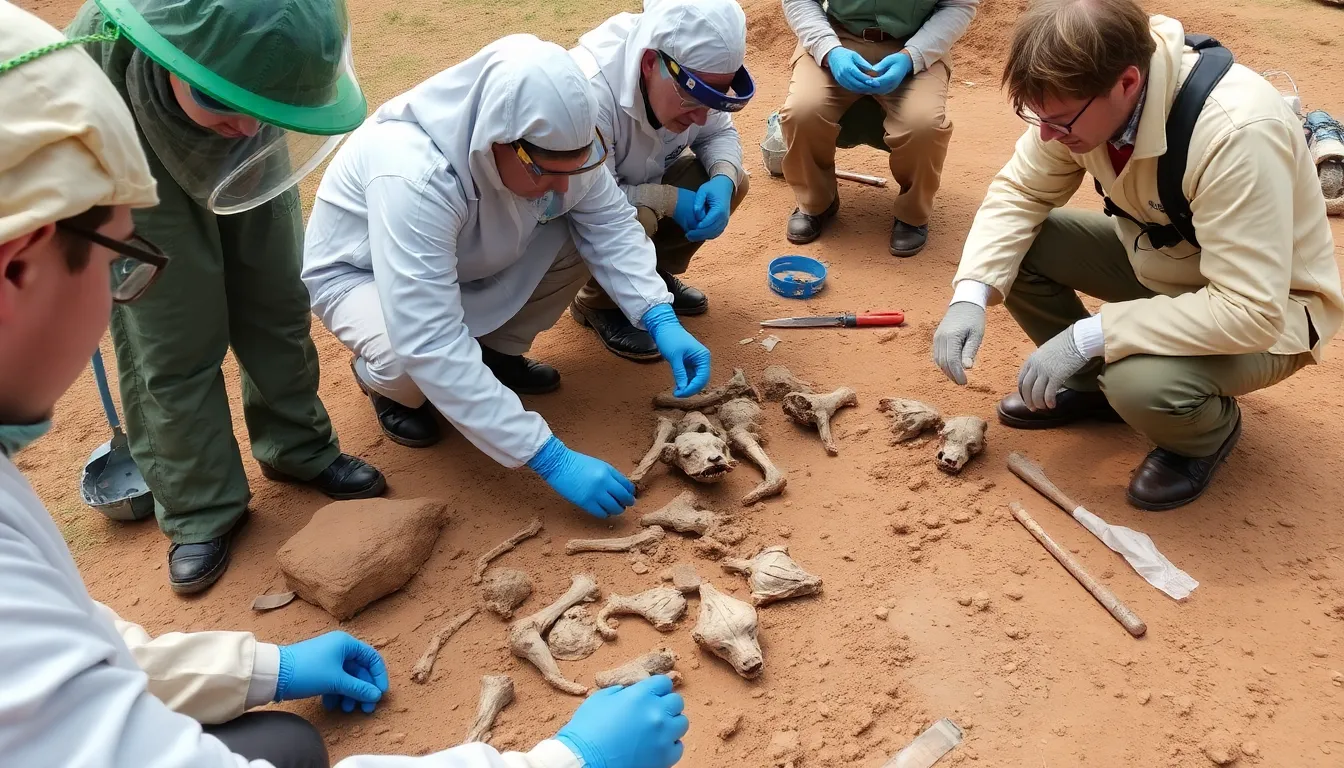
In the mid-term, public policy may also be influenced by these findings. As the understanding of canine companionship evolves, there may be a push for more comprehensive animal welfare laws and regulations. Communities might also see increased funding for dog parks and pet-friendly spaces, reflecting the growing acknowledgment of dogs as integral members of society.
- Increased demand for pet-related services and products.
- Potential for new research in human-animal relationships.
- Impact on public policy regarding animal welfare.
- Opportunities for community development focused on pet-friendly initiatives.
However, these changes also come with risks. The heightened focus on dogs may lead to over-commercialization, potentially overshadowing the importance of responsible pet ownership. Moreover, as more people adopt dogs, there could be challenges related to pet overpopulation and increased strain on animal shelters and rescue organizations.
A: Scientists used genetic analysis and archaeological evidence to trace the lineage of dogs, revealing that domestication may have occurred thousands of years earlier than previously documented. A: This discovery suggests that the relationship between humans and dogs has been integral to human development, potentially influencing social structures and survival strategies. A: While all breeds are descendants of early domesticated dogs, some breeds have retained traits that may link them more closely to ancient lineages. A: Understanding the historical context of dog domestication can inform breeding practices by emphasizing the importance of genetic diversity and health. A: Future research should focus on uncovering more archaeological evidence and conducting deeper genetic studies to fully understand the timeline of dog domestication.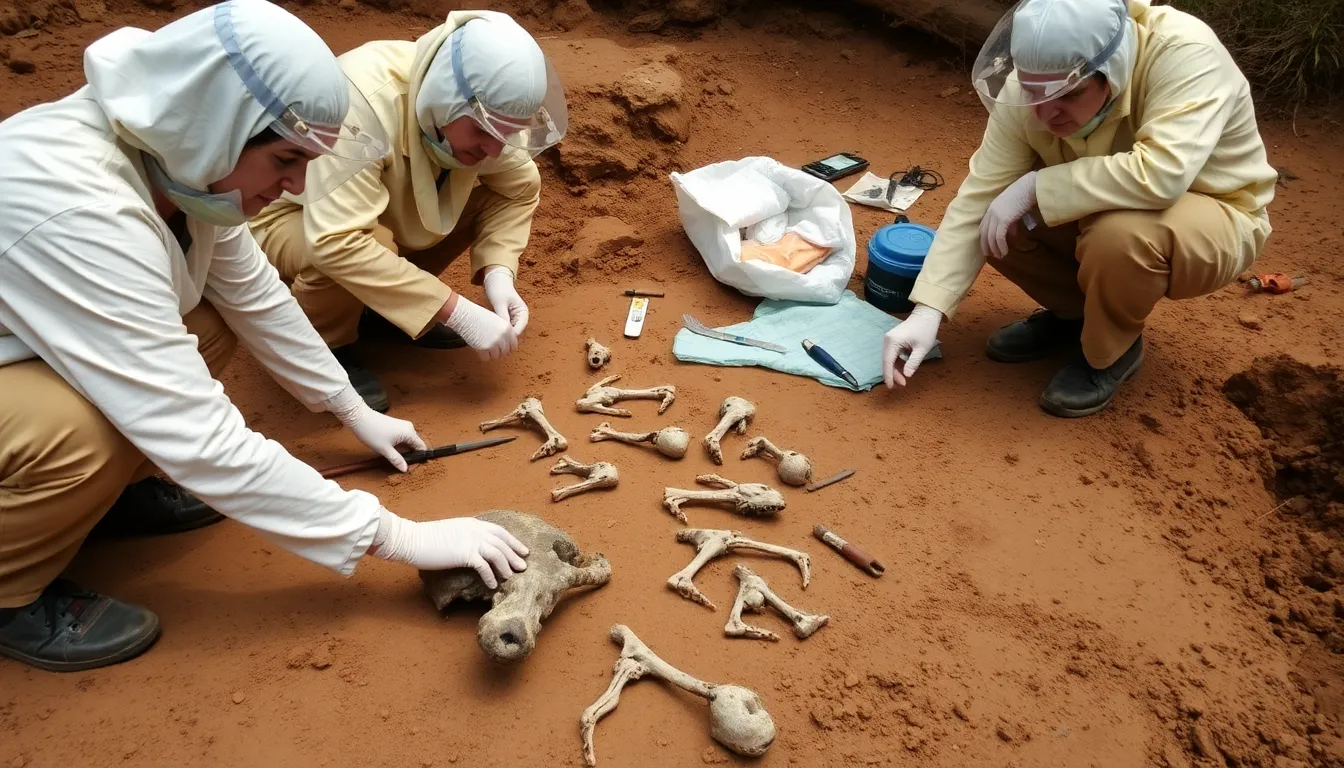
Frequently asked questions about dog domestication
Insights into the evolving relationship between dogs and humans
The recent findings indicating that dogs became man’s best friend much earlier than previously believed shed new light on the deep-rooted bond shared between humans and canines. This early domestication suggests that the roles dogs played in human societies were likely more significant and varied than traditionally understood, influencing both social structures and survival strategies.
As research continues to uncover the complexities of this relationship, it prompts a re-evaluation of how we view not only dogs in our lives but also the broader implications for animal domestication and companionship. Understanding this history can inform future studies on animal behavior, welfare, and the mutual benefits of human-animal partnerships.
- Consider the implications of early domestication on modern breeding practices and dog behavior.
- Explore how this historical perspective can enhance our understanding of canine contributions to human societies.
- Monitor ongoing research that may reveal more about the genetics and traits of early domesticated dogs.
- Reflect on how this knowledge can influence policies regarding animal welfare and conservation efforts.
- Stay informed about evolving perspectives on human-animal relationships in various cultural contexts.