
Recent studies indicate that around 60% of retired boxers experience financial difficulties within five years of retirement, which aligns with the broader concerns about industry support for athletes in financial instability. This statistic highlights the precarious nature of a sport where earnings can fluctuate dramatically based on fight opportunities and sponsorship deals. Many fighters, once celebrated for their prowess, struggle to find stable employment or financial security post-retirement.
Prominent organizations, including the Professional Boxers Association, have begun to address these issues, advocating for better healthcare and financial planning resources for fighters. Despite these efforts, the systemic problems remain pervasive, often leaving boxers feeling isolated and forgotten by the very industry that once celebrated their achievements.
The recent retirement of notable fighters like Oscar De La Hoya and Floyd Mayweather has reignited discussions about the long-term welfare of boxers. Their experiences shed light on the broader issue of how the sport manages its former athletes, raising questions about the responsibility of promoters and governing bodies in ensuring the welfare of fighters long after their last bout.
Understanding the life cycle of a boxer’s career
The journey of a professional boxer is often marked by a steep ascent followed by a rapid decline, leaving many fighters feeling forgotten once the spotlight fades. Historically, boxing has been a sport that elevates individuals from humble beginnings to fame and fortune, but the harsh reality is that this success is often fleeting. The life cycle of a boxer’s career typically begins with years of grueling training and amateur bouts, leading to the potential for a professional debut; however, the transition from rising star to retired athlete can be abrupt and unforgiving.
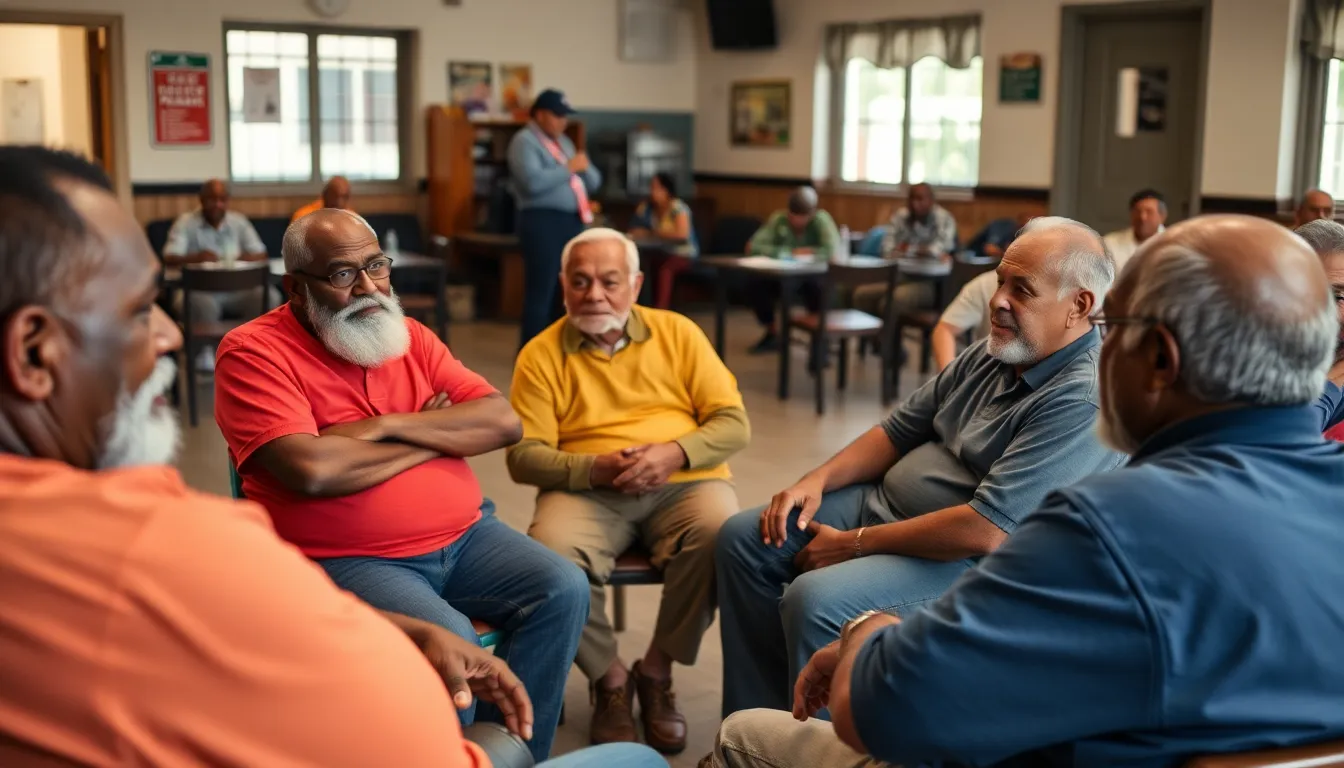
Economically, the boxing industry is structured in a way that benefits promoters and managers more than the fighters themselves. Many boxers enter the sport with dreams of wealth and recognition, but they often find themselves grappling with financial instability once their careers are over. The lack of a stable financial safety net is compounded by the fact that many boxers do not have access to proper financial education or management, leaving them vulnerable to exploitation and mismanagement by those in charge of their careers.
Socially, the stigma surrounding retired athletes can lead to feelings of isolation and neglect. Once a boxer hangs up their gloves, they may struggle to find their place in society, as their identity has been so closely tied to their athletic prowess. The transition to life after boxing can be particularly challenging, as many fighters lack the necessary skills or support systems to navigate this new reality. This social disconnect is further exacerbated by the perception that society often moves on quickly, leaving former champions feeling abandoned.
Key Milestones in Boxing’s Evolution
Over the years, several key milestones have shaped the boxing landscape and impacted the lives of fighters, leading to discussions about the need for better support systems for retired fighters as highlighted in various cases. The establishment of major boxing organizations, such as the WBC and WBA, has created a competitive environment that prioritizes championship titles but often overlooks the long-term welfare of the athletes.
Key issues affecting retired boxers and their mental health
Retired boxers often face a myriad of challenges that can significantly impact their mental health and overall well-being. The transition from an active career in the ring to retirement can be jarring, leaving many feeling isolated and forgotten. Various stakeholders, including promoters, sports organizations, and healthcare providers, play crucial roles in addressing these issues, but conflicts and trade-offs often arise.
One of the primary actors in this scenario is the boxing promotion companies, which have a vested interest in the careers of boxers while they are active. Once a boxer retires, however, the focus shifts away from them, leading to a lack of support and resources. This can create a stark contrast between the financial success of promotions and the struggles faced by retired athletes.
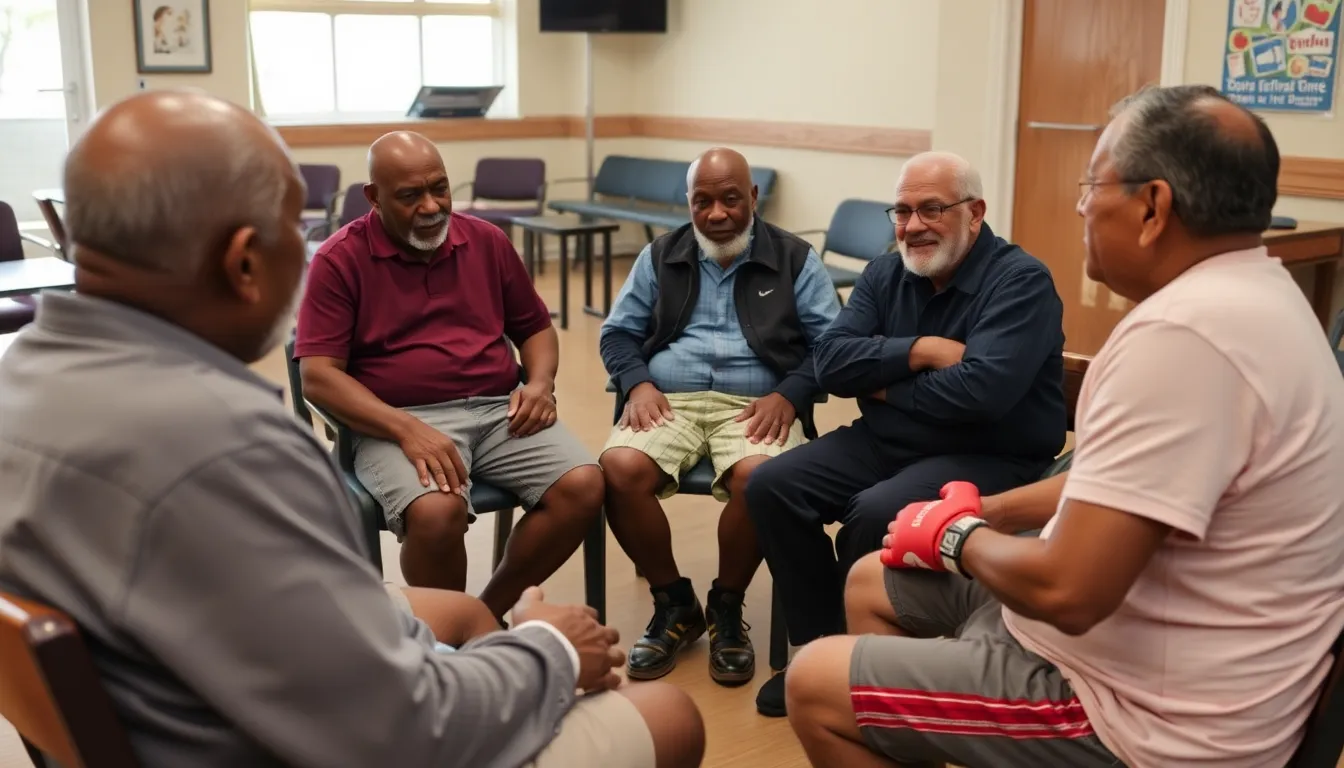
Additionally, governing bodies in boxing, such as national and international federations, are responsible for the welfare of boxers. However, their efforts to provide support often fall short, as regulations and policies may not adequately address the long-term needs of retired fighters. This gap in support can exacerbate issues such as mental health struggles, financial instability, and social isolation.
- Financial security: Many retired boxers face economic hardships due to inadequate savings and lack of pension plans.
- Mental health support: Access to mental health resources is often limited, leaving retired boxers without necessary care.
- Social isolation: The transition away from the sport can lead to feelings of loneliness and disconnection from peers.
- Recognition and advocacy: There is a need for greater advocacy for retired boxers to ensure their voices are heard and their needs addressed.
In conclusion, the interplay between these stakeholders and the challenges faced by retired boxers highlights the need for a more comprehensive approach to support. Addressing the conflicts and trade-offs inherent in this landscape is crucial for fostering a healthier environment for former athletes.
The emotional and financial impact on retired fighters
The transition from an active boxing career to retirement can be a challenging journey for many fighters. Once celebrated athletes, they often find themselves feeling forgotten, both emotionally and financially. This shift affects not only the fighters but also their families, trainers, and the broader boxing community.
In the short term, many retired boxers struggle with the abrupt cessation of their income, which can lead to financial instability. The boxing industry, known for its high-risk nature, often leaves athletes without sufficient savings or alternative career paths. As a result, they may face difficulties in meeting daily expenses, leading to increased stress and anxiety.
Mid-term impacts can include a decline in mental health and well-being. Fighters may experience feelings of isolation and depression as they grapple with their new identity outside of the ring. The lack of support systems can exacerbate these issues, affecting their relationships with family and friends. Additionally, the boxing industry may see a decrease in engagement from retired fighters, who feel sidelined, impacting mentorship opportunities for younger athletes.
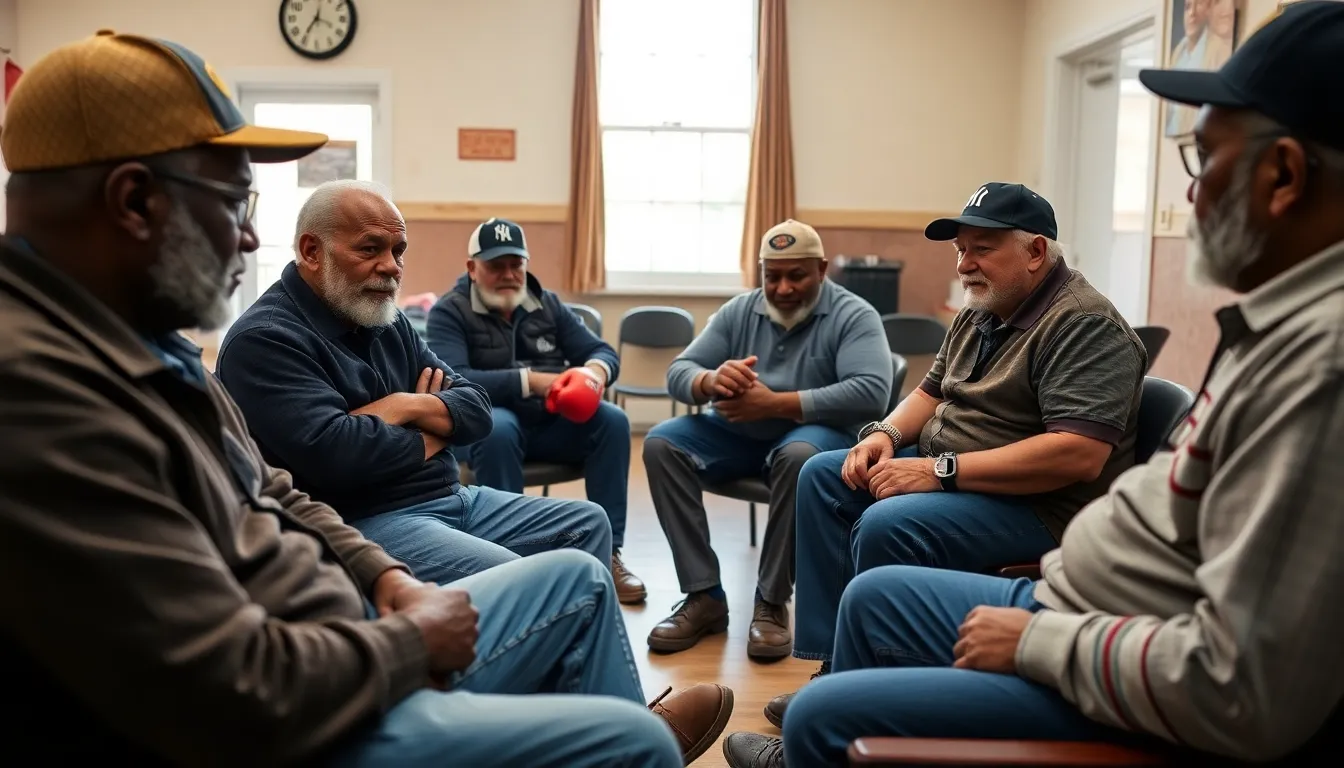
- Financial instability: Many retired fighters lack adequate savings and face immediate financial challenges.
- Mental health issues: Feelings of isolation and depression can arise as fighters adjust to life after boxing.
- Impact on the boxing community: A disengaged group of retired fighters may reduce mentorship and support for upcoming boxers.
However, these challenges also present opportunities for change within the boxing industry. Organizations can implement programs focused on financial literacy and career transition support for fighters. By investing in mental health resources and creating networks for retired athletes, the boxing community can foster a more inclusive environment that values the contributions of fighters beyond their active years.
A: After retirement, many boxers struggle with identity loss and financial instability. The transition from a public persona to a private life can be challenging. A: Support varies widely; some organizations offer assistance, but many boxers find themselves without resources or guidance. A: The abrupt end to their careers can lead to feelings of isolation and depression, as many boxers miss the adrenaline and camaraderie of the sport. A: Yes, there are programs aimed at helping retired boxers, but awareness and access to these resources can be limited. A: Increased awareness, better support systems, and community engagement can help improve the lives of retired boxers.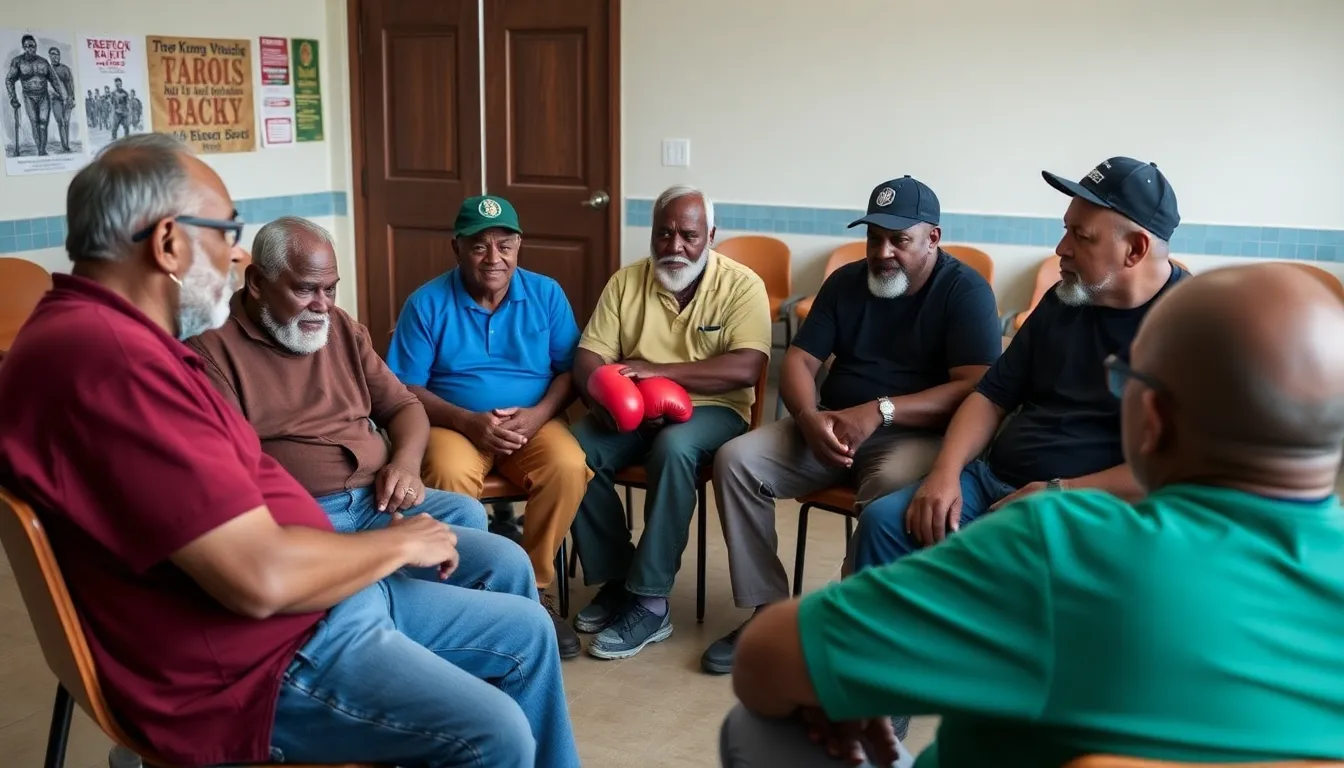
Common questions about retired boxers’ experiences
Looking ahead at support for former boxers
The journey of a boxer often extends far beyond the ring, with many facing a stark reality once the cheers fade and the lights dim. As the sport continues to evolve, it becomes increasingly important to address the needs of former fighters who may feel sidelined after their careers end. By fostering a supportive environment and implementing effective programs, the boxing community can ensure that these athletes receive the recognition and assistance they deserve.
Looking forward, the focus should be on creating sustainable pathways for retired boxers, emphasizing mental health resources, financial planning, and community engagement. As the dialogue around the well-being of athletes grows, it is essential to prioritize initiatives that not only honor their contributions but also provide them with the tools to thrive post-career.
- Increased mental health support: Establishing dedicated resources for former boxers to cope with the psychological impacts of retirement.
- Financial literacy programs: Implementing training sessions that equip fighters with skills to manage their earnings effectively.
- Community reintegration initiatives: Creating programs that help former athletes connect with local communities and find new roles outside of boxing.
- Advocating for recognition: Encouraging organizations to acknowledge the achievements of retired boxers through awards and public events.