
The initiative has already led to over 200 arrests, including several key figures linked to drug trafficking networks. Police have seized substantial quantities of illegal substances, including cocaine and heroin, as well as numerous weapons, highlighting the severity of the situation and the need for immediate action.
Local communities have expressed concern over the increasing prevalence of knife crime, particularly among young people. In a recent survey conducted by community groups, nearly 70% of respondents indicated that they feel unsafe due to the rising violence, prompting officials to prioritize public safety measures alongside the ongoing operation. This issue echoes the challenges seen in communities grappling with social change.
This large-scale effort not only aims to reduce crime rates but also seeks to engage with at-risk youth through prevention programs. Officers are working with schools and local organizations to provide educational resources and support, emphasizing the importance of steering young people away from gang involvement and drug use.
Understanding the background of drug and knife crime issues
The rise of drug and knife crime in urban areas has deep roots in a complex interplay of socio-economic factors, historical trends, and evolving law enforcement strategies. Over the past few decades, cities have witnessed significant changes in demographics and economic conditions, which have contributed to an increase in crime rates. High unemployment, poverty, and lack of access to education have created an environment where illegal activities, including drug trafficking and violent crime, can flourish. Understanding these dynamics is crucial for community leaders, similar to how new initiatives are reshaping communities in other contexts.
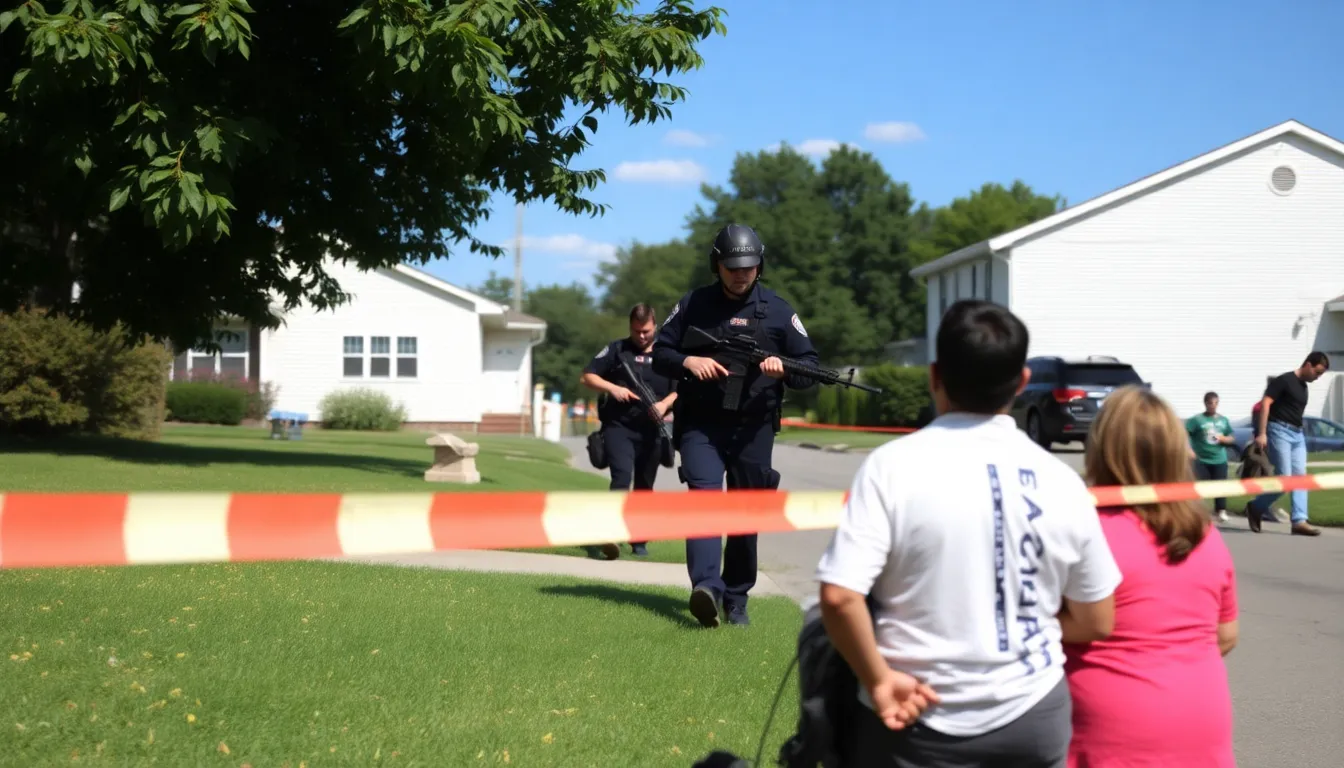
Historically, the war on drugs initiated in the 1980s has had lasting repercussions. While intended to reduce drug-related crime, it often resulted in harsher sentencing laws and increased incarceration rates, disproportionately affecting marginalized communities. This punitive approach has not only failed to curb drug use but has also fueled a cycle of violence, particularly in areas where gangs vie for control of the lucrative drug market.
The role of gang culture
Gang culture has become a significant factor in the proliferation of knife crime, particularly among young people. The glamorization of gang life in media and music, coupled with a lack of positive role models and opportunities, has led many youths to seek affiliation with gangs for identity and protection. This has resulted in a troubling normalization of violence as a means of conflict resolution, further exacerbating the issue of knife crime in cities.
In recent years, various initiatives have been launched to tackle these intertwined issues, with varying degrees of success. Community outreach programs aimed at providing alternatives to gang involvement, alongside targeted policing efforts, have shown promise. However, the persistent nature of the underlying socio-economic challenges continues to pose significant obstacles to achieving lasting change, similar to the economic challenges discussed in the context of energy policies.
As law enforcement agencies ramp up operations to combat drug and knife crime, it is crucial to understand the historical context and socio-economic factors that have shaped the current landscape. This awareness can inform more effective strategies that not only address immediate crime concerns but also tackle the root causes of these issues.
Key stakeholders and issues surrounding the operation
The recent police operation targeting drug and knife crime involves multiple stakeholders, each with distinct interests and concerns. Key actors include law enforcement agencies, local government officials, community organizations, and the residents affected by crime. Their perspectives shape the overall impact of the operation on public safety and community relations.
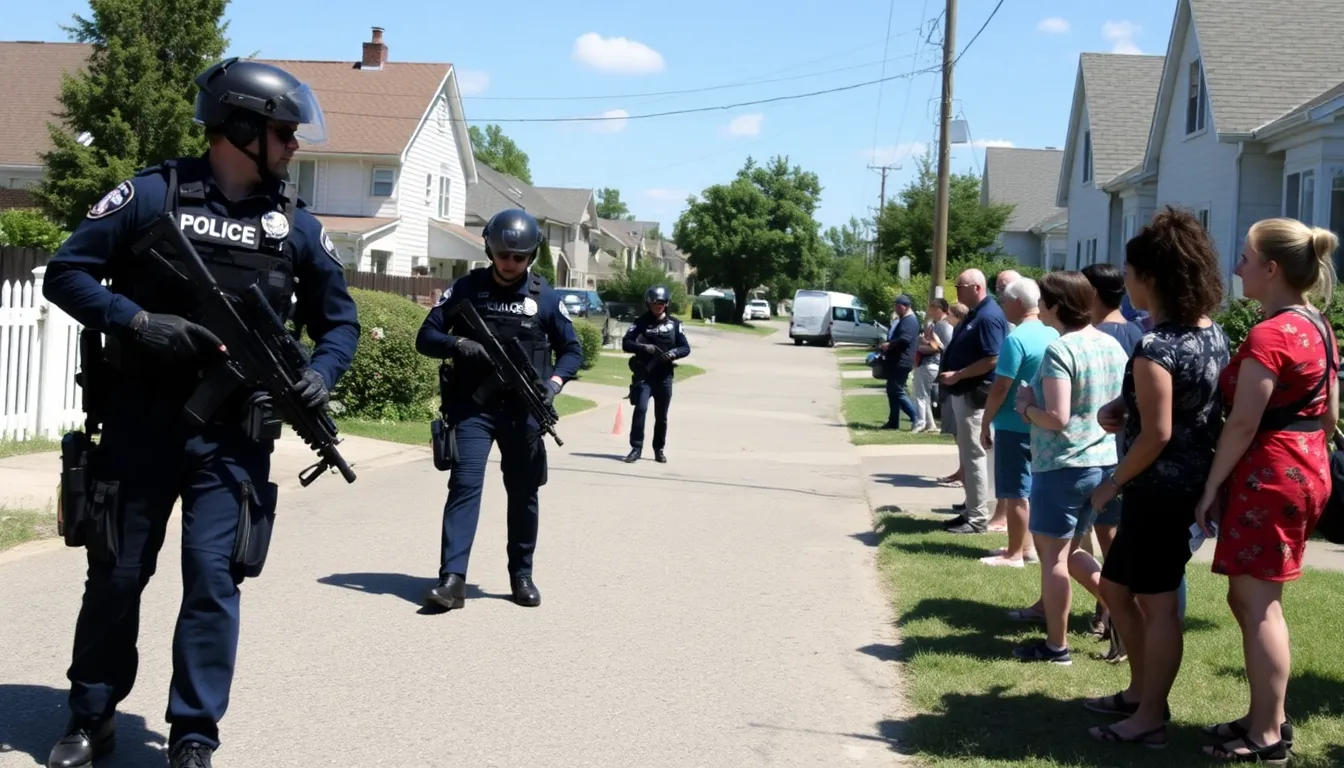
Law enforcement agencies, primarily the police, are focused on reducing crime rates and enhancing public safety. Their interest lies in effectively dismantling drug trafficking networks and addressing the surge in knife-related incidents. However, they must balance aggressive tactics with community trust, as heavy-handed approaches can lead to public backlash and allegations of police misconduct.
Local government officials play a crucial role in supporting police operations through funding and policy-making. They are often under pressure to demonstrate progress in crime reduction to their constituents. However, they must also consider the economic implications of increased policing, such as potential impacts on local businesses and community relations. This creates a trade-off between immediate safety and long-term community trust.
Community organizations and advocacy groups have a vested interest in ensuring that the operation does not disproportionately target marginalized populations. They often advocate for harm reduction strategies and social services as alternatives to punitive measures. Their concerns highlight a key issue: the need for a balanced approach that addresses the root causes of crime while ensuring equitable treatment for all community members.
- Community safety: The primary goal of the operation is to enhance safety for residents.
- Economic impact: Increased police presence may affect local businesses and community dynamics.
- Public trust: Maintaining community trust is essential for effective policing.
- Equity concerns: Ensuring that policing strategies do not disproportionately affect marginalized groups.
- Long-term solutions: The need for addressing underlying social issues, such as poverty and lack of access to education.
The impact of the operation on communities and crime rates
The recent major police operation targeting drug and knife crime has far-reaching implications for various groups and industries. Communities that have been plagued by violence and drug-related issues are likely to feel immediate relief as law enforcement intensifies its efforts. However, the operation also brings challenges, particularly for local businesses and residents who may be caught in the crossfire or face increased police presence.
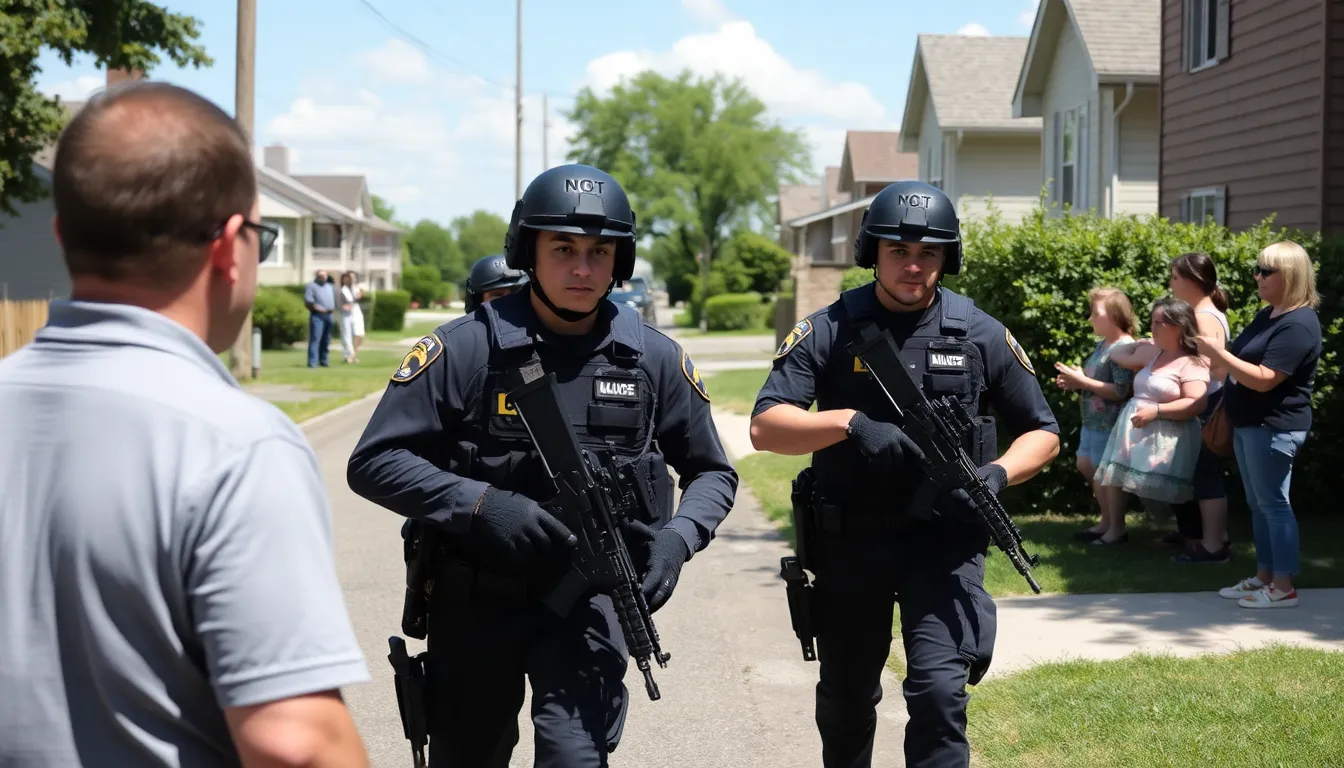
In the short term, residents in affected areas may experience a heightened sense of security as police work to dismantle criminal networks. This could lead to a temporary increase in community engagement and support for local initiatives aimed at reducing crime. However, the increased police activity may also lead to concerns about civil liberties and the potential for over-policing, particularly in marginalized communities.
Mid-term impacts could include shifts in local economies as businesses adapt to a new landscape. Some businesses may benefit from increased foot traffic as crime rates decline, while others may struggle with the stigma associated with being in a high-crime area. Furthermore, ongoing police operations may prompt local governments to reconsider their policies on crime prevention and community safety.
- Communities: Increased safety and potential for community revitalization.
- Local Businesses: Mixed effects; some may thrive, while others may face challenges.
- Policy Changes: Potential for new crime prevention initiatives and community programs.
- Law Enforcement: Increased resources and focus on community policing.
While the operation aims to mitigate risks associated with drug and knife crime, it also presents opportunities for community rebuilding and strengthening social ties. Engaging residents in discussions about safety and support services can foster a collaborative approach to crime reduction, ultimately leading to more sustainable outcomes for affected areas.
A: The main goal is to reduce drug and knife-related crimes, enhance public safety, and restore community trust in law enforcement. A: The operation aims to create safer environments by reducing crime, but it may also lead to increased police presence and community engagement. A: Strategies include increased patrols, community outreach programs, and collaboration with local organizations to address underlying issues. A: Yes, the operation is a direct response to rising crime rates, particularly in areas heavily impacted by drug and knife violence. A: The duration of the operation has not been specified, but it will continue as long as necessary to achieve its goals.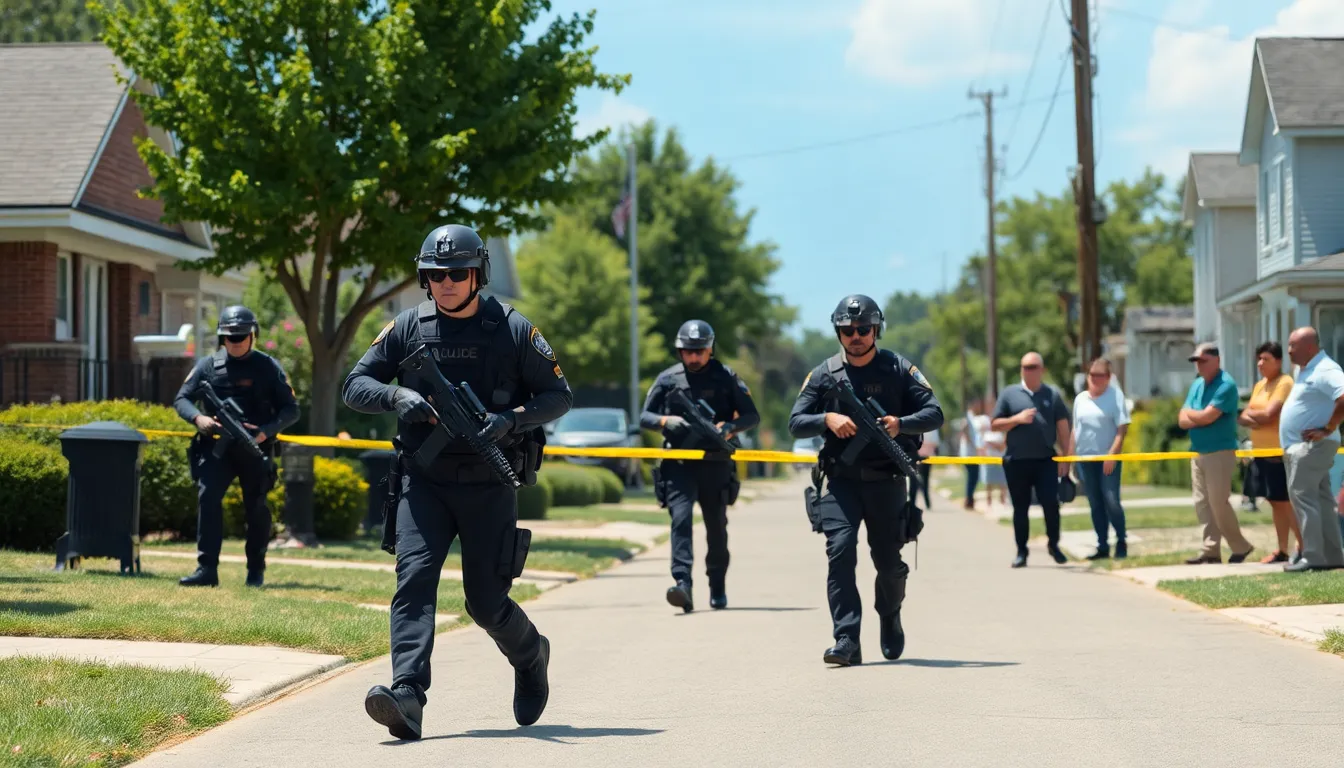
Frequently asked questions about the police operation
Insights and future outlook on crime reduction efforts
The recent major police operation targeting drug and knife crime has underscored the urgent need for comprehensive strategies to combat these issues. As law enforcement agencies ramp up their efforts, it is essential to consider the broader implications for community safety and crime prevention. A collaborative approach that involves local communities, educational institutions, and social services will be crucial in addressing the root causes of crime.
Looking ahead, the effectiveness of such operations will depend not only on immediate enforcement actions but also on sustained community engagement and support systems. Building trust between law enforcement and the communities they serve will be vital in fostering an environment where crime is less likely to thrive.
- Monitor the long-term impact of police operations on crime rates to assess effectiveness.
- Encourage community initiatives that promote youth engagement and education as preventive measures.
- Evaluate the role of mental health and substance abuse services in reducing drug-related crime.
- Watch for potential shifts in crime patterns as enforcement actions may push illicit activities to different areas.
- Support policies that enhance collaboration between police, local governments, and community organizations.