
Key figures such as Nigel Amos and Isaac Makwala have played pivotal roles in this transformation. Amos, who won a silver medal in the 800 meters at the 2012 London Olympics, has become a symbol of success for young athletes in Botswana. Meanwhile, Makwala has made headlines with his remarkable performances in the 400 meters, further solidifying the country’s reputation in track and field.
The recent 2023 World Athletics Championships held in Budapest saw Botswana’s sprinters competing fiercely, with several athletes reaching the finals in their respective events. These competitions have showcased the depth of talent emerging from the nation, indicating a sustainable future for Botswana in sprinting. The government’s investment in sports infrastructure and youth programs has also contributed significantly to this success, fostering a new generation of athletes.
As Botswana continues to gain recognition in the world of athletics, the implications extend beyond sports. The success of its sprinters has the potential to inspire economic growth through increased tourism and sponsorship opportunities. Additionally, the positive media coverage surrounding these athletes serves to enhance Botswana’s global image, positioning the country as a rising star in international athletics.
The historical context of athletics in Botswana
Botswana’s journey to becoming a powerhouse in men’s sprinting is a remarkable story shaped by various historical, political, and social factors. The nation gained independence from British colonial rule in 1966, which marked the beginning of a new era for sports development. The government recognized the importance of athletics not only as a means of national pride but also as a tool for promoting health and unity among its citizens.
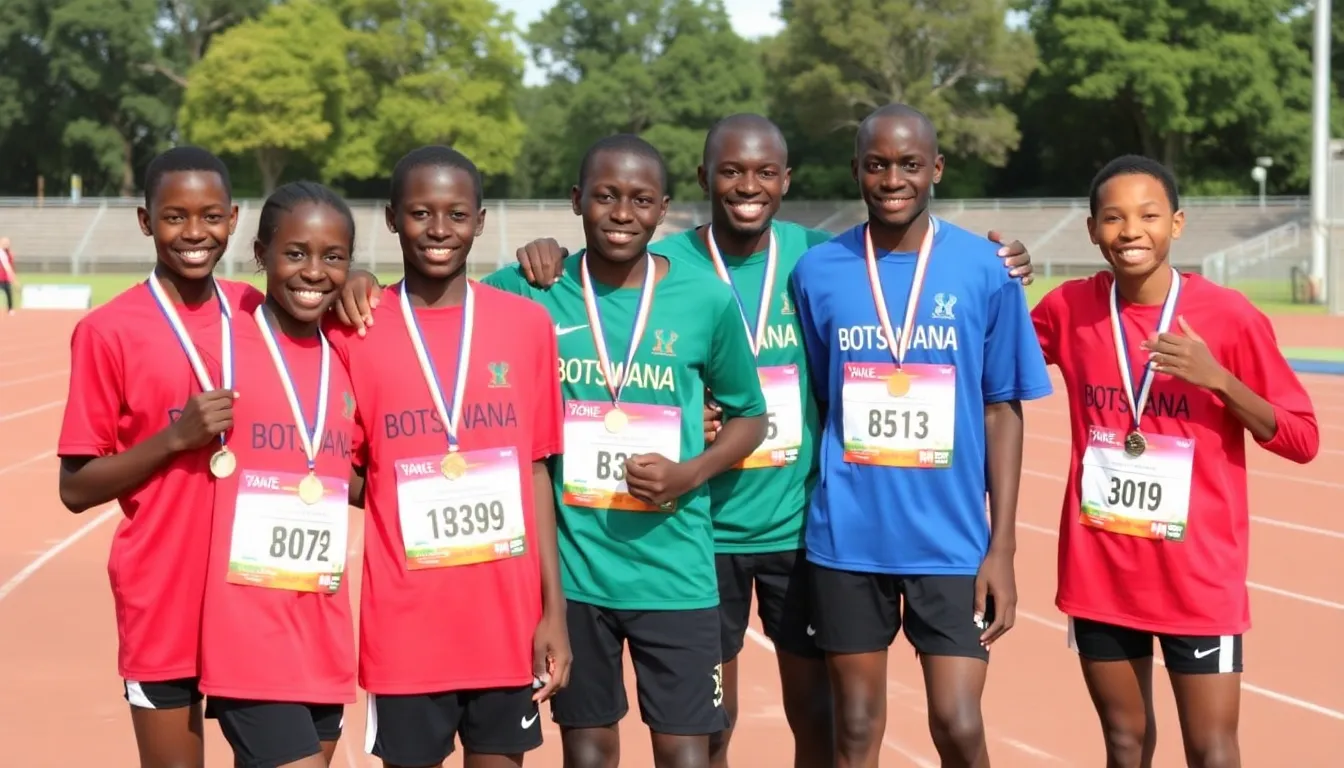
In the years following independence, Botswana invested in sports infrastructure and programs. The establishment of the Botswana National Sports Council in 1975 was a significant milestone, as it aimed to promote and develop various sports, including athletics. This initiative laid the groundwork for nurturing local talent and providing opportunities for young athletes to compete at national and international levels.
Key milestones in Botswana’s athletic development
One of the pivotal moments in Botswana’s sprinting history came in the late 1990s and early 2000s, when athletes like Frankie Fredericks and later, Amantle Montsho, began to gain international recognition. Their successes inspired a new generation of sprinters and highlighted the potential of Botswana on the global stage. The introduction of specialized training programs and partnerships with international coaches further enhanced the skills of local athletes.
The economic growth experienced by Botswana, largely driven by diamond mining, also played a role in the flourishing of sports. Increased funding allowed for better training facilities and support for athletes, which translated into improved performances on the track. The government’s commitment to sports development has been evident through various initiatives aimed at promoting athletics from grassroots to elite levels.
Today, Botswana stands as a beacon of excellence in men’s sprinting, with athletes consistently breaking records and achieving podium finishes in major competitions. This success is not merely a result of individual talent but is deeply rooted in the collective efforts of the nation to prioritize sports as a vital aspect of its cultural identity and development strategy.
Key stakeholders and issues in the sprinting scene
The rise of Botswana as a powerhouse in men’s sprinting has drawn the attention of various stakeholders, each with distinct interests and influences. Key actors include the Botswana Athletics Association (BAA), local athletes, government bodies, and international sports organizations. Their interactions shape the landscape of athletics in the country and contribute to the ongoing success of its sprinters.

One primary stakeholder, the Botswana Athletics Association, aims to promote and develop the sport at all levels. Their focus includes providing training resources, organizing competitions, and ensuring that athletes are well-prepared for international events. However, the BAA faces challenges such as limited funding and infrastructure, which can hinder the development of talent.
Local athletes, including rising stars in sprinting, are another crucial group. Their interests revolve around securing sponsorships, gaining international exposure, and achieving personal and national records. Conflicts may arise as athletes navigate the balance between individual ambitions and the collective goals of the national team. Additionally, the pressure to perform can lead to mental health issues, which are increasingly recognized in the sports community.
- Government support: The Botswana government plays a significant role in funding sports initiatives, but budget constraints may limit their contributions to athletics, affecting overall development.
- International competition: As Botswana athletes gain recognition, they face heightened competition on the global stage, which can lead to both opportunities and increased pressure.
- Legal frameworks: Anti-doping regulations and eligibility criteria set by international bodies, such as World Athletics, pose challenges for athletes and governing bodies alike.
Economic issues also come into play, as investments in athletics can lead to broader benefits for the country, including tourism and national pride. However, the allocation of resources often leads to trade-offs between different sports and other public services. As Botswana continues to rise in the sprinting world, the interplay between these stakeholders and issues will be crucial in determining the future of athletics in the nation.
The impact of the gold rush on athletes and the economy
The recent surge in Botswana’s prominence in men’s sprinting has created a ripple effect across various sectors. Athletes, local businesses, and the national economy are all experiencing significant changes as a result of this newfound recognition. The gold rush in sprinting is not just about medals; it is reshaping lives and livelihoods.
Firstly, athletes are at the forefront of this transformation. With increased attention on sprinting, many young athletes in Botswana are inspired to pursue athletics professionally. This influx of talent can lead to a more competitive sports environment, fostering greater achievements on international stages. However, the pressure to perform may also lead to stress and burnout among athletes.

Local businesses are also experiencing an upsurge in demand. As more events are held, there is a need for services such as hospitality, transportation, and merchandise. This creates opportunities for entrepreneurs and small businesses to thrive. However, the rapid growth may strain resources and infrastructure, leading to potential challenges in meeting increased demand.
- Opportunities: Growth in sports tourism and local business revenue.
- Risks: Infrastructure strain and potential burnout among athletes.
- Policy Implications: Need for investment in sports facilities and mental health support.
In the mid-term, the government may need to adapt policies to support this booming sector. Investment in sports facilities, training programs, and mental health resources for athletes will be crucial to sustain this momentum. Additionally, the rise of sprinting could influence national branding, positioning Botswana as a hub for athletics in Africa.
A: The Gaborone gold rush was sparked by a combination of investment in sports facilities, increased coaching resources, and the emergence of talented athletes who excelled in sprinting events. A: Young athletes in Botswana are now more motivated than ever, with access to better training programs and opportunities to compete at higher levels, leading to a surge in talent. A: Local events have become crucial in providing a platform for athletes to showcase their talents, gain experience, and attract attention from scouts and sponsors. A: Yes, challenges such as maintaining funding, ensuring consistent training quality, and managing athlete burnout are critical issues that need to be addressed. A: The government can support by investing in sports infrastructure, providing scholarships for young athletes, and promoting athletics as a viable career path.
Frequently asked questions about Botswana’s sprinting success
Future outlook on Botswana’s sprinting prospects
The recent surge in Botswana’s prominence in men’s sprinting reflects a combination of strategic investment in athletics, grassroots development, and the emergence of exceptional talent. As the nation continues to build on its successes, it is crucial to consider how these factors will influence the future of sprinting in Botswana and the broader athletics community.
Looking ahead, the potential for Botswana to become a powerhouse in track and field is evident. The ongoing support for young athletes, coupled with the establishment of high-performance training facilities, will likely yield a new generation of sprinters capable of competing on the world stage. Additionally, fostering international partnerships and participation in global competitions will enhance the experience of these athletes.
- Monitoring the development of training programs and facilities will be essential to sustain the momentum in sprinting.
- Investing in youth athletics can create a pipeline of talent that ensures long-term success in international competitions.
- Collaboration with established sprinting nations may provide valuable insights and techniques to further enhance performance.
- Observing how Botswana’s athletes perform in upcoming global events will be crucial to gauge their readiness for higher levels of competition.
- Engaging local communities in athletics can strengthen support systems for aspiring sprinters and promote a culture of sports excellence.