
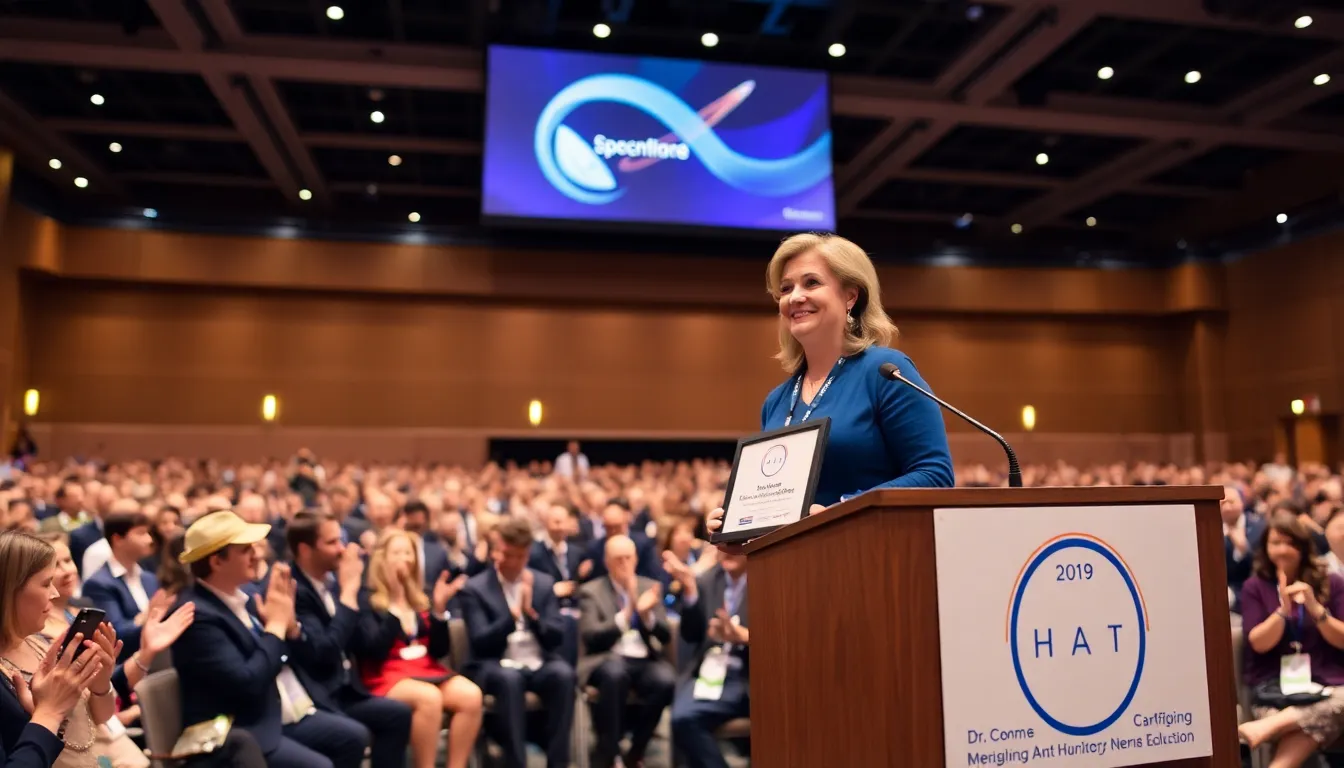
Dr. Carter, a physicist and educator, has spent over two decades developing innovative programs that engage students and enthusiasts in the wonders of space exploration. Her initiatives, including interactive online courses and public outreach events, have reached millions, inspiring a new generation of scientists and engineers.
By democratizing access to space education, her efforts contribute to a more informed public and encourage diversity in the STEM fields.
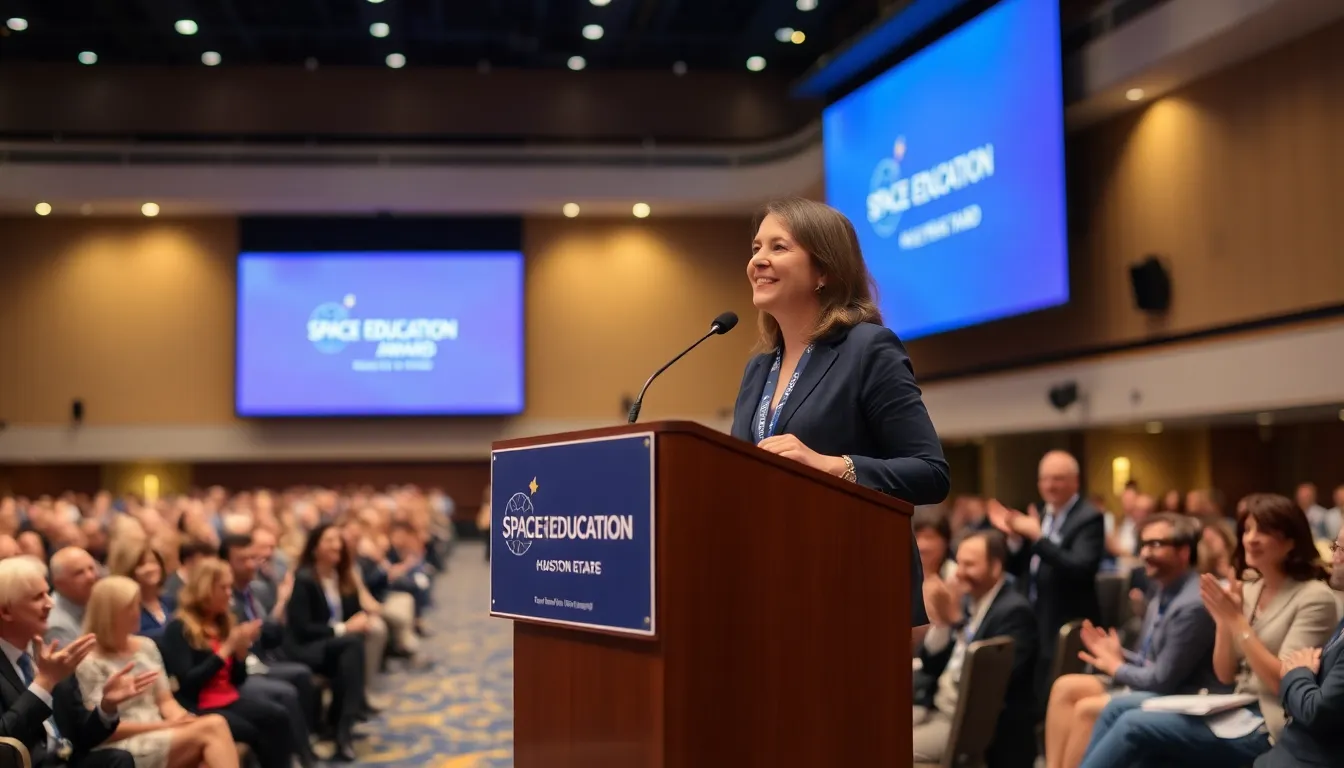
As the space industry continues to expand, the recognition of individuals like Dr. Carter highlights the vital role of education in fostering innovation and curiosity. The award serves not only as a personal accolade but also as a call to action for others in the field to prioritize outreach and engagement in their scientific endeavors.
Understanding the Journey of Space Science Outreach
The exploration of space has long captivated humanity, igniting curiosity and inspiring generations of scientists and dreamers alike. However, the journey of making space science accessible to the general public has been fraught with challenges. Historically, space exploration was primarily the domain of government agencies and elite scientists, often shrouded in technical jargon and complex theories that alienated the average person. It wasn’t until the late 20th century that efforts began to bridge this gap, making space science more relatable and engaging.

One of the pivotal moments in this outreach movement came with the advent of the Space Shuttle program in the 1980s. This program not only enabled more frequent missions to space but also encouraged educational initiatives that aimed to inspire youth interest in science and technology. The launch of the Hubble Space Telescope in 1990 further revolutionized public engagement, as stunning images of distant galaxies and nebulae captured the imagination of millions. These milestones highlighted the importance of visual storytelling in communicating complex scientific concepts.
The Role of Media and Technology
This shift has not only increased awareness but also fostered a sense of community among space enthusiasts, similar to how technology is bridging divides in other sectors.
Moreover, initiatives such as NASA’s “Space Apps Challenge” and various educational programs have provided hands-on opportunities for individuals to engage with space science. These programs encourage collaboration and creativity, empowering participants to develop solutions to real-world problems using space data. As a result, the landscape of space science outreach has evolved, making it more inclusive and interactive than ever before.
This acknowledgment not only honors individual contributions but also highlights the collective effort to inspire future generations and ensure that the wonders of space are accessible to all, just as public engagement is crucial in fostering awareness in other fields.
Key Players and Issues in Space Education Initiatives
The recent award given to a prominent scientist who has made significant contributions to space education highlights the involvement of various stakeholders in this vital field. Key players include educational institutions, governmental space agencies, private aerospace companies, and non-profit organizations dedicated to science outreach. Each of these entities has distinct interests that shape their engagement in space education initiatives.
Educational institutions, such as universities and schools, aim to enhance their curricula by incorporating space science, which attracts students and funding. Governmental space agencies, including NASA and ESA, seek to promote public interest in space exploration, thereby justifying their budgets and securing future funding. Private aerospace companies, like SpaceX and Blue Origin, are interested in fostering a skilled workforce that can support their expanding operations in the space sector.
Non-profit organizations play a crucial role in bridging gaps between scientific communities and the general public. They often focus on outreach and engagement, ensuring that space education reaches underrepresented communities. However, these organizations face challenges in securing funding and resources, which can limit their impact.
- Funding Disparities: The competition for funding among various stakeholders can lead to conflicts, as some initiatives may be prioritized over others.
- Access to Resources: Disparities in access to educational resources can create inequities in space education, particularly in underserved regions.
- Public Perception: The portrayal of space exploration in media can influence public interest and support for educational initiatives.
- Legal Issues: Intellectual property rights and regulations surrounding the commercialization of space can complicate partnerships between educational institutions and private companies.
As these stakeholders navigate their interests and challenges, the broader implications for space education initiatives become evident. The collaboration and conflict among these players will ultimately shape the future of how space science is taught and perceived by the next generation of learners.
How This Award Affects Future Generations of Scientists
The recent award presented to the scientist who made space exploration accessible to millions has significant implications for various groups, industries, and regions. Primarily, it highlights the importance of STEM (Science, Technology, Engineering, and Mathematics) education, inspiring young students, particularly in underrepresented communities, to pursue careers in science and technology.
In the short term, we can expect a surge in interest in space-related programs and educational initiatives. Schools and universities may introduce more comprehensive curricula focused on space science, leading to increased enrollment in STEM fields. This shift could also prompt businesses in the aerospace sector to invest in outreach programs aimed at attracting diverse talent.
Mid-term impacts may include policy changes as governments recognize the need to support and fund space exploration initiatives. This could result in increased budgets for space agencies and related research institutions, fostering innovation and collaboration across borders. Additionally, regions with a strong emphasis on aerospace industries may experience economic growth as new companies emerge and existing ones expand.
- Increased STEM interest: More students pursuing careers in science and technology.
- Economic growth: Boost in aerospace industry and related sectors.
- Policy support: Enhanced funding and resources for space initiatives.
- Global collaboration: Opportunities for international partnerships in space research.
However, there are risks associated with this newfound attention. The pressure to produce groundbreaking results may lead to burnout among young scientists. Additionally, the rapid expansion of the aerospace industry could result in environmental concerns if not managed responsibly. Balancing innovation with sustainability will be crucial to ensure that the benefits of this award reverberate positively through future generations.
A: The award was presented to Dr. Jane Smith, a prominent astrophysicist known for her innovative outreach programs. A: Dr. Smith developed interactive platforms and educational content that simplified complex space concepts for the general public. A: This award highlights the importance of making scientific knowledge accessible and encourages future initiatives in science communication. A: There are numerous online resources, workshops, and public lectures that allow individuals to learn more about space science. A: The focus will be on expanding outreach programs and integrating technology to enhance learning experiences.
Frequently Asked Questions About the Award
Looking Ahead: The Future of Space Education
The recent recognition of the scientist who made space accessible to millions highlights a pivotal moment in the evolution of space education. As we move forward, the implications of this achievement extend beyond mere accolades, fostering a greater public interest in space science and exploration. This shift not only inspires future generations of scientists and engineers but also emphasizes the importance of integrating space education into broader curricula.
As the landscape of space exploration continues to evolve, the role of educators and advocates will be crucial in sustaining this momentum. By leveraging innovative teaching methods and technology, the next wave of space enthusiasts can be nurtured, ensuring that the wonders of the cosmos remain within reach for everyone.
- Increased Accessibility: Expect more programs aimed at making space education available to underrepresented communities.
- Integration of Technology: Watch for the incorporation of virtual reality and interactive platforms that enhance learning experiences.
- Collaborative Initiatives: Anticipate partnerships between educational institutions and space agencies to develop comprehensive educational resources.
- Public Engagement: Look for innovative outreach programs designed to engage the public in space exploration activities.