
The accused, identified as a 26-year-old individual, was apprehended in a foreign country after a series of online scams that allegedly involved unauthorized access to Jungkook’s personal accounts. For more insights on the impact of such events in the entertainment industry, see our article on The Interview.
This incident underscores the ongoing issue of cybercrime, particularly within the entertainment industry. As celebrities become increasingly reliant on digital platforms for communication and engagement with fans, they also become prime targets for malicious actors seeking to exploit their fame for financial gain.
Authorities are now focusing on the legal proceedings surrounding the extradited suspect, which may set a precedent for how similar cases are handled in the future. The outcome of this case could also influence public discourse on cybersecurity measures and the responsibility of social media platforms in protecting users from such threats.
Understanding the background of the hacking incident involving Jungkook
The recent extradition of an alleged scammer linked to a hacking attempt on BTS star Jungkook highlights the growing concerns around celebrity privacy and cybercrime. This evolution of fan interaction underscores a significant shift, similar to what was discussed regarding the AI guidelines at Cannes Film Festival.

The hacking incident reportedly occurred as part of a broader trend of cyber intrusions targeting celebrities and their personal information. High-profile cases in the past, such as the 2014 iCloud hack that exposed private photos of numerous celebrities, have raised alarm bells about the effectiveness of digital security measures. This incident serves as a reminder that even the most famous individuals are not immune to the threats posed by skilled cybercriminals.
The rise of cybercrime in the entertainment industry
As the entertainment industry increasingly relies on digital platforms for marketing and fan engagement, it has inadvertently become a prime target for cybercriminals. The financial incentives associated with hacking, such as identity theft and ransom demands, have led to a surge in these activities, highlighting a need for better security measures to protect fan interactions, similar to concerns raised by MPs regarding data privacy.
Additionally, the legal frameworks surrounding cybercrime vary significantly across countries, complicating efforts to prosecute offenders. The extradition of the alleged scammer underscores the international nature of cybercrime and the need for collaboration between law enforcement agencies worldwide. As this case unfolds, it may set important precedents for how similar incidents are handled in the future.
In conclusion, the hacking attempt on Jungkook serves as a critical reminder of the vulnerabilities present in the digital age, particularly for those in the public eye. As technology continues to evolve, both celebrities and their supporters must remain vigilant against the ever-present threat of cybercrime.
Examining the implications for fans and the entertainment industry
The recent extradition of an alleged scammer linked to a hacking attempt on BTS star Jungkook has raised significant concerns among fans and stakeholders in the entertainment sector. This incident not only highlights the vulnerabilities of high-profile individuals in the digital age but also underscores the broader implications for security and trust within the industry.

Key actors in this scenario include the South Korean government, law enforcement agencies, the management team of BTS, and the fans themselves. The government’s interest lies in maintaining national security and protecting its cultural exports, while law enforcement aims to uphold the law and deter future cybercrimes. BTS’s management is focused on safeguarding their artists and maintaining their reputation, while fans are concerned about the safety and privacy of their idols.
Conflicts may arise between the need for stringent security measures and the right to privacy for both artists and their fans. The entertainment industry must balance the implementation of robust security protocols with the desire for accessibility and engagement with their audience. Additionally, there is a trade-off between the economic benefits of online interactions and the potential risks associated with hacking and scams.
- Legal issues: The extradition process raises questions about international law and jurisdiction in cybercrime cases.
- Economic impact: Increased security measures may lead to higher operational costs for entertainment companies.
- Fan trust: Incidents like this can erode fan trust, impacting artist-fan relationships and future engagement.
- Industry standards: This case may prompt a reevaluation of security standards across the entertainment industry.
- Public perception: How the situation is handled could influence public perception of both the artist and the industry as a whole.
As the situation unfolds, stakeholders will need to navigate these complexities carefully to ensure the safety of artists while maintaining the connection with their fan base. The outcome of this case may set important precedents for how the entertainment industry addresses cybersecurity issues moving forward.
The potential impact on celebrity security measures and fan interactions
The recent extradition of an alleged scammer following a hacking attempt on BTS star Jungkook has raised significant concerns across various groups, particularly within the entertainment industry and the fan communities. Celebrities, their management teams, and fans are all affected by the implications of this incident, which highlights vulnerabilities in digital security and the potential for exploitation by malicious actors.
In the short term, celebrities may increase their security measures, leading to heightened scrutiny of personal data and online interactions. This could result in more stringent privacy policies implemented by agencies and record labels, aiming to protect their artists from similar threats. Fans might experience changes in how they interact with their idols, with possible restrictions on access during events or meet-and-greets.

Mid-term impacts could include a shift in industry practices regarding digital security. Increased investment in cybersecurity solutions may be seen as a necessary step to safeguard not only the artists but also their fanbase. This could lead to a boom in the cybersecurity sector, presenting opportunities for tech companies specializing in protective measures against hacking and online scams.
- Increased security measures for celebrities and their teams.
- Changes in fan engagement methods, possibly reducing direct interactions.
- Growth in cybersecurity industry as demand for protection rises.
- Policy changes regarding data protection and privacy in entertainment.
While the risks associated with hacking attempts are significant, there is also potential for innovation in how artists connect with their fans. Enhanced digital platforms that prioritize security could emerge, providing safer environments for fan interactions. This incident could ultimately lead to a more secure and responsible approach to celebrity engagement in the digital age.
A: The hacking attempt involved unauthorized access to Jungkook’s personal information, raising serious security concerns. A: The alleged scammer is a person accused of attempting to exploit Jungkook’s fame for financial gain through hacking. A: The extradition may lead to criminal charges in the destination country, highlighting the seriousness of cyber crimes. A: The incident has prompted discussions about the safety of celebrities and the need for better security measures. A: Authorities and entertainment companies are reviewing security protocols to protect celebrities from similar threats in the future.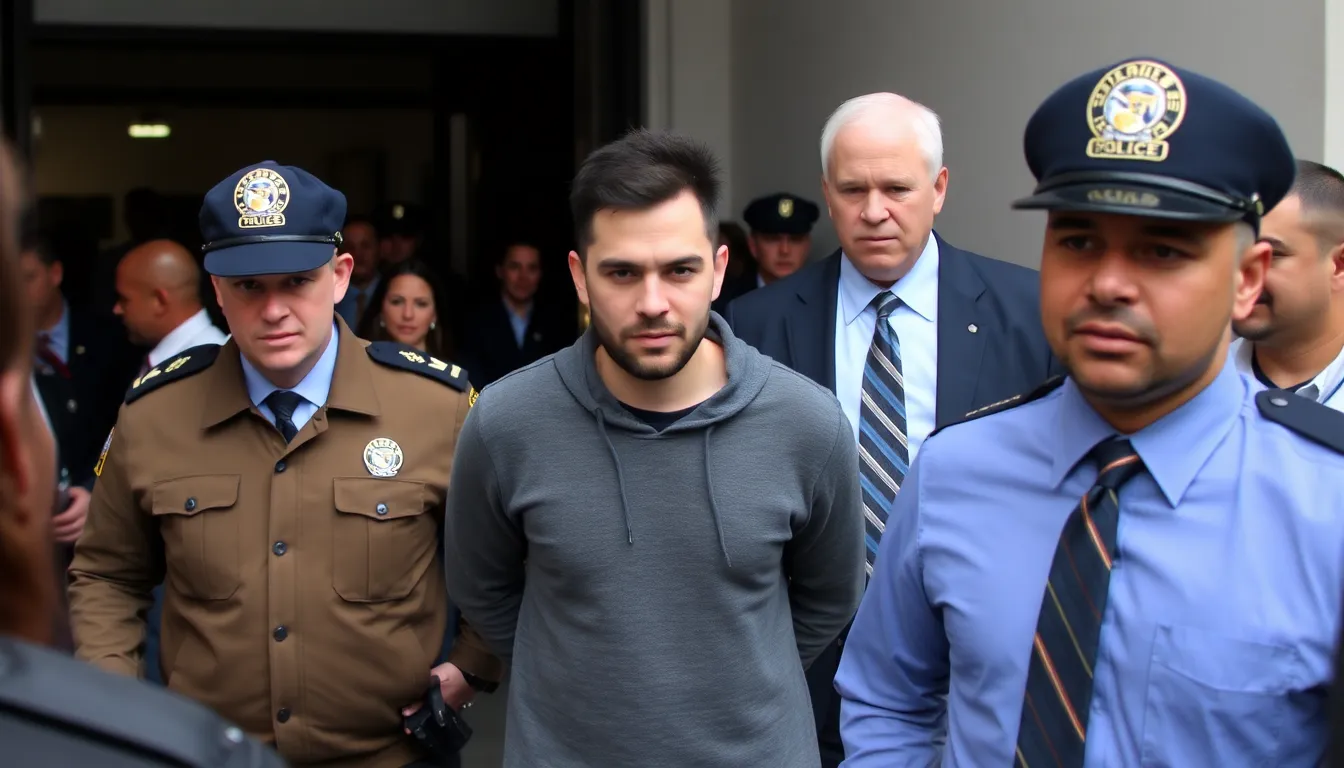
Frequently asked questions regarding the incident
Key takeaways and future outlook on celebrity security
The extradition of the alleged scammer involved in the hacking attempt on BTS star Jungkook highlights significant vulnerabilities in celebrity security systems. This incident not only raises concerns about the safety of public figures but also underscores the necessity for enhanced protective measures in the digital age. As celebrities increasingly rely on online platforms for engagement with fans, the risks associated with hacking and scams are becoming more pronounced.
Moving forward, it is crucial for the entertainment industry and security experts to collaborate on developing robust strategies that can safeguard personal information and digital assets. This case serves as a reminder of the growing intersection between technology and personal safety, prompting a reevaluation of existing protocols.
- Increased investment in cybersecurity measures for celebrities and public figures.
- Collaboration between tech companies and law enforcement to track and prevent online scams.
- Heightened awareness and training for celebrities on digital security practices.
- Potential legislative changes aimed at protecting individuals from online harassment and scams.
- Development of more secure platforms for fan interaction to mitigate risks.