
At the center of the trial are allegations from Musk that OpenAI has deviated from its original mission to ensure safe and beneficial AI, as discussed in our article on Understanding Microsoft’s Influence on OpenAI. Musk’s legal team argues that the organization has become too commercialized, prioritizing profit over ethical considerations. This claim raises essential questions about the responsibilities of AI developers in ensuring their technologies do not pose risks to society.
Key witnesses have been called to testify, including former OpenAI executives and AI ethics experts. Their testimonies aim to shed light on the decision-making processes within the organization and the potential impact of its advancements on the future of artificial intelligence. The trial is expected to last several weeks, with both sides presenting extensive evidence and expert opinions. Further insights can be found in our coverage of Weather Service Faces Urgent Need to Rehire Ahead of Storm Season.
The outcome of this trial could have far-reaching implications for the tech industry and AI regulations. As AI technologies become increasingly integrated into various sectors, the court’s decision may influence how companies approach ethical standards and accountability. Observers are closely monitoring the developments, recognizing that the verdict could set a precedent for future cases involving AI and intellectual property disputes.
Understanding the background of the trial
The ongoing legal battle involving Elon Musk and OpenAI has roots that stretch back to the early days of artificial intelligence development. As technology rapidly advanced, the potential for AI to impact various sectors became increasingly apparent. Musk, a prominent figure in the tech world, co-founded OpenAI in 2015 with the intention of promoting and developing friendly AI that benefits humanity. However, tensions began to surface as the organization evolved and Musk’s vision for AI diverged from OpenAI’s operational strategies.
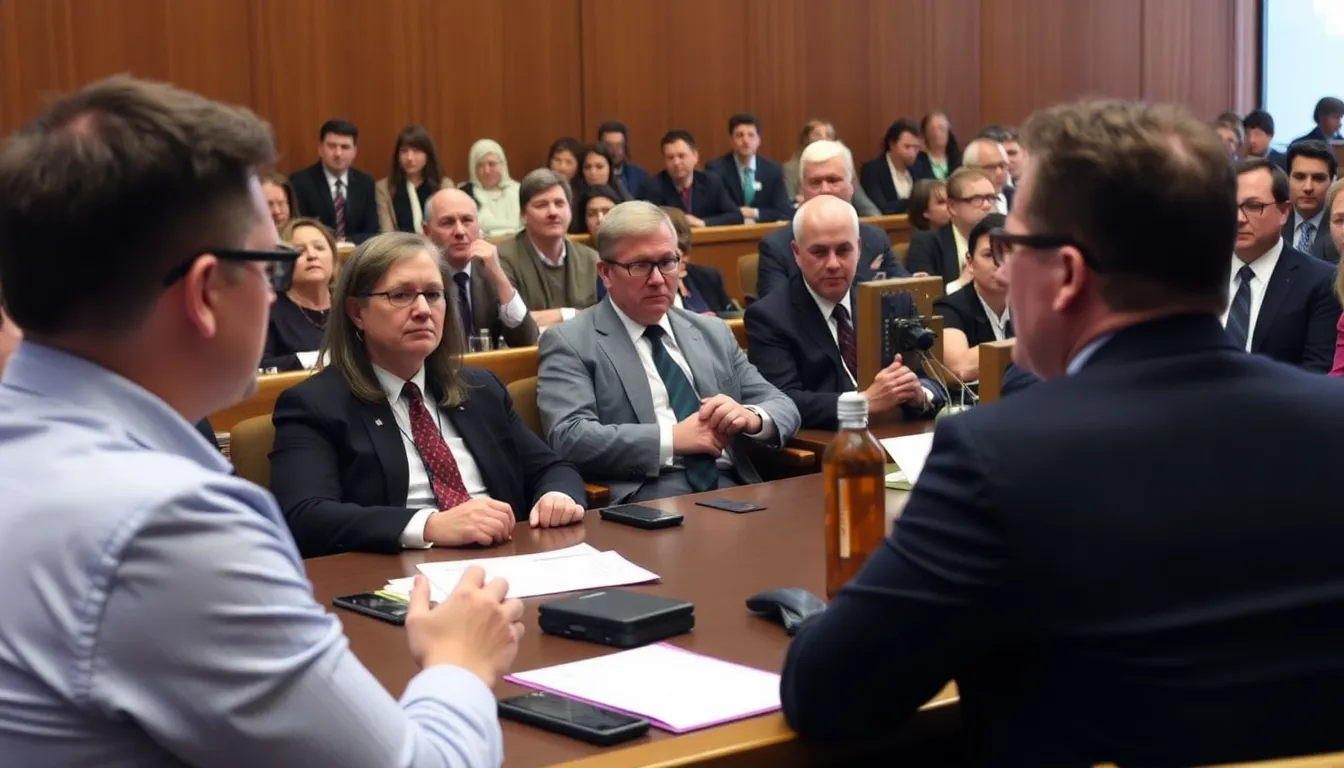
In 2018, Musk stepped down from OpenAI’s board, citing potential conflicts of interest with his other ventures, particularly Tesla’s AI initiatives. This decision marked a turning point, as Musk’s public statements about AI began to take on a more cautionary tone, warning of its potential dangers. The divergence in perspectives between Musk and OpenAI’s leadership set the stage for the current courtroom drama, as Musk’s criticisms of the organization’s direction raised questions about its governance and ethical considerations.
Key Milestones in AI Development
Several key milestones have shaped the landscape of AI and influenced the current trial. The launch of OpenAI’s GPT-2 in 2019 demonstrated the capabilities of advanced language models, sparking debates about their implications for misinformation and societal impact. Following this, the release of GPT-3 further solidified OpenAI’s position as a leader in AI research, while also intensifying scrutiny over the ethical ramifications of such powerful technologies, akin to discussions in The Reality of Teamfight and 2XKO’s Future.
As AI became a focal point of political discourse, regulatory discussions emerged regarding the need for oversight and accountability in AI development. Musk’s advocacy for safety measures has often clashed with OpenAI’s more liberal approach to innovation, leading to a public rift that is now being examined in court. The trial not only addresses personal grievances but also reflects broader societal concerns about the trajectory of AI and its governance.
Key stakeholders and issues at play in the courtroom
The courtroom surrounding the trial between Elon Musk and OpenAI features a complex web of stakeholders, each with distinct interests and motivations. At the forefront is Elon Musk, the co-founder of OpenAI, who has expressed concerns over the direction of artificial intelligence development and its implications for society. Musk’s interest lies in ensuring that AI technologies are developed responsibly and ethically, reflecting his long-standing advocacy for safety in AI.
OpenAI itself is a critical stakeholder, representing a coalition of researchers, developers, and investors who are focused on advancing artificial intelligence while adhering to safety protocols. Their interest is to defend their practices and maintain their reputation as a leader in ethical AI development amidst growing scrutiny and competition in the tech industry.
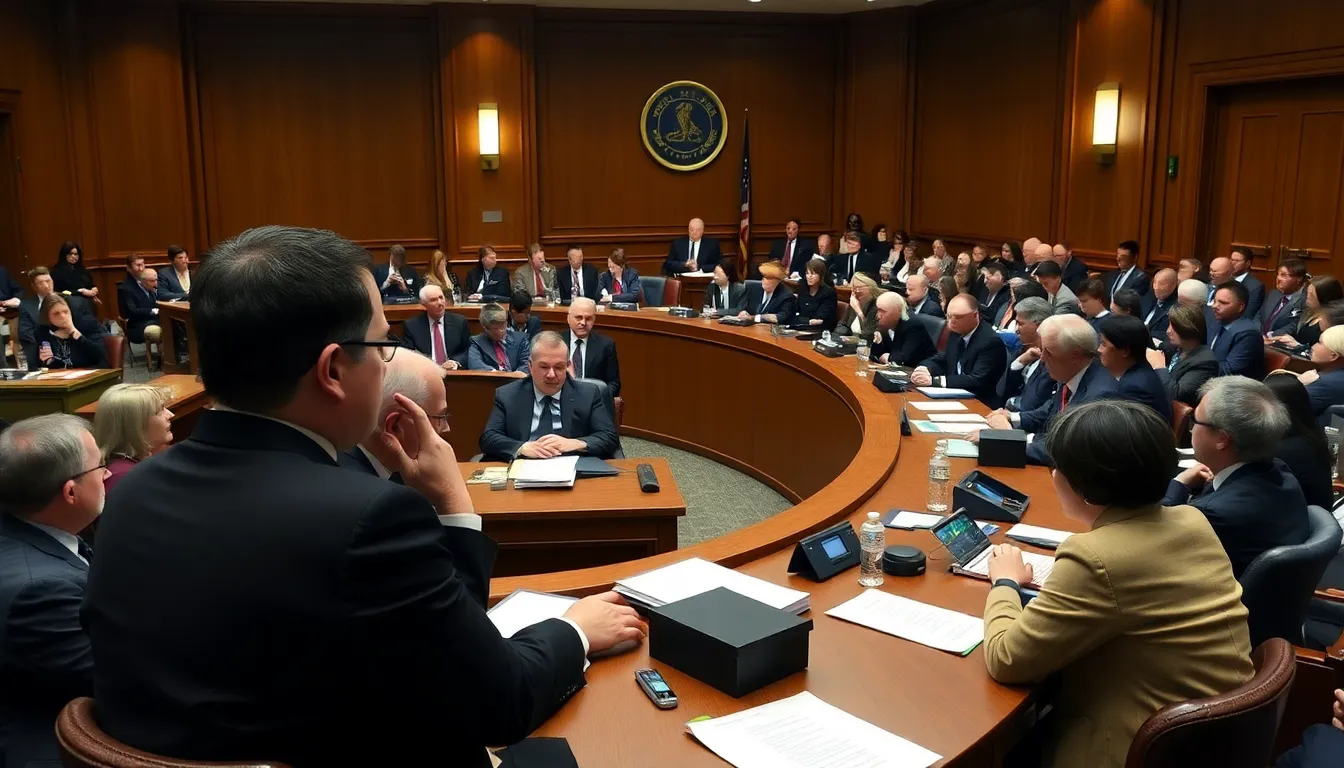
Additionally, regulatory bodies and governments are involved, as the trial touches on broader legal and economic issues related to technology regulation. These entities are concerned with establishing frameworks that govern AI development, ensuring that innovations do not compromise public safety or ethical standards. The outcome of this trial could set significant precedents for how AI is regulated in the future.
- Conflict of Interests: Musk’s push for stringent AI regulations may clash with OpenAI’s more progressive development strategies.
- Legal Precedents: The case could establish important legal standards regarding accountability in AI technologies.
- Economic Implications: The trial may influence investment in AI startups, affecting market dynamics and innovation.
- Public Perception: The trial’s outcome could shape public trust in AI, impacting consumer acceptance and usage.
- Global Standards: International implications may arise, as countries look to the trial for guidance on their own AI regulations.
Who is affected by the trial and its market implications
The ongoing trial involving Elon Musk and OpenAI is poised to impact a diverse range of stakeholders, including technology companies, investors, policymakers, and the general public. As the trial unfolds, the implications of the case could reshape the landscape of artificial intelligence and its governance, affecting how AI technologies are developed and utilized across various sectors.
In the short term, businesses that rely heavily on AI technologies may experience uncertainty, leading to hesitancy in investment and innovation. Companies in the tech industry, particularly those developing AI applications, could face increased scrutiny regarding their practices and ethical considerations. This could result in a temporary slowdown in AI advancements as organizations await clearer regulatory guidelines.
Mid-term impacts may include shifts in policy as governments and regulatory bodies respond to the trial’s outcomes. Enhanced regulations surrounding AI safety and ethics could emerge, prompting companies to adapt their business models accordingly. This could lead to increased compliance costs but also foster a more responsible approach to AI development.
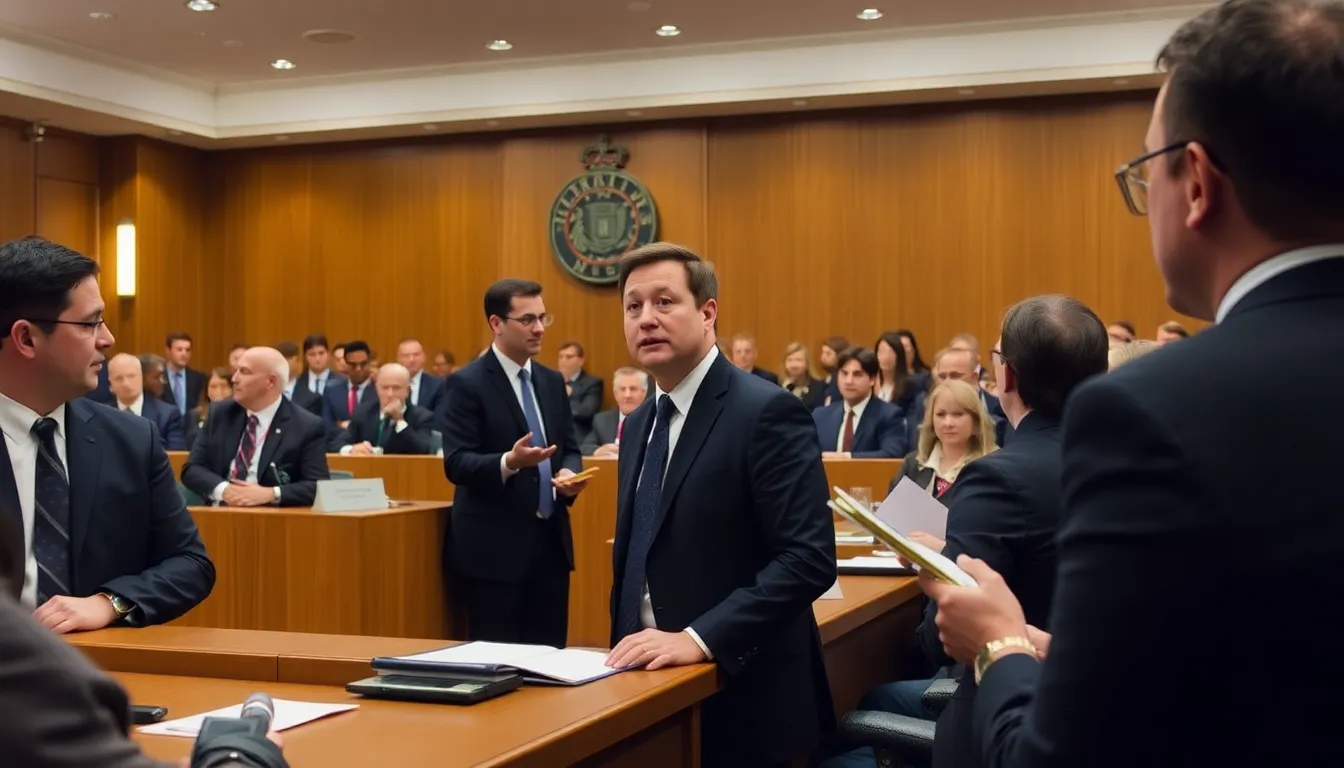
- Risks: Increased regulatory scrutiny may hinder innovation.
- Opportunities: Companies that prioritize ethical AI practices may gain a competitive advantage.
- Impact on investment: Uncertainty could deter investment in AI startups.
Moreover, the trial’s implications extend beyond the tech industry. Sectors such as healthcare, finance, and education that increasingly rely on AI solutions could find themselves navigating a transformed regulatory environment. As a result, businesses in these areas might need to reassess their strategies to align with new standards, creating both challenges and avenues for growth.
A: The trial primarily revolves around allegations regarding intellectual property and the ethical implications of AI development. It raises questions about accountability in tech innovations. A: Key stakeholders include Elon Musk, OpenAI executives, legal representatives, and various tech industry experts who may provide insights on AI ethics. A: Depending on the verdict, the trial could set significant precedents for intellectual property rights and ethical standards in AI, influencing future regulations and company practices. A: If OpenAI loses, they may face financial penalties and stricter oversight, which could hinder their operational capabilities and innovation efforts. A: The trial’s timeline is still uncertain, but it is anticipated to last several weeks, with a verdict expected by the end of the proceedings.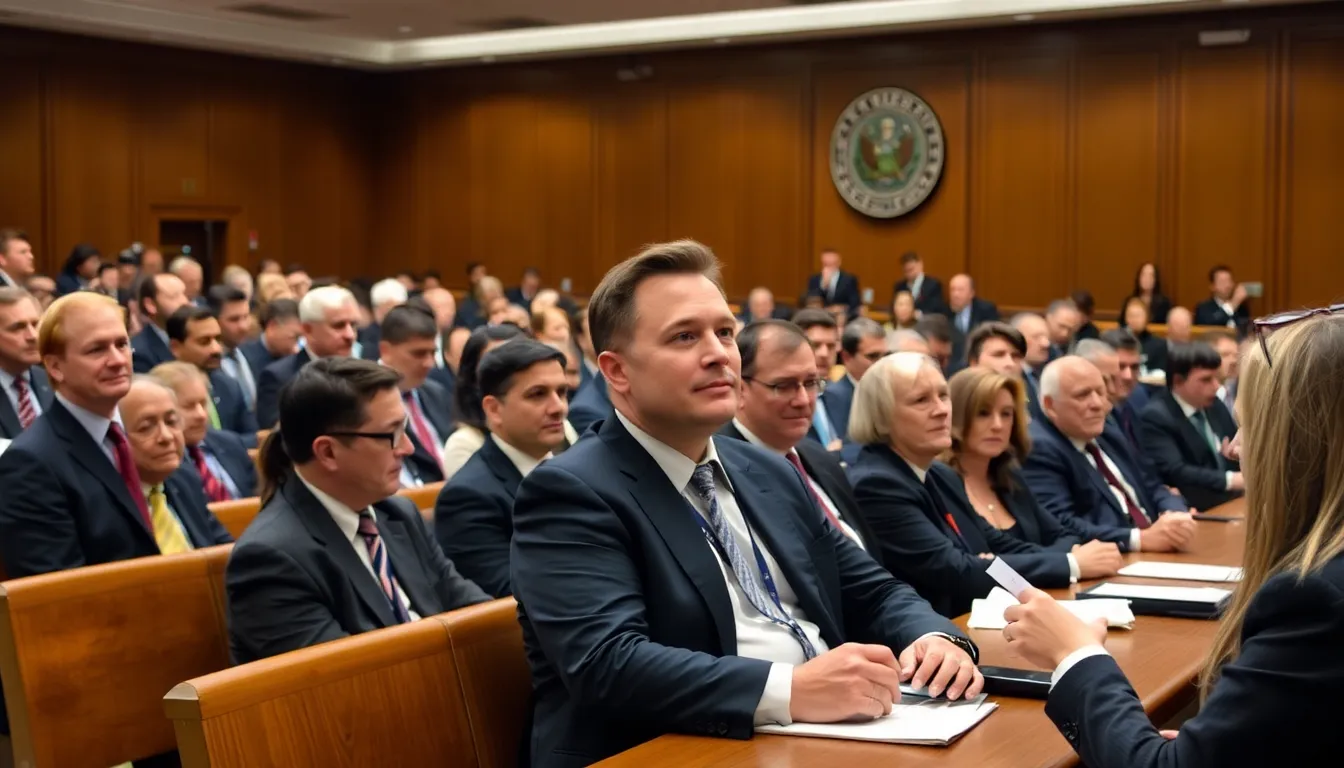
Frequently asked questions about the trial
Key takeaways and future outlook on the trial
The trial involving Elon Musk and OpenAI marks a significant moment in the ongoing dialogue about the ethical implications of artificial intelligence and the responsibilities of its creators. As the courtroom proceedings unfold, they provide a window into the complex interplay between innovation, regulation, and accountability in the tech industry. Observers are keenly watching how the outcomes may influence future AI governance and corporate practices.
As the case progresses, it is essential to consider the broader ramifications for stakeholders, including investors, developers, and policymakers. The trial serves as a reminder of the precarious balance between technological advancement and societal impact, prompting a reevaluation of existing frameworks governing AI development.
- Watch for potential shifts in regulatory approaches to AI as the trial highlights the need for clearer guidelines.
- Consider the implications for corporate accountability and transparency in tech companies, particularly those involved in AI.
- Monitor how the outcomes may influence public perception of AI and its role in society.
- Stay informed on the reactions from investors and the tech community, which could shape future funding and innovation strategies.