
Trump’s statements come as he campaigns for a potential return to the presidency in the 2024 elections, aiming to sway public opinion amidst rising discontent over fuel prices. For a deeper understanding of his political journey, you can explore our article on Trump’s recent trade negotiations with the EU.
Economic analysts, however, present a more nuanced picture. While some sectors continue to show growth, the escalating fuel costs are contributing to broader inflationary pressures that affect consumer spending and business operations. The Federal Reserve is closely monitoring these developments, as they may influence future monetary policy decisions aimed at stabilizing the economy.
The situation has also prompted bipartisan discussions in Congress regarding potential measures to alleviate the burden on consumers. Proposals range from suspending federal gas taxes to exploring alternative energy sources. As fuel prices remain a critical issue, the debate over economic policies and their impact on everyday Americans is likely to intensify in the coming months.
Understanding the background of fuel costs and economic indicators
Fuel costs have long been a critical factor in shaping the economic landscape of the United States. Historically, fluctuations in oil prices have had profound impacts on consumer behavior, inflation rates, and overall economic growth. The oil crises of the 1970s, for instance, led to widespread economic turmoil, prompting shifts in energy policies and consumer habits. Understanding the current situation requires a look back at these pivotal moments that have influenced both the market and public perception of economic stability.
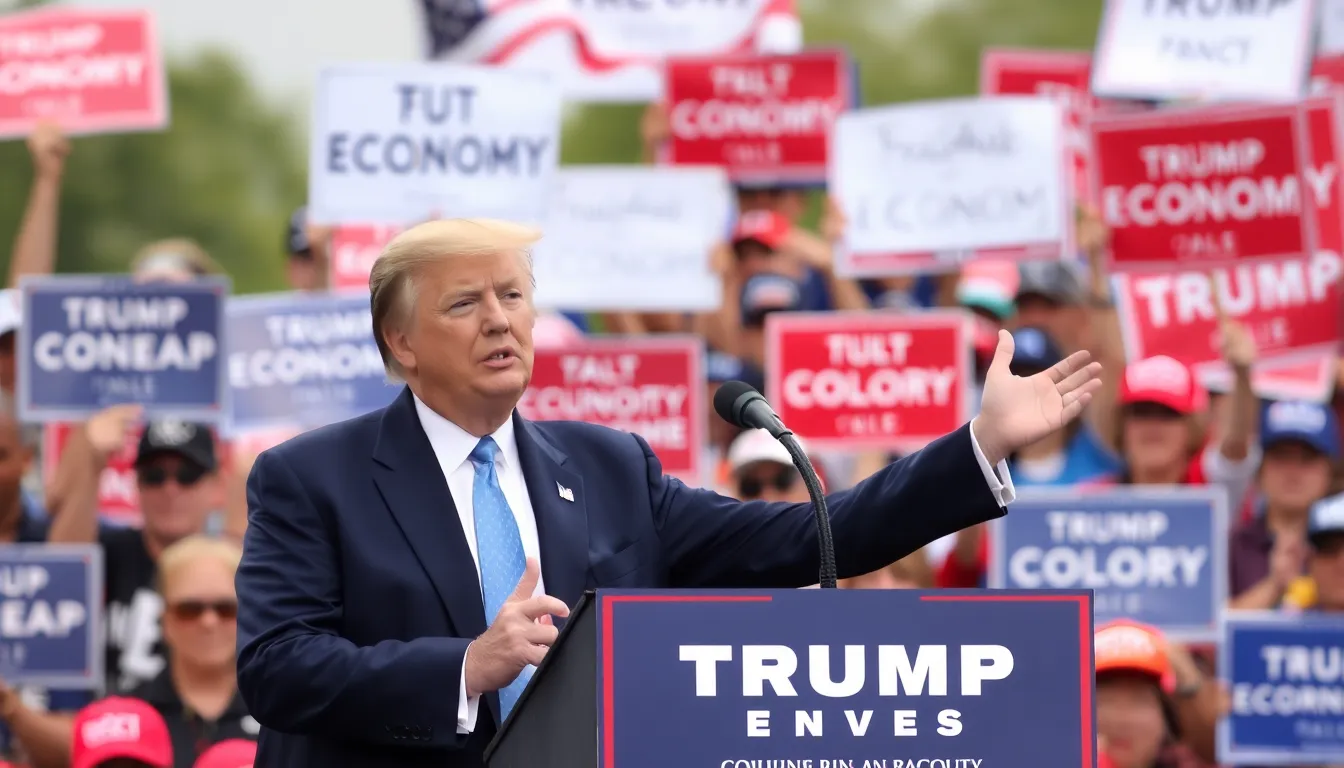
As prices at the pump rise, many Americans are feeling the pinch, leading to debates about the strength of the economy and the effectiveness of current policies. This sentiment mirrors the discussions surrounding national economic performance seen in regions like Thailand, which you can read more about in our article on Thailand’s divisive political landscape.
Amid this backdrop, former President Donald Trump has been vocal in his assertion that the economy remains strong, despite the rising fuel costs. This stance aligns with his administration’s previous focus on deregulation and energy independence, which he argues have laid the groundwork for economic resilience. Trump’s comments reflect a broader political strategy that seeks to reassure voters about the economy’s health, even as they grapple with immediate financial pressures.
The Political Landscape
The political implications of fuel costs and economic indicators cannot be overstated. As fuel prices rise, they often become a focal point for political discourse, influencing voter sentiment and campaign strategies. The current environment sees both parties grappling with how to address these rising costs while maintaining their narratives about economic performance. This dynamic is particularly relevant as the nation approaches key elections, where economic issues are likely to play a decisive role in shaping voter decisions.
Analyzing Trump’s economic assertions and public response
As fuel costs continue to rise, former President Donald Trump’s insistence that the economy remains strong has sparked a multifaceted debate among various stakeholders. Key actors in this scenario include the Trump administration, current government officials, economists, and the general public, each with differing interests and perspectives on the economic landscape.
Trump, representing a segment of the electorate that prioritizes job growth and stock market performance, argues that despite rising fuel prices, the overall economic indicators remain robust. His supporters often view these assertions as a reflection of his previous economic policies, which they believe contributed to low unemployment rates and a booming stock market during his presidency.
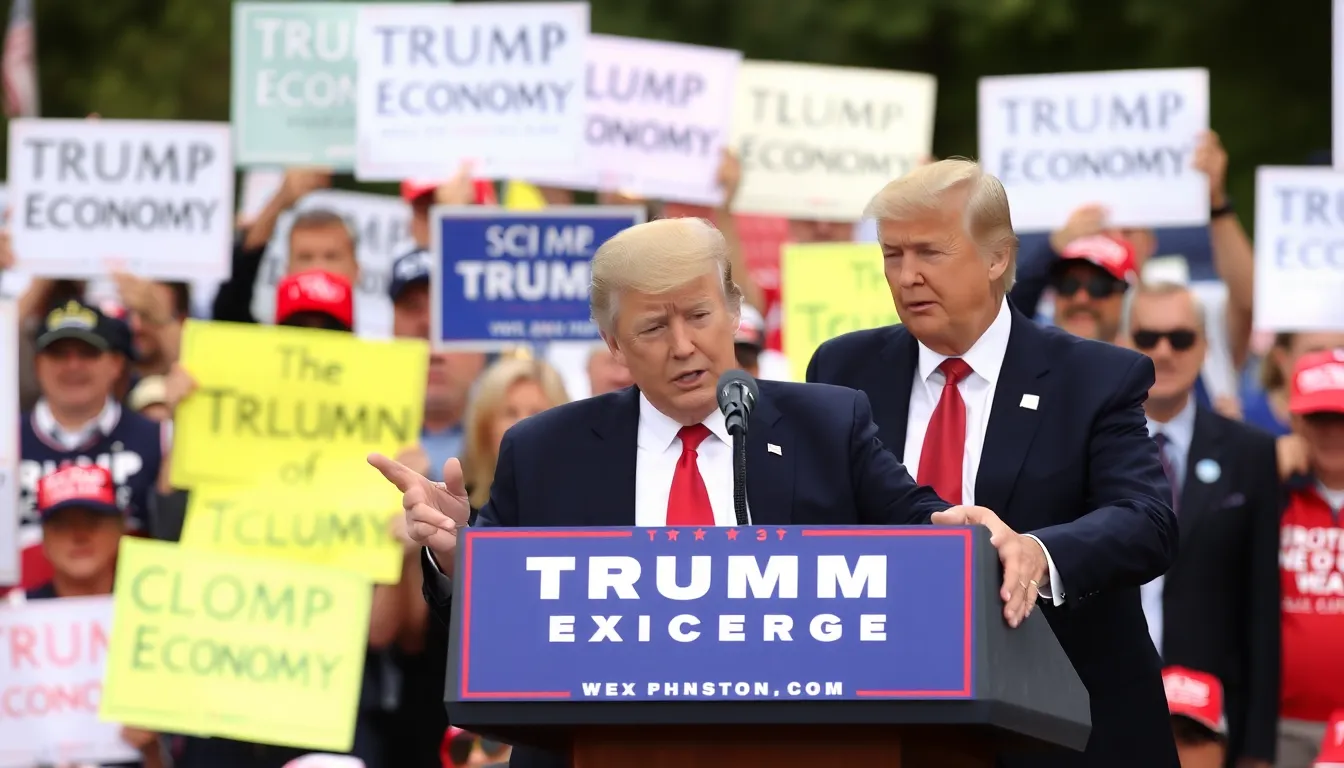
On the other hand, current government officials and economic analysts express concerns regarding the sustainability of such optimism. Rising fuel costs can lead to increased prices across various sectors, potentially stifling consumer spending and impacting overall economic growth. This divergence of views highlights a significant conflict between political narratives and economic realities.
- Fuel Prices: The surge in fuel prices directly affects consumers and businesses, leading to increased transportation costs and inflationary pressures.
- Public Sentiment: Voters’ perceptions of the economy are shaped by their personal experiences with rising costs, influencing their political choices.
- Policy Responses: Government responses to inflation and fuel costs, such as potential subsidies or tax adjustments, can create trade-offs between short-term relief and long-term fiscal health.
- Interest Groups: Organizations representing various industries may lobby for policies that either alleviate fuel costs or address the broader economic impacts.
As stakeholders navigate these challenges, the discourse surrounding Trump’s claims will likely continue to evolve, reflecting the broader economic conditions and public sentiment. The ongoing analysis of such political narratives can be likened to the dynamics faced in sports sectors, as discussed in our piece about Fnatic’s playoff strategies.
Who is affected by rising fuel prices and economic statements
As fuel costs continue to rise, various groups and industries are feeling the impact of these economic changes. Consumers, particularly those living in rural areas, are facing higher transportation costs, which can strain household budgets. Additionally, industries heavily reliant on fuel, such as transportation, logistics, and agriculture, are experiencing increased operational costs that may lead to higher prices for goods and services.
In the short term, businesses may struggle to absorb these costs, leading to potential layoffs or reduced hours for employees. As fuel prices rise, consumers may cut back on discretionary spending, which can slow down economic growth. Regions that depend on tourism may also suffer, as higher travel costs deter visitors.
In the mid-term, policymakers may respond to rising fuel prices by implementing subsidies or incentives for alternative energy sources. This could create opportunities for companies in the renewable energy sector, fostering innovation and investment in sustainable practices. However, the transition may be uneven, with some regions benefiting more than others.
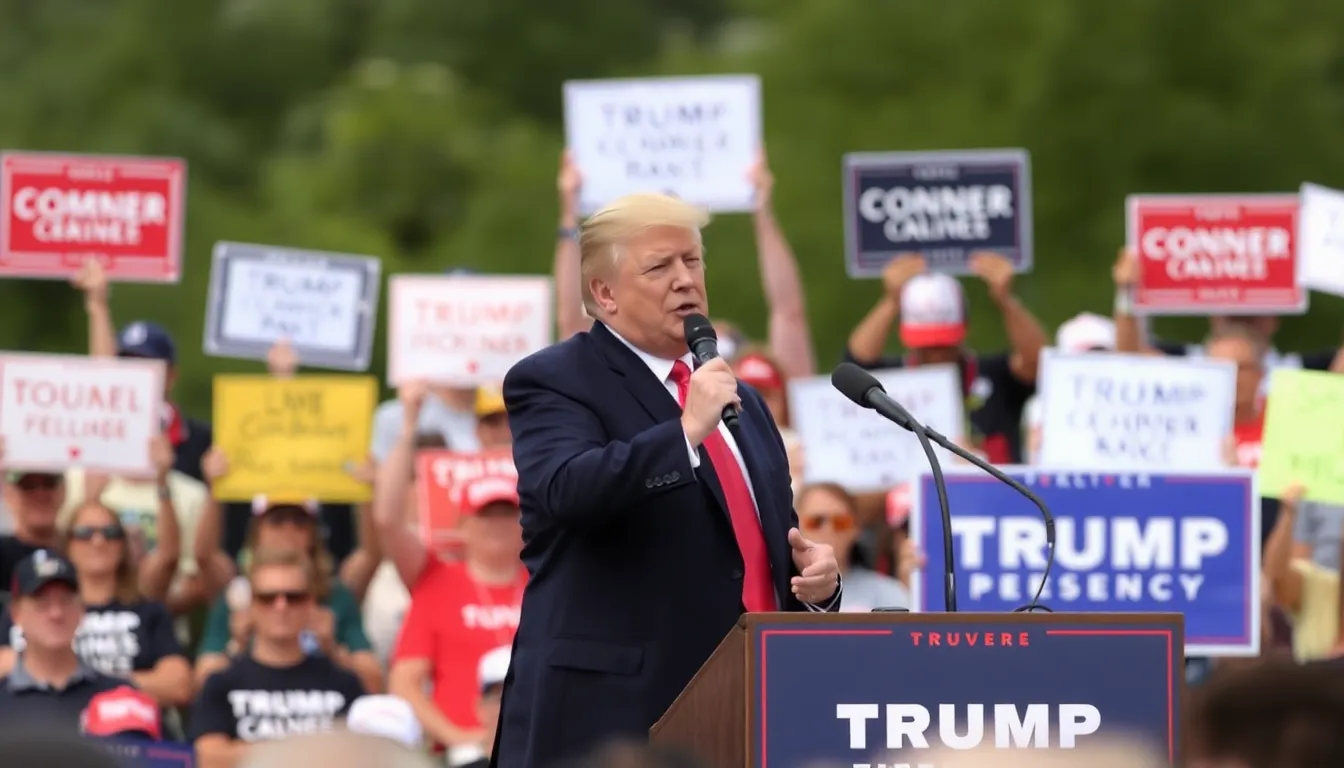
- Transportation Sector: Increased costs may lead to higher shipping fees and product prices.
- Agriculture: Farmers may face rising costs for fuel and transportation of goods.
- Consumers: Households may experience a decrease in disposable income due to higher fuel prices.
- Policy Responses: Potential government interventions could impact market dynamics.
While rising fuel prices pose significant risks to many sectors, they also present opportunities for innovation and shifts towards more sustainable practices. The balance between these risks and opportunities will shape the economic landscape in the coming months and years.
A: Fuel prices are influenced by various factors including global oil supply, geopolitical tensions, and demand fluctuations. Recent events have led to disruptions in supply chains, contributing to rising costs. A: Trump cites low unemployment rates and stock market performance as indicators of a strong economy. He argues that these factors outweigh the negative impacts of rising fuel prices. A: Economists are divided; some agree with Trump’s assessment while others warn that rising fuel costs could lead to inflation and affect consumer spending. A: Increased fuel prices can lead to higher costs for goods and services, affecting household budgets and overall economic confidence among consumers. A: Governments can explore options such as reducing taxes on fuel, increasing domestic production, or promoting alternative energy sources to alleviate the burden on consumers.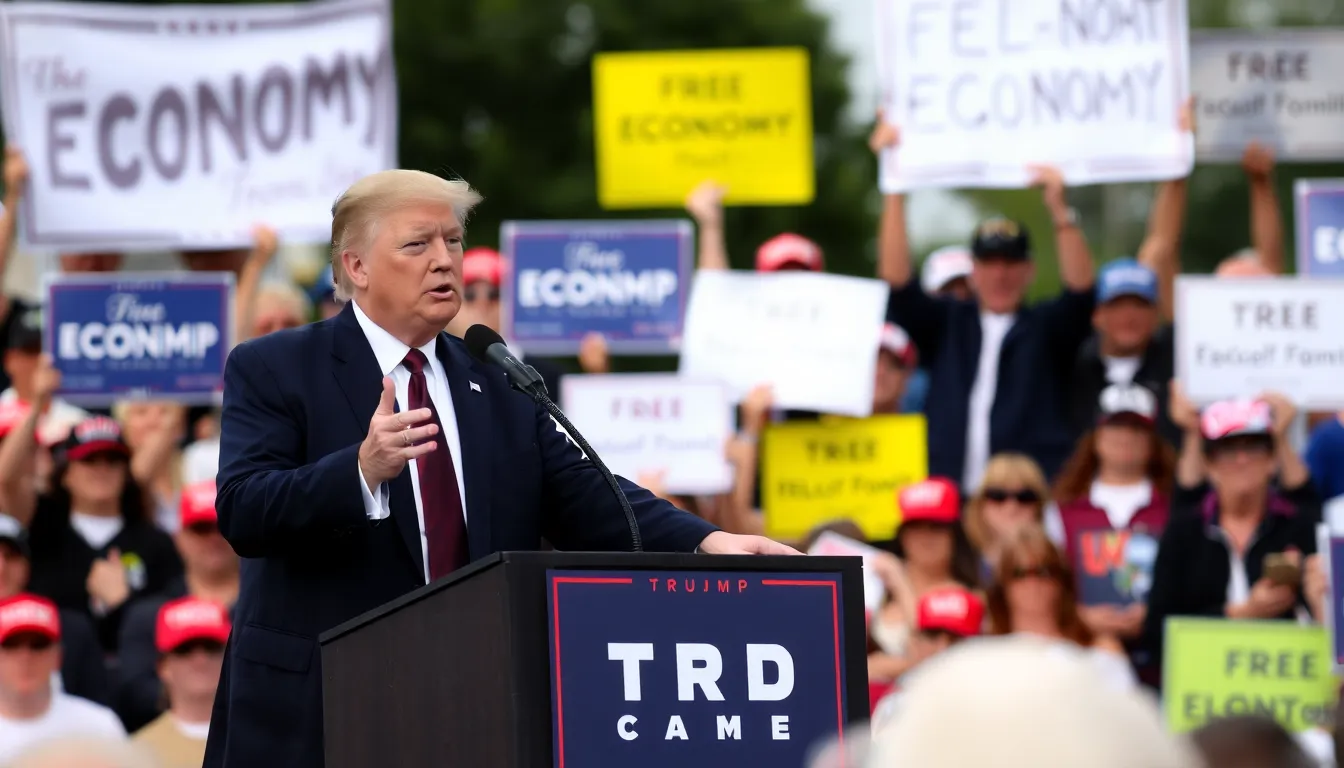
Frequently asked questions about fuel costs and the economy
Key takeaways and future outlook on the economy
As fuel prices continue to rise, the assertion from former President Trump that the economy remains strong presents a complex picture. While certain economic indicators may suggest resilience, the impact of escalating fuel costs on consumer behavior and inflation cannot be overlooked. Stakeholders must remain vigilant as these dynamics unfold, potentially influencing both short-term and long-term economic strategies.
Looking ahead, the interplay between fuel prices and overall economic health will be crucial to monitor. Policymakers, businesses, and consumers alike will need to adapt to the shifting landscape, considering both immediate and future implications of rising energy costs.
- Watch for changes in consumer spending patterns as fuel prices affect disposable income.
- Monitor government responses to inflationary pressures, particularly regarding energy policies.
- Keep an eye on the job market, as rising costs may influence hiring and wage growth.
- Consider the potential for increased investment in alternative energy sources as a response to fuel volatility.
- Evaluate the broader economic impacts on sectors heavily reliant on transportation and logistics.