
However, the negotiations are encountering skepticism from lawmakers who are concerned about potential monopolistic practices and the implications for media diversity. Legislative scrutiny has intensified as various stakeholders voice their apprehensions regarding the impact of such a merger on consumer choice and market dynamics. For more on market dynamics, check out this article on US and India trade deal.
In recent hearings, key lawmakers have raised questions about the deal’s potential to stifle competition and limit opportunities for smaller content creators. Netflix’s leadership is actively working to address these concerns, emphasizing the benefits of the merger in terms of job creation and enhanced content offerings.
As the discussions progress, the timeline for finalizing the deal remains uncertain, with both parties aiming to navigate the regulatory landscape carefully. The outcome of this negotiation could significantly reshape the streaming industry, influencing how content is produced and distributed in the coming years.
Understanding the backdrop of the Netflix and Warner negotiations
The entertainment landscape has undergone significant transformation over the past two decades, driven largely by technological advancements and changing consumer preferences. Netflix, which began as a DVD rental service in 1997, has evolved into a dominant player in the streaming industry, revolutionizing how audiences consume content. This shift has not only disrupted traditional media companies but has also prompted a series of mergers and acquisitions as industry players seek to adapt to the new digital era.
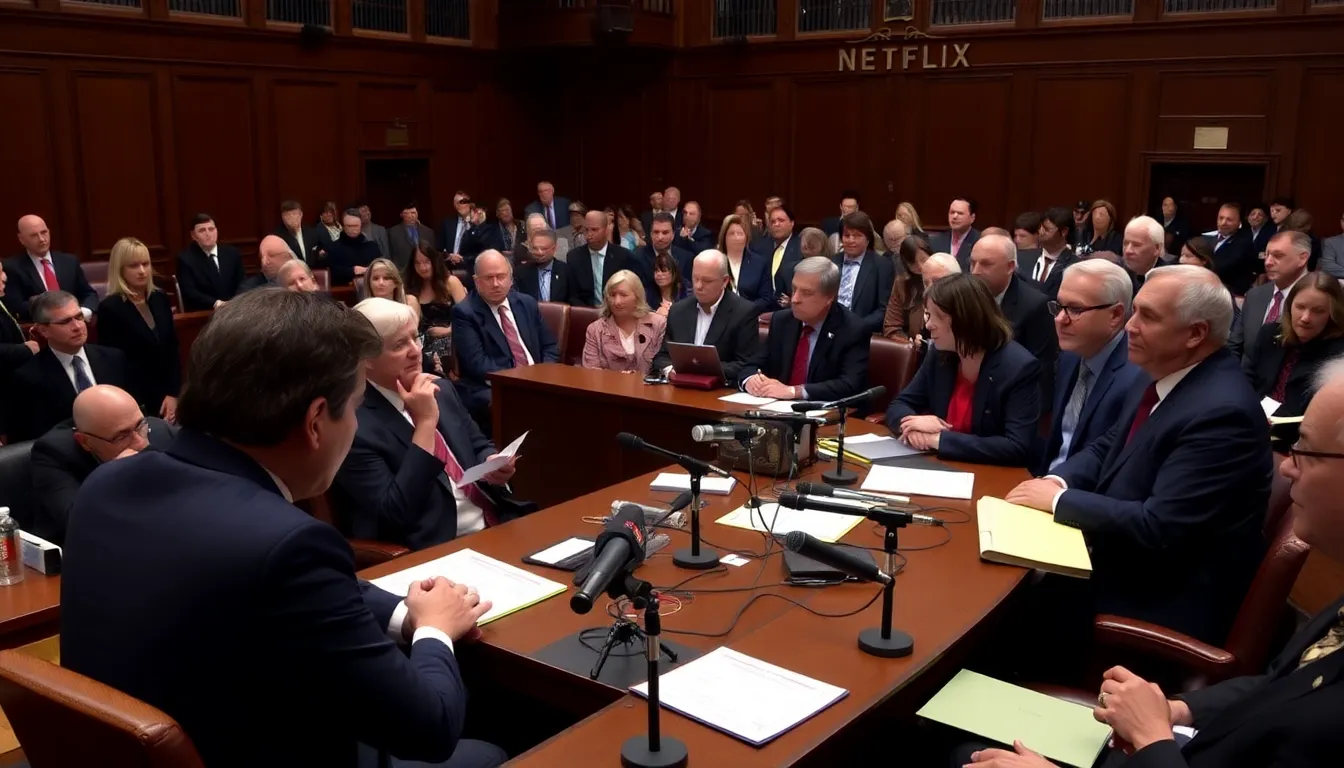
In recent years, Warner Bros. Discovery has faced its own set of challenges, grappling with a massive debt load and the need to streamline operations. The merger of WarnerMedia and Discovery Inc. in 2022 aimed to create a more competitive entity in the streaming wars, but the integration process has been fraught with difficulties. As Warner seeks to bolster its content offerings and improve its financial standing, discussions with Netflix have emerged as a potential lifeline, similar to how Asda is working to regain its competitive edge.
The Role of Lawmakers
The negotiations between Netflix and Warner are not just corporate maneuvers; they also attract the attention of lawmakers who are increasingly concerned about market monopolies and the implications for consumer choice. Historically, mergers in the entertainment sector have faced scrutiny under antitrust laws, as regulators aim to prevent the concentration of power that could stifle competition. This backdrop of regulatory oversight complicates the discussions, as both companies must navigate the political landscape while pursuing a deal that could reshape the industry.
Key milestones leading up to this moment include the launch of Disney+ and the subsequent rise of other streaming services, which have intensified competition. As Netflix and Warner explore potential collaborations, the stakes are high, not only for their respective futures but also for the broader media ecosystem. The outcome of these negotiations could set a precedent for future partnerships in an industry still grappling with the fallout from rapid digital transformation.
Key stakeholders and issues surrounding the Warner deal
The ongoing discussions regarding Netflix’s push for a deal with Warner involve several key stakeholders, each with distinct interests and concerns. At the forefront is Netflix, represented by its leadership team, which aims to expand its content library and bolster its competitive edge in the streaming market. The deal could potentially provide Netflix with access to a vast array of Warner’s intellectual properties, enhancing its offerings to subscribers.
On the other side, Warner Bros. Discovery, the parent company of Warner, holds significant leverage in these negotiations. Their leadership is tasked with evaluating the financial implications of such a deal, considering both the potential for increased revenue and the risks associated with parting with valuable content. Additionally, the interests of shareholders must be factored in, as they seek assurance that any agreement will ultimately benefit the company’s bottom line.
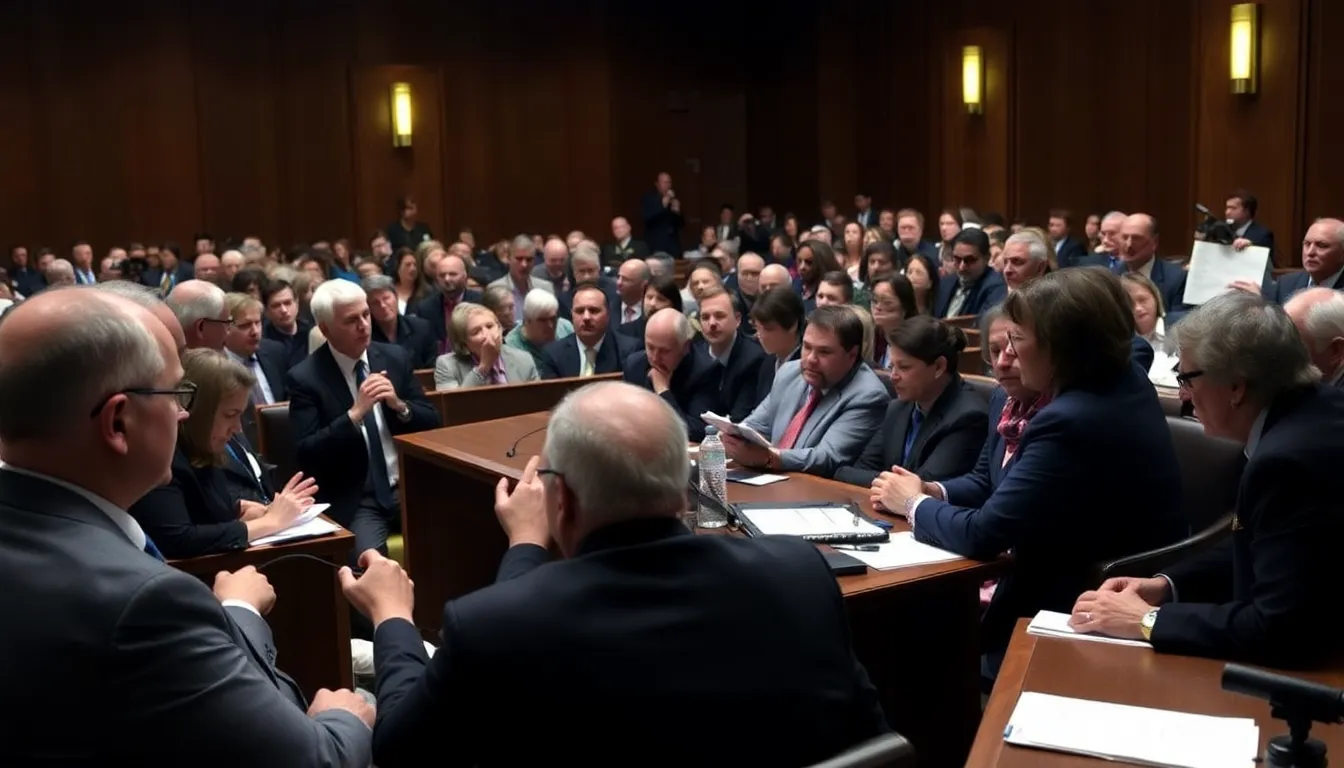
Furthermore, lawmakers and regulatory bodies are crucial stakeholders in this scenario. Given the increasing concentration of media ownership, there are concerns about monopolistic practices and the impact on consumer choice. Lawmakers may scrutinize the deal to ensure it complies with antitrust regulations and does not stifle competition within the industry.
- Content Access: Netflix aims to secure a diverse range of titles from Warner to attract and retain subscribers.
- Financial Viability: Warner must assess the economic benefits of the deal against potential losses in content revenue.
- Regulatory Scrutiny: Lawmakers are focused on preventing monopolistic practices and ensuring fair competition in the streaming sector.
- Consumer Impact: The deal’s outcome will likely affect pricing and availability of content for consumers.
- Shareholder Interests: Both companies must align the deal with the expectations and demands of their respective shareholders.
In summary, the negotiations between Netflix and Warner are complex, involving a web of interests that span corporate strategy, regulatory compliance, and consumer rights. Understanding these dynamics is essential for grasping the broader implications of the proposed deal, much like the concerns raised about social media in the recent TikTok lawsuit.
Potential effects on the media market and consumers
The proposed Warner deal, championed by Netflix leadership, has the potential to significantly affect various groups, including media companies, consumers, and lawmakers. The deal could reshape the competitive landscape of the streaming industry, impacting how content is produced and distributed across platforms.
In the short term, consumers may experience changes in subscription models and content availability. If the deal goes through, it could lead to a more consolidated media environment where fewer companies control a larger share of content. This could result in higher subscription prices as competition diminishes, affecting households that rely on streaming services for entertainment.
From a business perspective, the deal presents both risks and opportunities. On one hand, it could streamline content creation and distribution, allowing for more efficient operations and potentially better-quality productions. On the other hand, it raises concerns about monopolistic practices and the potential for reduced diversity in programming, which could alienate niche audiences.
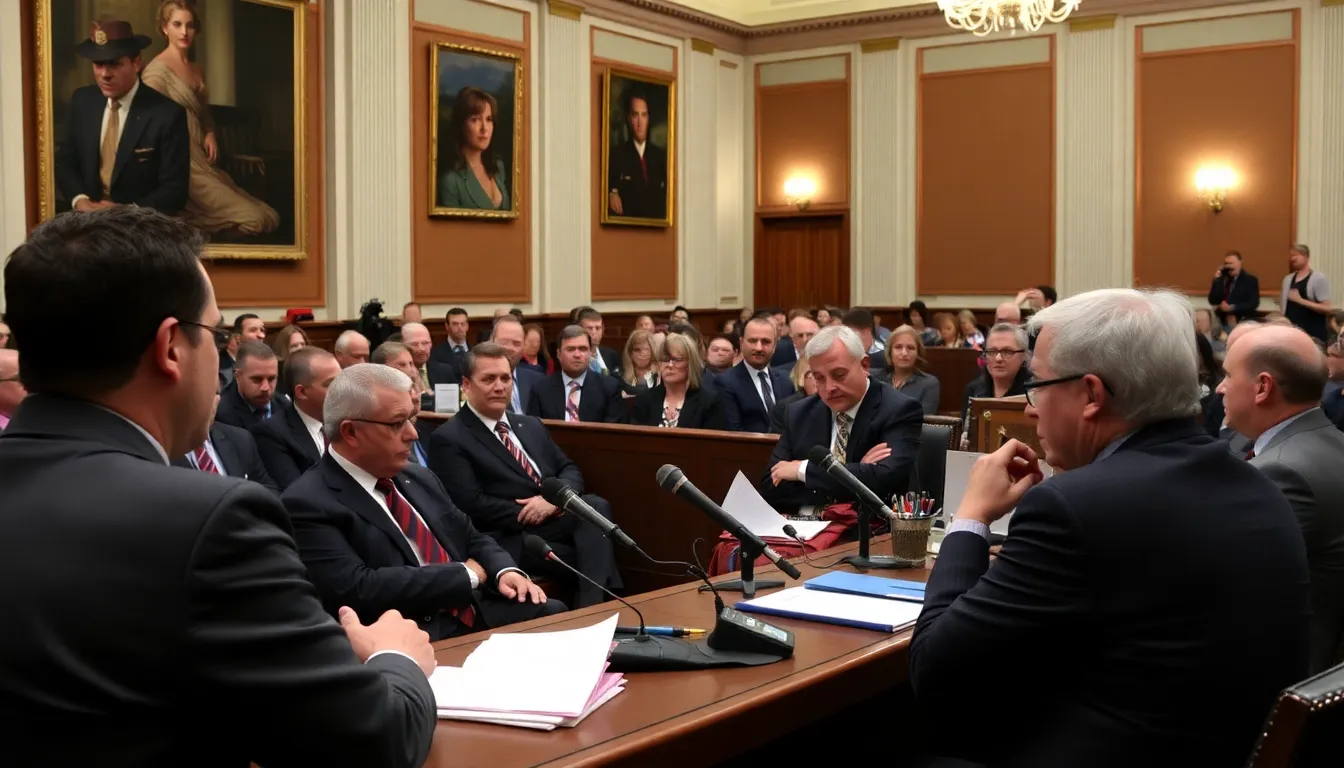
- Short-term impacts: Changes in subscription prices and content availability for consumers.
- Mid-term impacts: Potential consolidation of media companies affecting competition and diversity in programming.
- Opportunities: Enhanced efficiency in content production and distribution.
- Risks: Increased monopolistic practices leading to a lack of diverse content and higher costs for consumers.
Regions heavily reliant on media production, such as Hollywood, could see shifts in employment and investment patterns. As companies consolidate, smaller production houses may struggle to compete, leading to job losses and a reduction in local economic activity. Conversely, larger entities may invest more in high-quality content, benefiting certain sectors within the industry.
A: Netflix aims to expand its content library and strengthen its market position by acquiring Warner’s assets, which could enhance its competitive edge. A: Lawmakers are concerned about potential monopolistic practices and the impact on consumer choice in the media landscape, leading to calls for thorough regulatory review. A: If approved, the deal could lead to a wider variety of content available on Netflix, but it may also raise subscription prices due to increased operational costs. A: Netflix will need to engage with lawmakers and regulatory bodies to address concerns and secure the necessary approvals for the deal to proceed. A: This deal could set a precedent for future mergers and acquisitions in the streaming space, influencing how companies approach growth and competition.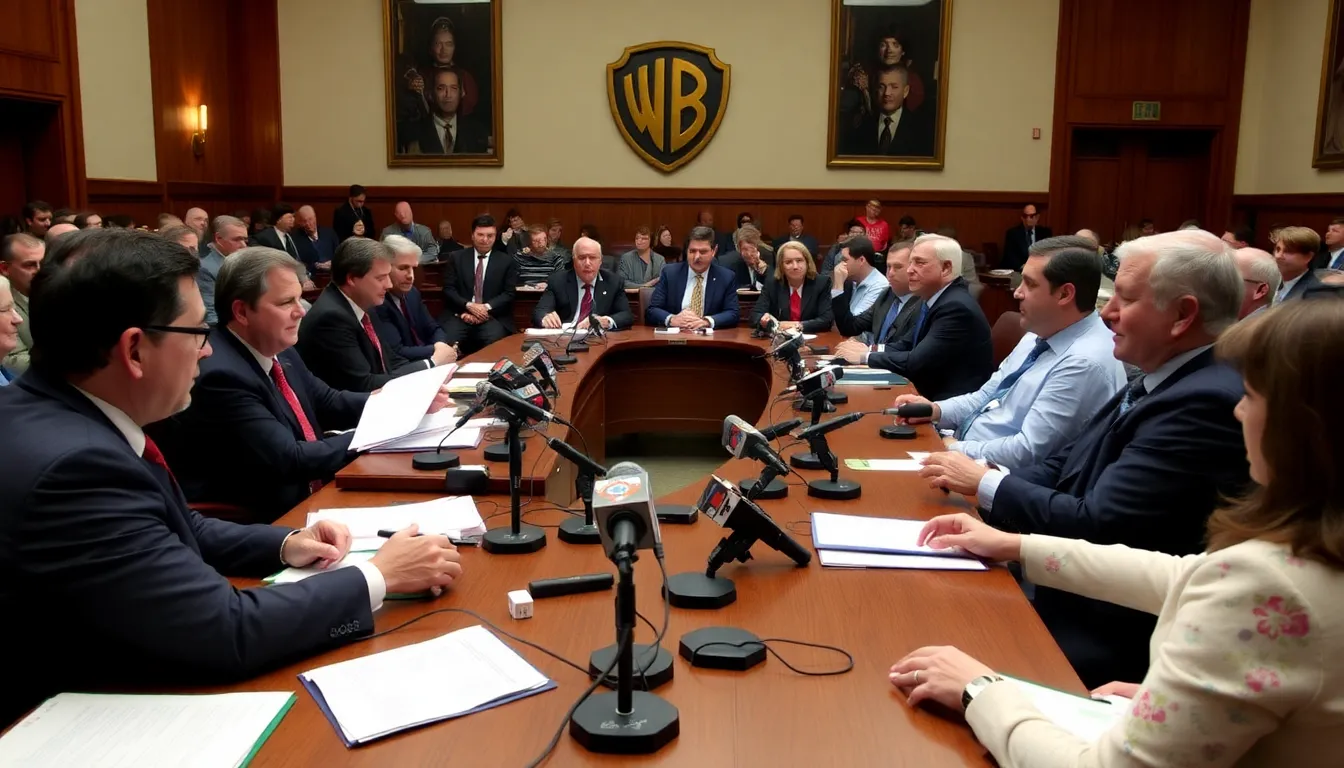
Frequently asked questions about the Netflix and Warner deal
Outlook on the future of the Netflix and Warner partnership
The ongoing negotiations between Netflix and Warner Bros. present a complex landscape that could reshape the streaming industry. As Netflix’s leadership advocates for a strategic partnership, the skepticism from lawmakers highlights the regulatory challenges that could arise. This scenario underscores the need for both companies to navigate not only market dynamics but also the political environment surrounding media consolidation.
As the discussions progress, stakeholders should closely monitor the potential implications for content creation, distribution strategies, and competitive positioning within the streaming sector. The outcome of these negotiations may set a precedent for future collaborations in an increasingly crowded market.
- The partnership could enhance Netflix’s content library, providing unique offerings that attract new subscribers.
- Regulatory scrutiny may lead to stricter guidelines for media mergers, influencing future deals across the industry.
- Lawmakers’ concerns could prompt Netflix and Warner to adopt more transparent business practices to gain public trust.
- Increased competition from other streaming platforms may push Netflix and Warner to innovate their content delivery and user engagement strategies.