
The trade deal is expected to address various sectors, including agriculture, technology, and pharmaceuticals, aiming to reduce tariffs and enhance market access for both countries. For a deeper insight into the complexities of such negotiations, you may find our article on Trump’s warnings regarding trade relations with China informative.
This agreement comes at a time when both nations are looking to bolster their economies in the wake of the COVID-19 pandemic. The collaboration between the two countries could lead to significant economic growth and job creation, similar to the implications discussed in our recent piece about Trump’s increased tariffs for South Korea.
As the details of the trade deal continue to emerge, experts are closely monitoring its implications for global trade dynamics. The partnership between the US and India is seen as a counterbalance to China’s growing influence in the region, highlighting the strategic importance of this agreement for both countries.
Background on US-India trade relations and previous negotiations
The trade relationship between the United States and India has evolved significantly over the past few decades. Historically, the two nations have shared a complex relationship influenced by a variety of factors including geopolitical interests, economic policies, and social dynamics. The end of the Cold War marked a turning point, as both countries began to explore opportunities for collaboration, leading to the establishment of a strategic partnership in the late 1990s.
In the early 2000s, trade between the US and India began to expand rapidly, with both countries recognizing the potential benefits of economic cooperation. However, despite the growth in trade, several challenges have persisted, including tariffs, intellectual property rights, and market access, issues that also resonate with the current focus on green technology, as highlighted in our article on UK investments in solar and green technology.
Key milestones in US-India trade negotiations
One of the significant milestones in US-India trade relations came in 2016, when the two countries launched the “Bilateral Trade and Investment Agreement” discussions. This initiative aimed to address various trade barriers and enhance economic cooperation. However, progress has been slow, and negotiations have faced setbacks, particularly during the Trump administration, which adopted a more protectionist stance.
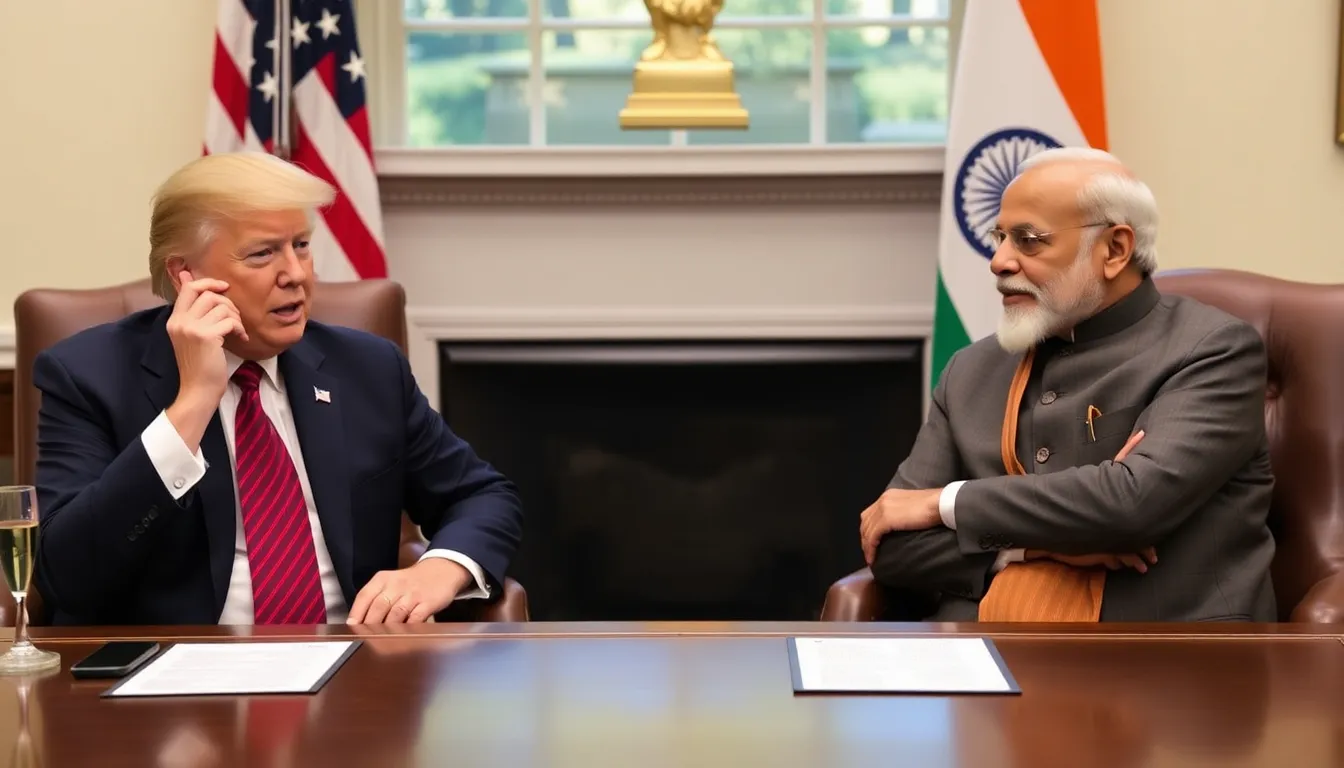
In recent years, both nations have sought to resolve outstanding issues through dialogue. The call between President Trump and Prime Minister Modi signifies a renewed commitment to advancing trade relations. This development comes amid a backdrop of changing global trade dynamics and the need for both countries to bolster their economies in light of the ongoing challenges posed by the COVID-19 pandemic.
As the US and India work towards finalizing a trade deal, it is essential to consider the broader implications of such an agreement. Strengthening trade ties could not only enhance economic growth but also solidify strategic partnerships in the Indo-Pacific region, which is increasingly vital in the context of rising geopolitical tensions.
Key stakeholders and issues surrounding the trade agreement
The recent trade deal between the United States and India has drawn attention from various stakeholders, each with distinct interests and concerns. At the forefront are the leaders of both nations: U.S. President Donald Trump and Indian Prime Minister Narendra Modi. Their engagement in discussions signifies a mutual desire to strengthen economic ties, but it also highlights underlying tensions and competing priorities.
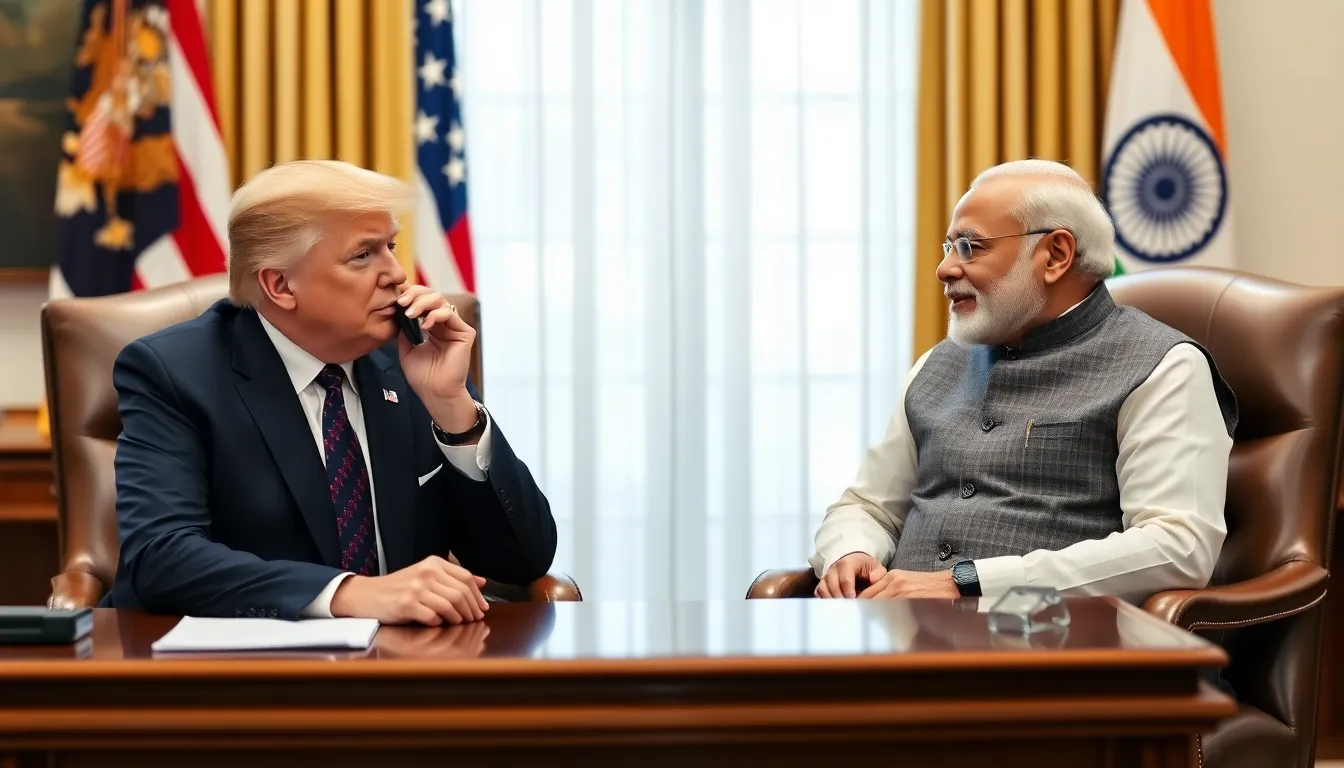
One of the primary stakeholders is the U.S. government, which aims to reduce its trade deficit with India while opening up markets for American goods and services. This aligns with Trump’s broader economic agenda of prioritizing American industries and workers. Conversely, the Indian government seeks to enhance its export capabilities, particularly in sectors like technology and pharmaceuticals, while protecting its domestic industries from potential overreach by foreign corporations.
Key issues arising from this trade agreement include tariffs, intellectual property rights, and labor standards. The negotiations have seen conflicting interests, particularly regarding the imposition of tariffs on goods such as agricultural products and machinery. Both nations must navigate these complexities to ensure that the agreement is beneficial and equitable.
- Tariffs: The U.S. aims for lower tariffs on its exports, while India seeks to maintain protective tariffs for its local industries.
- Intellectual Property: The protection of patents and copyrights is a contentious issue, with the U.S. pushing for stricter enforcement.
- Labor Standards: There are calls for improved labor rights in India, which may conflict with the interests of some local businesses.
- Market Access: Ensuring fair access to each other’s markets is crucial for both nations, yet remains a point of negotiation.
- Geopolitical Implications: The trade deal also has broader implications for U.S.-India relations in the context of regional security and competition with China.
As these stakeholders continue to negotiate, the outcome of the trade agreement will likely have significant implications not only for economic relations but also for geopolitical dynamics in the region. Balancing the interests of both nations will be crucial in achieving a sustainable and mutually beneficial agreement.
Potential impacts on businesses and consumers in both countries
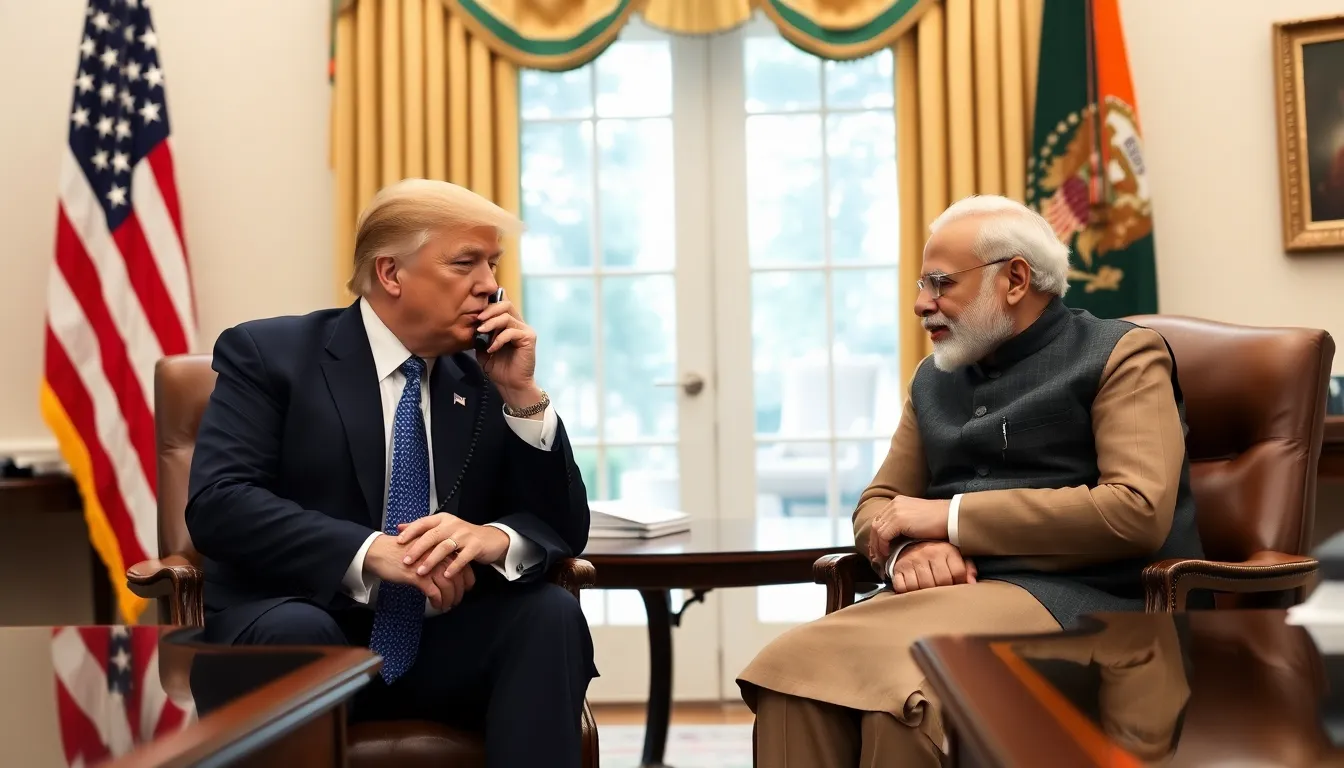
The recent trade deal between the US and India is set to affect a wide range of groups, industries, and regions. Key sectors such as agriculture, technology, and manufacturing are likely to experience significant changes. Farmers in the US could benefit from increased access to Indian markets for their products, while Indian tech companies may find new opportunities for collaboration and investment in the US.
In the short term, consumers in both countries might see a shift in prices and availability of goods. For example, the removal of tariffs on certain products could lead to lower prices for American consumers, while Indian consumers might gain access to a wider variety of imported goods. However, this could also pose risks for local businesses that may struggle to compete with cheaper imports.
- Increased market access for US agricultural products in India.
- Potential growth for Indian tech firms in the US market.
- Short-term price fluctuations for consumers due to tariff adjustments.
- Local businesses in both countries facing competition from imports.
In the mid-term, the trade deal could lead to stronger economic ties between the two nations, fostering innovation and collaboration. This could result in new job opportunities in sectors such as technology and manufacturing. However, there are also risks of job displacement in industries that may be adversely affected by increased competition from imports.
Overall, while the trade deal presents opportunities for growth and collaboration, it also necessitates careful consideration of the potential impacts on local economies and industries. Policymakers will need to monitor these changes closely to ensure that the benefits are distributed equitably among all stakeholders.
A: The trade deal includes tariff reductions, increased market access for agricultural products, and commitments to enhance bilateral investment. A: US businesses are expected to benefit from reduced tariffs on exports to India, potentially increasing their competitiveness in the Indian market. A: India may see an influx of American investments and technology, which could boost its economy and create jobs. A: Some analysts express concerns about potential trade imbalances and the impact on local industries in both countries. A: The exact timeline for implementation is still being discussed, but both parties aim for a swift rollout.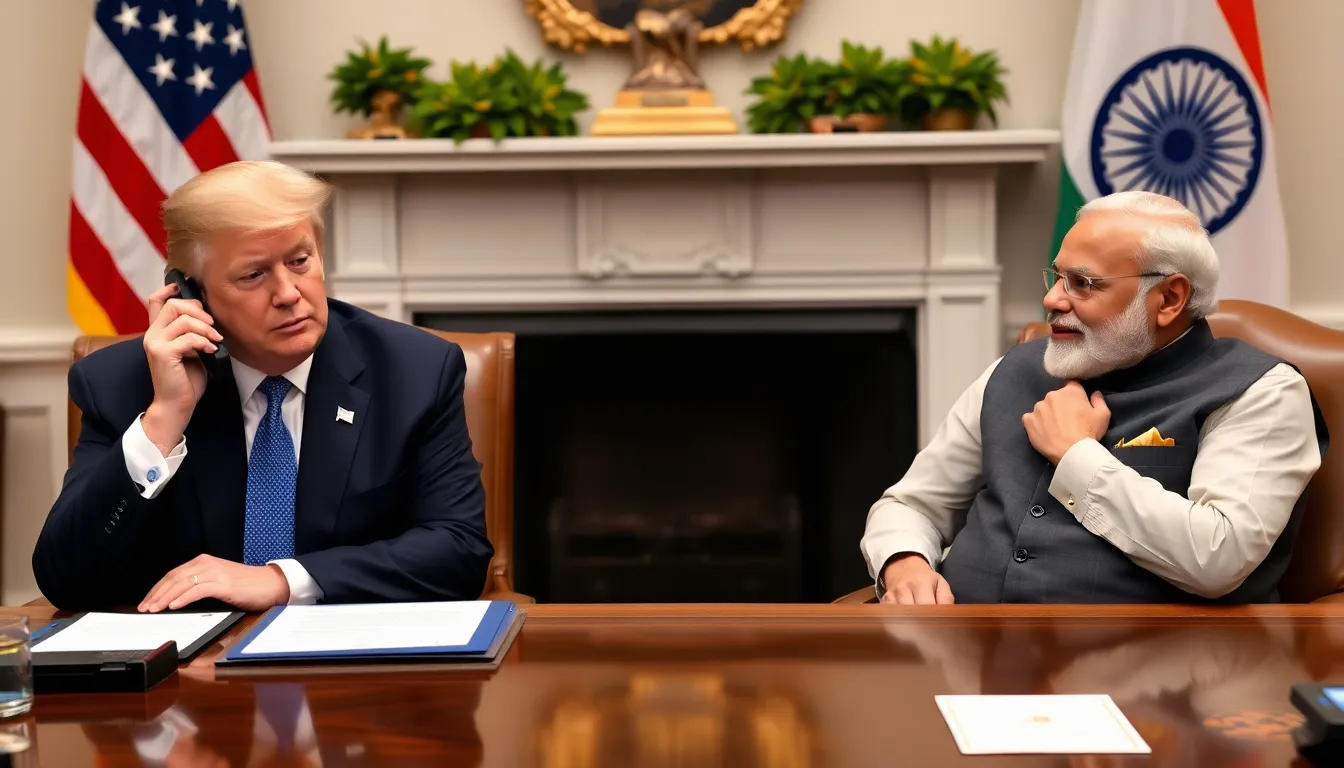
Frequently asked questions about the trade deal
Key takeaways and future outlook on US-India trade relations
The recent announcement of a trade deal between the United States and India marks a significant development in bilateral relations, potentially reshaping economic dynamics in the region. With both nations recognizing the importance of collaboration, this agreement could pave the way for enhanced trade flows, increased investment opportunities, and stronger geopolitical ties.
As the details of the deal emerge, stakeholders should remain attentive to the implications for various sectors, including technology, agriculture, and manufacturing. The evolving landscape of US-India trade relations presents both challenges and opportunities that will require careful navigation by policymakers and businesses alike.
- Watch for specific sectors that may benefit from tariff reductions and increased market access, particularly in technology and agriculture.
- Monitor the response from other trading partners, as this deal could influence regional trade dynamics and alliances.
- Stay informed about potential regulatory changes that may arise from the agreement, impacting foreign investment and business operations in both countries.
- Consider the long-term implications for US-India relations, including how this deal may affect strategic partnerships in areas such as defense and climate change.
- Anticipate discussions around labor standards and environmental regulations, which may shape the future of trade negotiations between the two nations.