
Meanwhile, Mars continues to be a focal point for exploration. NASA’s Perseverance rover, which landed on the Red Planet in February 2021, is currently conducting experiments to search for signs of ancient microbial life and collect rock samples for future return to Earth. The European Space Agency and Roscosmos are also collaborating on the ExoMars mission, set to launch in 2022, which aims to search for life and demonstrate new technologies for future exploration.
As these missions progress, discussions surrounding the ethical implications and governance of extraterrestrial exploration are becoming increasingly important. Experts, including philosopher Ben Bramble, argue that the public should have a say in shaping the future of lunar and Martian colonization. This perspective emphasizes the need for inclusive dialogue about the potential impacts on humanity and the environment beyond Earth.
The urgency of these conversations is underscored by the rapid advancements in technology and the growing involvement of private companies in space exploration. Companies like SpaceX are actively developing plans for Mars colonization, with Elon Musk stating ambitions to send humans to the planet as early as the mid-2020s. As these developments unfold, the intersection of public interest, ethical considerations, and technological capabilities will play a critical role in determining the future of human activity beyond our planet.
Understanding the historical context of space exploration
The quest for space exploration has deep roots in human history, dating back to ancient civilizations that gazed up at the stars and speculated about their mysteries. However, the modern era of space exploration began in the mid-20th century, marked by the launch of Sputnik 1 by the Soviet Union in 1957. This event not only ignited the space race between the United States and the Soviet Union but also set the stage for a new era of technological advancement and international competition.
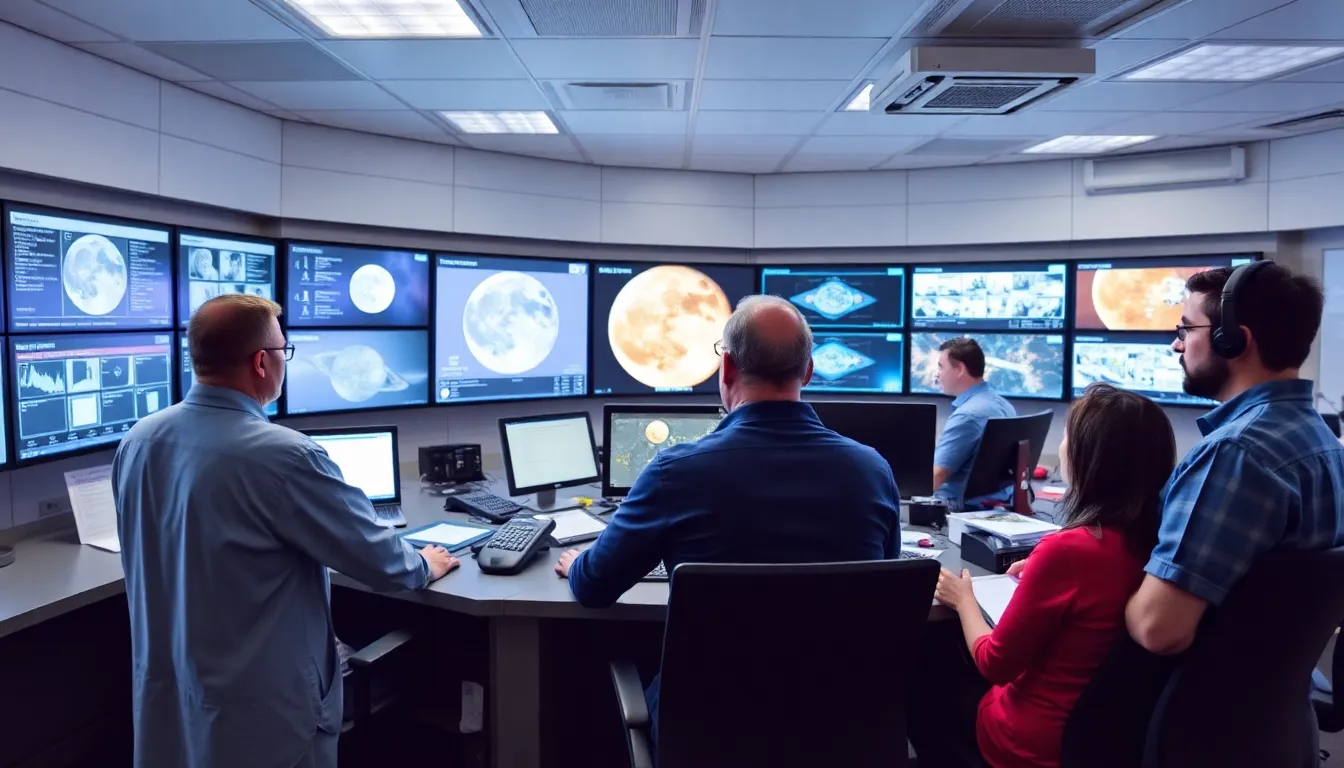
In the following decades, significant milestones such as the Apollo moon landing in 1969 showcased humanity’s ability to reach beyond Earth. The political motivations behind these missions were often tied to national pride and the desire for technological supremacy. As countries invested heavily in their space programs, the implications of space exploration began to extend beyond scientific inquiry, touching on issues of national security, economic opportunity, and international collaboration.
The role of private industry in space exploration
In recent years, the landscape of space exploration has shifted dramatically with the emergence of private companies. Pioneers like SpaceX and Blue Origin have not only reduced the costs associated with launching payloads into space but have also opened up new possibilities for commercial ventures, including plans for lunar and Martian colonization. This transition from government-led initiatives to a more privatized approach has sparked debates about the governance of space, the ethical implications of colonization, and the need for public engagement in these transformative endeavors.
As we stand on the brink of potentially transforming the Moon and Mars into habitable environments, it is crucial to recognize the historical context that has shaped our current trajectory. The intersection of technology, politics, and societal values will play a pivotal role in determining how we approach these new frontiers. The call for public input, as articulated by voices like Ben Bramble, underscores the importance of democratizing the future of space exploration and ensuring that it reflects the aspirations and concerns of humanity as a whole.
Key stakeholders and their interests in space transformation
The ambitious plans to transform the Moon and Mars involve a diverse array of stakeholders, each with their own interests and objectives. These actors include government agencies, private companies, scientists, and the general public. Understanding their motivations is crucial for navigating the complexities of space exploration and colonization.
Government agencies, such as NASA in the United States and ESA in Europe, are primarily focused on advancing scientific knowledge and maintaining national prestige. They seek to establish a presence on other celestial bodies for research purposes and to demonstrate technological capabilities. Additionally, these agencies are often constrained by budgets and political considerations, which can influence the pace and direction of their initiatives.
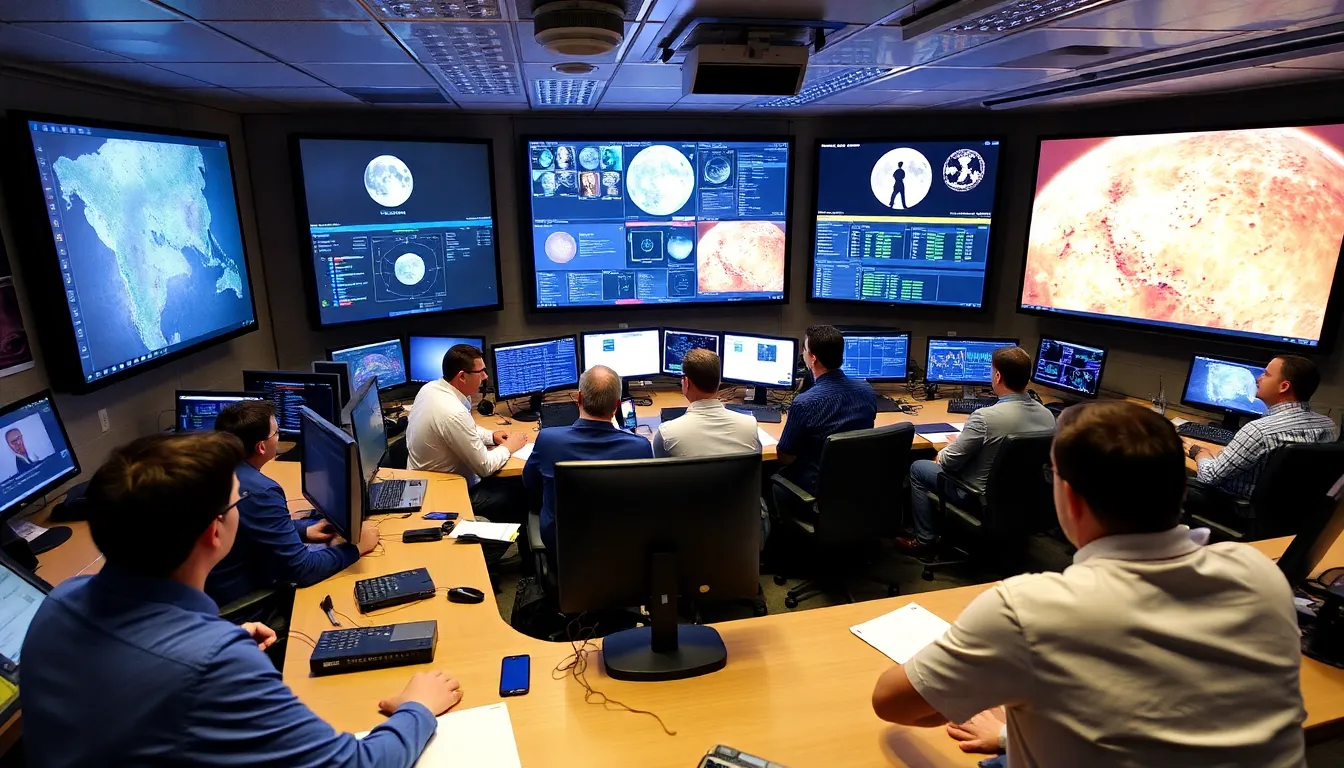
Private companies, such as SpaceX and Blue Origin, are driven by profit and innovation. Their interests lie in developing technologies for space travel and colonization that can be monetized, such as space tourism, resource extraction, and satellite deployment. However, their goals may conflict with public interests, particularly regarding environmental impacts and the ethical implications of space colonization.
Scientists and researchers play a critical role in shaping the discourse around space transformation. They advocate for responsible exploration and emphasize the importance of sustainable practices. Their concerns often revolve around the potential ecological consequences of human activity on the Moon and Mars, urging that scientific integrity should guide any transformative efforts.
- Public opinion: The general public has a vested interest in how space transformation unfolds, as it raises ethical and moral questions about humanity’s role in the universe.
- International cooperation: The involvement of multiple countries can lead to conflicts over territorial claims and resource rights, necessitating clear legal frameworks.
- Economic implications: The potential for economic benefits through resource extraction and technological advancements must be balanced against environmental concerns.
- Legal frameworks: Current space law, such as the Outer Space Treaty, may need to be revisited to address new challenges posed by colonization efforts.
Who will be affected by the changes on the Moon and Mars?
The ambitious plans to transform the Moon and Mars will have far-reaching implications for various groups and industries. Scientists, engineers, and policymakers will be at the forefront of these developments, as they will need to collaborate on the technological advancements and regulatory frameworks necessary for extraterrestrial colonization. Additionally, the general public, particularly those with an interest in space exploration, will be significantly affected as their voices will be crucial in shaping the future of these initiatives.
In the short term, industries related to aerospace, telecommunications, and resource extraction may see a surge in investment and job creation. Companies that specialize in rocket technology and space habitats could experience rapid growth, leading to new employment opportunities. However, this rapid expansion may also lead to increased competition and potential job displacement in traditional sectors as resources are reallocated towards space initiatives.
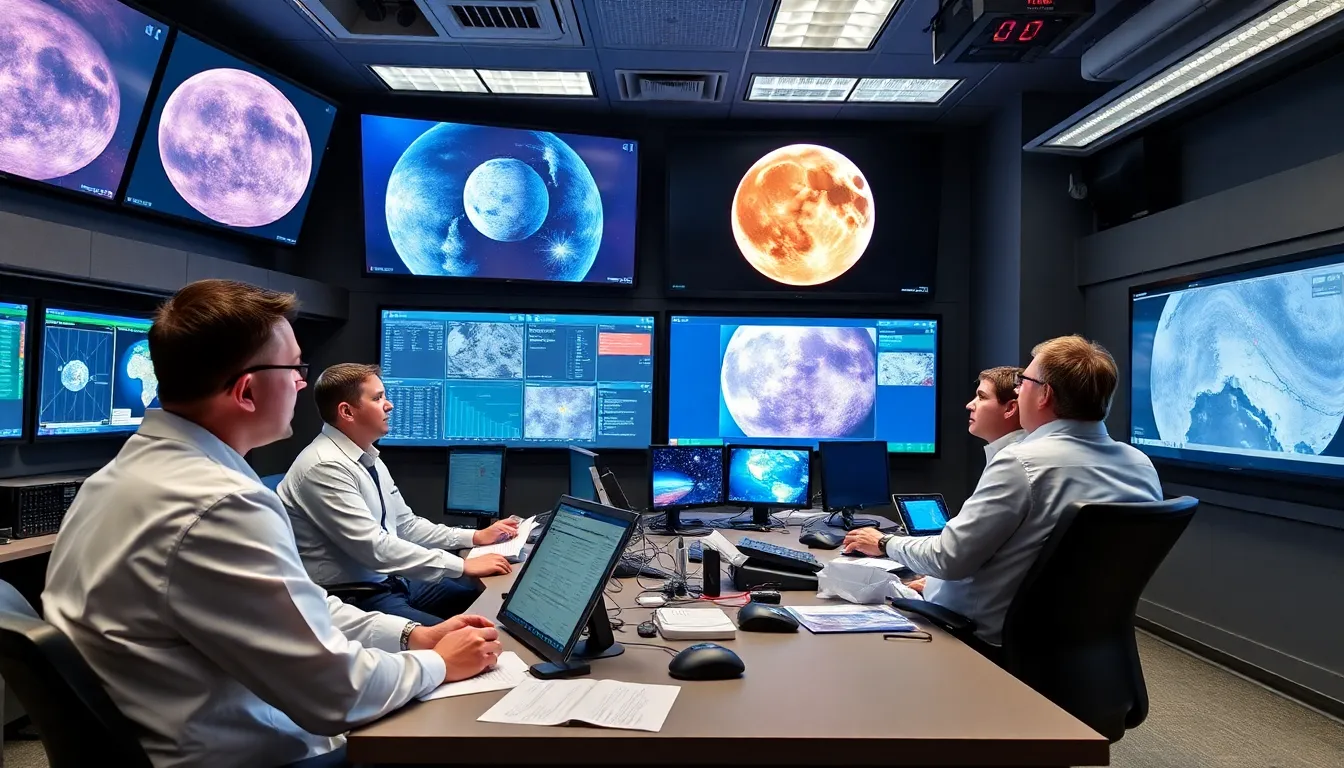
Mid-term impacts may include shifts in policy and infrastructure development, as governments and private entities work to establish a sustainable presence on the Moon and Mars. Regions with strong aerospace industries, such as parts of the United States, Europe, and emerging space nations, could benefit economically. Conversely, areas that fail to adapt to this new frontier may face economic challenges as funding and talent are drawn away.
- Opportunities: New markets for space tourism and research.
- Risks: Environmental concerns regarding space debris and planetary protection.
- Policy Changes: Need for international agreements on resource use and territorial claims.
As these transformations unfold, it is essential to consider the ethical implications of colonizing other celestial bodies. The voices of the public must be heard to ensure that the exploration of the Moon and Mars is conducted responsibly and inclusively, balancing the potential benefits with the risks involved.
A: Public input is crucial because it ensures that the values and concerns of society are considered in decision-making. This can lead to more ethical and inclusive policies regarding space exploration. A: The main goals include establishing sustainable human presence, conducting scientific research, and potentially utilizing resources for future space missions. These transformations could pave the way for deeper space exploration. A: The public can participate through forums, surveys, and public consultations organized by space agencies and policy makers. Engaging in discussions and providing feedback can influence future plans. A: Potential risks include environmental impacts on the Moon and Mars, ethical concerns regarding colonization, and the possibility of geopolitical conflicts over resources and territory. A: Key stakeholders include government space agencies, private aerospace companies, scientists, and the general public. Each group has different interests and concerns that need to be addressed.
Frequently asked questions about lunar and Martian transformation
Future outlook on the transformation of Moon and Mars
The ambitious plans to transform the Moon and Mars into habitable environments signal a new era in space exploration that invites both excitement and caution. As humanity stands on the brink of potentially monumental changes, it is crucial that the public engages in discussions surrounding these initiatives. The implications of such transformations extend beyond technological advancements, touching on ethical considerations, environmental impacts, and the governance of extraterrestrial territories.
As we move forward, the involvement of diverse voices will shape the trajectory of these projects. Addressing public concerns and aspirations will not only enhance the legitimacy of space exploration efforts but also ensure that they align with broader human values and priorities.
- Public engagement in space policy will be essential for ethical decision-making regarding the transformation of celestial bodies.
- Monitoring environmental impacts on both the Moon and Mars will be critical as terraforming efforts progress.
- International cooperation will play a key role in establishing governance frameworks for human activities in space.
- Technological advancements must be balanced with social considerations to ensure inclusive benefits from space exploration.
- Ongoing dialogue about the purpose and implications of transforming other worlds will help shape a sustainable vision for humanity’s future in space.