
Peck, a principal dancer with the New York City Ballet, highlighted the importance of creating visually stunning performances that can captivate and engage a broader audience. She believes that by “filling the stage,” ballet can reclaim its status as a leading art form in the performing arts landscape, which has seen a surge in popularity for more diverse and dynamic forms of entertainment. For further insight into artistic impact, check out this article about Banksy’s recent installation.
The ballet community is currently facing challenges, including dwindling ticket sales and a need to attract younger audiences. Peck’s vision aligns with trends in other performance sectors, where innovative staging and storytelling have proven effective in drawing crowds. She advocates for collaborations with contemporary artists and the incorporation of modern technology to enhance the theatrical experience.
As the ballet industry looks towards its future, Peck’s insights serve as a reminder of the potential for growth and reinvention. With major companies planning their upcoming seasons, the conversation around expanding production scales and embracing bold ideas is more relevant than ever, signaling a pivotal moment for the art form.
Understanding the current state of ballet and its challenges
Ballet, a revered art form with roots tracing back to the Italian Renaissance courts of the 15th century, has undergone significant transformations over the centuries. Traditionally characterized by its strict techniques and formal aesthetics, ballet has often been viewed as an elite pursuit, accessible primarily to those within privileged circles. This perception has contributed to a growing divide between the art form and broader audiences, leading to a pressing need for reinvention.

In recent years, the ballet community has faced various challenges, including declining audience numbers and a lack of diversity both on stage and in leadership roles. The COVID-19 pandemic exacerbated these issues, forcing many companies to close their doors temporarily and highlighting the fragility of the industry. As performing arts organizations grapple with financial instability, the question of how to engage new audiences becomes increasingly urgent.
The push for inclusivity and innovation
Amid these challenges, figures like Tiler Peck have emerged as advocates for change, calling for a more inclusive and dynamic approach to ballet. Peck’s vision of “filling the stage” speaks to the need for ballet to evolve beyond its traditional confines, embracing a broader range of styles and narratives that resonate with contemporary audiences. This shift is not merely about aesthetics; it reflects a deeper understanding of the social and political contexts that shape the art form today, similar to the changes in public policy that seek to promote inclusivity.
Key milestones in this evolution include initiatives aimed at diversifying ballet companies and expanding outreach programs to underserved communities. Notable performances that blend ballet with other dance forms, such as hip-hop and contemporary dance, have also gained traction, demonstrating the potential for creative collaboration. As the ballet world navigates these changes, the emphasis on innovation and inclusivity becomes crucial for its survival and relevance in the 21st century.
Key stakeholders and their roles in the evolution of ballet
The ballet community is a complex tapestry of stakeholders, each with distinct interests and influences. At the forefront is Tiler Peck, a prominent ballet dancer and advocate for innovation within the art form. Her call to ‘Fill the Stage!’ emphasizes the need for ballet to evolve and attract broader audiences, reflecting her desire for inclusivity and relevance in contemporary culture, much like the challenges faced in other sectors, including environmental policies.
Alongside individual artists like Peck, major ballet companies play a crucial role. Organizations such as the New York City Ballet and the Royal Ballet are not only custodians of traditional repertoire but also key players in the development of new works. Their financial stability and programming decisions significantly impact whether ballet remains a vibrant, evolving art form or becomes stagnant.
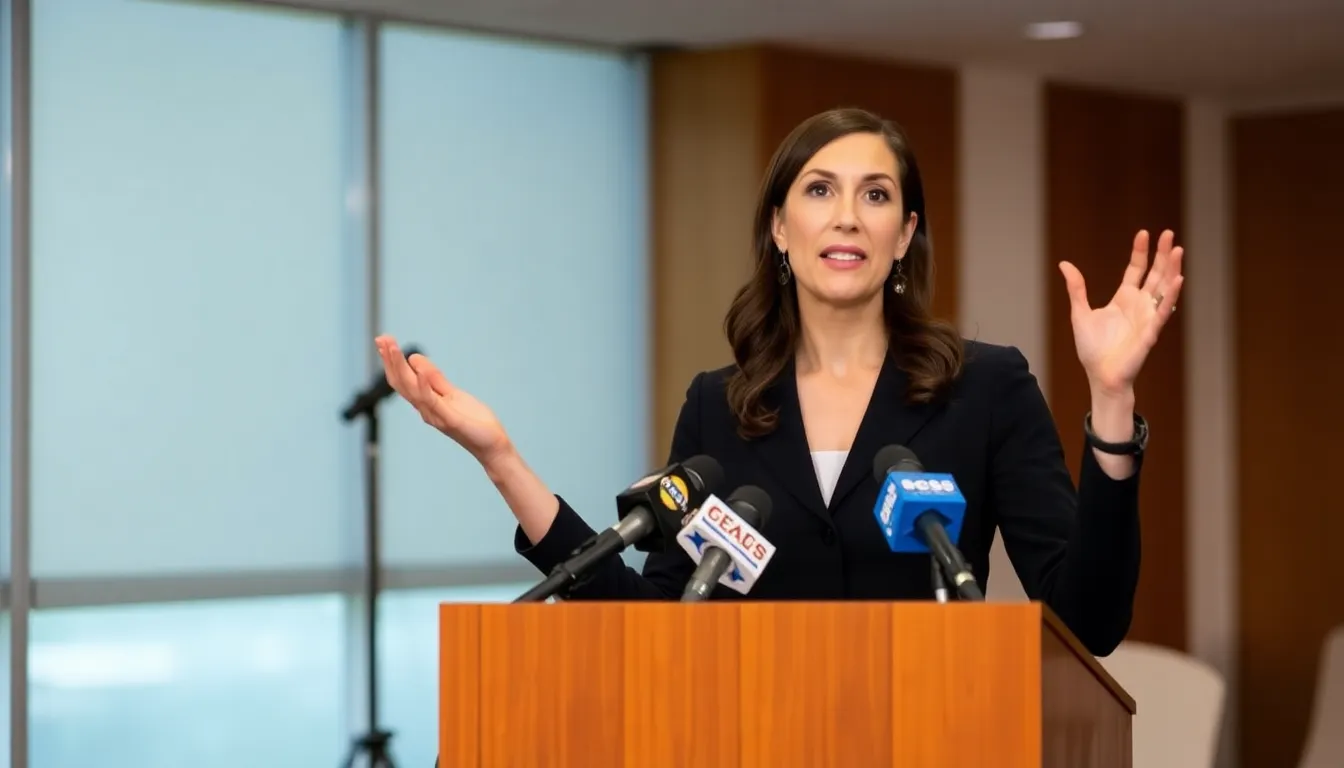
Government and cultural institutions also hold significant sway. Funding from arts councils and government grants can either bolster or hinder the growth of ballet companies, influencing their ability to experiment with new productions and reach wider demographics. The ongoing debate over public funding for the arts highlights the economic pressures faced by these organizations, as they strive to balance artistic integrity with financial viability.
- Artistic innovation vs. traditional repertoire: The tension between preserving classic works and introducing contemporary pieces.
- Funding disparities: How financial support shapes the capabilities of different ballet companies.
- Audience engagement: The challenge of attracting diverse audiences in a rapidly changing cultural landscape.
- Collaboration with other art forms: Exploring partnerships with theater, music, and visual arts to enrich ballet’s appeal.
- Globalization of ballet: The influence of international trends and practices on local ballet traditions.
In summary, the dynamics among these stakeholders reveal a landscape ripe with opportunities and challenges. The interplay of artistic vision, financial realities, and audience expectations will ultimately determine the future trajectory of ballet as it seeks to ‘go big’ in an ever-evolving cultural environment.
How this movement could reshape the ballet landscape
The call to ‘Fill the Stage!’ by renowned ballerina Tiler Peck resonates across various groups within the performing arts community. This initiative primarily affects ballet companies, dancers, choreographers, and audiences, but its ripple effects extend into related industries such as theater production, fashion, and even tourism in cities known for their cultural scenes.
In the short term, ballet companies may experience an increase in ticket sales as audiences are drawn to larger productions featuring diverse performances. This surge can lead to heightened visibility for local artists and an invigorated interest in ballet as a vibrant art form. However, companies may also face logistical challenges, including the need for larger venues, increased production costs, and the pressure to deliver higher-quality performances.
In the mid-term, there are opportunities for partnerships between ballet companies and other artistic disciplines, such as contemporary dance, visual arts, and music. These collaborations can foster innovation and attract new audiences, potentially transforming traditional ballet into a more inclusive and multifaceted experience. However, there is also the risk that smaller, less financially stable companies may struggle to adapt, leading to potential closures or reduced programming.

- Increased audience engagement: Larger productions may attract a more diverse audience.
- Economic boost: Local economies could benefit from increased tourism and related spending.
- Creative collaborations: Opportunities for cross-disciplinary partnerships could emerge.
- Challenges for smaller companies: Financial strain may threaten the viability of smaller ballet organizations.
Ultimately, the push for a more expansive approach to ballet could redefine the art form, making it more accessible and relevant to contemporary society while simultaneously presenting challenges that require careful navigation by industry stakeholders.
A: Tiler Peck’s phrase ‘Fill the Stage’ refers to her vision of making ballet more expansive and engaging, encouraging larger productions that captivate audiences. A: The call for bigger productions stems from a desire to attract new audiences and keep the art form relevant in today’s entertainment landscape. A: Many dancers, choreographers, and ballet companies are rallying behind Tiler Peck’s vision, recognizing the potential for growth and innovation in ballet. A: We may see more elaborate sets, diverse storytelling, and collaborations with other art forms to create a richer experience for viewers. A: Audiences can support this initiative by attending performances, engaging with ballet companies on social media, and advocating for innovative productions.
Frequently Asked Questions about Tiler Peck’s vision
Looking ahead: the future of ballet and its potential
Tiler Peck’s call for a more expansive approach to ballet highlights a pivotal moment for the art form. As the ballet community reflects on its traditions, the emphasis on inclusivity and bold expression presents opportunities for innovation. The potential to engage a broader audience and redefine the boundaries of ballet is becoming increasingly relevant in today’s cultural landscape.
As ballet companies consider how to adapt to these changes, the focus will likely shift towards creating performances that resonate with diverse audiences while maintaining the integrity of the art. This evolution may lead to collaborations across genres, new storytelling methods, and a reimagining of classical works, all of which could breathe new life into the ballet scene.
- Watch for increased collaborations between ballet and other art forms, which may lead to innovative productions.
- Expect a rise in performances that prioritize inclusivity and representation, attracting a wider audience.
- Monitor how ballet companies adapt their programming to reflect contemporary themes and social issues.
- Consider the impact of technology on ballet, particularly in terms of virtual performances and audience engagement.
- Observe the response of traditional ballet institutions to these shifts and their willingness to embrace change.