
This relocation is expected to enhance genetic diversity within the park’s existing lion population, which is crucial for the long-term sustainability of the species, as highlighted in our article on unique animal stories.
Asiatic lions are currently classified as endangered, with fewer than 600 individuals remaining in the wild, primarily in the Gir Forest of India. The wildlife park aims to raise awareness about the plight of these majestic animals and promote conservation efforts through educational programs and community engagement.
The park plans to host a special event on November 1, 2023, to celebrate the new arrivals and to educate the public about the challenges faced by Asiatic lions in their natural habitat, part of a broader effort seen in our coverage of environmental conservation initiatives.
Understanding the significance of Asiatic lions in conservation
The Asiatic lion, once widespread across the Middle East and India, has faced significant threats due to habitat loss, hunting, and human-wildlife conflict. Historically, these majestic creatures roamed across a vast range, but by the early 20th century, their population dwindled to a mere handful, confined to the Gir Forest in Gujarat, India. This dramatic decline highlighted the urgent need for conservation efforts, leading to the establishment of protected areas and wildlife reserves aimed at preserving their dwindling numbers.
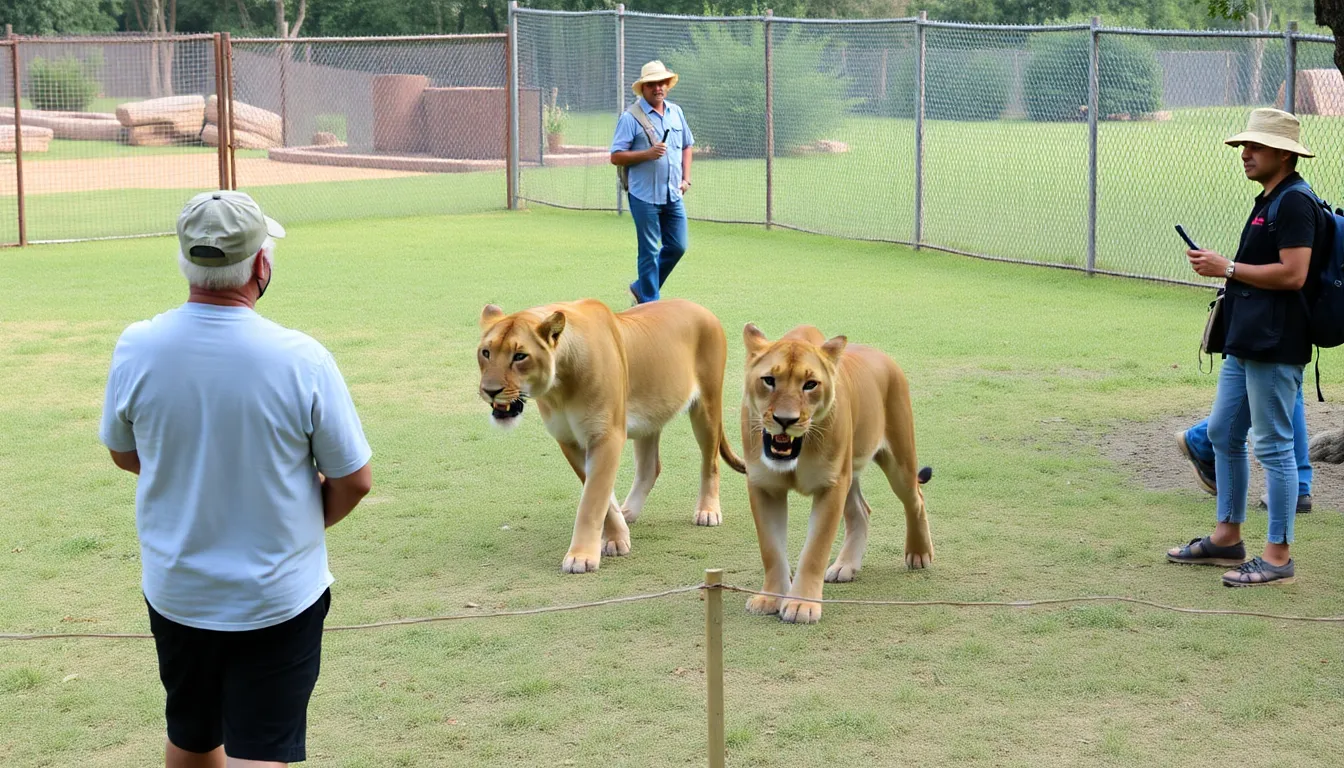
These efforts have been crucial in stabilizing the Asiatic lion population, which has seen a slow but steady increase in recent decades, similar to the transformations discussed in social landscapes across various sectors.
Economically, the conservation of Asiatic lions has also brought about positive impacts on local communities. The growth in lion populations has led to an increase in eco-tourism, providing livelihoods for many residents in the region. Wildlife parks and reserves have become significant attractions, drawing visitors from around the world. This influx of tourism has encouraged local economies to invest in sustainable practices, balancing the needs of wildlife conservation with community development.
Key milestones in Asiatic lion conservation
Several key milestones have marked the journey of Asiatic lion conservation. In 1975, the Asiatic Lion Project was initiated, focusing on habitat restoration and population monitoring. By 2005, the population had risen to over 300 individuals, prompting discussions about potential reintroduction programs in other parts of India. The recent welcoming of three male Asiatic lions to a wildlife park represents another significant step in these efforts, aimed at enhancing genetic diversity and promoting awareness about this iconic species.
Key stakeholders involved in the introduction of the lions
The introduction of three male Asiatic lions to the wildlife park involves various stakeholders, each with distinct interests and concerns. These include conservation organizations, local government authorities, wildlife enthusiasts, and the general public. Understanding their roles can shed light on the broader implications of this initiative.
Conservation organizations are primarily focused on the preservation of the Asiatic lion species, which is classified as endangered. Their interest lies in ensuring that the introduction of these lions contributes positively to genetic diversity and population growth within the species. They may also advocate for the park to implement best practices in animal care and habitat management.
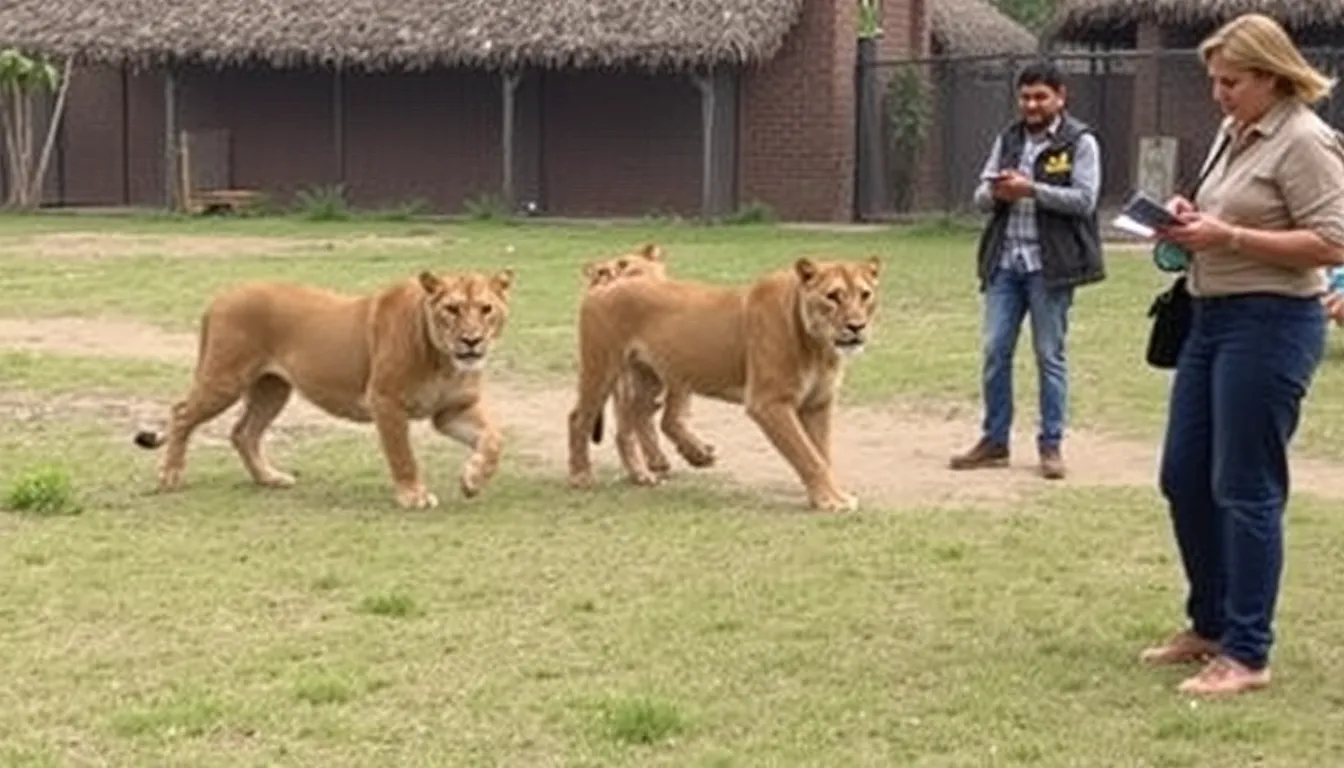
Local government authorities play a crucial role in regulating wildlife parks and ensuring compliance with environmental laws. Their interests include promoting tourism and economic development while balancing ecological sustainability. Conflicts may arise if the introduction of the lions leads to increased human-wildlife interactions, which could pose risks to both the animals and local communities.
- Economic Impact: The introduction of the lions could boost local tourism, generating revenue for the community.
- Conservation Goals: Ensuring the lions contribute to the broader conservation efforts for the species.
- Human-Wildlife Conflict: Potential challenges in managing interactions between the lions and local residents.
- Legal Compliance: Adhering to regulations regarding wildlife conservation and park management.
- Public Sentiment: Balancing the interests of wildlife enthusiasts with concerns from residents about safety and environmental impact.
Public opinion is another significant factor. Wildlife enthusiasts may celebrate the arrival of the lions, seeing it as a positive step towards conservation. However, local residents might have concerns regarding safety, especially if the lions are housed in proximity to populated areas. This duality of sentiment can create tensions that the park management must navigate carefully.
Impact of the new lions on the local ecosystem and tourism
The introduction of three male Asiatic lions into the wildlife park is set to affect various groups, including local residents, businesses, conservationists, and tourists. The presence of these majestic animals can enhance the park’s appeal and create new opportunities for local economies reliant on tourism.
In the short term, the wildlife park may see an increase in visitor numbers as people flock to witness the new lions. This surge in tourism can benefit local businesses, such as hotels, restaurants, and shops, which may experience higher foot traffic and increased sales. Additionally, the park’s management could implement special events or promotions to capitalize on the excitement surrounding the lions, further boosting local economic activity.
However, there are potential risks associated with the introduction of these lions. The increased human activity in the area could lead to stress for the animals, impacting their health and behavior. Moreover, if not managed properly, the influx of tourists could strain local resources and infrastructure, leading to environmental degradation or conflicts with local wildlife.
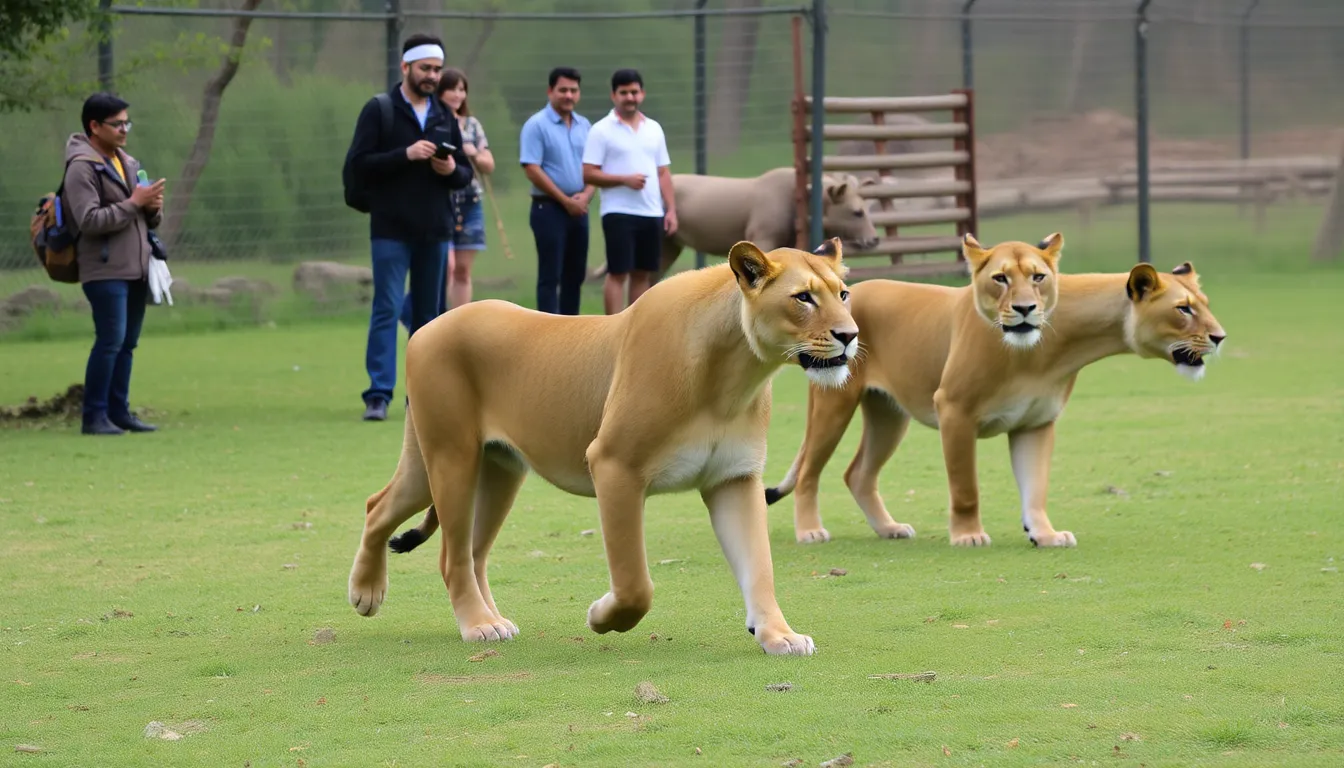
In the mid-term, the presence of Asiatic lions could influence local conservation policies and wildlife management strategies. Conservationists may push for stronger protections for the lions and their habitat, which could result in new regulations affecting land use and tourism practices. This could create opportunities for eco-friendly businesses and initiatives aimed at preserving the local ecosystem.
- Increased tourism and economic benefits for local businesses.
- Potential stress on the lions and local wildlife due to higher human activity.
- Opportunities for conservation efforts and eco-friendly initiatives.
- Possible changes in local policies regarding land use and wildlife management.
A: The three male Asiatic lions were transferred from a conservation center in India, where they were bred in a controlled environment. A: With the addition of these three males, the park now houses a total of ten Asiatic lions, contributing to the species’ conservation. A: The park has implemented a comprehensive care plan that includes habitat enrichment, veterinary care, and a specialized diet to ensure the lions thrive. A: Yes, the park has designed viewing areas that allow visitors to observe the lions safely while minimizing stress for the animals. A: Asiatic lions are classified as endangered due to habitat loss, human-wildlife conflict, and a limited range, making conservation efforts critical.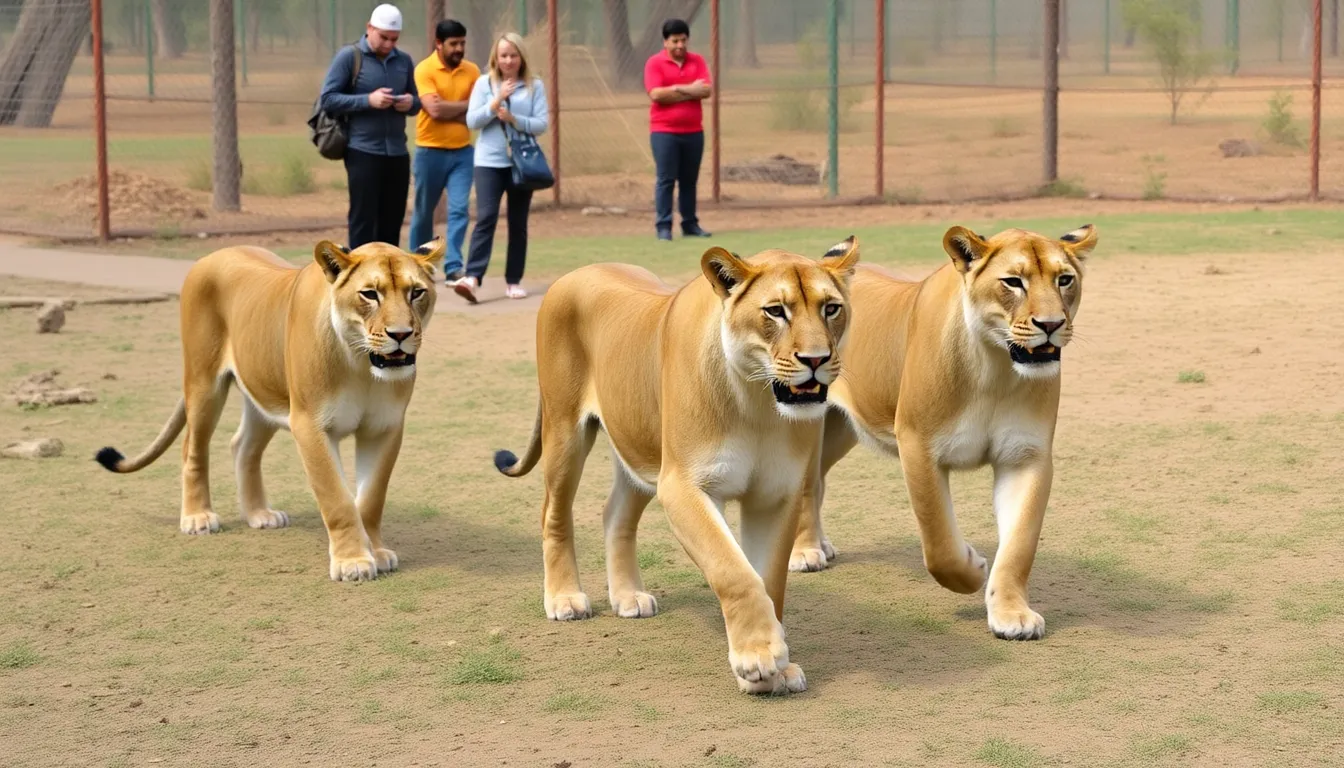
Frequently asked questions about the new Asiatic lions
Looking ahead: The future of Asiatic lions in the park
The introduction of three male Asiatic lions into the wildlife park marks a significant step in conservation efforts for this endangered species. As these majestic animals adapt to their new environment, their presence will not only enhance the biodiversity of the park but also provide valuable opportunities for research and education. The park’s commitment to creating a suitable habitat and promoting awareness about Asiatic lions will be crucial in ensuring their successful acclimatization and long-term survival.
Furthermore, the interaction between these lions and the park’s ecosystem can offer insights into the social dynamics of Asiatic lions in a protected setting. Observing their behaviors and health will contribute to broader conservation strategies, potentially influencing similar initiatives in other regions. Stakeholders should monitor the progress of these lions closely, as their adaptation could serve as a model for future wildlife conservation efforts.
- The park’s new lions could attract increased visitor interest, boosting tourism and funding for conservation initiatives.
- Monitoring the lions’ health and social interactions will provide essential data for conservationists focused on Asiatic lion populations.
- Educational programs centered around the lions can enhance public awareness and support for wildlife conservation.
- Future breeding programs may be influenced by the success of these lions in adapting to the park environment.
- Collaboration with other wildlife organizations could lead to expanded conservation efforts beyond the park’s boundaries.