
Researchers from the University of Louisiana have reported significant changes to the marshlands in the region, noting that the hurricane’s flooding helped deposit nutrient-rich sediments. This process is crucial for the regeneration of saltmarshes, which provide habitat for various species, including migratory birds and aquatic life. Understanding the value of natural ecosystems can enhance our efforts in conservation.
Moreover, the restoration of these ecosystems is essential in combating climate change. Saltmarshes act as carbon sinks, sequestering carbon dioxide from the atmosphere and helping to mitigate the impacts of global warming. The recent developments underscore the dual nature of hurricanes as both destructive forces and potential catalysts for ecological recovery, highlighting the importance of environmental resilience.
Local conservation groups are now advocating for the protection of these newly formed saltmarshes, emphasizing their role in enhancing coastal resilience. As communities grapple with the immediate aftermath of hurricanes, understanding these ecological dynamics is crucial for long-term environmental planning and disaster preparedness.
The role of hurricanes in shaping natural landscapes
Hurricanes are powerful natural phenomena that can dramatically alter coastal environments, often leading to both destruction and rejuvenation. Over the centuries, these storms have been responsible for reshaping coastlines, redistributing sediments, and creating new habitats. The interaction between intense winds, heavy rainfall, and storm surges can lead to the formation of saltmarshes, which are vital ecosystems that support a diverse range of wildlife and provide critical services to human communities.
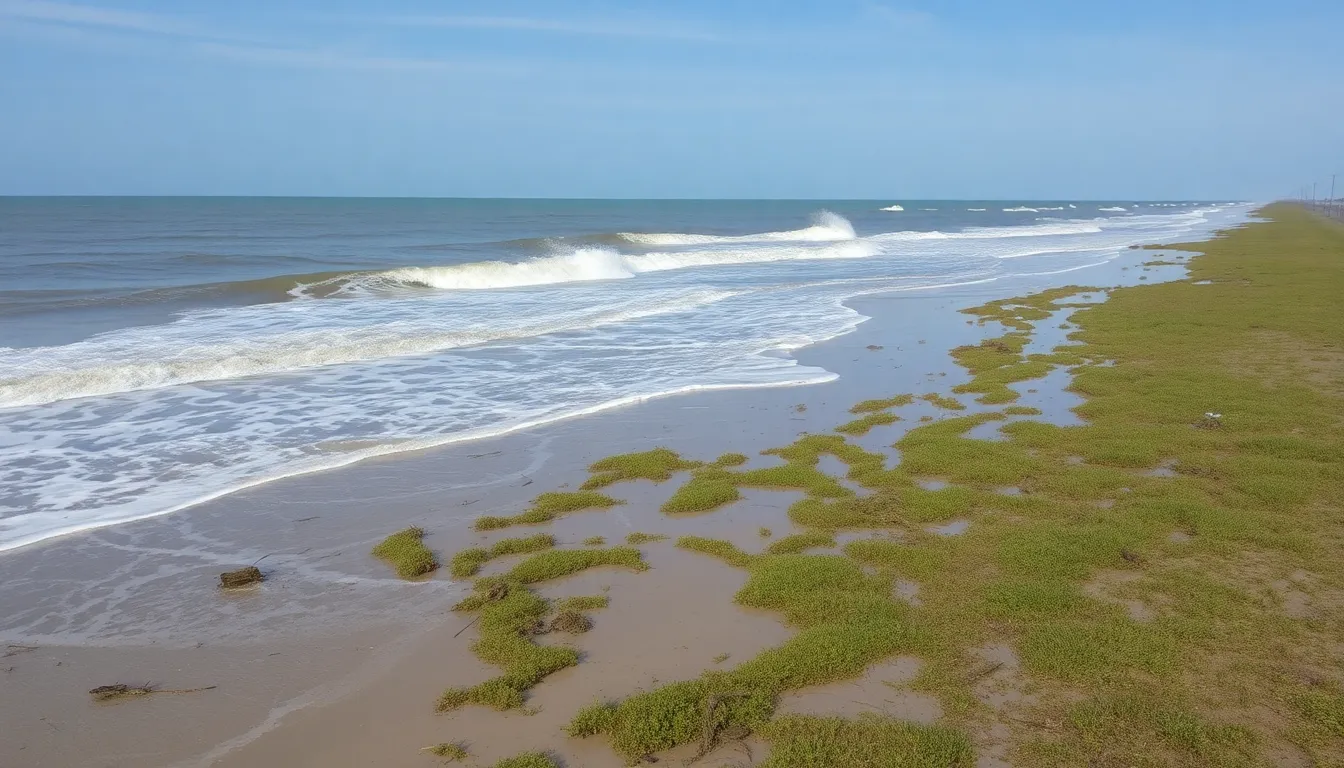
Historically, saltmarshes have been viewed as marginal lands, often overlooked in land-use planning and conservation efforts. However, their ecological importance has gained recognition in recent decades, particularly in the context of climate change and rising sea levels. Hurricanes can play a dual role in this regard: while they can cause immediate devastation to existing marshlands, they also create opportunities for new marshes to develop in areas previously dominated by other land uses.
The economic impact of saltmarshes
From an economic perspective, saltmarshes are invaluable. They act as natural buffers against storm surges, reducing the impact of hurricanes on inland communities. Furthermore, they provide essential services such as water filtration, carbon sequestration, and habitat for commercially important fish species. The recognition of these benefits has led to increased investment in saltmarsh restoration projects, particularly in regions frequently impacted by hurricanes, similar to how important cultural phenomena can drive economic growth.
Key milestones in the understanding of saltmarsh ecology include the establishment of the National Estuary Program in the 1980s, which aimed to protect and restore estuarine ecosystems in the United States. This program has facilitated numerous research initiatives that highlight the role of hurricanes in marsh formation and the need for proactive conservation strategies. As communities adapt to the realities of climate change, the lessons learned from past hurricanes will be crucial in shaping future policies and practices aimed at protecting these precious ecosystems.
Key stakeholders involved in saltmarsh restoration
The restoration of saltmarshes following a hurricane involves a diverse group of stakeholders, each with their own interests and concerns. These stakeholders include local communities, environmental organizations, government agencies, and scientists. Their collaboration is crucial for the successful recovery and long-term sustainability of these vital ecosystems.
Local communities often have a vested interest in saltmarsh restoration due to its impact on their livelihoods, especially in areas reliant on fishing and tourism. The health of saltmarshes can directly influence local economies, as they provide critical habitats for fish and other wildlife, which are essential for both commercial and recreational activities.
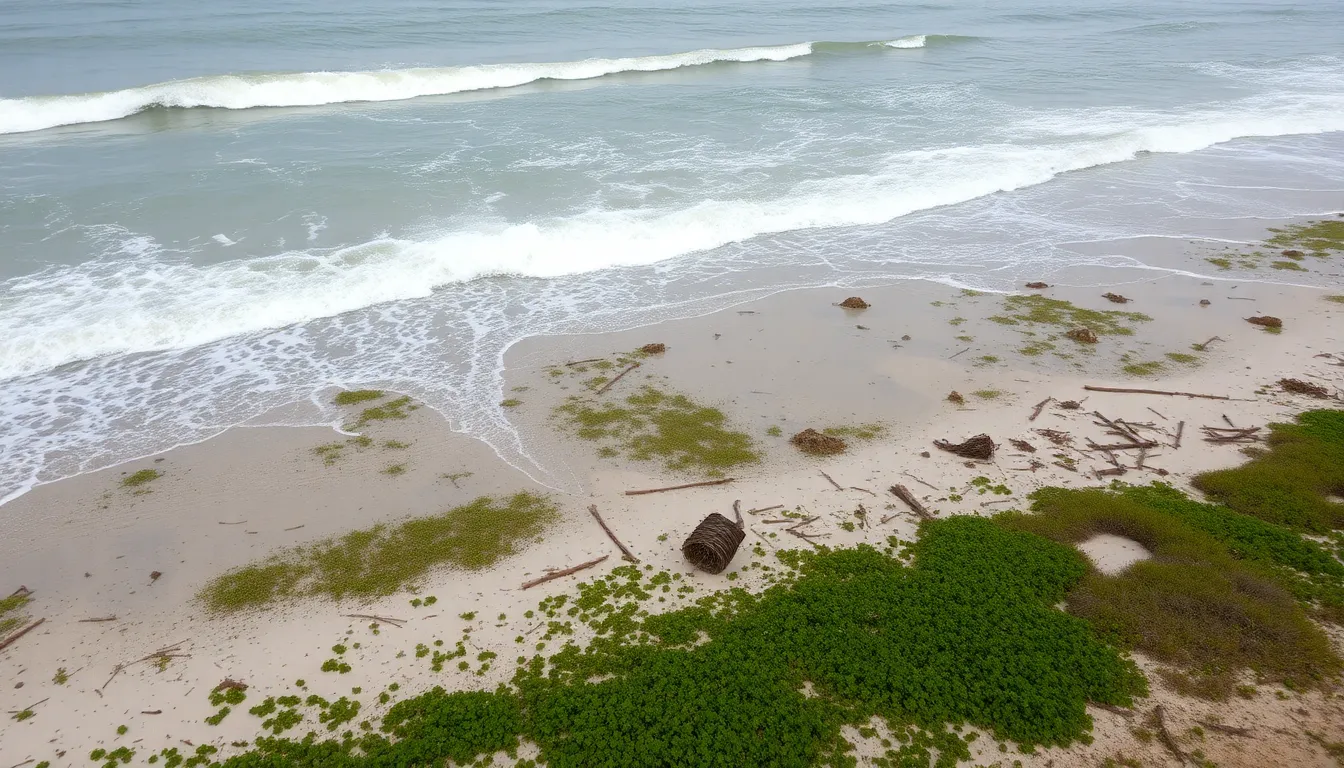
Environmental organizations play a key role in advocating for the protection and restoration of saltmarshes. Their interests lie in preserving biodiversity and mitigating climate change impacts, as healthy saltmarshes act as natural buffers against storm surges and sea-level rise. These organizations often work to secure funding and mobilize volunteers for restoration projects.
Government agencies, at both state and federal levels, are responsible for regulating land use and environmental protection. They face the challenge of balancing ecological restoration with economic development. Key issues include:
- Regulatory compliance: Ensuring that restoration efforts meet legal environmental standards.
- Funding allocation: Determining how to allocate limited resources for restoration projects amidst competing priorities.
- Community engagement: Involving local residents in decision-making processes to foster support and cooperation.
Scientists and researchers contribute valuable knowledge about saltmarsh ecosystems, providing data that informs restoration strategies. Their work often highlights the importance of maintaining ecological integrity while addressing human interests. Conflicts may arise when scientific recommendations clash with economic or political agendas, necessitating careful negotiation among stakeholders to find common ground.
The benefits of saltmarshes for local communities and wildlife
Hurricanes, while often destructive, can inadvertently create valuable ecosystems such as saltmarshes. These unique environments are essential for various groups, including local fishermen, conservationists, and nearby residents. The restoration of saltmarshes following a hurricane can significantly impact the livelihoods and well-being of these communities.
In the short term, local industries such as fishing and tourism may face challenges as the initial aftermath of a hurricane disrupts daily operations. However, as saltmarshes develop, they can enhance fish populations and provide a natural barrier against future storms, ultimately benefiting these sectors. The restoration of these ecosystems can lead to increased biodiversity and healthier marine environments.
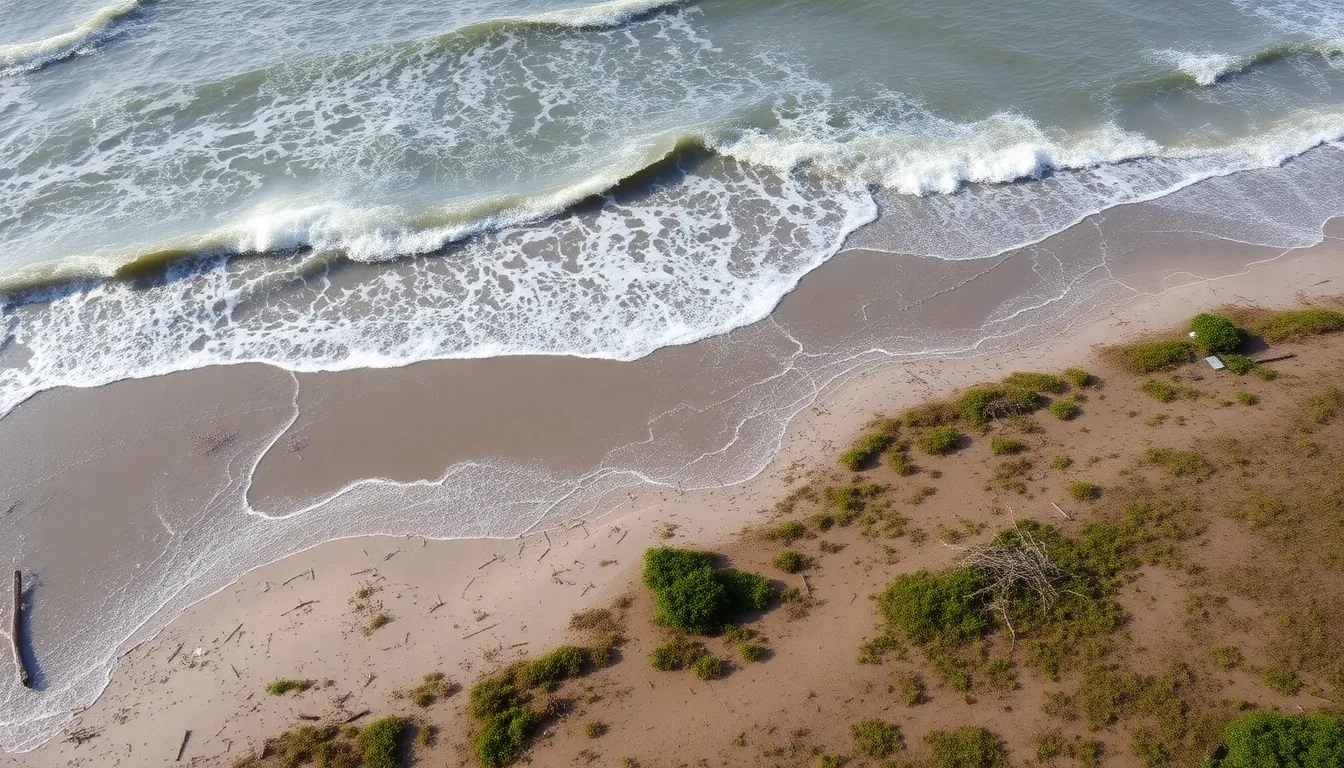
Mid-term impacts include changes in local policies as communities recognize the importance of preserving and enhancing saltmarshes. Governments may allocate funds for conservation efforts, creating jobs in restoration projects and boosting the local economy. Additionally, educational programs about the significance of saltmarshes can foster community engagement and awareness.
- Risks: Initial economic disruption for fishing and tourism.
- Opportunities: Enhanced fish populations and natural storm protection.
- Policy shifts: Increased funding and community engagement in conservation.
As saltmarshes flourish, they can also provide recreational opportunities for residents and visitors, further stimulating local economies. The dual benefit of ecological restoration and economic growth illustrates how communities can adapt and thrive in the wake of natural disasters.
A: A saltmarsh is a coastal ecosystem characterized by salt-tolerant plants and is often flooded by tidal waters. These areas are crucial for biodiversity and serve as natural buffers against storms. A: Hurricanes can reshape coastal landscapes by depositing sediments and creating new habitats. The disturbance can stimulate plant growth and establish new saltmarsh areas. A: Saltmarshes provide essential services such as water filtration, carbon sequestration, and habitat for various species. They also protect shorelines from erosion and storm surges. A: Saltmarshes have some resilience to climate change, but rising sea levels and increased storm intensity pose significant threats. Conservation efforts are crucial for their survival. A: Communities can engage in restoration projects, support conservation organizations, and advocate for policies that protect these vital ecosystems.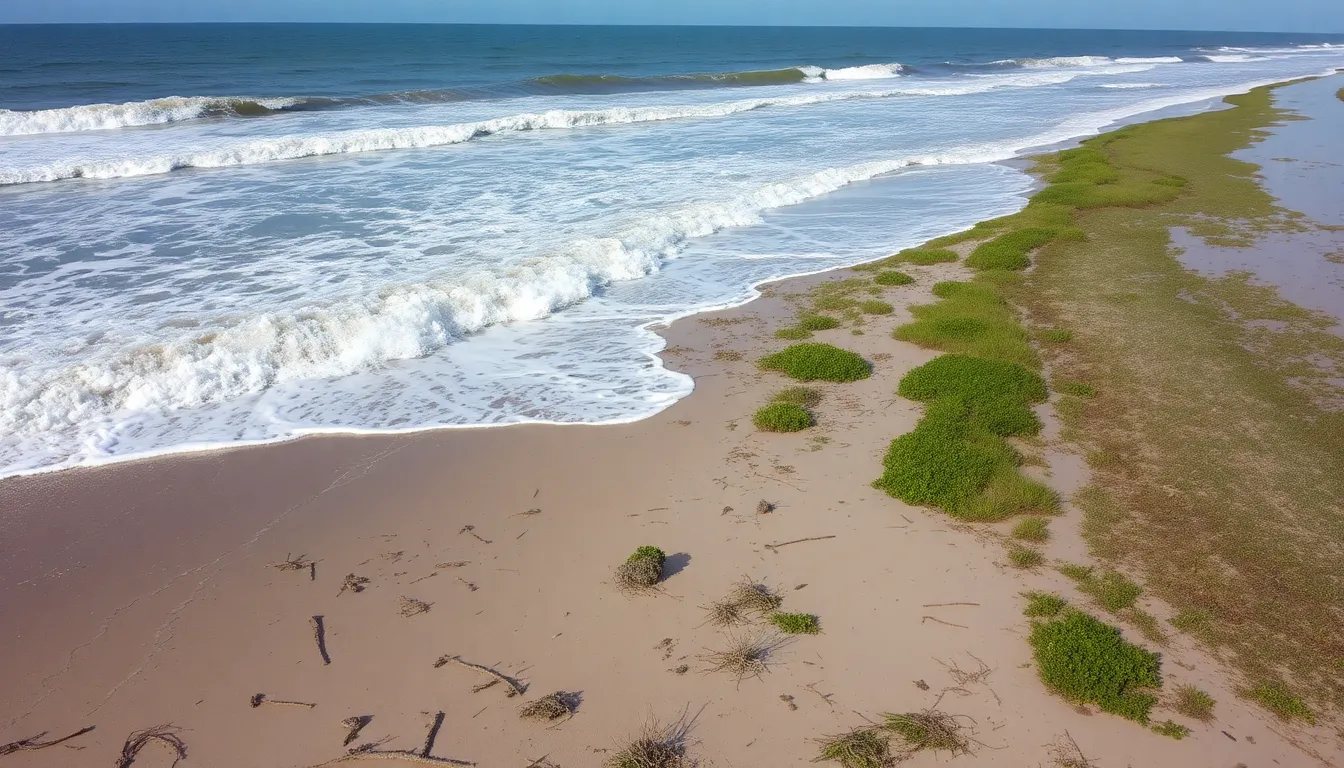
Frequently asked questions about saltmarshes and hurricanes
Looking ahead at the future of saltmarsh ecosystems
The recent hurricane has not only reshaped the coastal landscape but has also highlighted the resilience and adaptability of saltmarsh ecosystems. As these environments recover, they offer a unique opportunity to study the interplay between natural disasters and ecological restoration. Understanding how these saltmarshes evolve in response to such events will be crucial for future conservation efforts and coastal management strategies.
As we observe the ongoing changes, it is essential to consider the broader implications for biodiversity, climate resilience, and the services that saltmarshes provide to both wildlife and human communities. The lessons learned from this event will inform how we approach the preservation and restoration of these vital ecosystems in the face of increasing climate-related challenges.
- Monitor recovery patterns: Tracking the recovery processes of saltmarshes post-hurricane can provide insights into their resilience and adaptive capacity.
- Enhance coastal management practices: Integrating lessons from this event into coastal management strategies can improve preparedness for future storms.
- Promote biodiversity: Supporting diverse plant and animal species in saltmarshes can enhance ecosystem stability and resilience.
- Invest in research: Continued research on the ecological impacts of hurricanes on saltmarshes will be vital for effective conservation efforts.
- Engage local communities: Involving local populations in restoration projects can foster stewardship and increase awareness of the importance of saltmarsh ecosystems.