
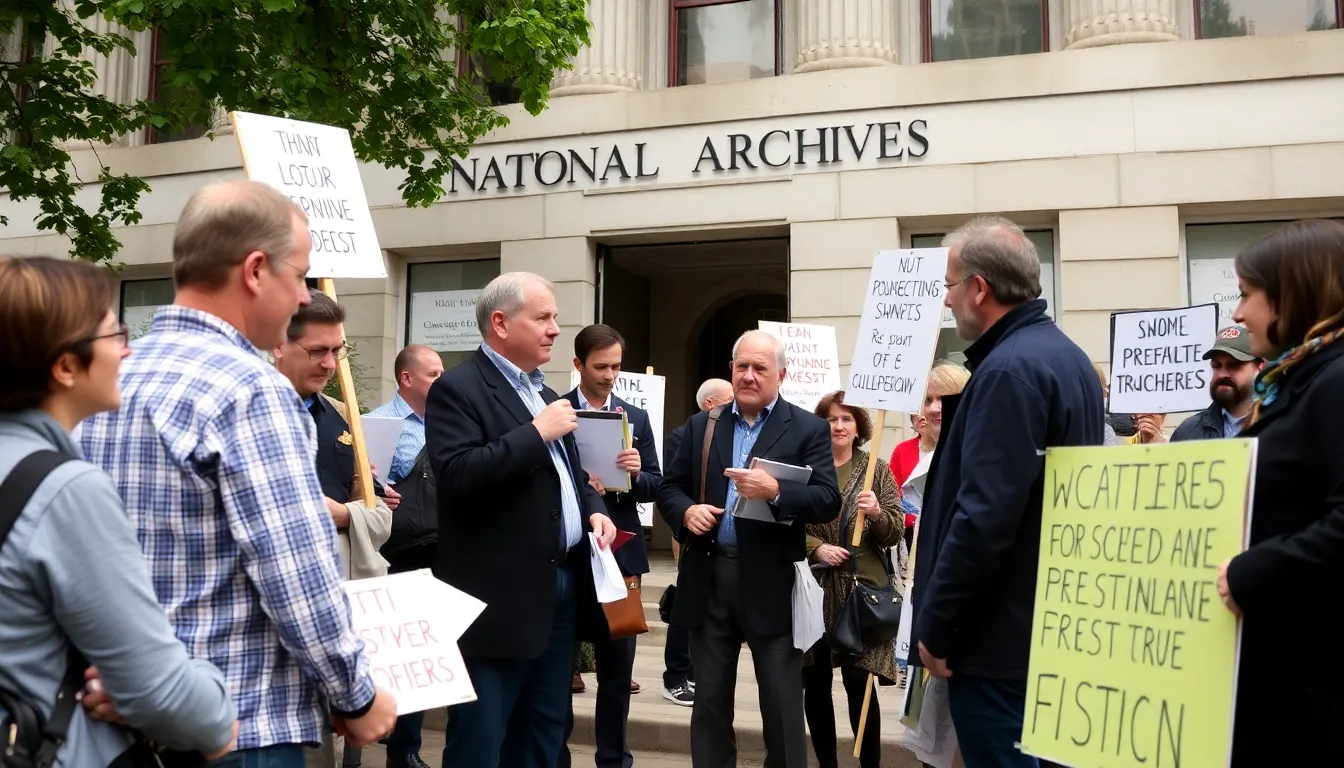
On October 1, 2023, the National Archives released a batch of documents, but many significant files remain withheld. This selective disclosure has raised questions about transparency and accountability, especially among historians and political analysts who argue that the full context of Mandelson’s activities is essential for understanding the political landscape of that time. For more on the implications of governmental transparency, check out our article on Understanding the Costs of the Attacks on Iran.
Critics of the government’s approach, including opposition politicians and civil rights advocates, have called for the immediate release of all relevant documents. They contend that withholding information undermines public trust in government institutions and hinders historical research. The government, however, has cited national security and privacy concerns as reasons for not disclosing all files.
This situation is further complicated by ongoing debates about the balance between transparency and the protection of sensitive information. As the government navigates these challenges, the limited release of the Mandelson files continues to be a focal point in discussions about access to historical records and the public’s right to know.
Historical context of the Mandelson files and their significance
The release of the Mandelson files, which pertain to the political career of Peter Mandelson, a key figure in the New Labour movement, has sparked considerable debate in the UK. These documents are believed to contain sensitive information regarding political strategies, decision-making processes, and internal party dynamics during a transformative period in British politics. Understanding the context surrounding these files is essential to grasp the implications of their partial release by the British government, echoing themes seen in discussions about corporate accountability as illustrated in A firm hiring blind staff goes bankrupt but its mission continues.
Peter Mandelson served as a prominent advisor to Prime Minister Tony Blair and played a crucial role in the modernization of the Labour Party in the late 1990s. His tenure was marked by significant economic reforms and a shift towards centrist policies, which ultimately reshaped the political landscape in the UK. The files in question are seen as a window into the inner workings of this era, shedding light on how pivotal decisions were made and the controversies that ensued.
Historically, the release of government files has been a contentious issue, often balancing the public’s right to know against national security and privacy concerns. The 30-year rule, which allowed the public access to government documents after three decades, has been a critical framework for transparency. However, the current government’s decision to selectively release parts of the Mandelson files raises questions about accountability and the motivations behind withholding certain information.
Key milestones in the release of government documents
Over the years, several key milestones have influenced the release of government documents in the UK. Notably, the Freedom of Information Act 2000 marked a significant shift towards greater transparency, allowing citizens to request access to governmental records. However, the act also includes numerous exemptions, which the government can invoke to deny access to sensitive information. The selective release of the Mandelson files may reflect a continuation of this trend, where historical documents are scrutinized for their potential impact on current political narratives and further underscores the importance of legal frameworks like the FOIA in maintaining public trust, as seen in the film industry concerns detailed in Warner Bros. Employees Express Concerns Over Potential Paramount Ownership.
Key stakeholders and issues surrounding the release
The decision by the British government to selectively release the Mandelson files involves a complex interplay of various stakeholders, each with their own interests and concerns. Key actors in this scenario include the British government, the media, political analysts, and the public, all of whom have different stakes in the information contained within the files.
The British government, led by current political leadership, is primarily concerned with maintaining control over sensitive information that could impact national security or political stability. By limiting access to certain documents, the government aims to mitigate potential backlash or controversy that could arise from the full disclosure of the files.
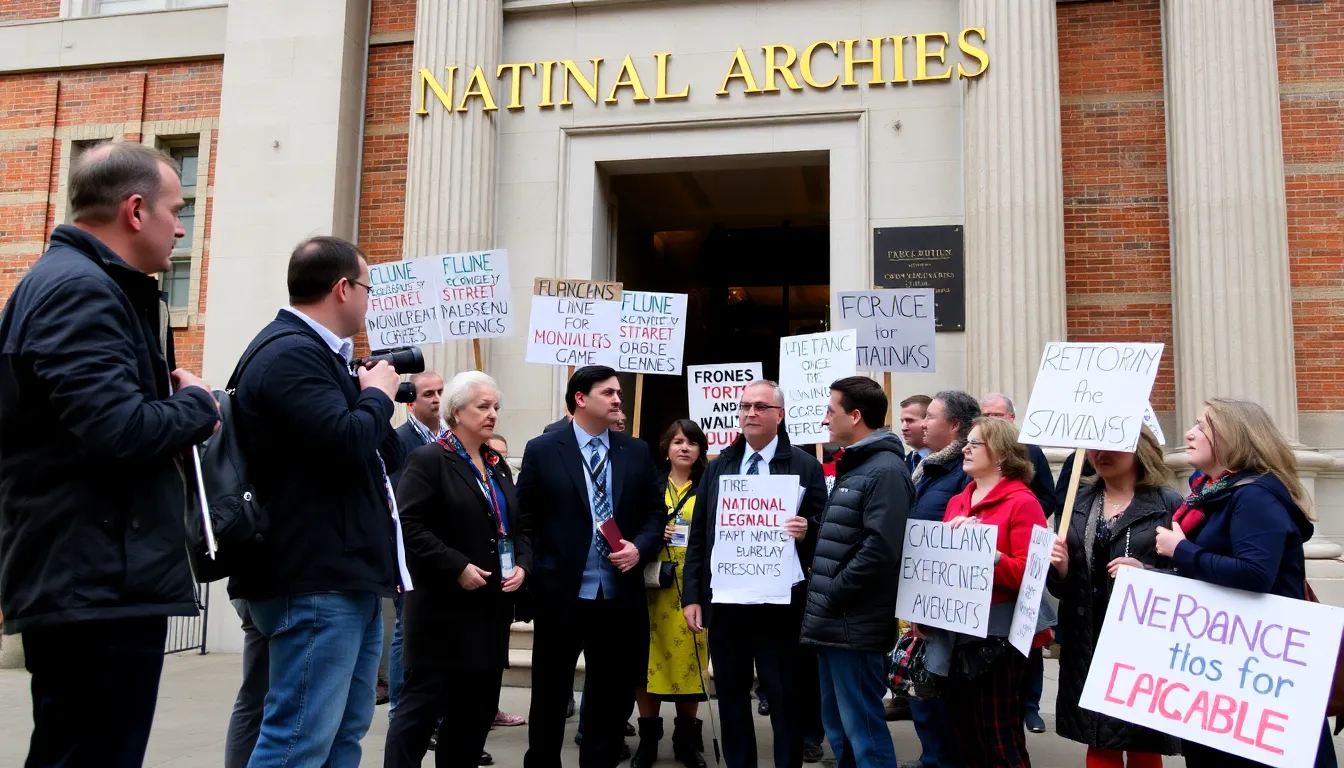
On the other hand, the media and political analysts are advocating for transparency and the public’s right to know. They argue that the complete release of the Mandelson files is essential for accountability and understanding the historical context of political decisions. This group views selective release as a potential manipulation of information that could skew public perception.
Another critical aspect of this issue is the legal framework surrounding the release of government documents. The Freedom of Information Act (FOIA) plays a significant role in determining what can be disclosed. However, the government often cites exemptions related to national security and personal privacy, leading to a trade-off between transparency and these legal protections.
- Government’s interest in controlling sensitive information.
- Media’s push for transparency and accountability.
- Legal constraints under the Freedom of Information Act.
- Public interest in understanding historical political decisions.
- Potential economic implications of revealing certain information.
Who is affected by the limited release of the files
The decision by the British government to release only selected portions of the Mandelson files has significant implications for various groups, industries, and regions. Primarily, political analysts, historians, and journalists are directly impacted as they seek comprehensive insights into the decisions made during Peter Mandelson’s tenure. This limited access may stifle thorough analysis and understanding of political dynamics in the UK.
In the business sector, industries that rely on government policy and political stability, such as finance, real estate, and technology, may experience uncertainty. Investors and stakeholders in these sectors are affected by the lack of transparency, which can lead to hesitancy in decision-making and investment strategies. Furthermore, regions that are economically dependent on government contracts or public sector employment may face challenges if policy directions remain unclear.
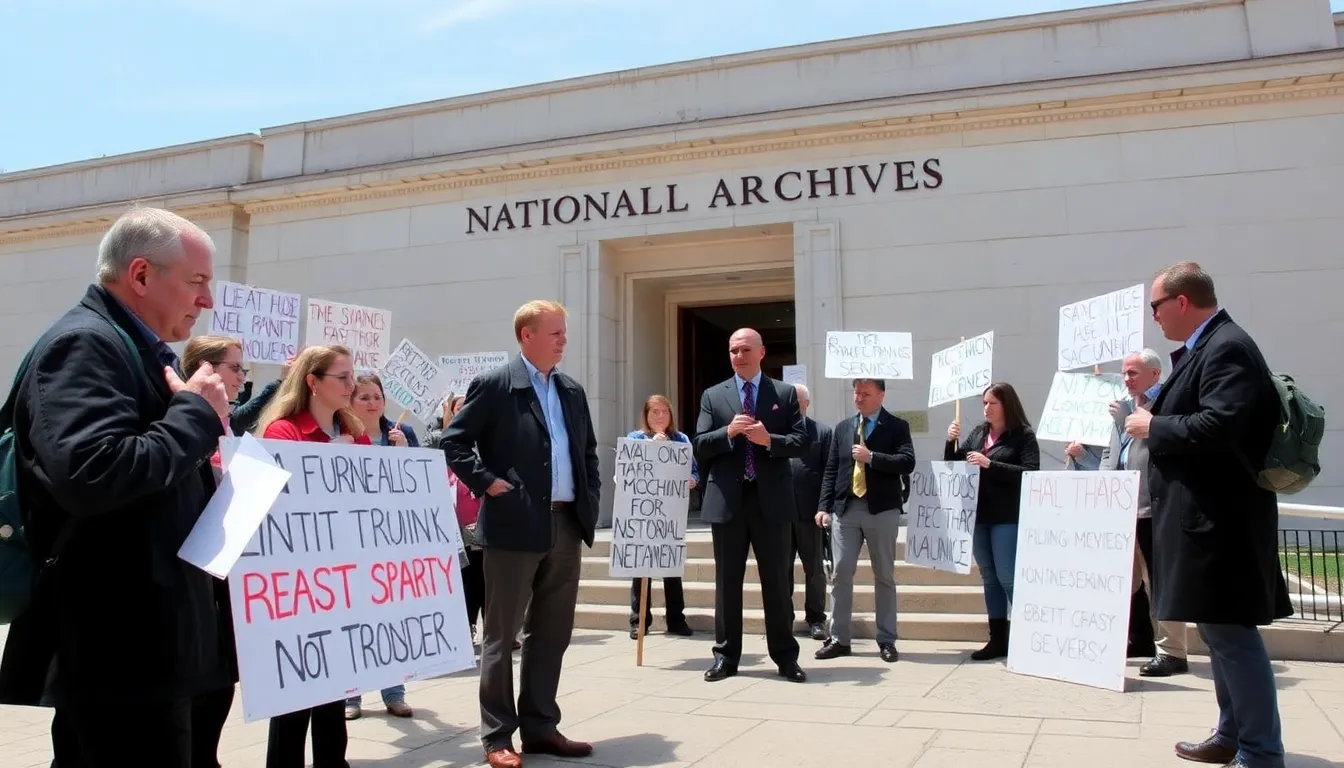
In the short term, the limited release of the Mandelson files could lead to a ripple effect of distrust among the public and media regarding government transparency. This could result in increased scrutiny of future government actions and policies, potentially causing delays in legislative processes. In the mid-term, the impact on public opinion may manifest in political mobilization, with citizens demanding greater accountability and access to information.
- Risks: Increased public distrust in government, potential investment hesitancy, and delays in policy implementation.
- Opportunities: A chance for advocacy groups to push for greater transparency and reform in government information release practices.
Overall, while the immediate effects may seem limited, the long-term consequences of restricted access to these files could reshape public perception and influence future governmental policies and practices.
A: The government cites national security and privacy concerns as primary reasons for the limited release. Additionally, there may be ongoing investigations that necessitate withholding certain information. A: Not releasing all the files can lead to public distrust in the government and speculation about the content of the withheld information. It may also hinder transparency and accountability. A: The government has not provided a specific timeline for the release of the remaining files. Future releases may depend on ongoing assessments of the information contained within. A: The decision on which files to release is typically made by government officials in consultation with legal advisors and security agencies, weighing the potential risks of disclosure. A: Public reaction has been mixed, with some advocating for full transparency while others understand the government’s position on security. There have been calls for more accountability in the decision-making process.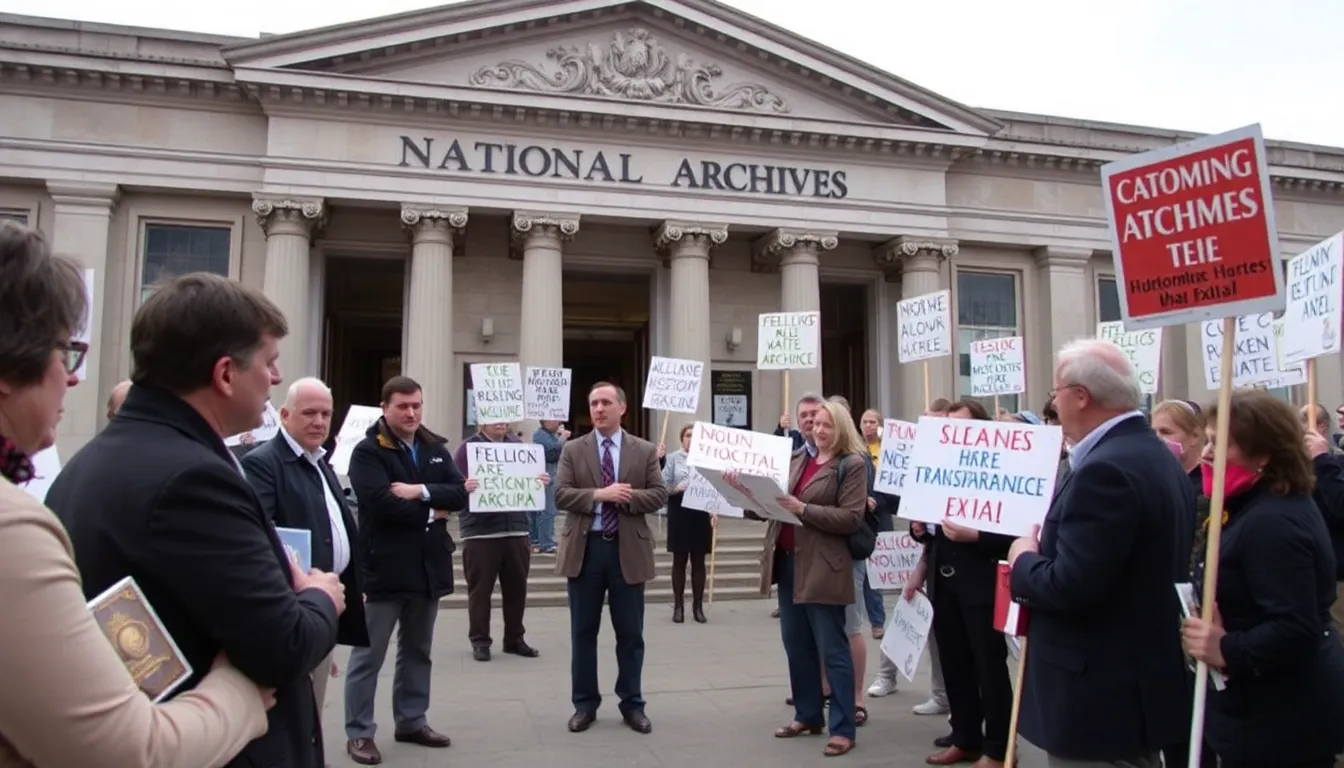
Frequently asked questions about the Mandelson files
Key takeaways and future outlook on the Mandelson files
The selective release of the Mandelson files by the British government raises significant questions about transparency and accountability in political processes. As these documents could shed light on key decisions and strategies from the past, the limited access may fuel speculation regarding the motivations behind such restrictions. Observers will be keen to understand how this decision may influence public trust in government and the implications for future disclosures of sensitive information.
Looking ahead, the ongoing debate surrounding the Mandelson files may prompt calls for more comprehensive access to historical documents, potentially reshaping the landscape of governmental transparency. Stakeholders, including historians, journalists, and the public, will be closely monitoring any further developments in this case, as they could have lasting effects on information policy and political discourse in the UK.
- The government’s decision may lead to increased scrutiny of other historical documents and the criteria used for their release.
- This situation could catalyze public demand for greater transparency and accountability from political leaders.
- Future releases or additional restrictions could indicate the government’s stance on openness in governance.
- The implications of this selective release may influence how future administrations handle sensitive information.
- Public and media reactions to the current situation might shape the narrative around political transparency in the UK.