
The company’s closure has raised concerns about the future of similar initiatives aimed at promoting diversity and inclusivity in the workplace, as discussed in our article on career redemption stories. Advocates argue that the loss of such a firm could lead to fewer job opportunities for blind individuals and a regression in the progress made towards equal employment rights.
Despite the bankruptcy, the mission of supporting blind professionals continues through various non-profit organizations and community efforts. These groups are working to fill the gap left by the company, offering training programs and resources to empower visually impaired job seekers, similar to initiatives highlighted in our coverage of community support programs.
Industry experts emphasize the importance of maintaining a focus on accessibility and inclusion, urging businesses to adopt practices that support hiring individuals with disabilities. The ongoing dialogue surrounding this issue highlights the need for sustained efforts to create a more equitable job market.
Understanding the background of the company’s mission and its challenges
The journey towards inclusivity for individuals with disabilities has been a long and complex one, shaped by social movements, legislative changes, and evolving public perceptions. Historically, people with disabilities faced significant barriers to employment, often relegated to low-paying jobs or excluded from the workforce entirely. The establishment of organizations that focused on hiring blind and visually impaired individuals emerged as a response to this systemic discrimination, aiming to provide meaningful employment opportunities and promote independence.
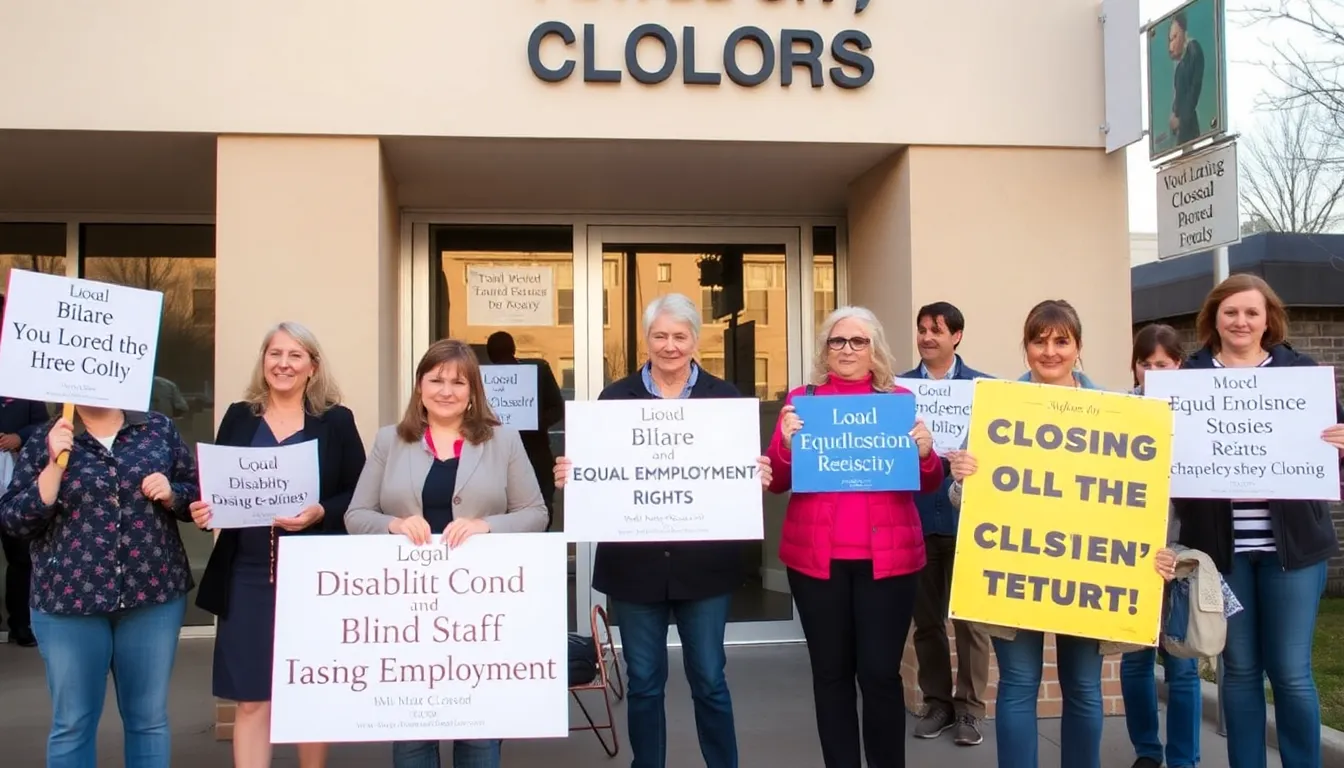
In the late 20th century, various laws, such as the Americans with Disabilities Act (ADA) in the United States, began to change the landscape for disabled workers. This legislation aimed to eliminate discrimination and ensure equal opportunities in the workplace. As a result, many firms began to adopt more inclusive hiring practices, recognizing the value that diverse perspectives bring to their organizations. However, despite these advancements, challenges remained, particularly for firms dedicated solely to employing blind staff.
The Rise and Fall of Inclusive Enterprises
Throughout the 2000s, several companies emerged with missions centered on hiring blind or visually impaired individuals, driven by a commitment to social responsibility and the desire to create a more equitable workforce. These firms often faced economic challenges due to limited funding, market competition, and the need to balance social missions with financial sustainability, which is also a theme echoed in discussions around business resilience. The recent closure of one such firm highlights the precarious nature of businesses that prioritize social impact over profit, yet it also underscores the ongoing need for advocacy and support for disabled workers.
Despite the setback of this particular company, the mission to empower blind individuals through employment continues. Various organizations and initiatives have sprung up to fill the gap, focusing on training, mentorship, and job placement services. The resilience of the community and the ongoing commitment from advocates and supporters demonstrate that while one firm may have closed its doors, the fight for inclusivity and equal opportunity in the workforce remains as vital as ever.
Examining the stakeholders involved and the key issues at play
The collapse of the firm that employed blind staff highlights a complex web of stakeholders, each with distinct interests and concerns. Key actors include the blind employees who sought meaningful employment, the management of the firm, investors, advocacy groups for disability rights, and government entities responsible for labor regulations and support for disabled individuals.
Blind employees were primarily motivated by the opportunity for gainful employment and the chance to contribute to society. Their interests extend beyond financial stability to include personal fulfillment and the ability to challenge societal stereotypes about disability. Conversely, the management of the firm aimed to create a sustainable business model while fulfilling a social mission, but may have faced challenges in balancing profitability with their commitment to inclusivity.
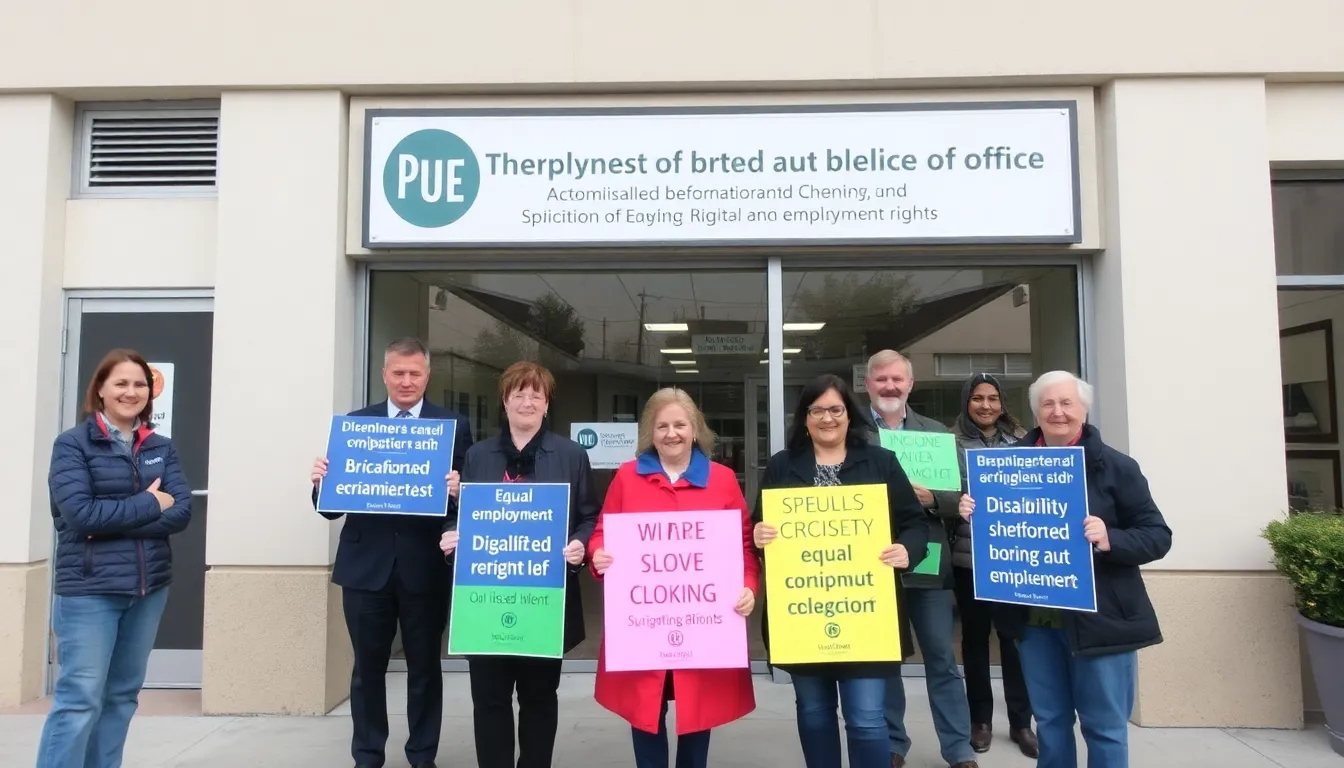
Investors had a vested interest in the firm’s financial health, which ultimately conflicted with the mission-driven approach of the management. This raises questions about the viability of businesses that prioritize social goals over traditional profit-driven models. Advocacy groups for disability rights are also significant stakeholders, as they seek to ensure that the mission of providing opportunities for disabled individuals continues, despite the firm’s failure.
Key legal and economic issues arise from this situation, including:
- The need for sustainable business models that align social missions with economic viability.
- Potential regulatory frameworks that could support businesses employing disabled individuals.
- Challenges in securing funding and investment for mission-driven enterprises.
- The responsibility of governments to provide support and incentives for inclusive hiring practices.
- The ongoing societal perceptions of disability and employment opportunities.
Overall, the interplay between these stakeholders and the challenges they face underscores the complexities of fostering inclusivity in the workforce while maintaining a viable business. The situation serves as a reminder of the need for innovative solutions and collaborative efforts to support the employment of individuals with disabilities.
The broader impact on the blind community and social enterprises
The collapse of the firm that focused on hiring blind staff reverberates throughout the blind community and social enterprises. This event not only affects the employees who lost their jobs but also raises questions about the sustainability of similar initiatives aimed at promoting inclusivity in the workforce. The ripple effects can be felt across various industries that rely on social enterprises to provide services and products.
In the short term, many blind individuals who were employed by the firm may face financial instability and emotional distress as they navigate the job market. Additionally, organizations that partner with or support similar firms may experience disruptions in their operations, leading to a potential loss of trust from stakeholders. The overall perception of social enterprises may also be negatively impacted, affecting future investments and support.
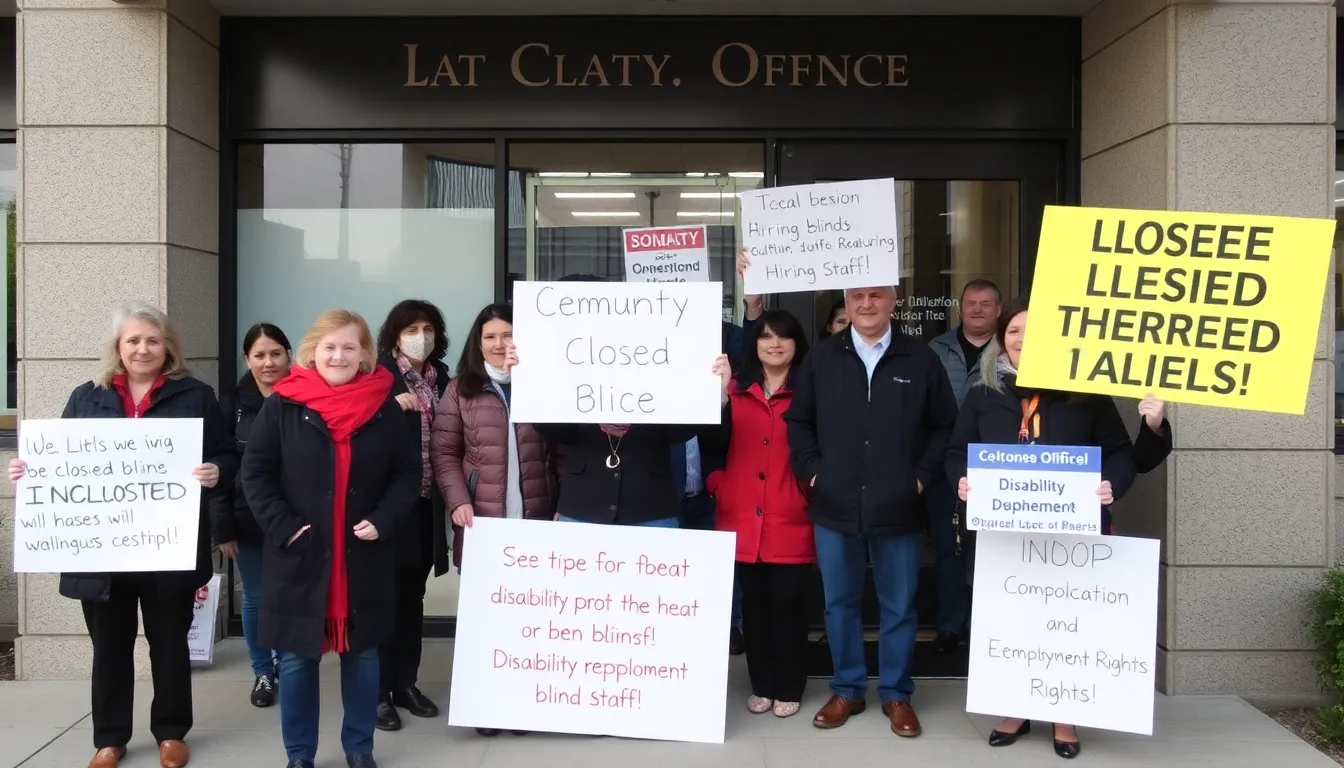
In the mid-term, there could be a shift in policy discussions surrounding employment for disabled individuals. Policymakers might reconsider funding and support for social enterprises, which could either lead to stricter regulations or create opportunities for new models of inclusive hiring. The need for innovative solutions to employment challenges faced by the blind community will be more pressing than ever.
- Financial instability for affected employees and their families.
- Potential loss of trust in social enterprises and their effectiveness.
- Policy shifts that may either hinder or help future initiatives.
- Increased awareness of the challenges faced by the blind community.
- Opportunities for new models of inclusive employment practices.
While the immediate aftermath of the firm’s closure presents significant risks, it also opens doors for new initiatives and collaborations. Other businesses and organizations may step in to fill the gap, leading to innovative approaches to hiring and supporting blind individuals in the workforce. This could ultimately strengthen the movement toward inclusivity and create a more resilient ecosystem for social enterprises.
A: The firm faced financial difficulties due to a lack of sustainable revenue streams and high operational costs, which ultimately led to its closure. A: The bankruptcy may limit job opportunities for blind individuals, but it also highlights the need for more sustainable models in social enterprises. A: The firm’s mission was to provide meaningful employment to blind individuals, promoting inclusivity and diversity in the workplace. A: Yes, there are several organizations and social enterprises focused on employing individuals with disabilities, each with varying degrees of success. A: Supporting policies that promote inclusive hiring practices and investing in social enterprises can help create a more sustainable environment for these initiatives.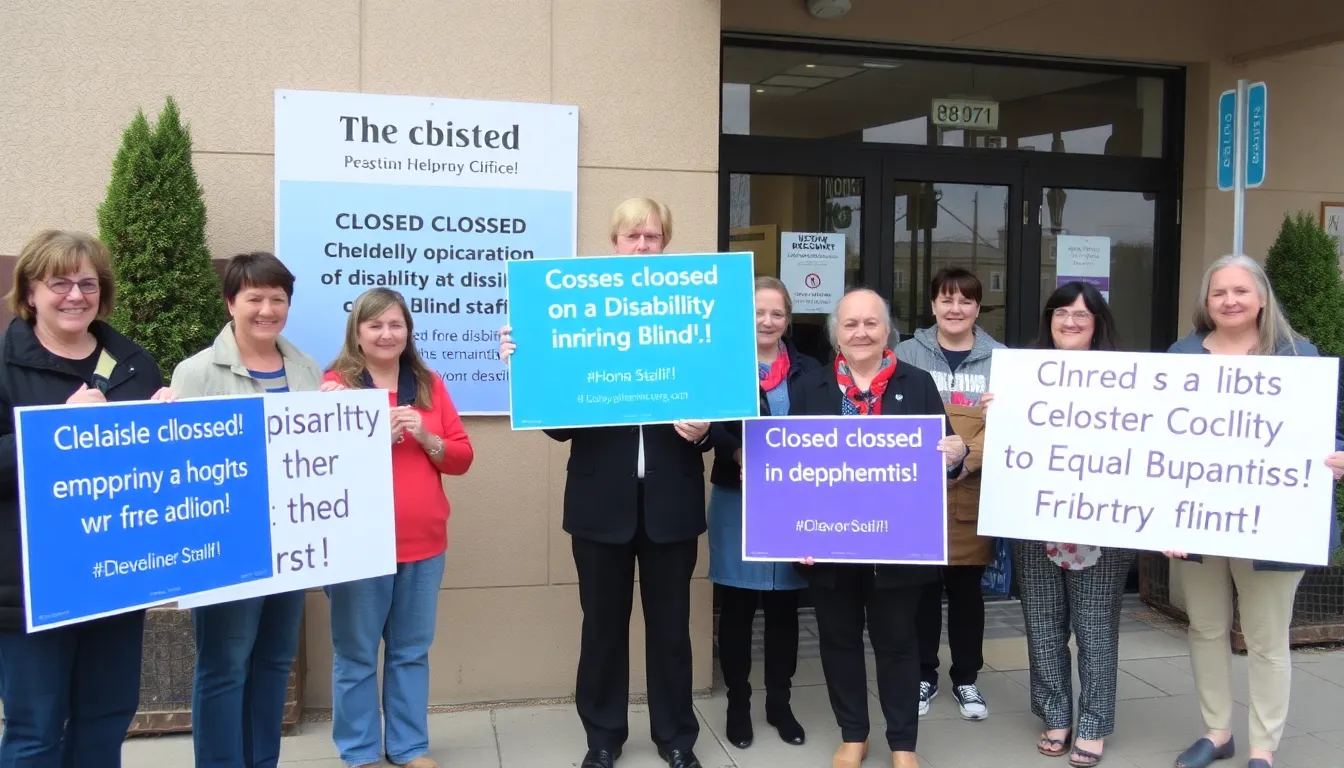
Frequently asked questions about the company’s mission and future
Key takeaways and future outlook for similar initiatives
The recent closure of a firm dedicated to hiring blind staff underscores the challenges faced by businesses operating with a social mission. Despite its demise, the commitment to inclusivity and the employment of individuals with disabilities remains vital. This situation highlights the importance of sustainable business models that can support such initiatives while still achieving financial viability.
Future efforts in this space should focus on integrating inclusivity into broader employment practices and ensuring that support systems are in place to help these businesses thrive. Collaboration with established companies and leveraging technology can enhance opportunities for individuals with disabilities, providing a pathway for success beyond the lessons learned from this unfortunate closure.
- Explore partnerships with established organizations to strengthen business models focused on inclusivity.
- Invest in technology and training that can facilitate the integration of blind staff into various work environments.
- Advocate for policies that support businesses hiring individuals with disabilities, ensuring sustainable funding and resources.
- Monitor market trends to identify viable opportunities that align with social missions and economic demands.
- Engage communities to raise awareness and support for inclusive hiring practices, fostering a cultural shift towards acceptance and integration.