
The latest win came on October 15, 2023, against Brighton, where City displayed a commanding performance, winning 4-0. This match not only highlighted their attacking prowess but also underscored their defensive strength, as they have conceded the fewest goals in the league thus far. Such statistics raise questions about whether any team can challenge their title aspirations.
With the WSL season still in its early stages, other clubs, including Chelsea and Arsenal, are under pressure to close the gap. Chelsea, the defending champions, have struggled with injuries and inconsistent form, while Arsenal’s recent performances have not matched their previous standards. As the season progresses, the ability of these teams to regain their footing will be critical in determining the title race.
The significance of Manchester City’s current form extends beyond just league standings; it reflects the growing competitiveness of women’s football in England. As more teams invest in their squads and infrastructure, the landscape of the WSL is evolving, making City’s dominance all the more noteworthy. Fans and analysts alike are keenly observing whether this trend will continue or if challengers will emerge to contest their supremacy.
Recommended Articles
- Japanese mayor apologises after calling staff human scum
- Trump files lawsuit against JPMorgan Chase and Jamie Dimon for billion
- Japanese ex-soldier reaches settlements in landmark sex abuse case
- Council commits to covering demolition costs for eroding coast
- NHS trust controversy over charity funds misuse
- Japanese mayor apologises after calling staff human scum
- Trump files lawsuit against JPMorgan Chase and Jamie Dimon for billion
- Japanese ex-soldier reaches settlements in landmark sex abuse case
- Council commits to covering demolition costs for eroding coast
- NHS trust controversy over charity funds misuse
Understanding the current WSL landscape and its dynamics
The Women’s Super League (WSL) has undergone significant transformation since its inception in 2011, evolving from a fledgling competition to a prominent fixture in women’s football globally. The league’s growth has been fueled by increased investment, sponsorship deals, and a surge in media coverage, which have collectively elevated the profile of women’s football in the UK and beyond. This evolution has created a more competitive environment, where clubs like Manchester City have established themselves as powerhouses.
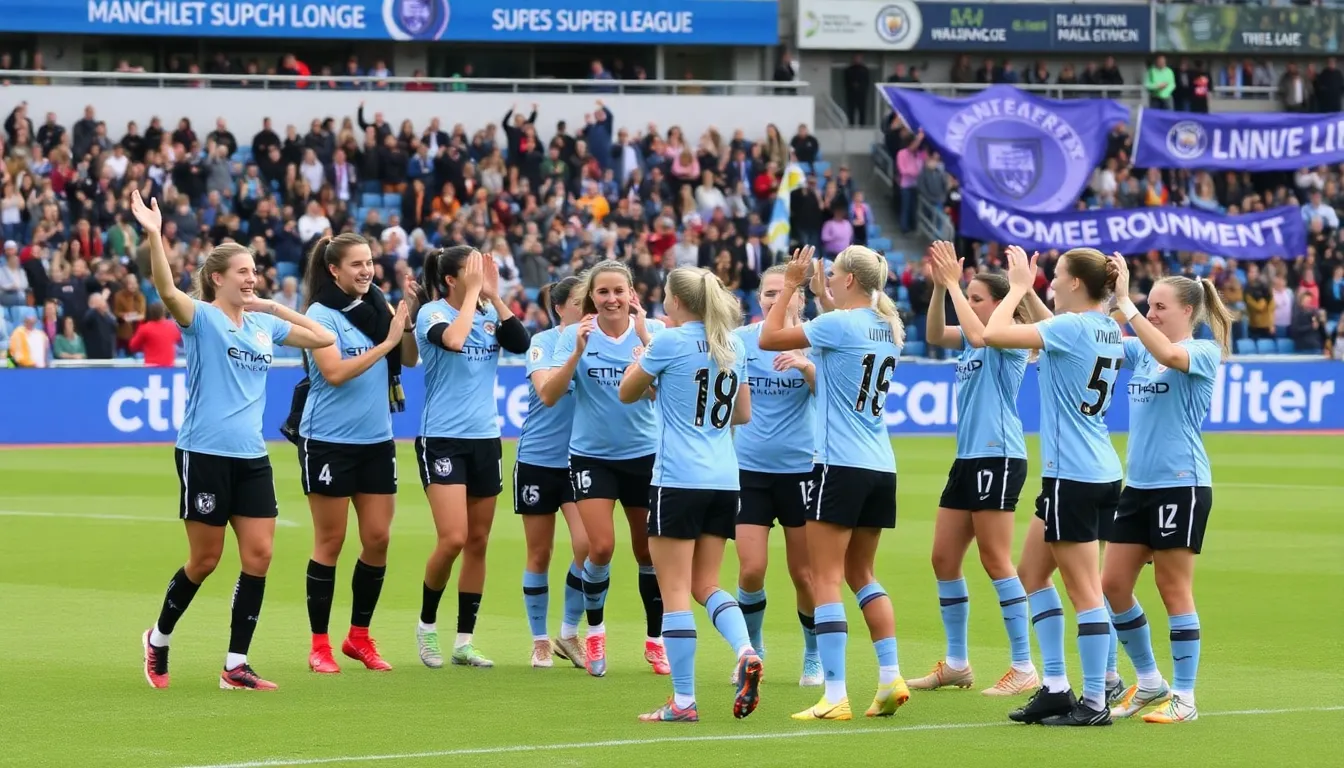
Historically, the WSL faced challenges in gaining recognition and legitimacy, often overshadowed by the men’s game. However, pivotal moments such as the 2015 FIFA Women’s World Cup, where the England national team reached the semi-finals, sparked a renewed interest in women’s football. This momentum continued with the introduction of full-time professional contracts for players, allowing them to focus solely on their careers in the sport.
Economically, the influx of funding from the FA and private investors has been crucial in shaping the league’s competitive landscape. Clubs have been able to attract top talent, both domestically and internationally, which has raised the overall standard of play. Manchester City’s recent successes in the league, including their current title defense, are a testament to the effectiveness of this investment strategy, positioning them as a formidable contender in the WSL.
The impact of recent developments
Recent developments, such as the establishment of a more structured league format and enhanced broadcasting deals, have also played a critical role in the WSL’s evolution. The introduction of VAR technology and increased focus on player welfare have further contributed to a more professional environment. As Manchester City continues to dominate, questions arise about the sustainability of their success and whether other clubs can close the gap, making the current title race a focal point of discussion among fans and analysts alike.
Key players and teams influencing the WSL title race
The Women’s Super League (WSL) has seen a dynamic shift in power and performance, particularly with Manchester City establishing themselves as formidable contenders. Key players in this scenario include not only the teams themselves but also the governing bodies, sponsors, and fans who all have vested interests in the outcome of the league.
Manchester City, under the guidance of their coaching staff and with a roster filled with talented players, aims to secure the WSL title. Their interest lies in maintaining dominance in women’s football, which also enhances their brand and attracts sponsorships. The club’s financial backing allows them to invest in top talent, further solidifying their position in the league.
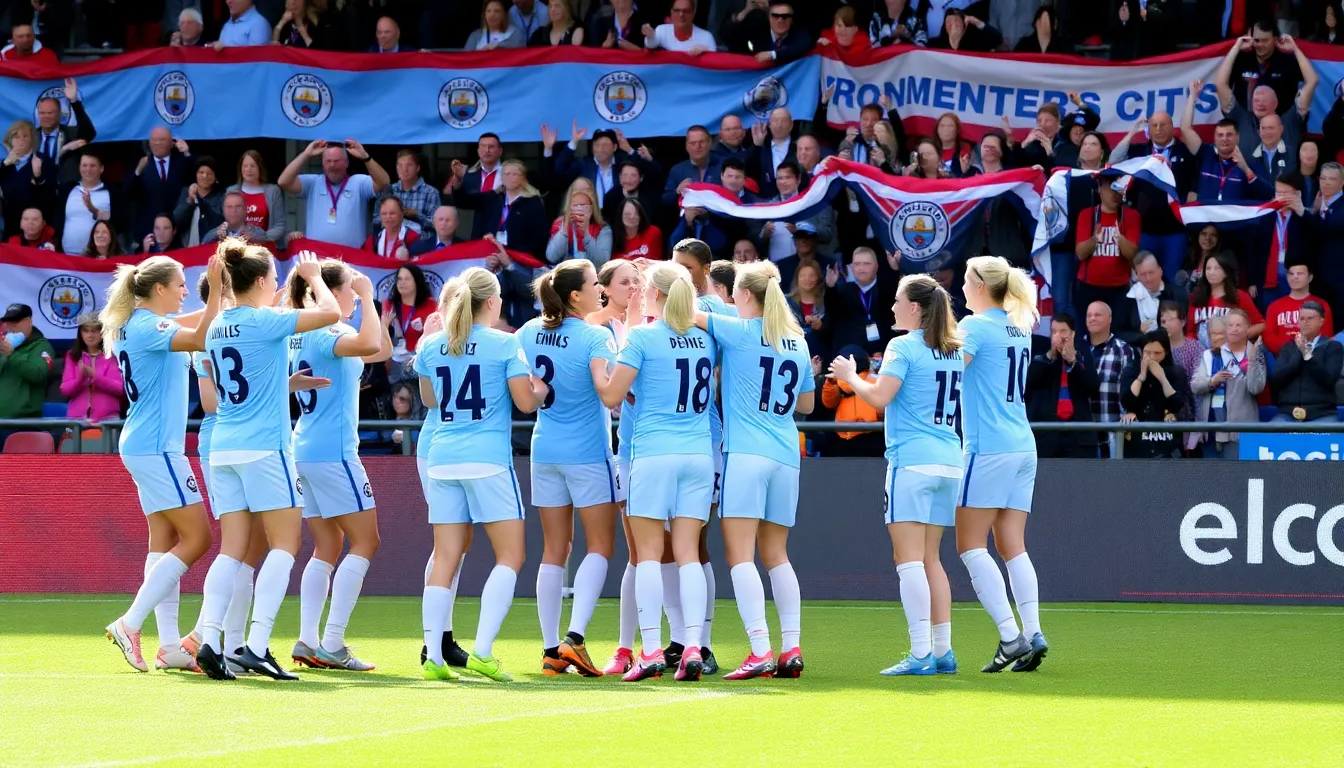
On the opposing side, clubs like Chelsea and Arsenal are also significant players in this race. Both teams have a history of competing at the highest level and are eager to reclaim or maintain their status as titleholders. Their interests align with not only winning the league but also ensuring financial stability and growth through successful performances.
- Competition for resources: The financial disparity among clubs affects their ability to attract top players and coaches.
- Fan engagement: The level of support from fans can influence club revenues and overall morale.
- Regulatory changes: Decisions made by governing bodies like the FA can impact league structure and funding.
- Player welfare: The physical and mental well-being of athletes is crucial, especially with the increasing demands of the season.
Additionally, the role of sponsors and broadcasters cannot be overlooked. Their investment in the league not only provides financial support but also raises the profile of women’s football, which can lead to increased viewership and engagement. The interests of these stakeholders often intersect, creating a complex web of relationships that can influence the direction of the title race.
Potential effects on teams and fans from the title race outcome
The conclusion of the title race in the Women’s Super League (WSL) has significant ramifications for various groups, particularly the teams, their fans, and the broader football community. With Manchester City emerging as a strong contender, the dynamics within the league are shifting, impacting not just the teams in contention but also those in the lower tiers.
Fans of Manchester City will experience a surge in morale and pride, celebrating their team’s success. Conversely, supporters of rival clubs may feel disappointment or frustration, which could influence attendance at matches and engagement in club activities. This emotional response can also affect merchandise sales, as fans often rally behind their teams in times of victory or defeat.
In the short term, businesses associated with the WSL, such as merchandise retailers, local pubs, and restaurants, may see an uptick in sales as fans celebrate or commiserate. However, for clubs that fail to secure a title or qualify for European competitions, there could be a decline in sponsorship opportunities and fan engagement, leading to potential financial instability.
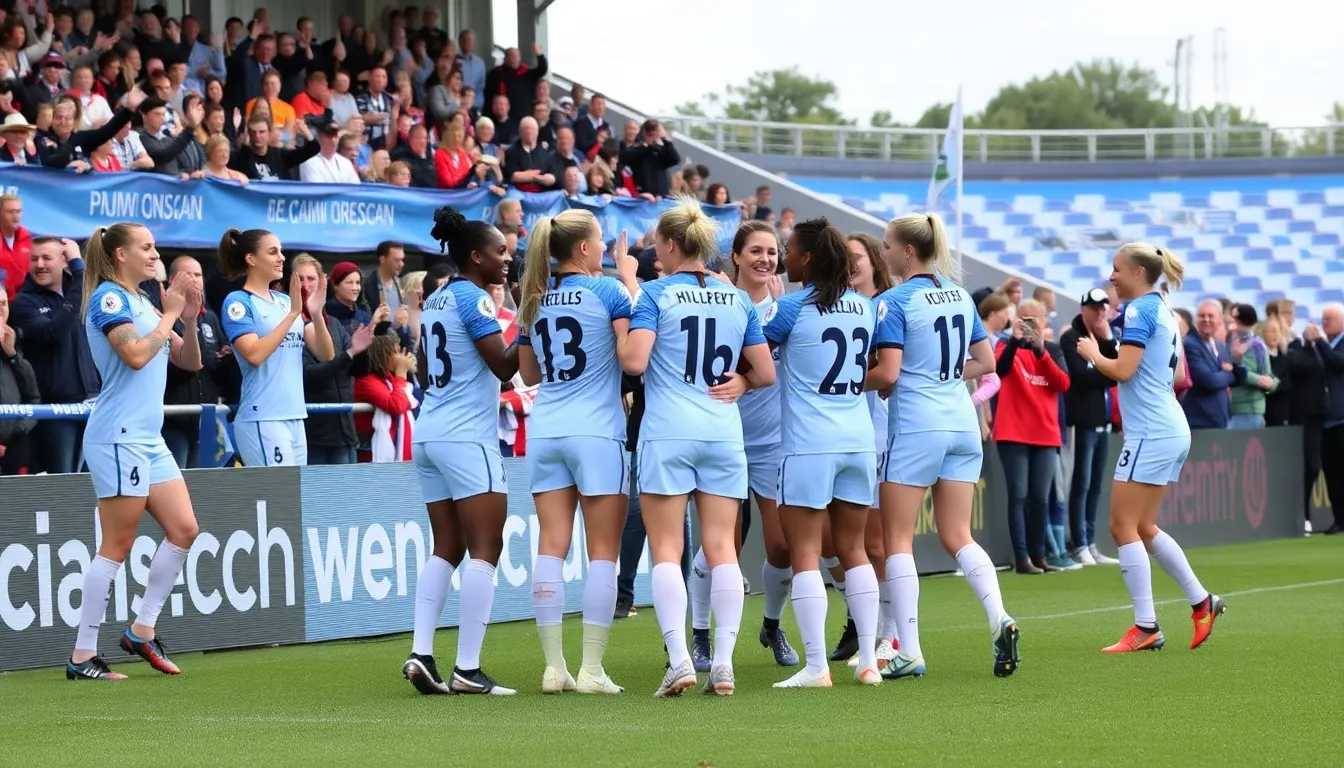
- Increased merchandise sales for Manchester City.
- Potential decline in attendance for rival teams.
- Short-term boost in local business revenues.
- Long-term risks for clubs not competing at the top level.
In the mid-term, the outcome of the title race could lead to shifts in club strategies. Teams may invest more in talent acquisition or youth development to remain competitive. This could create opportunities for emerging players and coaches, fostering a more vibrant football ecosystem. However, clubs that struggle to keep pace may face challenges in retaining talent, leading to a wider gap between the top teams and the rest.
Ultimately, the title race’s outcome will influence not only the immediate stakeholders but also the future landscape of women’s football, shaping policies regarding funding, support for grassroots initiatives, and the overall growth of the sport.
A: Man City’s victory solidifies their position at the top of the league, making it challenging for other teams to catch up. This win could indicate a shift in momentum towards them securing the title. A: While Man City appears strong, teams like Chelsea and Arsenal still have the potential to challenge, depending on their upcoming performances and consistency. A: The focus on the title race can sometimes overshadow the struggles of teams in the relegation zone, but their performance is crucial for the overall league dynamics. A: Man City’s remaining fixtures include several key matchups that will test their squad depth and resilience as they aim to maintain their lead. A: The WSL has seen increased competitiveness this season, with several teams showing significant improvement, making the title race more exciting.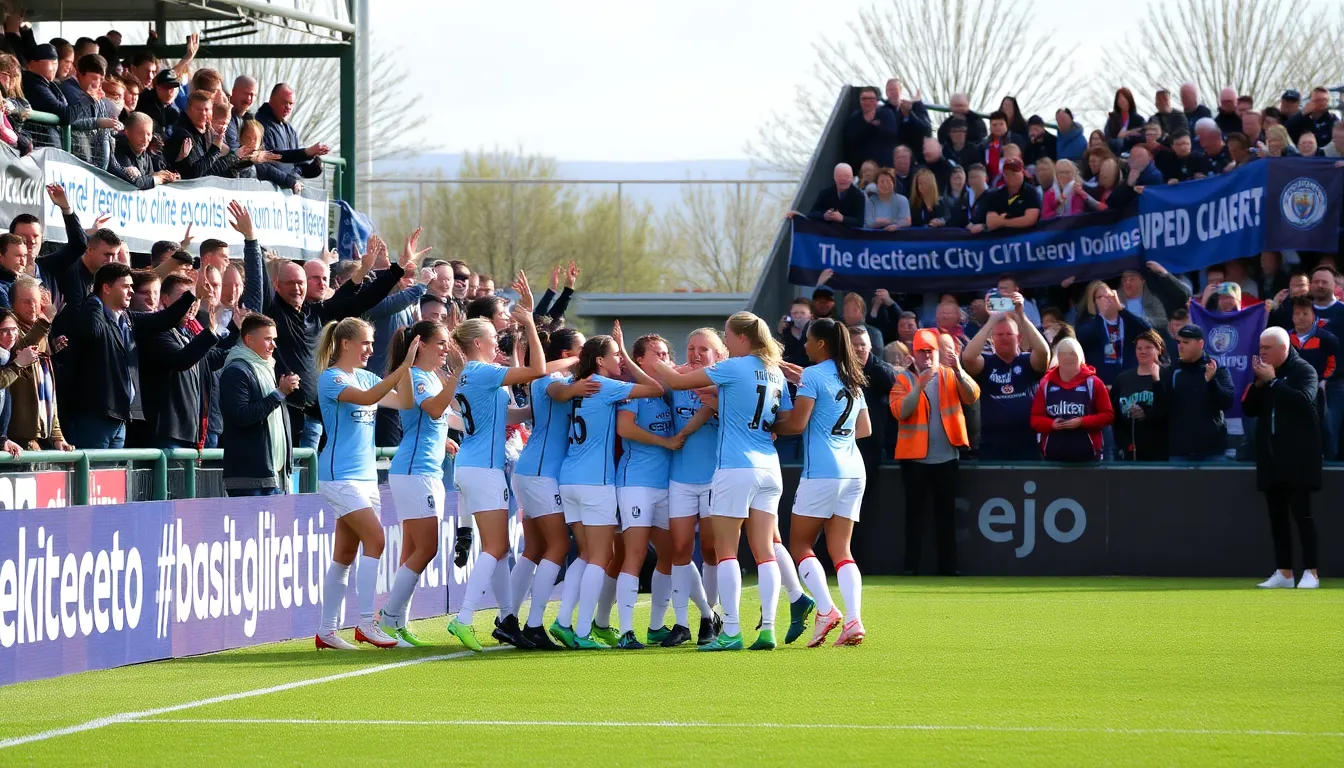
Frequently asked questions about the WSL title race
Looking ahead: What the future holds for the WSL
As Manchester City solidifies its position at the top of the Women’s Super League, the implications for the title race become increasingly significant. With their recent performances, City has not only demonstrated their dominance but has also set a high standard for their competitors. The remaining matches will be crucial for teams striving to close the gap, making every point vital in the pursuit of the title.
The focus now shifts to how other teams will respond to this challenge. Will they adapt their strategies in hopes of dethroning City, or will they succumb to the pressure? The next few weeks will reveal whether the title race is indeed over or if a dramatic turnaround is possible.
- Watch for tactical shifts: Teams may alter their game plans in an effort to counter City’s strengths.
- Player performances: Key players will need to step up; individual brilliance could turn the tide for challengers.
- Injury impacts: Monitor any injuries within City and their rivals, as these could influence match outcomes.
- Fixture congestion: The schedule will play a role; how teams manage fatigue could be pivotal in the final weeks.
- Fan engagement: Increased support and attendance could motivate teams to perform better in critical matches.