
On October 15, 2023, the council held a meeting where they discussed the urgent need for action in response to the deteriorating coastline. Local officials emphasized that the funding for demolition is necessary to ensure public safety and to prevent further damage to the environment. The decision marks a significant step towards addressing the long-term challenges posed by coastal erosion.
Community members have expressed mixed feelings about the council’s decision, with some supporting the proactive approach while others worry about the potential loss of property. The council plans to engage with residents to provide updates and gather feedback as the demolition process unfolds. This initiative reflects a broader commitment to sustainable coastal management and disaster preparedness.
As part of this effort, the council is also exploring options for restoring the coastline and enhancing natural defenses against erosion. Experts have been consulted to develop a comprehensive strategy that balances environmental conservation with community needs. The situation remains fluid, with ongoing discussions about future funding and support for affected residents.
Understanding the background of coastal erosion
Coastal erosion has been a persistent issue along many shorelines, exacerbated by natural processes and human activities. Historically, the interplay between rising sea levels, storm surges, and human development has led to significant land loss in coastal areas. This phenomenon has prompted local governments to address the challenges posed by erosion, particularly as communities face the dual threats of environmental degradation and economic instability.

In recent decades, the political landscape surrounding coastal management has shifted, with increased recognition of the need for sustainable practices. Local councils have been pressured to take action as erosion threatens property values, public infrastructure, and ecosystems. The commitment to fund demolition costs on eroding coasts reflects a growing acknowledgment of the long-term impacts of climate change and the necessity for proactive measures to protect vulnerable communities.
Key milestones in coastal management
Several key milestones have shaped the response to coastal erosion. In the early 2000s, the introduction of comprehensive coastal management plans marked a turning point, emphasizing the need for integrated approaches to address both environmental and economic concerns. Furthermore, landmark studies highlighted the effectiveness of managed retreat strategies, leading to increased funding for demolition and relocation efforts in high-risk areas. These developments have set important precedents for how communities adapt to ongoing coastal challenges.
The economic implications of coastal erosion cannot be overstated. As properties and infrastructure are threatened, the costs associated with remediation and rebuilding escalate. Local governments are increasingly tasked with balancing the budgetary constraints against the urgent need for action, often leading to difficult political decisions regarding resource allocation. The commitment to cover demolition costs is a crucial step in mitigating these challenges and ensuring the safety and resilience of coastal communities.
Key stakeholders and issues surrounding demolition costs
The decision by the council to commit to demolition costs for properties along the eroding coast has brought various stakeholders into the spotlight. These include local government officials, property owners, environmental groups, and the general public. Each group has its own interests and concerns regarding the implications of this decision.
Local government officials are primarily focused on public safety and the financial implications of coastal erosion. Their commitment to covering demolition costs reflects a recognition of the need to protect residents and infrastructure from the dangers posed by eroding coastlines. However, this also raises questions about budget allocations and the potential for increased taxes or cuts to other services.

Property owners are directly affected by the council’s decision, as it impacts their investments and living situations. Many property owners may feel anxious about losing their homes or businesses, leading to disputes over compensation and the timing of demolitions. The potential for decreased property values in the area also adds to their concerns.
Environmental groups are advocating for sustainable solutions to coastal erosion, emphasizing the importance of preserving natural habitats and ecosystems. They may support the council’s decision if it leads to a more comprehensive approach to environmental management, but they may also argue for alternative strategies that prioritize ecological health over immediate demolition.
Key issues arising from this situation include:
- Legal challenges: Property owners may contest the council’s authority to demolish buildings, leading to potential lawsuits.
- Economic trade-offs: The financial burden of demolition could divert funds from other critical community projects.
- Community impact: The emotional and social ramifications of displacement for affected families and businesses.
- Environmental considerations: The need to balance human interests with ecological preservation in coastal management.
- Long-term planning: The necessity for the council to develop a comprehensive strategy that addresses both immediate and future erosion challenges.
Effects of coastal erosion on the community
The ongoing issue of coastal erosion significantly affects various groups and industries within the region. Local residents, particularly those living near the coast, face the immediate threat of property damage and displacement. Additionally, businesses that rely on coastal tourism, such as hotels, restaurants, and recreational services, are at risk as beach access diminishes and natural attractions erode.

In the short term, the commitment to demolition costs by the council may alleviate some immediate concerns for affected homeowners, providing them with financial support to relocate or rebuild. However, this also creates uncertainty for businesses that depend on a stable coastal environment, leading to potential declines in customer footfall and revenue. The local economy may experience fluctuations as residents and tourists adjust to the changing landscape.
In the mid-term, the impact on policy will be profound. Local government may need to implement stricter regulations on coastal development and invest in sustainable practices to mitigate further erosion. This could lead to increased costs for new construction projects and modifications to existing structures. However, there is an opportunity for innovation in coastal management solutions, which could foster new industries focused on environmental protection and restoration.
- Risk of property damage and loss for coastal residents
- Decline in tourism-related revenues for local businesses
- Increased government regulations and potential costs for developers
- Opportunities for new industries in coastal management and restoration
Overall, while the risks associated with coastal erosion are significant, there is also potential for communities to adapt and innovate in response to these challenges. The council’s commitment to addressing demolition costs could serve as a catalyst for broader discussions on sustainable coastal development and community resilience.
A: The council recognized the urgent need to address the safety risks posed by coastal erosion, which has been exacerbated by climate change and severe weather. A: The council plans to allocate funds from its budget, potentially supplemented by state or federal grants aimed at disaster recovery and environmental protection. A: The demolition will primarily target structures that are at immediate risk due to erosion, particularly along the most vulnerable sections of the coastline. A: The timeline for demolition will be established following further assessments, but the council aims to start as soon as possible to mitigate risks. A: Yes, the council plans to hold public meetings to inform residents and gather input on the demolition process and its implications.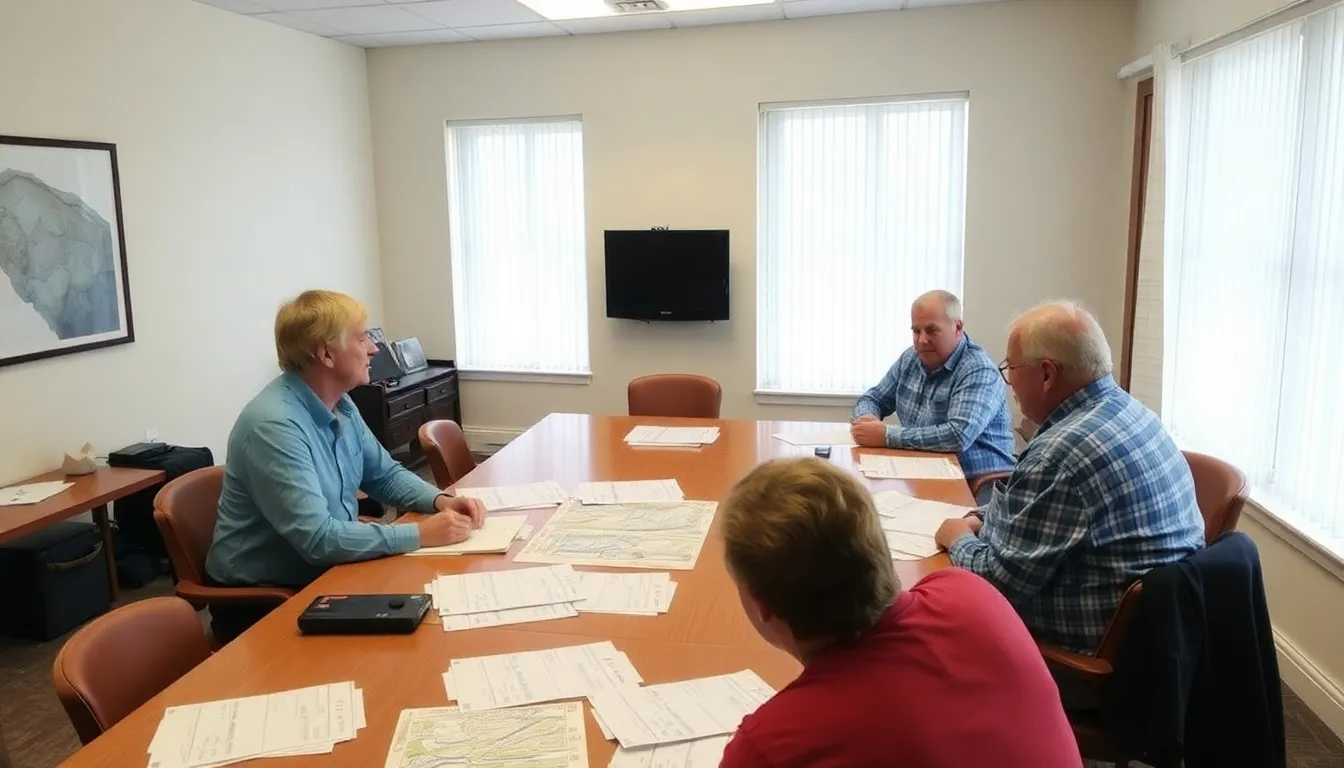
Frequently asked questions about the demolition costs
Looking ahead: implications of council’s decision
The council’s commitment to covering demolition costs on the eroding coast marks a significant step in addressing the challenges posed by climate change and coastal erosion. This decision not only highlights the urgency of the situation but also sets a precedent for future actions regarding coastal management and infrastructure resilience. As communities grapple with the impacts of environmental change, the council’s proactive approach may encourage other regions facing similar threats to take decisive action.
Moving forward, stakeholders will need to consider the long-term implications of this decision, including potential funding sources for ongoing maintenance and the need for comprehensive planning that incorporates both immediate and future risks. The balance between economic development and environmental preservation will be crucial in shaping the region’s resilience to coastal erosion.
- Watch for increased community engagement in discussions about coastal management strategies.
- Monitor potential partnerships with environmental organizations to enhance sustainability efforts.
- Keep an eye on funding opportunities that may arise to support further infrastructure improvements.
- Consider the impact of this decision on local property values and development plans.
- Evaluate the effectiveness of this approach in mitigating erosion over time and its implications for similar coastal areas.