
The first attack took place on October 14 at a beach in New South Wales, where a swimmer was bitten while enjoying the water. This was followed by three additional attacks, including one involving a surfer who sustained injuries while riding waves near Byron Bay. These alarming events have sparked discussions about the safety measures in place for beach users.
Authorities are investigating the circumstances surrounding these attacks, with marine biologists noting that environmental factors, such as warmer water temperatures and increased fish populations, may have contributed to the unusual shark behavior. Local lifeguards are on high alert, and daily safety briefings are being conducted to ensure that beachgoers are informed of potential risks. As the summer season approaches, the rise in shark attacks has raised critical questions about the balance between enjoying Australia’s beautiful beaches and ensuring public safety.
As the summer season approaches, the rise in shark attacks has raised critical questions about the balance between enjoying Australia’s beautiful beaches and ensuring public safety. Community leaders are urging residents and visitors alike to remain vigilant and adhere to safety guidelines while in the water.
Understanding the environmental factors leading to increased shark activity
The recent spate of shark attacks along the eastern beaches of Australia has raised alarm among local communities and authorities alike. Historically, these waters have been known for their rich marine biodiversity, which includes a variety of shark species. However, a combination of environmental changes, such as rising sea temperatures and altered food availability, has contributed to a noticeable increase in shark activity in the region. This change in behavior reflects a broader trend observed globally, where rising temperatures are influencing marine ecosystems and predator-prey dynamics.
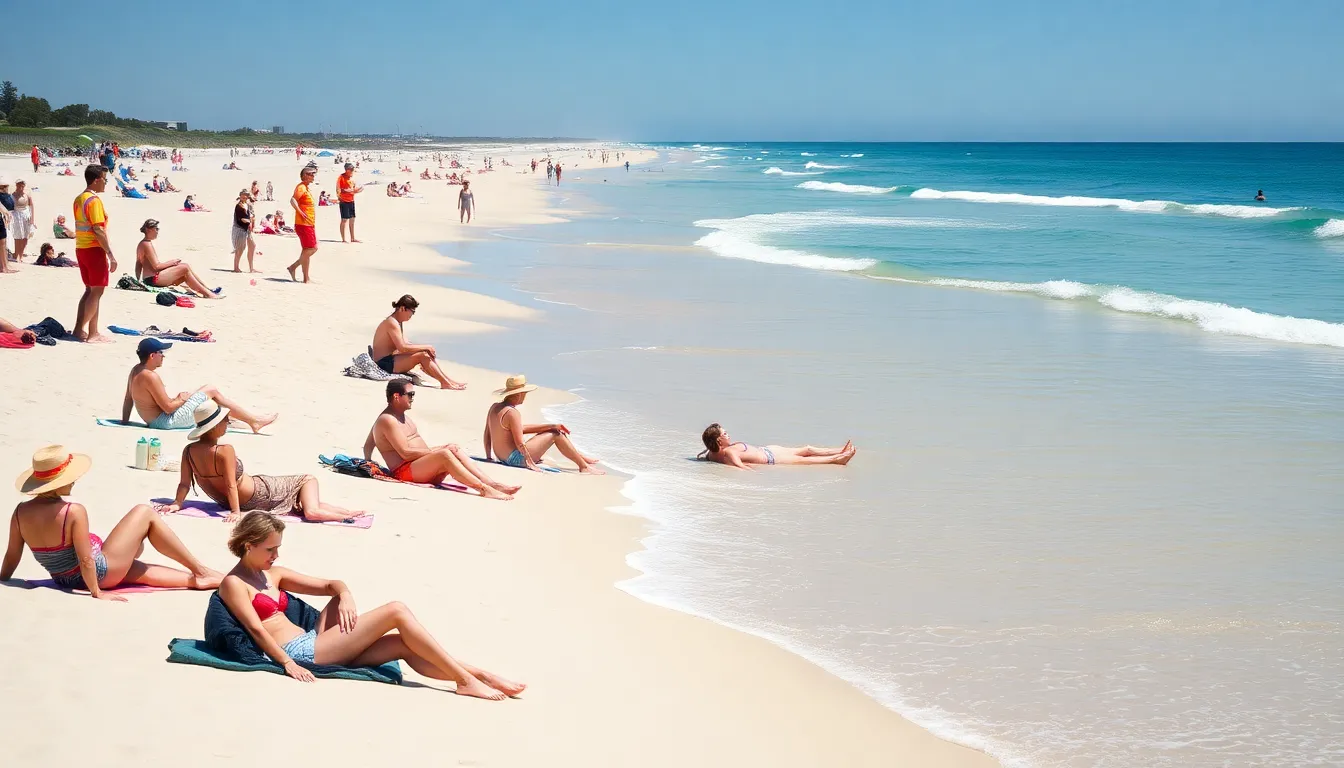
One significant factor is the ongoing impact of climate change, which has led to shifts in oceanic currents and temperatures. Warmer waters can attract more prey species closer to shore, subsequently drawing sharks into areas frequented by swimmers and surfers. This change in behavior reflects a broader trend observed globally, where rising temperatures are influencing marine ecosystems and predator-prey dynamics.
Historical context of shark conservation and human interaction
Over the past few decades, Australia has implemented various shark conservation measures aimed at protecting these apex predators. While these initiatives have been crucial in maintaining shark populations, they have also inadvertently led to increased encounters between sharks and humans. The growing popularity of water sports and beach activities has further intensified the likelihood of such interactions, particularly in regions where shark populations are rebounding.
Additionally, social factors play a role in the current situation. Increased media coverage of shark attacks can create a perception of danger that influences public behavior at the beach. This heightened awareness may lead to more people entering the water, inadvertently increasing the chances of encounters. As communities grapple with the dual challenges of shark conservation and public safety, finding a balanced approach has become increasingly complex.
In conclusion, the convergence of environmental changes, historical conservation efforts, and social dynamics has created a ‘perfect storm’ for shark activity along Australia’s eastern beaches. Understanding these factors is essential for developing effective strategies to mitigate risks while preserving marine biodiversity.
Key stakeholders and their responses to the shark attack crisis
The recent spate of shark attacks along the eastern beaches of Australia has drawn attention from various stakeholders, each with their own interests and concerns. These stakeholders include local government authorities, marine conservation organizations, beachgoers, the tourism industry, and shark researchers. Understanding their perspectives is crucial to navigating the complexities of this crisis.
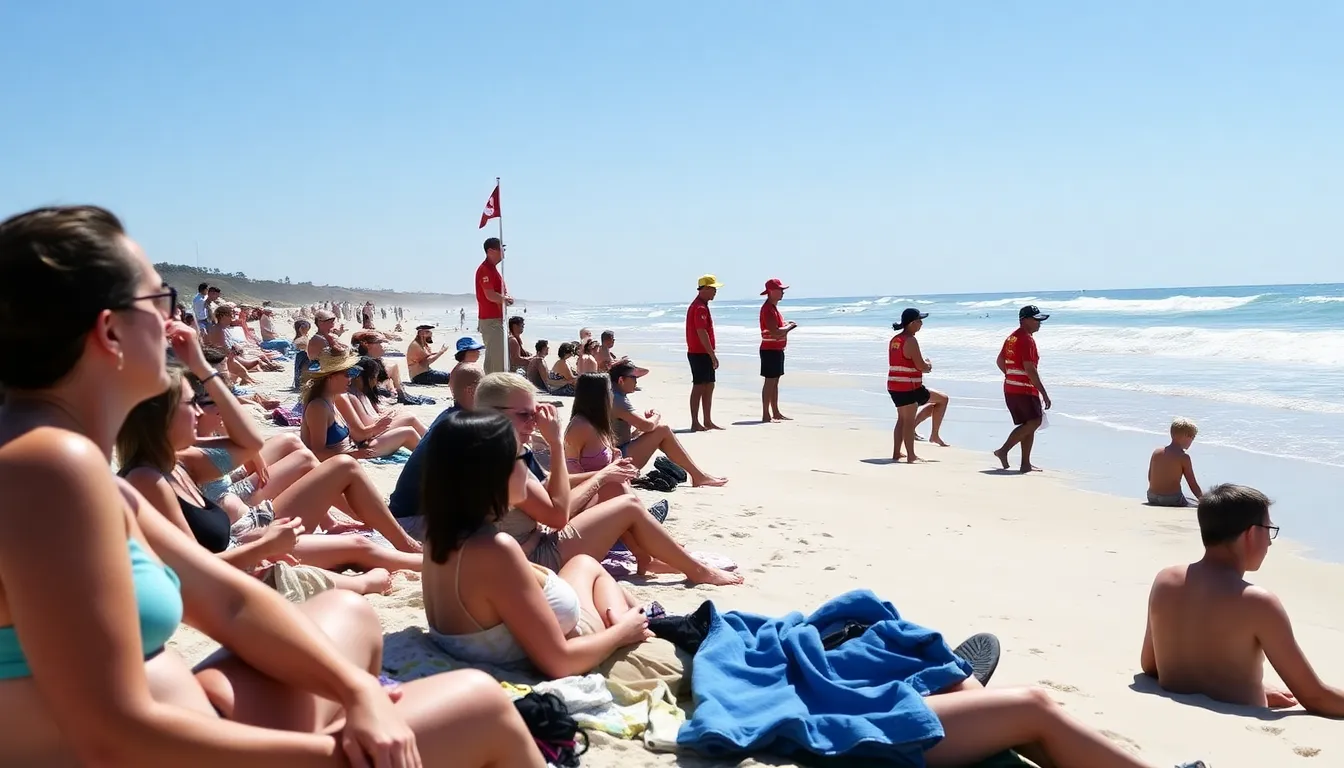
Local government authorities are primarily focused on public safety and the economic implications of these attacks. Their interests lie in ensuring that beaches remain safe for residents and tourists, which is vital for the local economy. In response to the attacks, many councils have increased surveillance, implemented shark nets, and engaged in public awareness campaigns about ocean safety.
Marine conservation organizations advocate for the protection of shark populations and the broader marine ecosystem. They argue that shark attacks, while tragic, are often a result of human encroachment into natural habitats. These organizations emphasize the need for balanced approaches that do not lead to unnecessary culling of shark populations, which can disrupt ecological balance.
- Public Safety: Local authorities prioritize measures to protect beachgoers, including increased patrols and shark monitoring.
- Economic Impact: The tourism sector fears that negative perceptions of beach safety could deter visitors, affecting local businesses.
- Conservation Efforts: Environmental groups push for sustainable practices that protect both sharks and human interests.
- Research and Data: Scientists advocate for more research to understand shark behavior and the factors contributing to attacks.
- Community Response: Beachgoers express a mix of fear and the desire for increased safety measures, often leading to public forums and discussions.
Conflicts arise as local governments attempt to balance public safety with environmental conservation. Implementing shark nets or culling programs may provide short-term safety but can have long-term ecological consequences. Additionally, the economic pressures from the tourism industry can lead to hasty decisions that may not align with sustainable practices.
As this situation evolves, the interplay between these stakeholders will be pivotal. Legal frameworks governing marine life protection and public safety regulations will shape the responses and strategies adopted in the wake of these attacks. Ongoing dialogue among stakeholders will be essential to develop a comprehensive approach that addresses both human safety and environmental stewardship.
The impact of shark attacks on local communities and tourism
The recent spate of shark attacks along the eastern beaches of Australia has sent shockwaves through local communities, significantly affecting residents, businesses, and tourists alike. The immediate response from beachgoers has been one of fear and caution, leading to a noticeable decline in beach attendance. This shift not only impacts the local economy but also alters the social fabric of coastal towns that thrive on their vibrant beach culture.

Tourism, a vital industry for many coastal regions, faces a challenging landscape in the wake of these attacks. With the perception of danger heightened, potential visitors may choose to vacation elsewhere, leading to a downturn in bookings for hotels, restaurants, and recreational activities. Local businesses that rely heavily on beach traffic, such as surf shops and cafes, are particularly vulnerable during this period of uncertainty.
In the short term, local governments may respond by increasing safety measures, such as the deployment of shark nets and surveillance drones. While these actions aim to reassure the public and restore confidence in beach safety, they also come with financial implications for local budgets. Additionally, there may be pressure to implement stricter regulations on fishing and marine activities, which could affect the livelihoods of those in the fishing industry.
- Increased beach safety measures that may strain local budgets.
- Decline in tourism leading to reduced income for local businesses.
- Potential policy changes affecting fishing and marine activities.
- Heightened community anxiety impacting daily life and local events.
However, amidst these challenges, there may also be opportunities for innovation and collaboration. Local businesses could pivot to offer new experiences, such as eco-tours or educational programs about marine life and shark conservation. Additionally, enhanced safety protocols might attract a new demographic of tourists interested in adventure and wildlife experiences, potentially balancing out the initial losses.
A: If you see a shark, remain calm and try to slowly back away. Avoid splashing and do not turn your back on the shark. A: Yes, some beaches have higher shark activity due to factors like water temperature, food availability, and local marine life. A: Authorities are increasing surveillance, providing public education on shark safety, and implementing beach closures when necessary. A: You can report a shark sighting to local authorities or beach patrols, who will then assess the situation and take appropriate action. A: Sharks tend to be more active during warmer months when water temperatures rise and food sources are abundant.
Frequently asked questions about shark attacks
Key insights and future outlook on shark safety
The recent surge of shark attacks along east Australia’s beaches highlights a complex interplay of environmental factors, human activity, and marine life behavior. As the region experiences changes in water temperature and baitfish populations, the likelihood of shark encounters increases, making it essential for beachgoers and authorities to adapt their safety protocols accordingly.
Looking ahead, it is crucial to enhance public awareness and develop more effective monitoring systems to mitigate risks. The collaboration between marine biologists, local governments, and the community can lead to better understanding and management of shark populations, ultimately ensuring safer beach experiences for all.
- Increased monitoring: Implementing advanced tracking systems for shark movements can provide real-time data to beachgoers and authorities.
- Public education: Raising awareness about shark behavior and safety measures can empower individuals to make informed decisions while swimming or surfing.
- Environmental considerations: Understanding the ecological factors that influence shark activity can aid in predicting potential risks and managing local marine environments.
- Community engagement: Encouraging local communities to participate in safety initiatives can foster a collective responsibility for beach safety.