
In a statement released on October 15, 2023, the trust acknowledged the claims and stated that an internal investigation is underway. The charity funds in question reportedly amounted to thousands of pounds, which were earmarked for specific health initiatives. The trust’s leadership is now facing scrutiny over their financial decisions and transparency.
Charity watchdogs have expressed alarm over the potential misuse of funds, emphasizing the importance of accountability in the healthcare sector. They argue that such actions undermine public trust and could deter future donations, ultimately impacting patient services. Stakeholders are calling for stricter regulations to ensure that charitable contributions are used appropriately.
The situation has also drawn attention from local politicians, who are demanding a thorough review of the trust’s financial practices. As the investigation unfolds, the implications of these allegations may extend beyond the trust itself, potentially affecting the broader NHS landscape and its relationship with charitable organizations.
Recommended Articles
Understanding the role of charity funds in NHS trusts
The National Health Service (NHS) in the United Kingdom has long relied on a network of charitable organizations to supplement its funding. Charitable donations play a crucial role in supporting various initiatives, from purchasing advanced medical equipment to funding patient care programs that are not covered by government budgets. As a result, NHS trusts often establish their own charity funds to facilitate these contributions and manage the allocation of resources effectively.
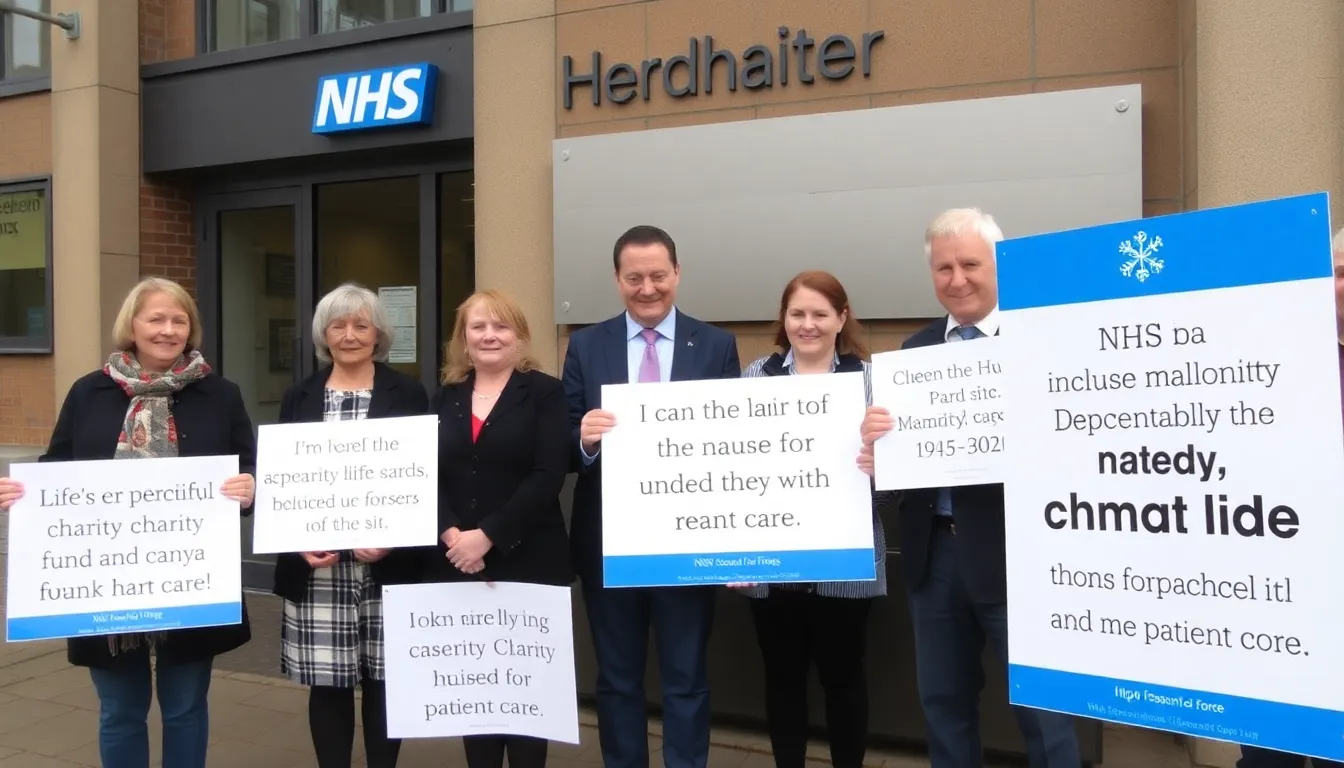
However, the use of charity funds has come under scrutiny in recent years, especially when instances arise where funds intended for patient care are diverted for other purposes. This situation reflects broader issues within the NHS, including funding constraints and increasing demand for services. As NHS trusts grapple with financial pressures, the line between appropriate and inappropriate use of charitable funds can become blurred, leading to public outcry and calls for greater accountability.
Historical context of NHS funding
The NHS was established in 1948 with the promise of providing healthcare free at the point of use, funded primarily through taxation. Over the decades, however, rising costs and an aging population have strained the system, necessitating the exploration of alternative funding sources. Charitable contributions emerged as a vital supplement, allowing NHS trusts to enhance services and facilities. Yet, this reliance on charity has also led to ethical dilemmas regarding the prioritization of patient care versus administrative expenses.
Key milestones in NHS funding reform, such as the introduction of the NHS Foundation Trust model in 2004, aimed to give local hospitals more financial autonomy and the ability to raise funds independently. While this was intended to foster innovation and responsiveness to community needs, it also paved the way for potential mismanagement of funds, as seen in recent controversies involving the misuse of charity donations for non-essential expenditures.
As public trust in the NHS is paramount, incidents like the misuse of charity funds for a leaving party can significantly damage the reputation of the institutions involved. Such events highlight the need for stricter governance and transparency measures within NHS trusts, ensuring that charitable contributions are used solely for their intended purpose: improving patient care and supporting the healthcare system as a whole.
Key stakeholders and issues surrounding the misuse of funds
The recent revelation that an NHS trust utilized charity funds to finance a leaving party has raised significant concerns among various stakeholders. Key actors in this scenario include the NHS trust, the charity organization involved, healthcare professionals, patients, and the general public. Each of these groups has distinct interests and concerns regarding the implications of this financial decision.

For the NHS trust, the primary interest lies in maintaining its reputation and securing future funding. Misuse of funds can lead to a loss of public trust and potential penalties. Conversely, the charity organization may face scrutiny regarding its governance and oversight mechanisms, raising questions about how donations are allocated and monitored.
Healthcare professionals, including doctors and nurses, may feel disillusioned by the actions of the NHS trust, as such incidents can detract from their efforts to provide quality care. Patients, who rely on these services, might express concern over the potential impact on healthcare resources, fearing that funds intended for patient care are being misappropriated.
Several key issues arise from this situation:
- Legal ramifications: The potential for legal action against the NHS trust could set a precedent for accountability in the use of charitable funds.
- Economic implications: Trust in the NHS could diminish, affecting funding and donations, which are crucial for operational sustainability.
- Ethical considerations: The ethical implications of using charity funds for non-charitable purposes raise questions about governance and accountability within the NHS.
- Public perception: The incident could lead to increased scrutiny of the NHS and its financial practices, impacting public support.
Overall, the interplay between these stakeholders and the issues at hand highlights the complexities of financial management within public health organizations, underscoring the need for transparency and ethical practices in the use of charitable contributions.
Potential consequences for the NHS trust and public trust
The recent revelation that an NHS trust utilized charity funds for a leaving party has raised significant concerns among various stakeholders, including patients, healthcare professionals, and the general public. This incident not only affects the reputation of the specific NHS trust involved but also casts a shadow over the entire healthcare system, leading to a potential erosion of public trust.

Patients and their families are likely to feel the immediate impact as they may question the integrity and financial management of healthcare institutions. This skepticism can lead to decreased patient engagement and reluctance to seek necessary medical care. In the mid-term, if public trust continues to wane, there could be a decline in donations to NHS charities, which are essential for funding various healthcare initiatives.
Healthcare professionals working within the NHS trust may also experience a shift in morale and job satisfaction. The perception of mismanagement could lead to increased scrutiny and pressure on staff, potentially impacting their performance and well-being. Furthermore, this incident may prompt policymakers to reassess funding protocols and oversight mechanisms for NHS trusts, leading to stricter regulations.
- Increased scrutiny of financial practices within NHS trusts.
- Potential decline in charitable donations to NHS organizations.
- Heightened public skepticism towards healthcare institutions.
- Opportunities for reform in financial management and accountability.
While the immediate risks are apparent, there may also be opportunities for the NHS to rebuild trust through transparency and accountability measures. By addressing the concerns raised by this incident and implementing better financial oversight, the NHS can potentially strengthen its relationship with the public and restore confidence in its operations.
A: The NHS trust is accused of using charity funds intended for healthcare purposes to pay for a leaving party for staff members, which raises ethical concerns. A: Charity funds are generally meant to support patient care and enhance services, and their misuse can undermine public trust in healthcare institutions. A: Investigations are underway to determine the validity of the claims, and the trust may face disciplinary actions if found guilty of misconduct. A: Such incidents can significantly damage public trust in the NHS, leading to increased scrutiny and calls for better governance and transparency. A: If found guilty of misusing funds, the NHS trust could face legal repercussions, including fines and loss of charity status.
Frequently asked questions about the NHS trust scandal
Looking ahead: implications for NHS funding and governance
The recent revelation that an NHS trust utilized charity funds for a leaving party raises significant concerns about financial oversight and ethical governance within the healthcare sector. This incident highlights the need for stringent regulations and transparency in the management of charitable donations, particularly in institutions that rely heavily on public trust and funding.
As the NHS faces ongoing challenges related to budget constraints and resource allocation, it is imperative that stakeholders remain vigilant in ensuring that funds are used appropriately and for their intended purposes. The implications of this situation extend beyond the immediate trust involved, potentially influencing public perception and support for healthcare funding initiatives across the country.
- Increased scrutiny of NHS financial practices may lead to stricter guidelines on the use of charitable funds.
- Healthcare organizations may need to enhance their transparency measures to rebuild public trust.
- Stakeholders should advocate for clearer policies regarding the allocation of funds within NHS trusts.
- This incident could prompt discussions about the role of charity in public healthcare funding and its ethical implications.
- Ongoing monitoring of NHS governance practices will be essential to prevent similar issues in the future.