
As the UK gears up for the Eurovision Song Contest, Look Mum No Computer, known for his eccentric performances and inventive soundscapes, is gaining prominence. His entry into the contest has sparked conversations about the future of music and the role of technology in artistic expression, particularly among younger audiences.
The museum not only showcases his own work but also highlights the contributions of other musicians and inventors who have pushed the boundaries of sound. Visitors can engage with various installations, including a Furby synthesizer, which exemplifies the playful yet profound nature of experimental music.
Scheduled events throughout the year, including workshops and live performances, aim to inspire the next generation of musicians and creators. This initiative is particularly significant as it encourages collaboration and innovation within the UK’s vibrant music scene, which is currently experiencing a renaissance.
Understanding the rise of Look Mum No Computer in the music scene
Look Mum No Computer, the brainchild of Sam Battle, has emerged as a unique figure in the UK music landscape, blending innovative technology with nostalgic sounds. His journey reflects a broader trend in the music industry where DIY culture and technological experimentation are increasingly celebrated. The rise of independent artists leveraging social media platforms has democratized music production, allowing creators like Battle to gain visibility without traditional industry gatekeepers.
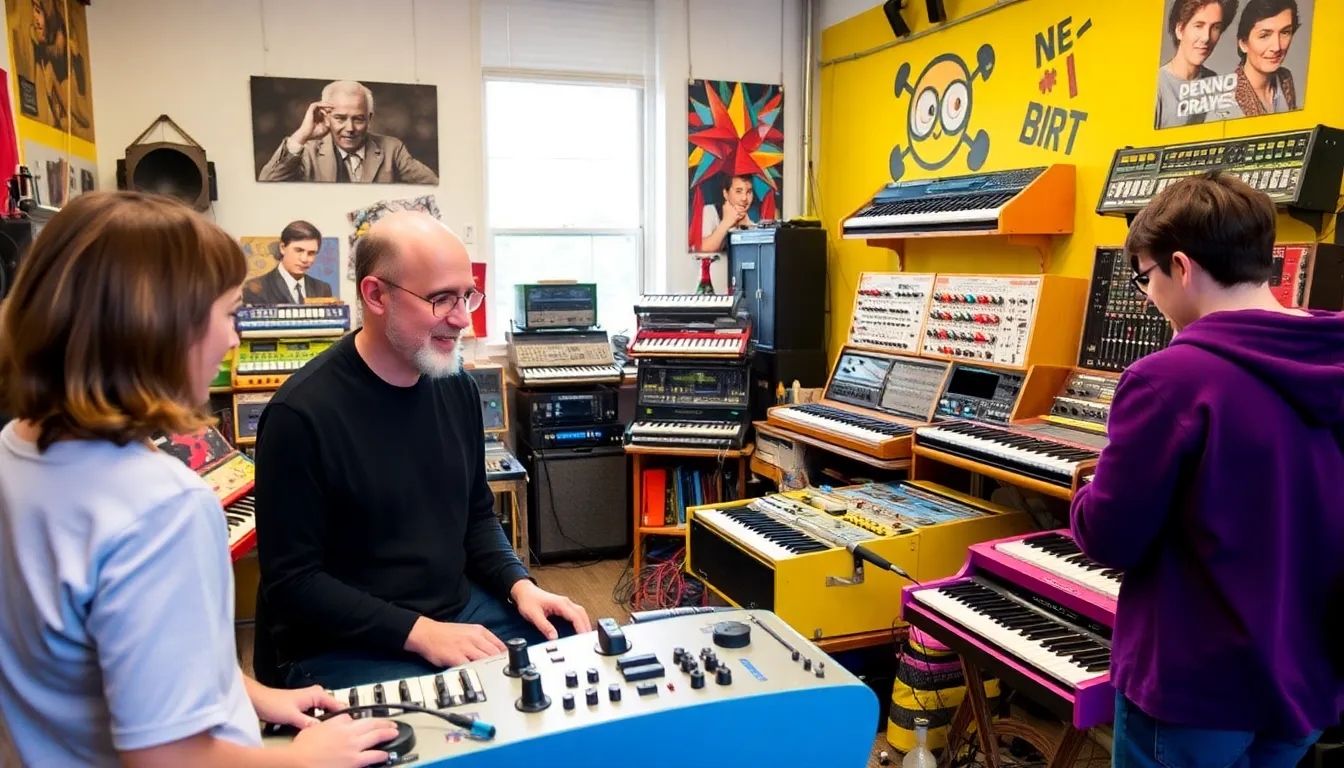
The origins of Look Mum No Computer can be traced back to the early 2000s, a period marked by rapid technological advancements. The proliferation of affordable music production tools and synthesizers allowed aspiring musicians to create and share their work more easily. Battle’s fascination with vintage toys and synthesizers led him to experiment with unconventional instruments, including the iconic Furby, which he transformed into a synthesizer, captivating audiences with his creativity and ingenuity.
In addition to his musical endeavors, Battle has established a music museum that showcases a collection of rare and unusual instruments, reflecting the rich history of electronic music. This museum serves not only as a testament to his passion for sound but also as an educational space where visitors can learn about the evolution of music technology. The museum’s opening aligns with a growing interest in interactive and immersive experiences within the arts, catering to a generation eager to engage with music in novel ways.
The impact of social media on music innovation
Social media platforms, particularly YouTube and Instagram, have played a pivotal role in Look Mum No Computer’s rise to fame. By sharing his experimental music projects and tutorials online, Battle has cultivated a dedicated following, inspiring others to explore the intersection of music and technology. This shift has not only transformed how artists connect with their audiences but has also fostered a community centered around creative collaboration and innovation.
As Look Mum No Computer prepares to represent the UK in Eurovision, his journey highlights the changing dynamics of the music industry, where individuality and creativity are increasingly valued. His story is a reflection of a cultural moment that embraces the unconventional, inviting audiences to explore the limitless possibilities of sound.
Examining the impact of Look Mum No Computer on contemporary music
Look Mum No Computer, the UK Eurovision entry, represents a unique intersection of technology, art, and culture. As a prominent figure in the contemporary music scene, his innovative use of instruments like the Furby synth has garnered attention not only from fans but also from various stakeholders in the music industry. These stakeholders include other artists, music producers, technology companies, and government bodies interested in promoting creative industries.
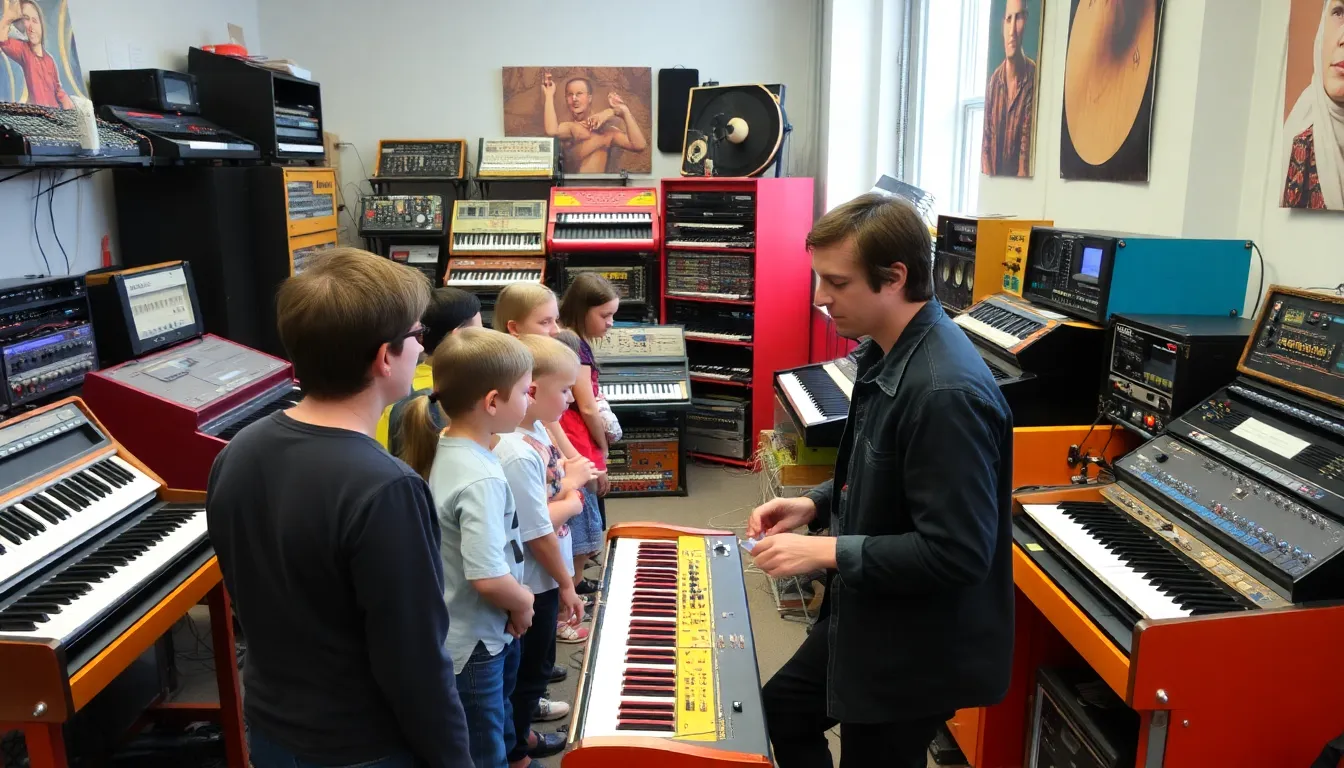
One of the central actors in this scenario is Look Mum No Computer himself, whose artistic vision challenges traditional music production methods. His approach appeals to a niche audience that values experimental sounds and DIY culture. This has implications for emerging artists who may feel empowered to explore unconventional methods of music creation, potentially shifting the landscape of the music industry towards more diverse and inclusive artistic expressions.
On the other hand, the interests of music producers and record labels may conflict with the ethos represented by Look Mum No Computer. Traditional industry players often prioritize commercial viability, which can lead to a tension between artistic innovation and profitability. This creates a trade-off where artists may need to navigate the expectations of the industry while remaining true to their creative impulses.
- Technological Advancements: The rise of digital tools and instruments opens new avenues for music creation, impacting how artists like Look Mum No Computer operate.
- Economic Considerations: The potential for commercial success versus the desire for artistic freedom presents ongoing challenges within the industry.
- Regulatory Environment: Government policies aimed at supporting the creative sector can influence the viability of independent artists and their projects.
- Cultural Shifts: The increasing acceptance of experimental music may lead to a broader recognition of diverse genres and styles.
As Look Mum No Computer continues to push the boundaries of music, his work will likely inspire discussions on the future of creativity in the digital age, highlighting the need for a balance between innovation and sustainability in the music industry.
How Look Mum No Computer influences aspiring musicians
Look Mum No Computer, the UK Eurovision entry, is not just a musical act; he represents a vibrant community of aspiring musicians and creators. His innovative approach to music, particularly through the use of unconventional instruments like the Furby synth, inspires young artists to explore new soundscapes and techniques. This influence extends beyond individual musicians to impact local music scenes, educational institutions, and even the broader entertainment industry.
The immediate effect of Look Mum No Computer’s presence is a surge in interest among aspiring musicians, particularly in the DIY and electronic music sectors. Workshops and events focusing on experimental music are likely to see increased attendance, fostering a culture of creativity and collaboration. Additionally, local businesses, such as music shops and cafes that host live performances, may experience a boost in foot traffic as more people seek to engage with this burgeoning music scene.
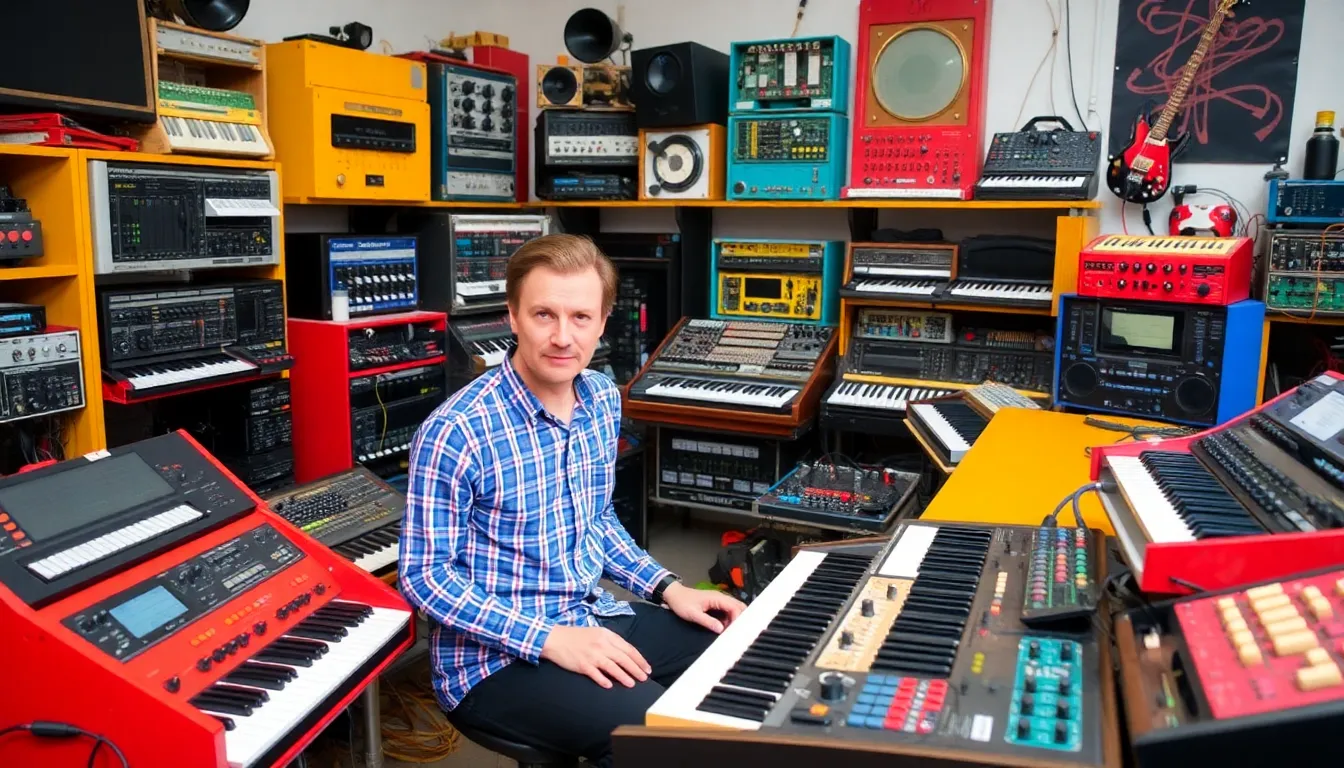
In the mid-term, the impact could lead to a shift in music education, where schools and colleges might incorporate more hands-on, experimental music-making into their curriculums. This could help cultivate a new generation of musicians who are not only skilled in traditional methods but also adept at using technology creatively. However, there are risks involved, such as the potential for oversaturation of the market with similar styles and the challenge of sustaining interest once the initial excitement fades.
- Increased interest in DIY music production
- Boost in local music-related businesses
- Potential changes in music education curriculums
- Risk of market oversaturation
- Opportunity for collaboration among artists
Overall, Look Mum No Computer’s influence is likely to create a ripple effect throughout the music community, encouraging innovation while also presenting challenges that must be navigated carefully. As aspiring musicians embrace new technologies and methods, the landscape of music in the UK may evolve dramatically, presenting both exciting opportunities and potential pitfalls.
A: Look Mum No Computer is known for his innovative approach to music, often using unconventional instruments and technology. He gained wider recognition as the UK Eurovision entry, showcasing his unique style. A: The music museum is located in the UK, featuring a variety of musical instruments and exhibits that highlight the creative process of Look Mum No Computer. A: Yes, visitors are encouraged to interact with the instruments, including the famous Furby synth, allowing them to experience the creative process firsthand. A: Look Mum No Computer was inspired by his passion for music and technology, aiming to create a space where people can explore and experiment with sound. A: Yes, the museum regularly hosts events and workshops where attendees can learn about music production and experiment with various instruments.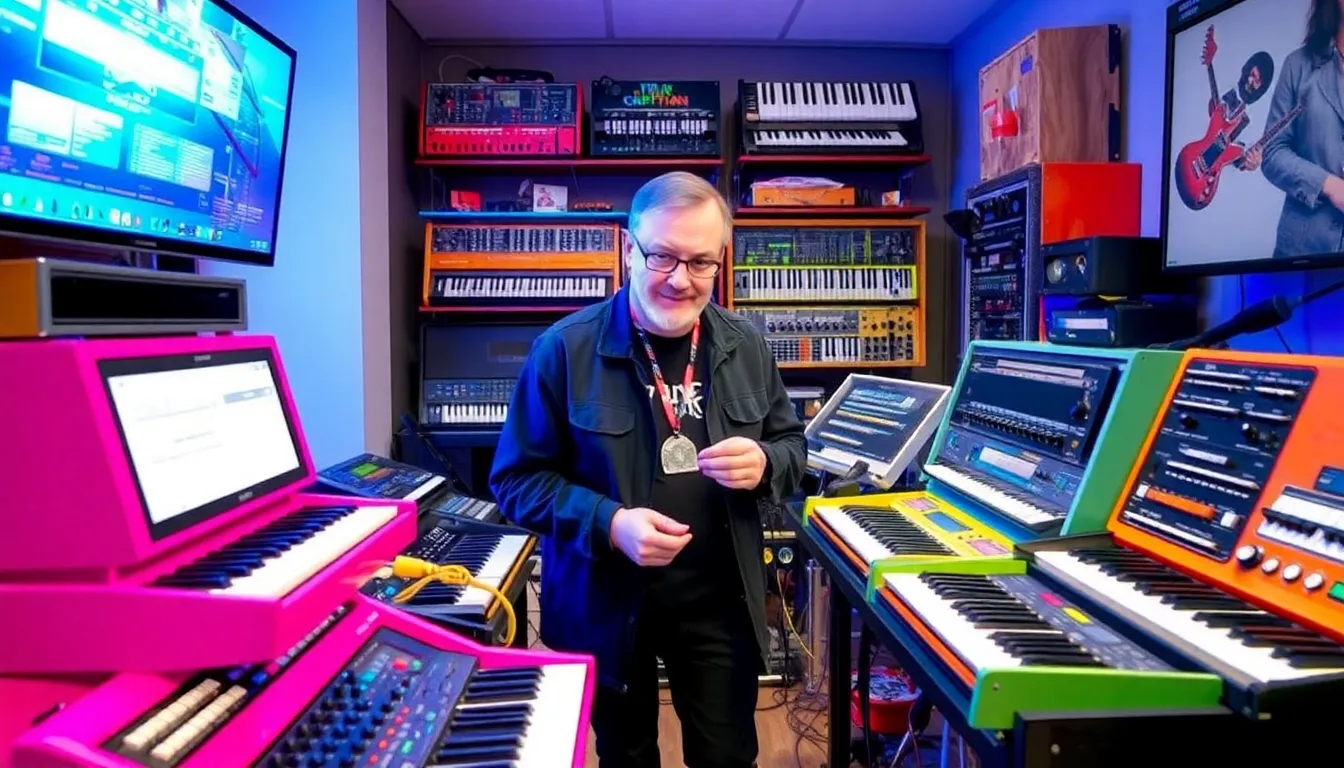
Frequently Asked Questions about Look Mum No Computer and his museum
Key insights and future outlook on Look Mum No Computer’s contributions
Look Mum No Computer’s innovative approach to music and technology is reshaping the landscape of modern sound production. His unique blend of DIY ethos and avant-garde instrumentation not only captivates audiences but also inspires a new generation of musicians and creators. As the UK Eurovision entry, he brings a fresh perspective that challenges traditional norms and encourages experimentation in the music industry.
As we look ahead, the intersection of art and technology will likely continue to evolve, with Look Mum No Computer at the forefront. His music museum serves as a testament to the potential of unconventional instruments and the importance of accessibility in creativity. Observing his journey may provide valuable insights into the future of musical expression.
- Expect a rise in the popularity of DIY music-making as artists seek to emulate Look Mum No Computer’s hands-on approach.
- Watch for collaborations that bridge the gap between technology and traditional music, potentially leading to new genres and styles.
- Keep an eye on the evolution of music education, as Look Mum No Computer’s methods may influence teaching practices in schools and workshops.
- Monitor how the integration of unconventional instruments in mainstream music could redefine sound production and audience expectations.