
The concert film was directed by Sam Wrench, known for his innovative approach to music videos and live performances. Eilish’s decision to utilize 3-D technology highlights her commitment to pushing artistic boundaries and enhancing audience engagement. This move is particularly significant as it reflects a growing trend in the music industry towards more interactive and visually captivating experiences, similar to the innovative techniques seen in Oasis’s upcoming tour documentary.
Fans and critics alike have responded positively to the film, praising its ability to transport viewers into Eilish’s world. The unique format not only showcases her musical talents but also emphasizes the emotional depth of her performances. This project marks a pivotal moment in her career, further establishing her as a leader in the evolving landscape of music entertainment.
As the concert film gains traction, it is expected to influence how artists conceptualize and present their work in the future. By embracing cutting-edge technology, Eilish sets a new standard for live performances, encouraging other musicians to explore innovative ways to connect with their audiences. The release of this film could signal a shift in how concert experiences are designed and consumed in the digital age.
Understanding the artistic journey of Billie Eilish
Billie Eilish has emerged as a defining voice in contemporary music, captivating audiences with her unique blend of pop, alternative, and electronic sounds. Since her debut single “Ocean Eyes” in 2015, Eilish has consistently pushed the boundaries of genre and artistry, reflecting the complexities of modern youth culture. Her rise to fame coincided with a significant shift in the music industry, where streaming platforms have transformed how artists distribute and promote their work, a topic explored further in Monia Chokri’s leadership at Cannes.
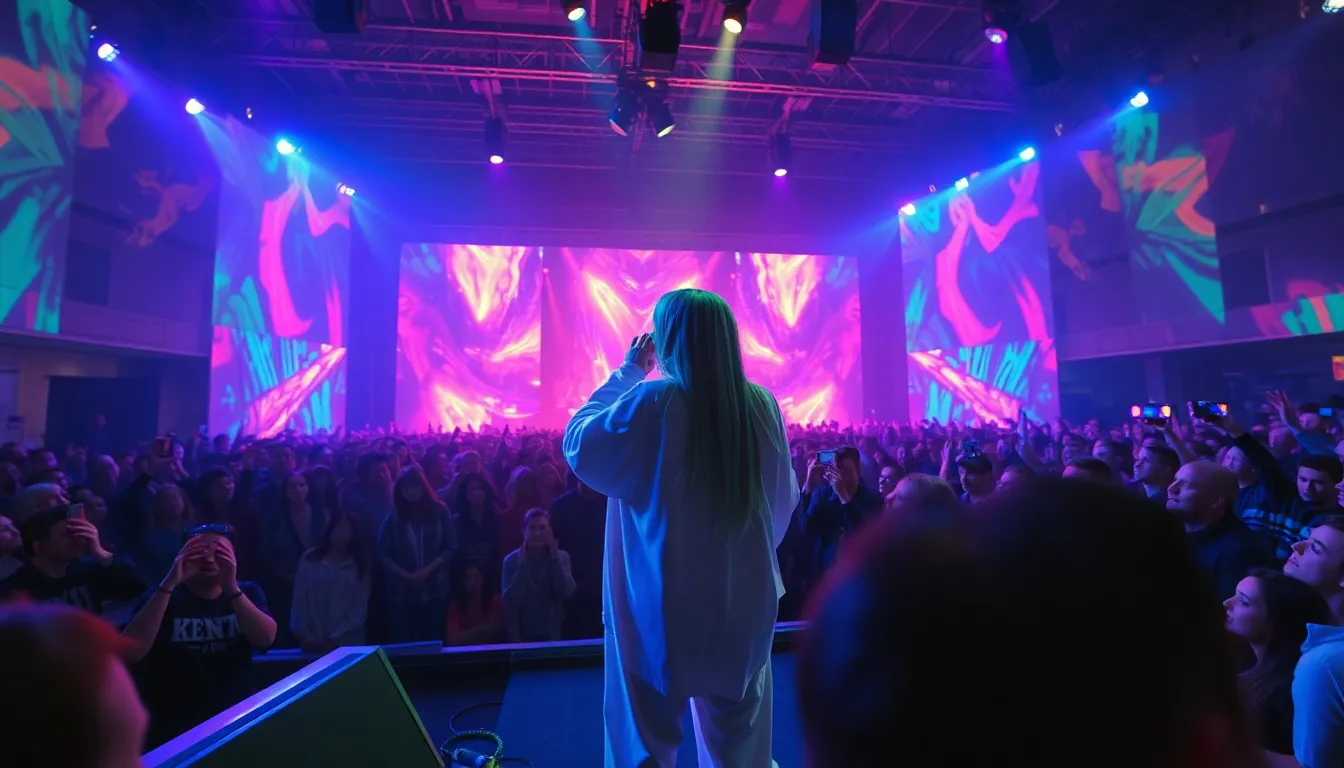
In the backdrop of Eilish’s career is a rapidly evolving digital landscape that has democratized music access. The advent of platforms like Spotify and Apple Music has allowed artists to reach global audiences without the traditional barriers imposed by record labels. Eilish, alongside her brother Finneas O’Connell, harnessed this environment to create music that resonates deeply with listeners, often addressing themes of mental health, identity, and societal pressures.
The impact of visual storytelling
As Eilish’s music evolved, so did her approach to visual storytelling. The integration of striking visuals in her music videos and performances has become a hallmark of her artistry. With the release of “Hit Me Hard and Soft,” Eilish embraces 3-D technology, enhancing the immersive experience for her audience. This innovation not only showcases her artistic vision but also reflects broader trends in the entertainment industry where immersive experiences are increasingly sought after.
Moreover, Eilish’s willingness to explore vulnerability and authenticity in her work has resonated with a generation grappling with issues of self-image and mental health. Her candidness about her struggles has fostered a sense of community among fans, encouraging open discussions about topics often considered taboo. This social context has positioned Eilish not just as a musician but as a cultural icon, influencing both her peers and younger audiences, much like the conversations sparked by Hugh Bonneville’s new podcast.
As we delve into the review of “Hit Me Hard and Soft,” it is essential to recognize how Billie Eilish’s artistic journey is not merely a personal narrative but a reflection of broader societal changes. Her ability to adapt and innovate within the evolving music landscape underscores her significance as an artist in the 21st century.
Exploring the themes and messages in Hit Me Hard and Soft
In the realm of contemporary music and performance art, Billie Eilish stands out as a significant figure whose work often reflects deep emotional currents and societal issues. In her latest project, ‘Hit Me Hard and Soft’, Eilish not only showcases her musical talents but also engages with a diverse array of stakeholders, including fans, critics, and the music industry at large. Each of these groups has vested interests that shape their perspectives on her work.
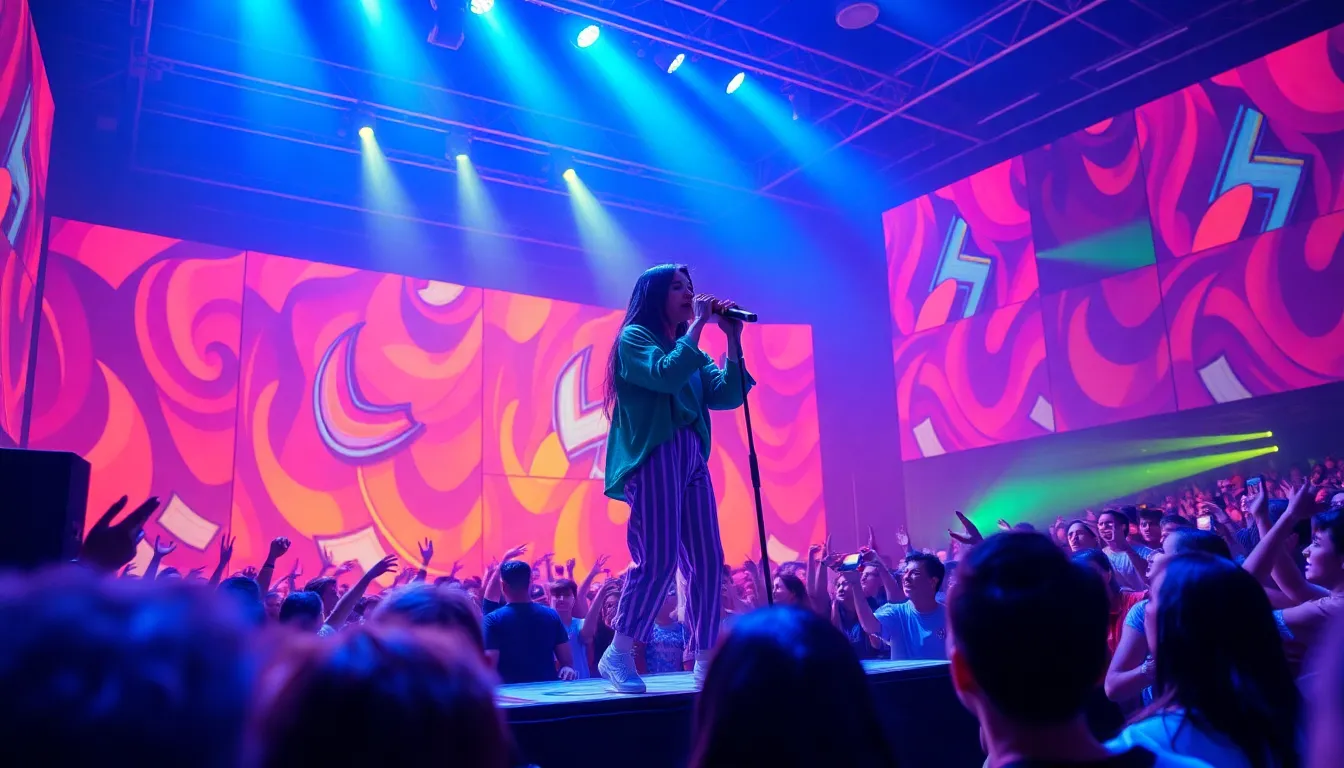
Fans of Billie Eilish are primarily interested in authentic and relatable content. They often seek a connection with the artist that transcends mere entertainment, looking for emotional resonance and vulnerability in her performances. This demographic plays a crucial role in shaping Eilish’s artistic direction, as their feedback and engagement can influence her future projects and public persona.
On the other hand, music critics and industry professionals evaluate Eilish’s work through a lens of artistic merit and commercial viability. Their interests lie in assessing the innovation and impact of her performances, as well as their potential to influence trends within the music industry. This group may face conflicts when their assessment diverges from fan perceptions, leading to debates about the value of commercial success versus artistic integrity.
- Commercial Interests: Record labels and producers have a financial stake in Eilish’s success, often pushing for marketable content that appeals to a broader audience.
- Artistic Expression: Eilish herself is driven by a desire for creative freedom, which may sometimes conflict with industry expectations.
- Public Reception: The reactions from fans can create a feedback loop that impacts how Eilish chooses to evolve her music and performances.
- Technological Advances: The integration of 3-D technology in her performances raises questions about accessibility and the future of live music experiences.
- Social Issues: Eilish often addresses themes of mental health and societal pressures, which resonate with her audience but can also provoke critical discourse among stakeholders.
The interplay between these stakeholders reveals a complex web of interests and potential conflicts. For instance, while Eilish’s artistic vision may prioritize emotional depth, the commercial pressures from her label could push for a more palatable approach to her music. Furthermore, the use of innovative technologies like 3-D in her performances raises economic questions regarding production costs and ticket pricing, potentially alienating some segments of her audience. Understanding these dynamics is essential for grasping the broader implications of Eilish’s work in the current cultural landscape.
The influence of Eilish’s work on fans and the music industry
Billie Eilish’s latest project, ‘Hit Me Hard and Soft,’ resonates deeply with a diverse audience, particularly her dedicated fanbase, which spans various demographics, including teenagers and young adults. This group is often characterized by their strong emotional connections to her music, which addresses themes of vulnerability and resilience. As a result, her work significantly impacts mental health discussions among youth, promoting a culture of openness about emotions.
The music industry itself is also profoundly affected by Eilish’s innovative approach to 3-D experiences in her performances. This technology not only enhances the audience’s engagement but also sets a new standard for live music experiences. As other artists and producers observe the success of her 3-D format, there may be a shift towards incorporating advanced technologies in concerts and music videos, creating a ripple effect throughout the industry.
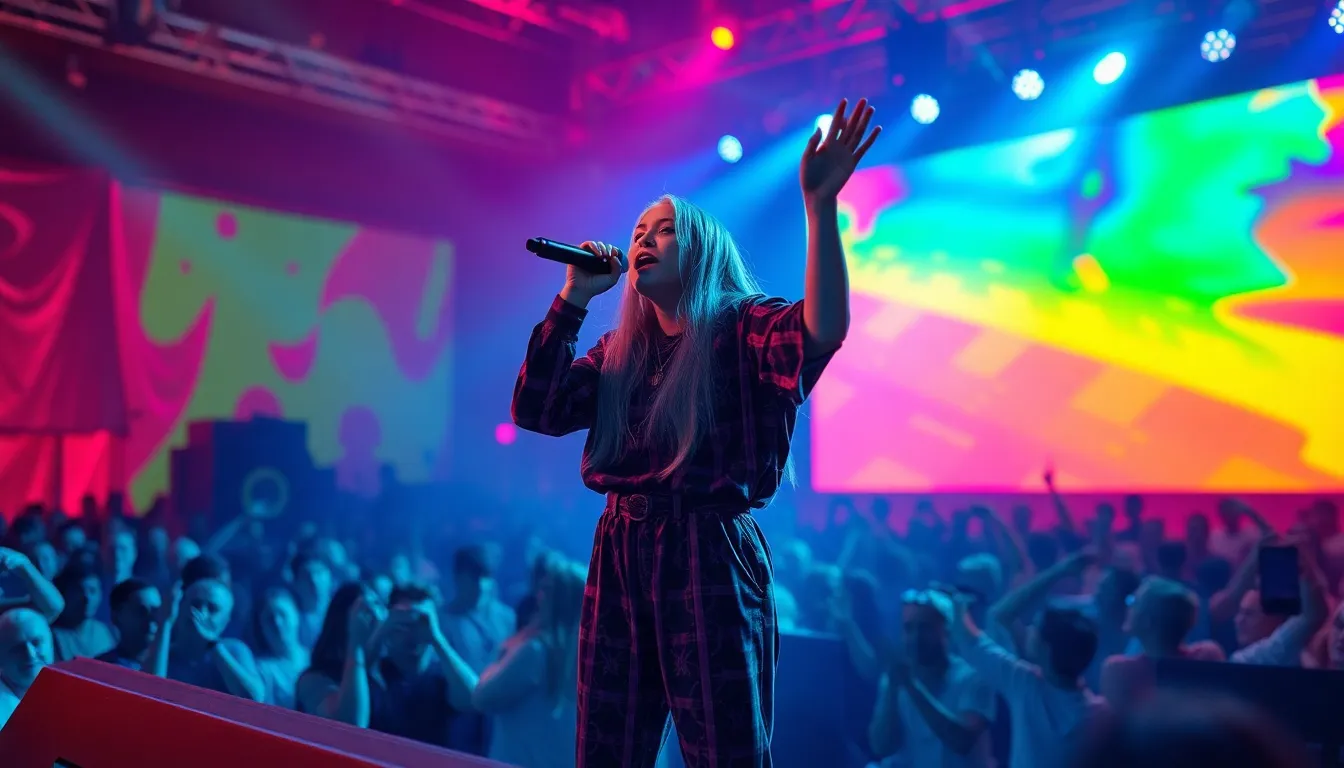
In the short term, fans may experience heightened emotional engagement and a sense of community as they share their interpretations of Eilish’s work. Businesses in the entertainment sector, including streaming services and concert venues, could see increased demand for immersive experiences. However, the reliance on technology also presents risks, such as accessibility issues for fans who may not have the means to engage with high-tech formats.
- Opportunity for increased collaboration between artists and tech companies.
- Potential rise in merchandise sales related to Eilish’s brand and aesthetic.
- Encouragement for other musicians to explore authentic storytelling in their work.
In the mid-term, the impact of Eilish’s work may lead to policy discussions around mental health resources and support systems for young people. As her music continues to spark conversations about emotional well-being, there could be increased advocacy for mental health initiatives in schools and communities. This shift would not only benefit fans but also create opportunities for organizations focused on mental health to partner with artists and influencers.
A: The main theme revolves around emotional vulnerability and the complexities of love, showcasing Eilish’s signature introspective style. A: The 3-D technology immerses the audience in a multi-sensory experience, making the emotional nuances of the performance more impactful. A: Yes, this project marks a significant evolution in her artistic expression, utilizing advanced technology to deepen audience engagement. A: Critics have praised the innovative approach and Eilish’s ability to connect with her audience on a deeper emotional level. A: The project was released recently, captivating fans and critics alike with its unique presentation.
Frequently Asked Questions about Billie Eilish’s new project
Key takeaways and future outlook for Billie Eilish
Billie Eilish’s latest project, ‘Hit Me Hard and Soft,’ showcases her unique ability to blend emotional depth with innovative 3-D visual experiences. This artistic evolution not only reinforces her status as a leading figure in contemporary music but also highlights the potential for immersive storytelling in the music industry. As she continues to push boundaries, it will be essential to monitor how her approach influences both her future work and the broader landscape of music and performance art.
Fans and industry observers should remain attentive to Eilish’s evolving artistry, particularly as she explores new formats and technologies. The integration of 3-D elements could set a precedent for upcoming artists, encouraging them to experiment with their own visual narratives and audience engagement strategies.
- Watch for Billie Eilish’s potential collaborations with visual artists to further enhance her live performances.
- Consider how the use of immersive technology may inspire other musicians to adopt similar approaches in their presentations.
- Monitor audience reception and engagement metrics to gauge the impact of 3-D elements on the overall concert experience.
- Anticipate Eilish’s exploration of new themes and concepts that challenge societal norms, as seen in her previous works.
- Follow the evolution of her musical style as she continues to experiment with genre-blending and innovative soundscapes.